Rosalyn H. Shute - Böcker
Visar alla böcker från författaren Rosalyn H. Shute. Handla med fri frakt och snabb leverans.
12 produkter
12 produkter
2 012 kr
Skickas inom 10-15 vardagar
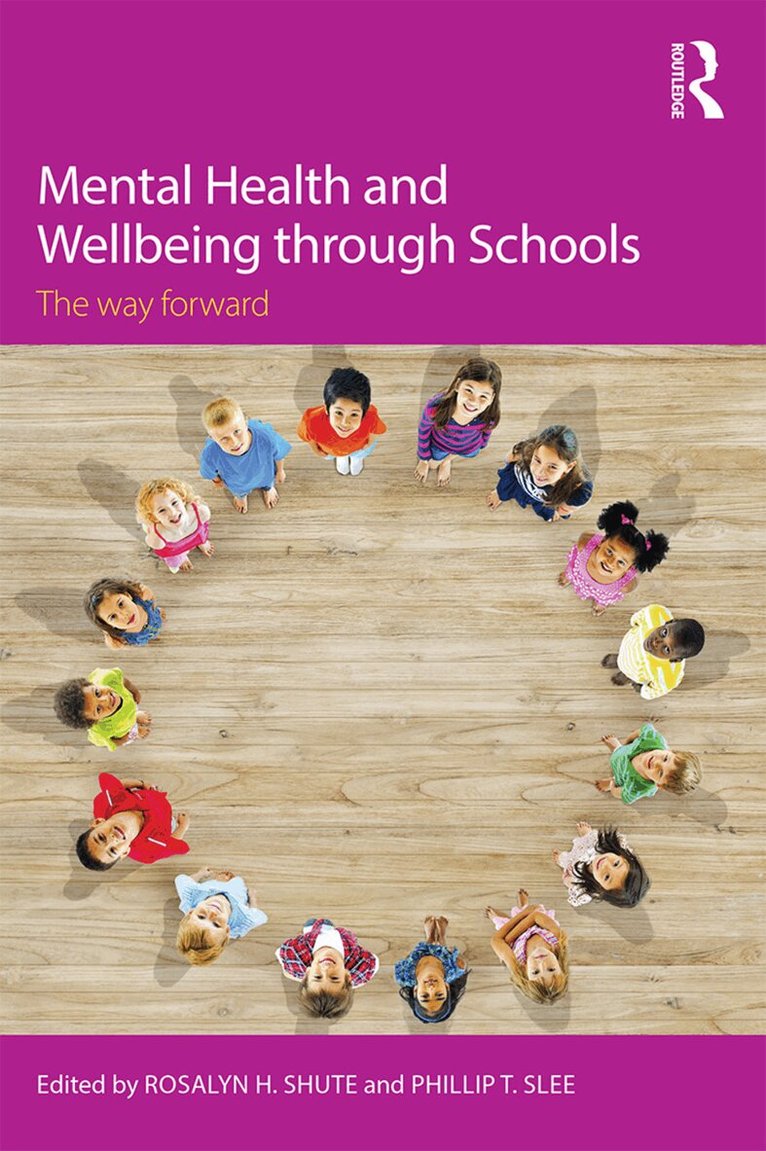
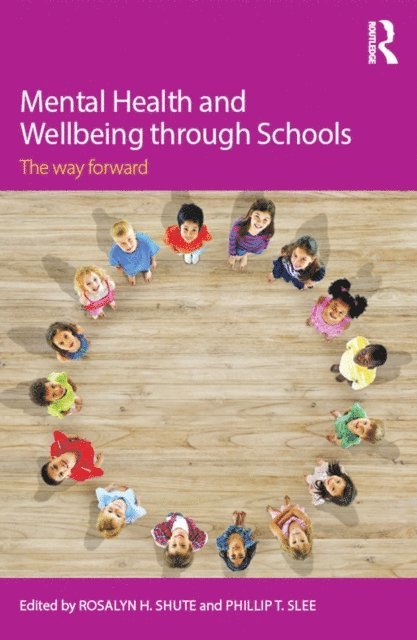
Mental Health and Wellbeing through Schools brings together international experts from various disciplines to identify and address a range of current challenges in this rapidly-developing field of endeavour. The opening chapter details lessons learned from research and practice, outlining some emerging challenges for the effective implementation of mental health initiatives in schools. Subsequent chapters take up the various issues, exploring problems and proposing solutions. Topics fall within four broad areas: Organisational and leadership issues such as dealing with 'wicked' or ‘hard-to-tame’ (complex and resistant) problems and taking a broad public health approach; Teacher-related issues, such as how to integrate programs successfully into schools, and teacher skills and professional learning; The challenges and opportunities of new technologies, including cyberbullying and the use of online, multimedia and mobile resources for both student and teacher learning and support;The need for a greater focus on targeted interventions for at-risk students, such as those with disabilities; also addressing ‘hard-to-tame’ problems such as bullying, youth suicide and depression. Mental Health and Wellbeing through Schools will be of interest to those involved in researching, developing, evaluating and implementing mental health initiatives in schools, including academics, practitioners, educators and educational and Mental Health policy makers. It will also be of use to professionals, such as nurses and social workers, concerned with the wellbeing of children and adolescents. The book will have international appeal, with contributors from around the world, experienced in a range of contexts.Rosalyn H. Shute is Adjunct Professor of Psychology at both Flinders and Federation Universities (Australia). Her research expertise lies broadly in clinical child psychology and paediatric psychology/child health and wellbeing. She is an experienced teacher of Developmental Psychology, educational and clinical child/paediatric psychology. Phillip T. Slee is a Professor in Human Development in the School of Education at Flinders University, Adelaide, Australia. He is a trained teacher and registered psychologist. His main areas of interest include childhood bullying/aggression, mental health and wellbeing, stress and teacher education. He has a particular interest in the practical and policy implications of his research. He and Shute recently co-authored Child Development: Theories and Critical Perspectives.
677 kr
Skickas inom 10-15 vardagar
Mental Health and Wellbeing through Schools brings together international experts from various disciplines to identify and address a range of current challenges in this rapidly-developing field of endeavour. The opening chapter details lessons learned from research and practice, outlining some emerging challenges for the effective implementation of mental health initiatives in schools. Subsequent chapters take up the various issues, exploring problems and proposing solutions. Topics fall within four broad areas: Organisational and leadership issues such as dealing with 'wicked' or ‘hard-to-tame’ (complex and resistant) problems and taking a broad public health approach; Teacher-related issues, such as how to integrate programs successfully into schools, and teacher skills and professional learning; The challenges and opportunities of new technologies, including cyberbullying and the use of online, multimedia and mobile resources for both student and teacher learning and support;The need for a greater focus on targeted interventions for at-risk students, such as those with disabilities; also addressing ‘hard-to-tame’ problems such as bullying, youth suicide and depression. Mental Health and Wellbeing through Schools will be of interest to those involved in researching, developing, evaluating and implementing mental health initiatives in schools, including academics, practitioners, educators and educational and Mental Health policy makers. It will also be of use to professionals, such as nurses and social workers, concerned with the wellbeing of children and adolescents. The book will have international appeal, with contributors from around the world, experienced in a range of contexts.Rosalyn H. Shute is Adjunct Professor of Psychology at both Flinders and Federation Universities (Australia). Her research expertise lies broadly in clinical child psychology and paediatric psychology/child health and wellbeing. She is an experienced teacher of Developmental Psychology, educational and clinical child/paediatric psychology. Phillip T. Slee is a Professor in Human Development in the School of Education at Flinders University, Adelaide, Australia. He is a trained teacher and registered psychologist. His main areas of interest include childhood bullying/aggression, mental health and wellbeing, stress and teacher education. He has a particular interest in the practical and policy implications of his research. He and Shute recently co-authored Child Development: Theories and Critical Perspectives.
639 kr
Skickas inom 10-15 vardagar
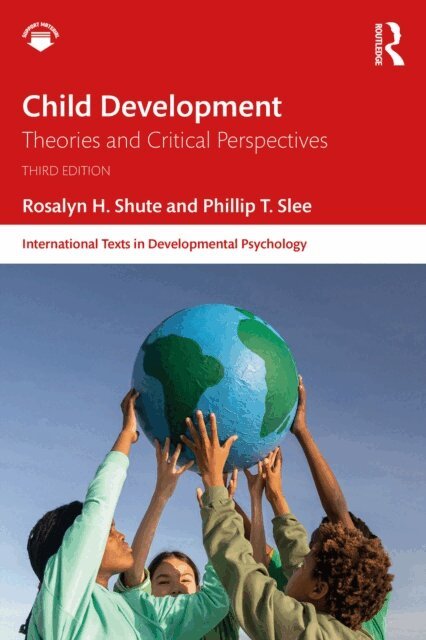
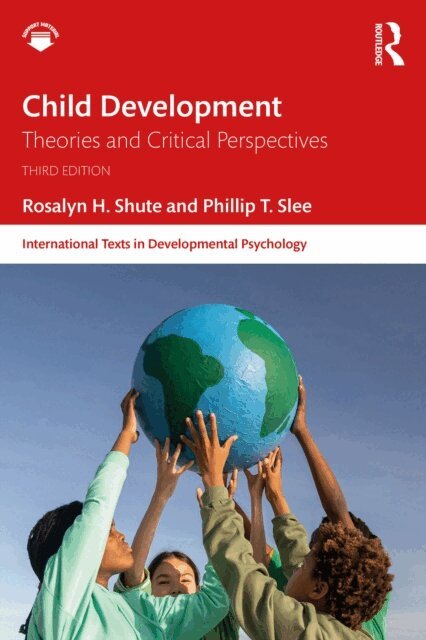
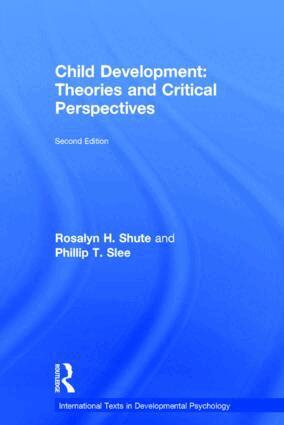
Child Development: Theories and Critical Perspectives provides a perceptive and engaging overview of theories in child and adolescent psychology, uniquely combining traditional scientific perspectives with critical (postmodern) approaches. This new edition has been extensively revised to incorporate recent advances in the field, featuring a new chapter, 'Theorizing about children’s digital worlds', that explores contemporary issues including social media, artificial intelligence, internet addiction and the banning of mobile phones in schools.The authors skilfully place developmental theories within philosophical and cultural contexts, tracing historical developments across different schools of thought while exploring their interconnections and practical implications. Early chapters cover mainstream theorists such as Piaget, Skinner, Freud and Vygotsky. Other influential theorists include Maccoby and Thelen, and contemporary thinkers such as Overton and Stetsenko. Significant figures less well-known today, like Dewey and Rubinstein, are also introduced. The text also addresses broader frameworks including lifespan perspectives, systems theory, evolutionary theory, epigenetics, feminist approaches, children's voices and Indigenous theories. Current controversies such as ‘decolonizing’ developmental psychology and the role of universities in knowledge production are also discussed.Written with students in mind, the book includes valuable pedagogical features such as recommended readings, discussion questions, activities and relevant websites. Essential reading for postgraduate students in developmental psychology, education, social work and social policy, its lucid style makes complex theoretical concepts accessible to readers at all levels, including those with limited background in psychology.
2 029 kr
Skickas inom 10-15 vardagar
Child Development: Theories and Critical Perspectives provides a perceptive and engaging overview of theories in child and adolescent psychology, uniquely combining traditional scientific perspectives with critical (postmodern) approaches. This new edition has been extensively revised to incorporate recent advances in the field, featuring a new chapter, 'Theorizing about children’s digital worlds', that explores contemporary issues including social media, artificial intelligence, internet addiction and the banning of mobile phones in schools.The authors skilfully place developmental theories within philosophical and cultural contexts, tracing historical developments across different schools of thought while exploring their interconnections and practical implications. Early chapters cover mainstream theorists such as Piaget, Skinner, Freud and Vygotsky. Other influential theorists include Maccoby and Thelen, and contemporary thinkers such as Overton and Stetsenko. Significant figures less well-known today, like Dewey and Rubinstein, are also introduced. The text also addresses broader frameworks including lifespan perspectives, systems theory, evolutionary theory, epigenetics, feminist approaches, children's voices and Indigenous theories. Current controversies such as ‘decolonizing’ developmental psychology and the role of universities in knowledge production are also discussed.Written with students in mind, the book includes valuable pedagogical features such as recommended readings, discussion questions, activities and relevant websites. Essential reading for postgraduate students in developmental psychology, education, social work and social policy, its lucid style makes complex theoretical concepts accessible to readers at all levels, including those with limited background in psychology.
190 kr
Kommande
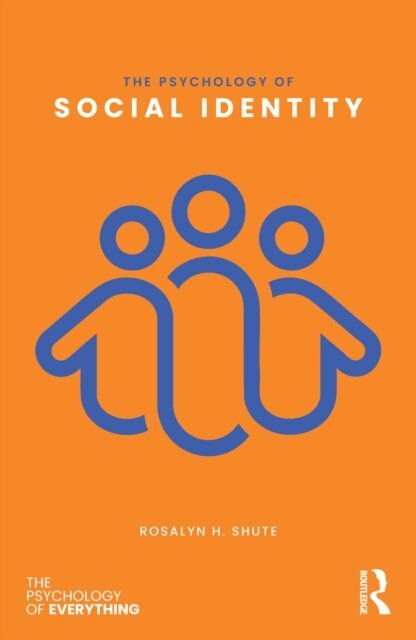
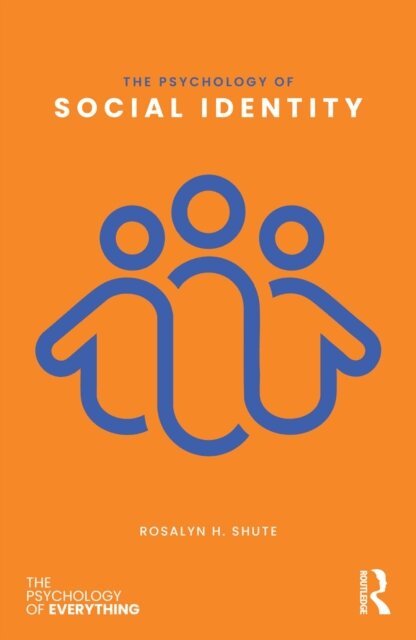
Who are you, really? Why does it sometimes feel so hard to fit in? Are we defined by our past, or can we reinvent who we are?The Psychology of Social Identity unpacks the fascinating, messy, and ever-changing nature of identity. Drawing on cutting-edge psychological research and real-world examples, this engaging book explores how social groups, life changes, and cultural influences shape our identities. It challenges the myth of a singular "true self" and offers fresh perspectives on belonging, rejection, and the power of embracing complexity. With relatable anecdotes, global insights, and practical advice, this book is a guide to understanding yourself and others in a world of constant change.Whether you're someone navigating identity challenges or simply curious about what makes us who we are, The Psychology of Social Identity is for anyone seeking clarity and connection in the complexities of modern life.
2 053 kr
Kommande
Who are you, really? Why does it sometimes feel so hard to fit in? Are we defined by our past, or can we reinvent who we are?The Psychology of Social Identity unpacks the fascinating, messy, and ever-changing nature of identity. Drawing on cutting-edge psychological research and real-world examples, this engaging book explores how social groups, life changes, and cultural influences shape our identities. It challenges the myth of a singular "true self" and offers fresh perspectives on belonging, rejection, and the power of embracing complexity. With relatable anecdotes, global insights, and practical advice, this book is a guide to understanding yourself and others in a world of constant change.Whether you're someone navigating identity challenges or simply curious about what makes us who we are, The Psychology of Social Identity is for anyone seeking clarity and connection in the complexities of modern life.
2 012 kr
Skickas inom 10-15 vardagar
Adolescent girls’ wellbeing is under threat. They face pressure to achieve academically while simultaneously negotiating a life dominated by social media, an unrelenting focus on appearance, cyberbullying, sexual harassment and ready access to pornography characterised by male violence to women.The sociocultural environment presents significant risks for girls’ mental health, yet clinical psychology remains largely focused on the individual. Cultural factors are also overshadowed by postfeminist forces and a renewed emphasis on biological determinants of psychological sex differences. Clinical Psychology and Adolescent Girls in a Postfeminist Era goes back to first principles and revisits the question of the place of nature and nurture in children’s development, in the light of what we now know about neural plasticity, dynamic systems and gender socialisation. Feminism and its sometimes uncomfortable relationship with psychology is discussed, as are the meaning and implications of ‘postfeminism’, and whether girls have ‘special strengths’. Practice principles and specific ideas for practice with today’s girls are all included. Finally, there is a complementary chapter on working with adolescent boys.Feminist writings about psychotherapy (with women) had their heyday some time ago, and some see boys as the ones who now need special attention. This book contends that the changing pressures of today’s western world call for a renewed interest in specialised practice with girls, taking account of up-to-date theories about child development, and exploring the idea of expanding clinical practice beyond the individual.
565 kr
Skickas inom 10-15 vardagar
Adolescent girls’ wellbeing is under threat. They face pressure to achieve academically while simultaneously negotiating a life dominated by social media, an unrelenting focus on appearance, cyberbullying, sexual harassment and ready access to pornography characterised by male violence to women.The sociocultural environment presents significant risks for girls’ mental health, yet clinical psychology remains largely focused on the individual. Cultural factors are also overshadowed by postfeminist forces and a renewed emphasis on biological determinants of psychological sex differences. Clinical Psychology and Adolescent Girls in a Postfeminist Era goes back to first principles and revisits the question of the place of nature and nurture in children’s development, in the light of what we now know about neural plasticity, dynamic systems and gender socialisation. Feminism and its sometimes uncomfortable relationship with psychology is discussed, as are the meaning and implications of ‘postfeminism’, and whether girls have ‘special strengths’. Practice principles and specific ideas for practice with today’s girls are all included. Finally, there is a complementary chapter on working with adolescent boys.Feminist writings about psychotherapy (with women) had their heyday some time ago, and some see boys as the ones who now need special attention. This book contends that the changing pressures of today’s western world call for a renewed interest in specialised practice with girls, taking account of up-to-date theories about child development, and exploring the idea of expanding clinical practice beyond the individual.
2 159 kr
Skickas inom 10-15 vardagar
Child Development: Theories and Critical Perspectives provides an engaging and perceptive overview of both well-established and recent theories in child and adolescent psychology. This unique summary of traditional scientific perspectives alongside critical post-modern thinking will provide readers with a sense of the historical development of different schools of thought. The authors also place theories of child development in philosophical and cultural contexts, explore links between them, and consider the implications of theory for practice in the light of the latest thinking and developments in implementation and translational science.Early chapters cover mainstream theories such as those of Piaget, Skinner, Freud, Maccoby and Vygotsky, whilst later chapters present interesting lesser-known theorists such as Sergei Rubinstein, and more recent influential theorists such as Esther Thelen. The book also addresses lifespan perspectives and systems theory, and describes the latest thinking in areas ranging from evolutionary theory and epigenetics, to feminism, the voice of the child and Indigenous theories.The new edition of Child Development has been extensively revised to include considerable recent advances in the field. As with the previous edition, the book has been written with the student in mind, and includes a number of useful pedagogical features including further reading, discussion questions, activities, and websites of interest.Child Development: Theories and Critical Perspectives will be essential reading for students on advanced courses in developmental psychology, education, social work and social policy, and the lucid style will also make it accessible to readers with little or no background in psychology.
705 kr
Skickas inom 10-15 vardagar
Child Development: Theories and Critical Perspectives provides an engaging and perceptive overview of both well-established and recent theories in child and adolescent psychology. This unique summary of traditional scientific perspectives alongside critical post-modern thinking will provide readers with a sense of the historical development of different schools of thought. The authors also place theories of child development in philosophical and cultural contexts, explore links between them, and consider the implications of theory for practice in the light of the latest thinking and developments in implementation and translational science.Early chapters cover mainstream theories such as those of Piaget, Skinner, Freud, Maccoby and Vygotsky, whilst later chapters present interesting lesser-known theorists such as Sergei Rubinstein, and more recent influential theorists such as Esther Thelen. The book also addresses lifespan perspectives and systems theory, and describes the latest thinking in areas ranging from evolutionary theory and epigenetics, to feminism, the voice of the child and Indigenous theories.The new edition of Child Development has been extensively revised to include considerable recent advances in the field. As with the previous edition, the book has been written with the student in mind, and includes a number of useful pedagogical features including further reading, discussion questions, activities, and websites of interest.Child Development: Theories and Critical Perspectives will be essential reading for students on advanced courses in developmental psychology, education, social work and social policy, and the lucid style will also make it accessible to readers with little or no background in psychology.
1 343 kr
Skickas inom 10-15 vardagar
This book addresses, and seeks to harmonise, different paradigms for understanding school bullying. It discusses practical ways forward, presents a systemic approach to bullying and application of complex adaptive systems methods to bullying research and evaluation.
1 343 kr
Skickas inom 10-15 vardagar
This book addresses, and seeks to harmonise, different paradigms for understanding school bullying. It discusses practical ways forward, presents a systemic approach to bullying and application of complex adaptive systems methods to bullying research and evaluation.