Rose Marie Beebe - Böcker
Visar alla böcker från författaren Rose Marie Beebe. Handla med fri frakt och snabb leverans.
5 produkter
5 produkter
291 kr
Skickas inom 10-15 vardagar
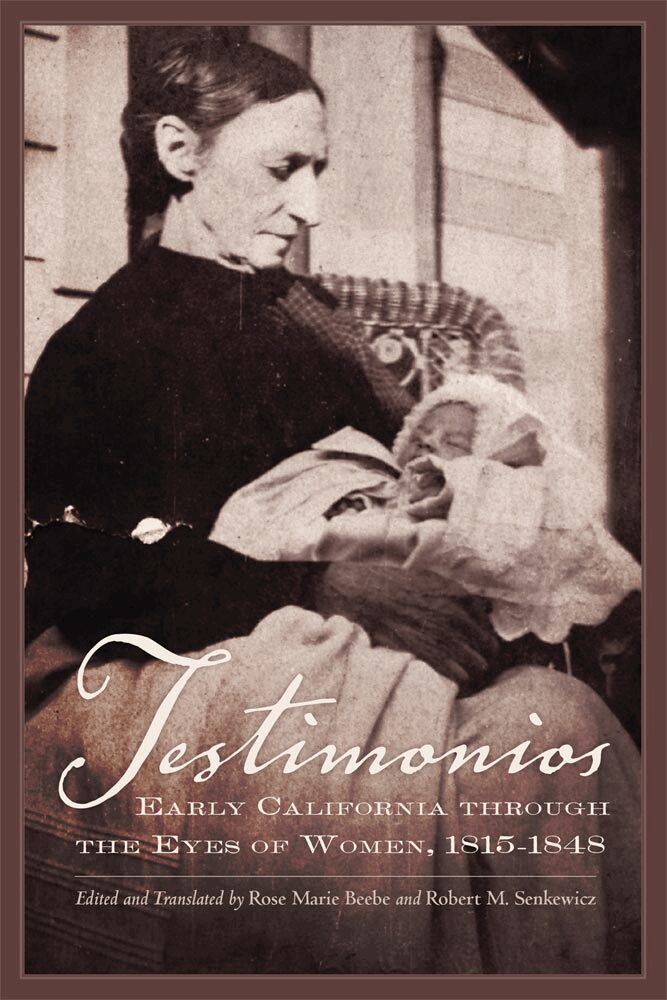
When in the early 1870s historian Hubert Howe Bancroft sent interviewers out to gather oral histories from the pre-statehood gentry of California, he didn't count on one thing: the women. When the men weren't available, the interviewers collected the stories of the women of the household - sometimes almost as an afterthought. These interviews were eventually archived at the University of California, though many were all but forgotten. Testimonios presents thirteen women's firsthand accounts from the days when California was part of Spain and Mexico. Having lived through the gold rush and seen their country change so drastically, these women understood the need to tell the full story of the people and the places that were their California.
283 kr
Skickas inom 10-15 vardagar
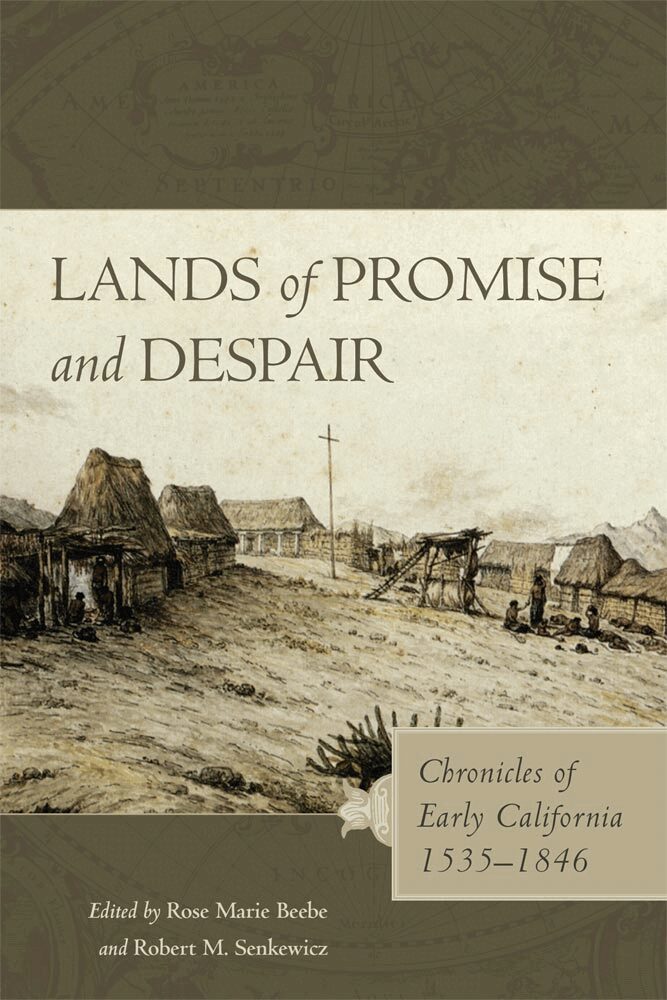
This copious collection of reminiscences, reports, letters, and documents allows readers to experience the vast and varied landscape of early California from the viewpoint of its inhabitants. What emerges is not the Spanish California depicted by casual visitors - a culture obsessed with finery, horses, and fandangos - but an ever-shifting world of aspiration and tragedy, pride and loss. Conflicts between missionaries and soldiers, Indians and settlers, friends and neighbors spill from these pages, bringing the ferment of daily life into sharp focus.
329 kr
Skickas inom 7-10 vardagar
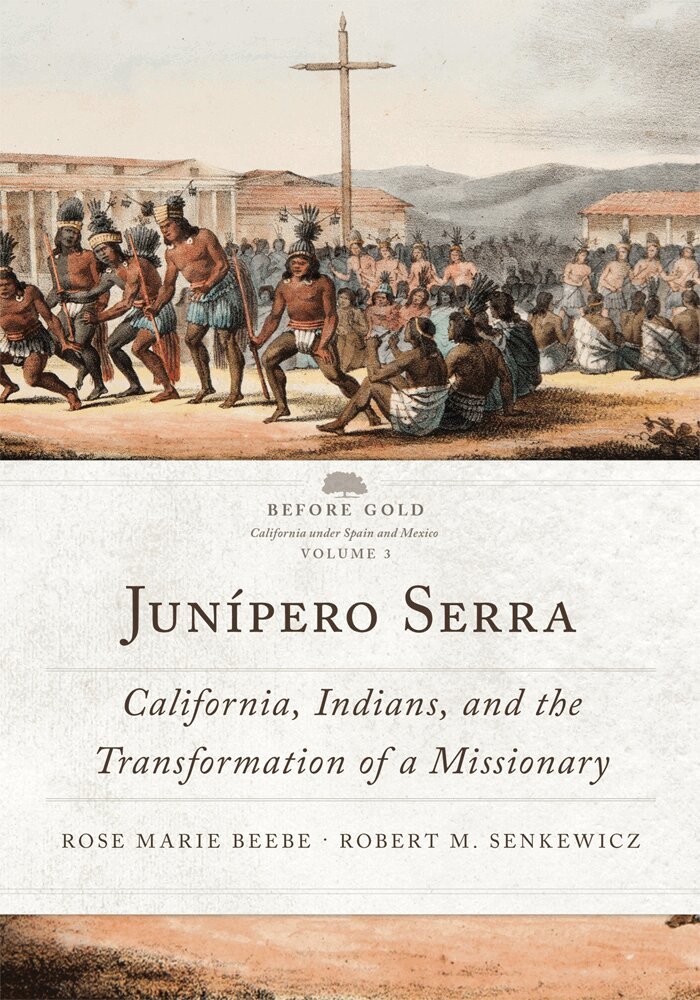
Franciscan missionary friar Junípero Serra (1713-1784), one of the most widely known and influential inhabitants of early California, embodied many of the ideas and practices that animated the Spanish presence in the Americas. In this definitive biography, translators and historians Rose Marie Beebe and Robert M. Senkewicz bring this complex figure to life and illuminate the Spanish period of California and the American Southwest.In Junípero Serra: California, Indians, and the Transformation of a Missionary, Beebe and Senkewicz focus on Serra's religious identity and his relations with Native peoples. They intersperse their narrative with new and accessible translations of many of Serra's letters and sermons, which allows his voice to be heard in a more direct and engaging fashion.Serra spent thirty-four years as a missionary to Indians in Mexico and California. He believed that paternalistic religious rule offered Indians a better life than their oppressive exploitation by colonial soldiers and settlers, which he deemed the only realistic alternative available to them at that time and place. Serra's unswerving commitment to his vision embroiled him in frequent conflicts with California's governors, soldiers, native peoples, and even his fellow missionaries. Yet because he prevailed often enough, he was able to place his unique stamp on the first years of California's history.Beebe and Senkewicz interpret Junípero Serra neither as a saint nor as the personification of the Black Legend. They recount his life from his birth in a small farming village on Mallorca. They detail his experiences in central Mexico and Baja California, as well as the tumultuous fifteen years he spent as founder of the California missions. Serra's Franciscan ideals are analyzed in their eighteenth-century context, which allows readers to understand more fully the differences and similarities between his world and ours. Combining history, culture, and linguistics, this new study conveys the power and nuance of Serra's voice and, ultimately, his impact on history.
503 kr
Skickas inom 10-15 vardagar
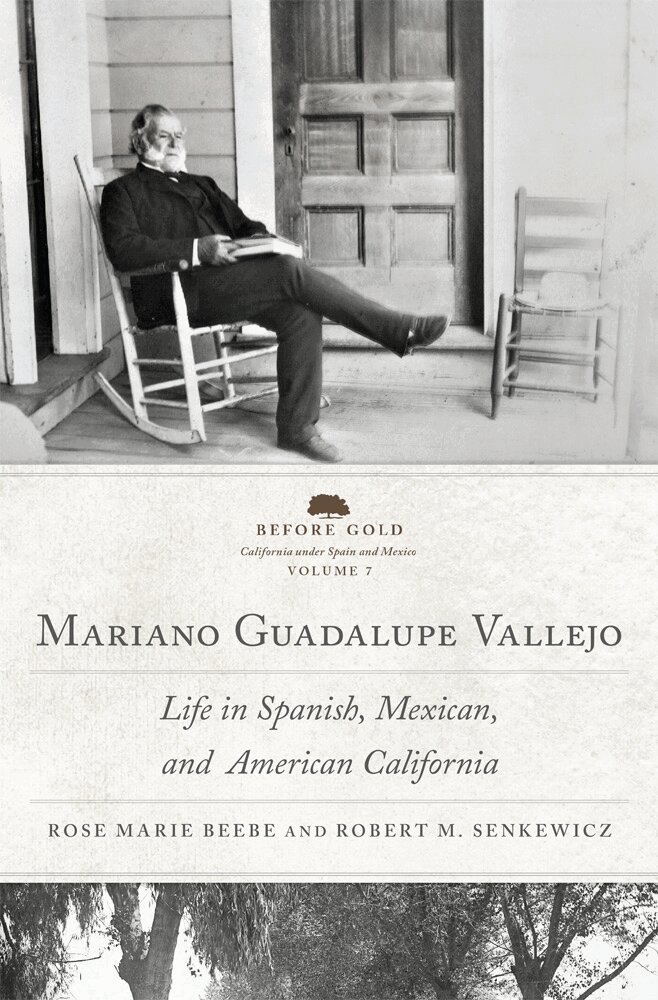
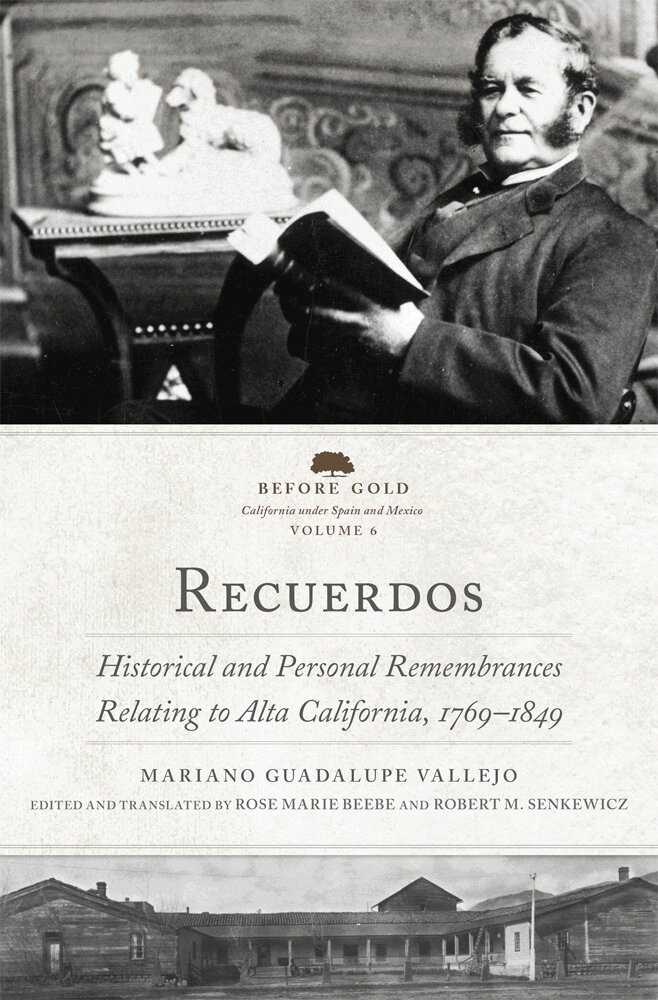
Mariano Guadalupe Vallejo (1807–90) grew up in Spanish California, became a leading military and political figure in Mexican California, and participated in some of the founding events of U.S. California. In 1874–75, Vallejo, working with historian and publisher Hubert Howe Bancroft, composed a five-volume history of Alta California—a monumental work that would be the most complete eyewitness account of California before the gold rush. But Bancroft shelved the work, and it has lain in the archives until its recent publication as Recuerdos: Historical and Personal Remembrances Relating to Alta California, 1769–1849, translated and edited by Rose Marie Beebe and Robert M. Senkewicz.In Mariano Guadalupe Vallejo: Life in Spanish, Mexican, and American California, Beebe and Senkewicz not only illuminate Vallejo’s life and history but also examine the broader experience of the nineteenth-century Californio community. In eight essays, the authors consider Spanish and Mexican rule in California, mission secularization, the rise of rancho culture, and the conflicts between settlers and Indigenous Californians, especially in the post-mission era. Vallejo was uniquely positioned to provide insight into early California’s foundation, and as a defender of culture and education among Mexican Californians, he also offered a rare perspective on the cultural life of the Mexican American community. In their final chapter, Beebe and Senkewicz include a significant portion of the correspondence between Vallejo and his wife, Francisca Benicia, for what it reveals about the effects of the American conquest on family and gender roles.A long-overdue in-depth look at one of the preeminent Mexican Americans in nineteenth-century California, Mariano Guadalupe Vallejo also provides an unprecedented view of the Mexican American experience during that transformative era.
Recuerdos
Historical and Personal Remembrances Relating to Alta California, 1769–1849 (2 Volume Set)
Inbunden, Engelska, 2023
1 636 kr
Skickas inom 7-10 vardagar
A generation after the U.S. conquest of California, Mariano Guadalupe Vallejo set out to write the story of the land he knew so well—a history to dispel the romantic vision quickly overtaking the state’s recent past. The five-volume history he produced, published here for the first time in English translation, is the most complete account of California before the gold rush by someone who resided in California at the time.Mariano Guadalupe Vallejo (1807–90) grew up in Spanish California, became a leading military and political figure in Mexican California, and participated in some of the founding events of U.S. California, such as the Monterey Constitutional Convention and the first legislature. With his project, undertaken for historian and publisher Hubert Howe Bancroft, Vallejo sought to correct misrepresentations of California’s past, which dismissed as insignificant the pre–gold rush Spanish and Mexican periods—conflated into one “Mission era.”Instead, Vallejo’s history emphasized the role of the military in the Spanish colonization of California and argued that the missionaries after JunÍpero Serra, with their medieval ideas, had actually retarded the development of California until secularization in the early 1830s. Culture, he contended, was of intense interest to the Californio people, as was the education of children. His accounts of Indigenous peoples, while often sympathetic, were also characteristic of his time: he and other California military leaders, Vallejo maintained, had successfully subdued “hostile” Indians and established mutually beneficial relationships with others.Out of keeping with Bancroft’s American triumphalism, Vallejo’s monumental project was consigned to the archives. With their deft translation and commentary, Rose Marie Beebe and Robert M. Senkewicz—authors of a companion volume on Vallejo’s work—have brought to light a remarkable perspective, often firsthand, on important events in early California history. Their efforts restore a critical chapter to the story of California and the American West.