
Häftad, Engelska, 2018
159 kr
Skickas inom 5-8 vardagar
159 kr
Skickas inom 5-8 vardagar
260 kr
Skickas inom 5-8 vardagar
253 kr
Skickas inom 5-8 vardagar
356 kr
Skickas inom 5-8 vardagar
1 530 kr
Skickas inom 5-8 vardagar
736 kr
Skickas inom 5-8 vardagar
186 kr
Skickas inom 5-8 vardagar
331 kr
Skickas inom 5-8 vardagar
115 kr
Läs direkt efter köp
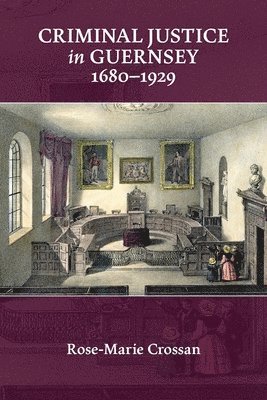
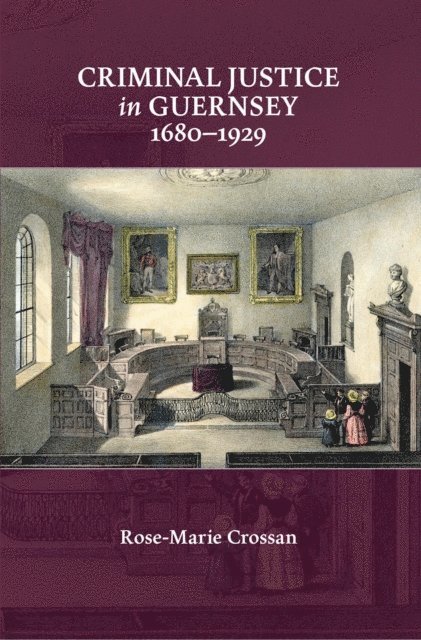
Based on extensive original research, this book examines the evolution of the criminal justice system in the self-governing British Channel Island of Guernsey over a period of 250 years. It is the first scholarly treatment of this subject in a Guernsey context, and it is aimed at academic audiences in the United Kingdom, Europe, North America and Australasia, as well as at a general Channel Island audience.
Guernsey had its own distinctive legal system and was not subject to the Westminster parliament. During the period between the 1680s and 1920s, its criminal justice system nevertheless changed from one based on the Norman Coutume and French criminal practice to one more akin to that of England and Wales. In parallel, the system also changed from what was primarily a dispute-resolution service for individuals into a tool for the management of the community at large. This book chronicles both of these processes from various angles, charting successive transformations in legislation and procedure, as well as landmark developments in policing and penal practices. In addition to chronicling these changes, the book contextualises them by examining broader transformations in local society and developments in justice systems elsewhere. It also illustrates them with a series of case studies encompassing crimes from murder to petty theft. In foregrounding the lived experience of those who came into contact with the system, these studies add a useful human dimension to the book''s technical content.
114 kr
Läs direkt efter köp
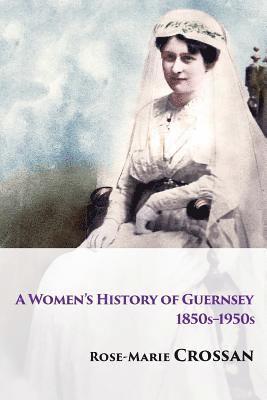
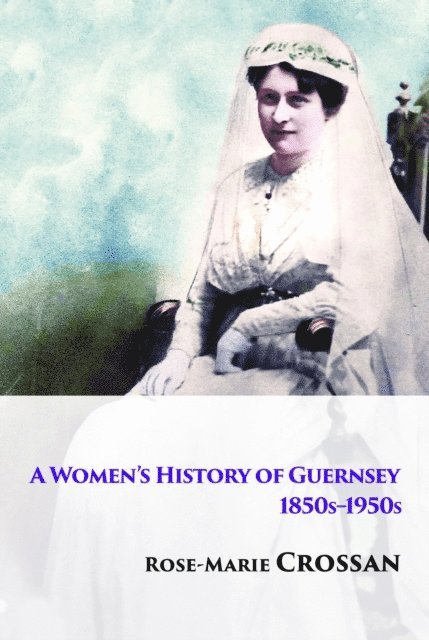
Based on extensive original research, this book examines the changing condition of women in the self-governing British Channel Island of Guernsey over the course of the century between the 1850s and 1950s. It is the first scholarly treatment of this subject in a Guernsey context, and it is aimed at academic audiences in the United Kingdom, Europe, North America and Australasia, as well as at a general Channel Island audience. The book covers a diverse range of topics, which include education, work, health, marriage, domestic abuse, sexual violence, prostitution, public office-holding, and the suffrage. These topics are explored from several different angles: firstly, from the viewpoint of individual women, by means of detailed case-histories; secondly, from the viewpoint of the wider insular community, through an analysis of legislative and other instruments by which the lot of local women was improved; and thirdly, from the viewpoint of Britain, Europe and the western world generally, by comparing the nature and pace of change in Guernsey with that in other jurisdictions, paying particular regard to the differences in cultures and mentalités which might have inhibited or promoted such change.
163 kr
Läs direkt efter köp
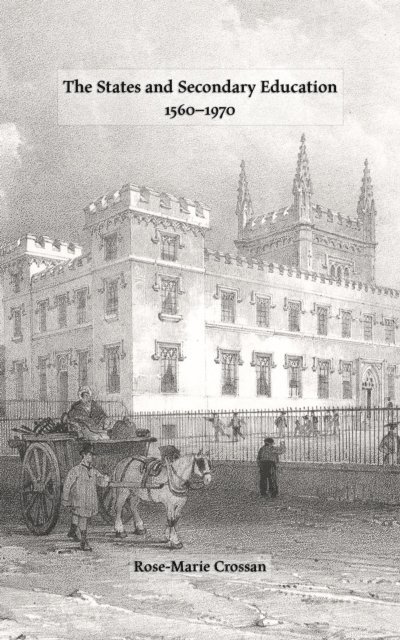
A study of secondary education in Guernsey from 1560 to 1970 charting the precocious involvement of the insular government, the evolution of the 11+ system, and the persistence of funding biases towards ''elite'' over ''popular'' schools.

173 kr
Skickas inom 5-8 vardagar

274 kr
Skickas inom 5-8 vardagar