Rosemarie Bodenheimer – författare
Visar alla böcker från författaren Rosemarie Bodenheimer. Handla med fri frakt och snabb leverans.
16 produkter
Samuel Beckett
Häftad, 2026
236 kr
Lägg i varukorg
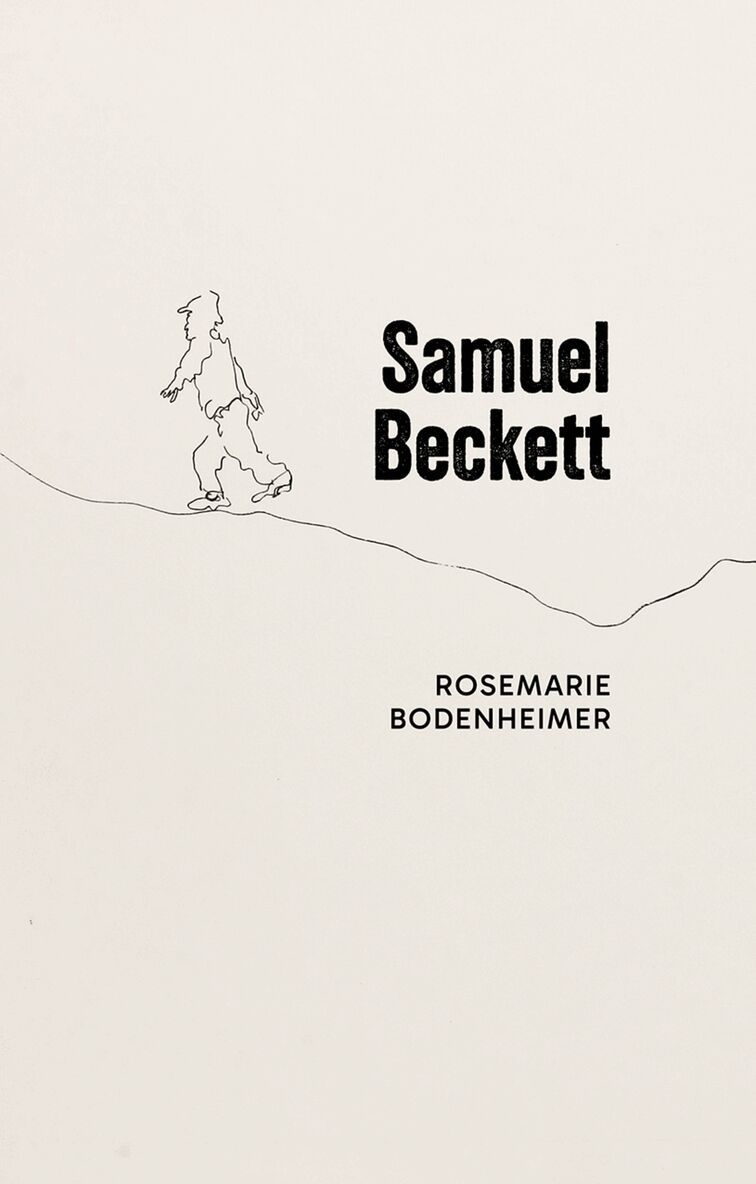
A book on the experience of reading the works of Samuel Beckett.After a life of writing about Victorian novelists, Rosemarie Bodenheimer found herself entranced by the work of Samuel Beckett. In this book she shares her journey of discovery with readers who may or may not be familiar with Beckett's …
Samuel Beckett
E-bok, 2022
225 kr
Lägg i varukorg
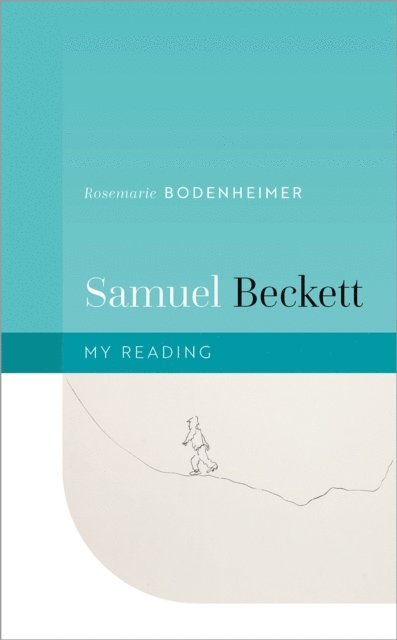
A book on the experience of reading the works of Samuel Beckett. After a life of writing about Victorian novelists, Rosemarie Bodenheimer found herself entranced by the work of Samuel Beckett. In this book she shares her journey of discovery with readers who may or may not be familiar with …
Samuel Beckett
E-bok, 2022
225 kr
Lägg i varukorg
A book on the experience of reading the works of Samuel Beckett. After a life of writing about Victorian novelists, Rosemarie Bodenheimer found herself entranced by the work of Samuel Beckett. In this book she shares her journey of discovery with readers who may or may not be familiar with …
Samuel Beckett
Inbunden, 2022
324 kr
Lägg i varukorg
A book on the experience of reading the works of Samuel Beckett.After a life of writing about Victorian novelists, Rosemarie Bodenheimer found herself entranced by the work of Samuel Beckett. In this book she shares her journey of discovery with readers who may or may not be familiar with Beckett's …
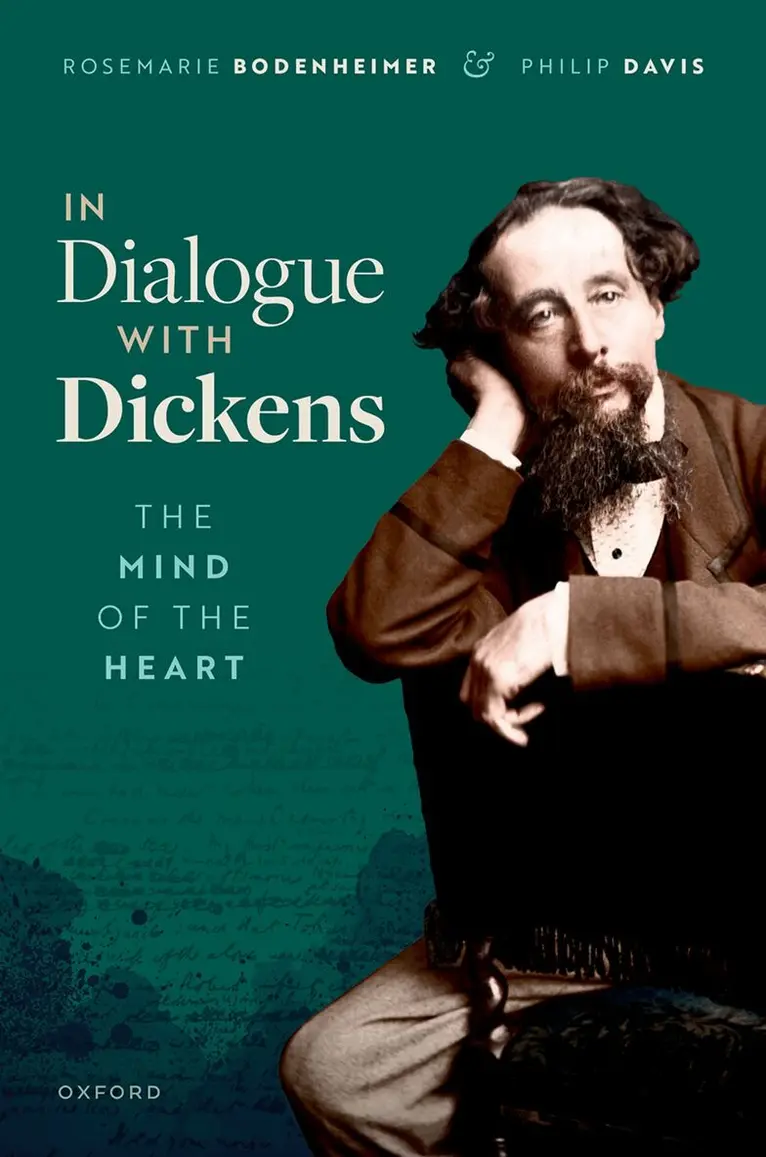
In Dialogue with Dickens
The Mind of the Heart
Av Rosemarie Bodenheimer, Philip Davis
Inbunden, 2024
530 kr
Lägg i varukorg
Written in the form of a back-and-forth dialogue between the two authors, this book is about the relationship between feeling and thinking in Dickens's novels. It presents Dickens as a psychological thinker, whose generative thought may be conscious, unconscious, half-conscious, or in transit …
In Dialogue with Dickens
The Mind of the Heart
Av Philip Davis, Rosemarie Bodenheimer
E-bok, 2024
469 kr
Lägg i varukorg
Written in the form of a back-and-forth dialogue between the two authors, this book is about the relationship between feeling and thinking in Dickens''s novels. It presents Dickens as a psychological thinker, whose generative thought may be conscious, unconscious, half-conscious, or in transit …
In Dialogue with Dickens
The Mind of the Heart
Av Philip Davis, Rosemarie Bodenheimer
E-bok, 2024
418 kr
Lägg i varukorg
Written in the form of a back-and-forth dialogue between the two authors, this book is about the relationship between feeling and thinking in Dickens''s novels. It presents Dickens as a psychological thinker, whose generative thought may be conscious, unconscious, half-conscious, or in transit …
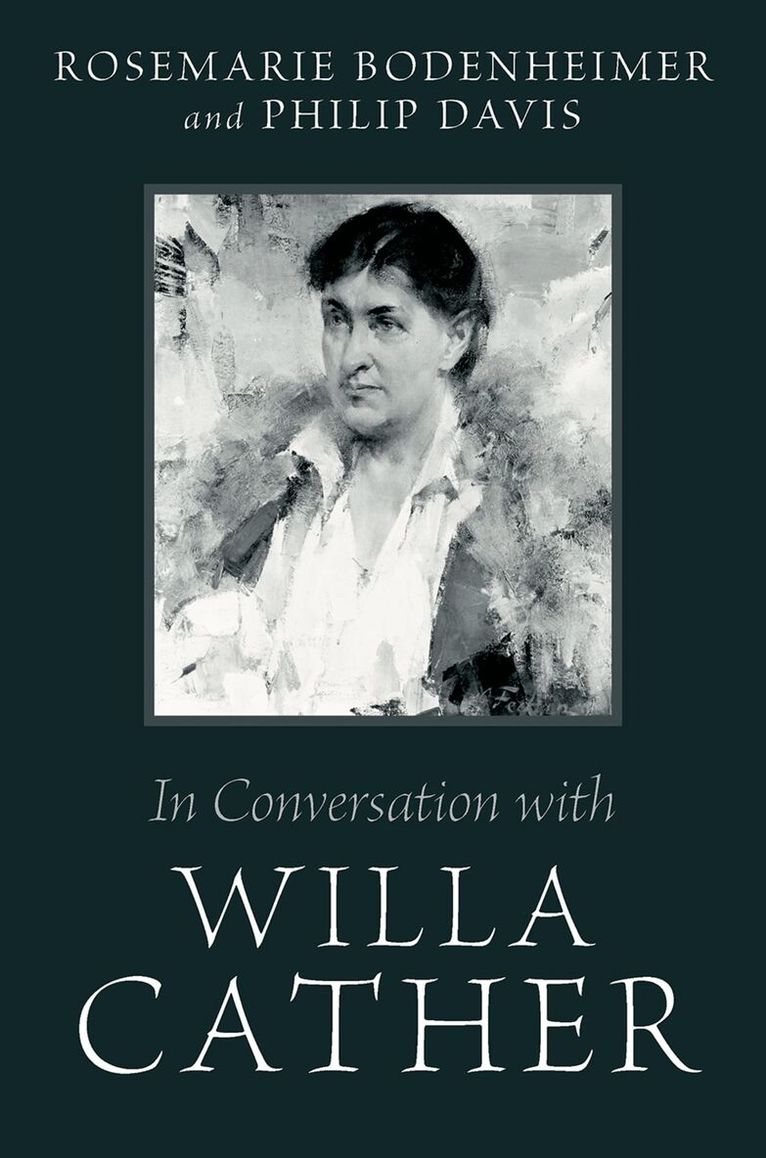
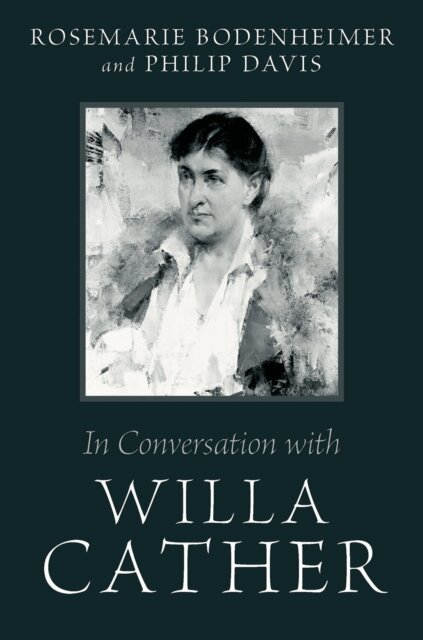
In Conversation with Willa Cather
Av Rosemarie Bodenheimer, Philip Davis
Inbunden, 2026
504 kr
Lägg i varukorg
Willa Cather's novels do not behave like other novels. Indeed, her art is famously uncategorizable. She is not much interested in plots; she works instead by juxtaposition, leaving it up to the reader to feel the vibrations between one situation and another. Nor is she interested in creating …
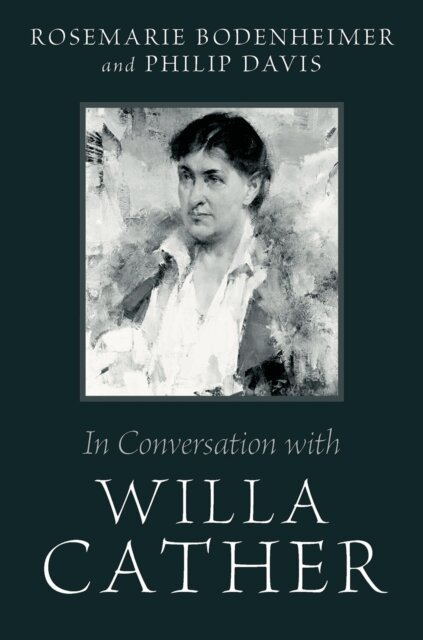
In Conversation with Willa Cather
Av Philip Davis, Rosemarie Bodenheimer
E-bok, 2026
406 kr
Lägg i varukorg
Willa Cather's novels do not behave like other novels. Indeed, her art is famously uncategorizable. She is not much interested in plots; she works instead by juxtaposition, leaving it up to the reader to feel the vibrations between one situation and another. Nor is she interested in creating …
In Conversation with Willa Cather
Av Philip Davis, Rosemarie Bodenheimer
E-bok, 2026
406 kr
Lägg i varukorg
Willa Cather's novels do not behave like other novels. Indeed, her art is famously uncategorizable. She is not much interested in plots; she works instead by juxtaposition, leaving it up to the reader to feel the vibrations between one situation and another. Nor is she interested in creating …
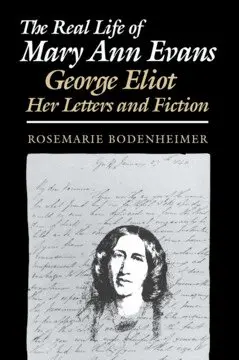
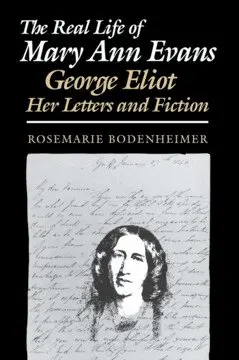
Real Life of Mary Ann Evans
George Eliot, Her Letters and Fiction
Inbunden, 1994
852 kr
Lägg i varukorg
Bodenheimer defines the personal paradoxes that helped to shape Eliot's fictional characters and narrative style. Bodenheimer revisits pivotal episodes in Mary Ann Evans's life and career, including the "Holy War" through which she asserted her youthful religious skepticism; her decision to elope …
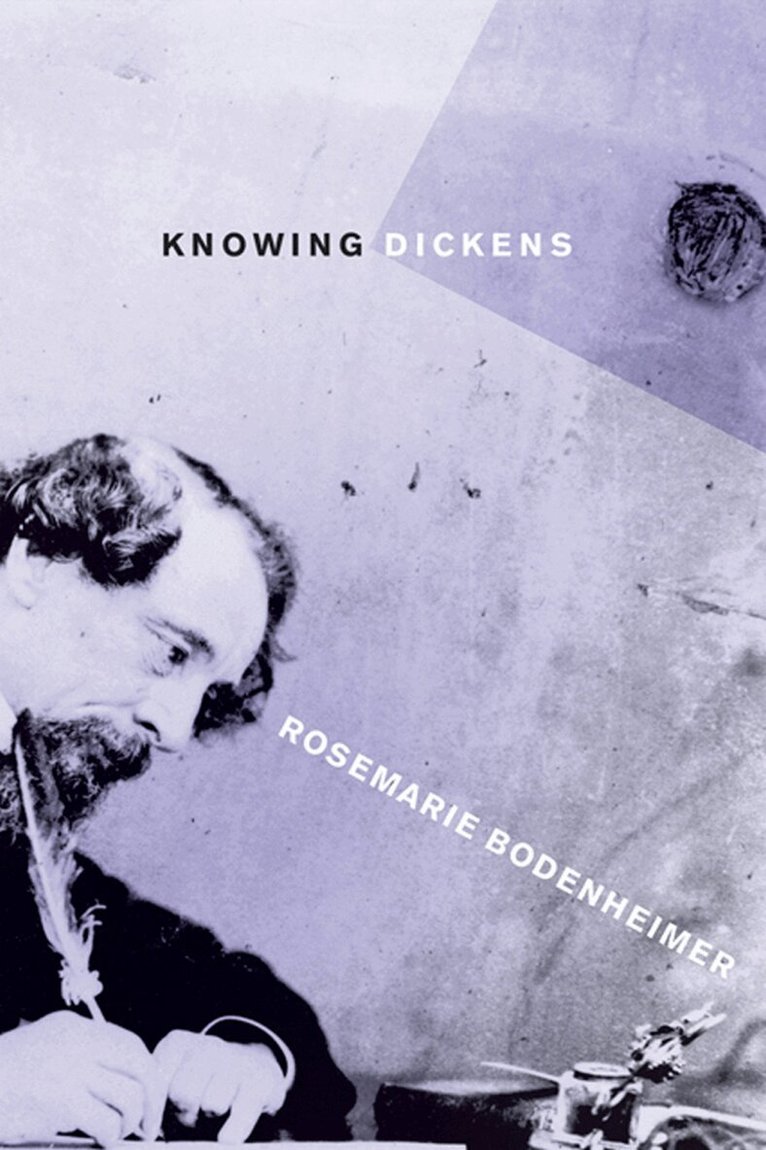
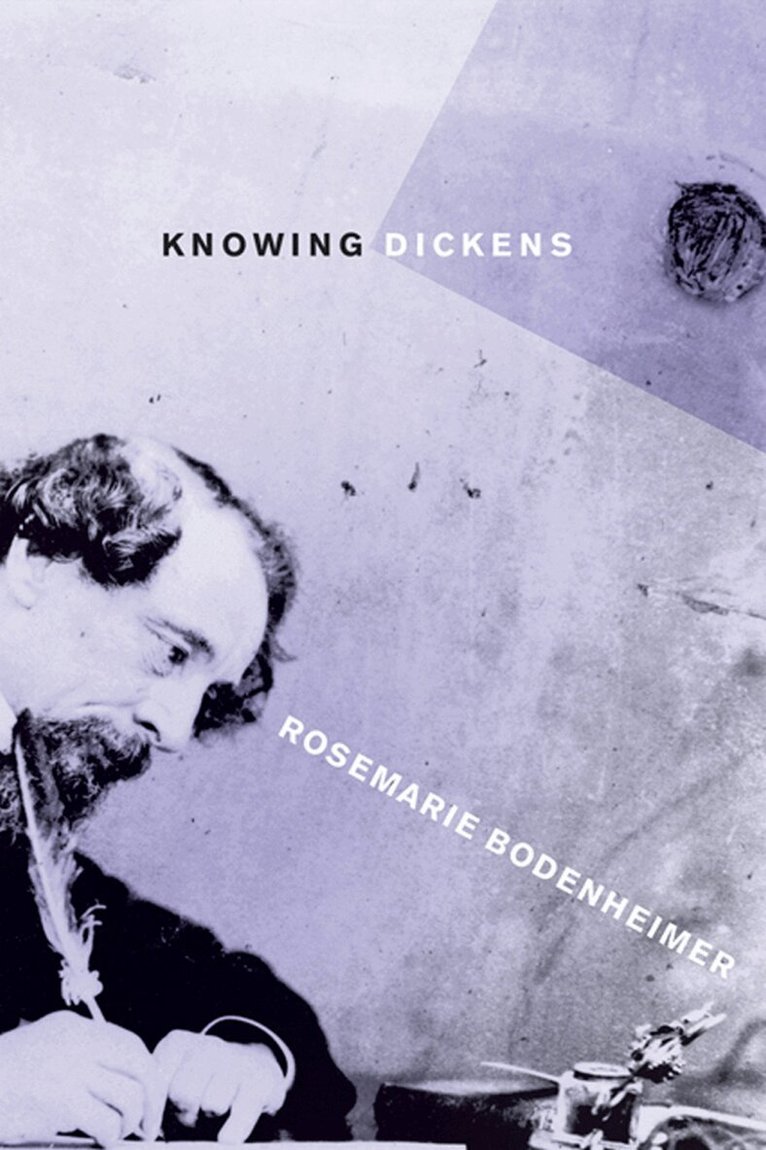
Knowing Dickens
Inbunden, 2007
852 kr
Lägg i varukorg
"A revealing and concealing intelligence lurks somewhere—but where, exactly?—in Dickens's writing. To capture something of that knowing Dickens who eludes us, I follow some representative clusters of thought and feeling that link Dickens's ways of talking in letters with his concerns in fiction and …
Knowing Dickens
Häftad, 2010
511 kr
Lägg i varukorg
"A revealing and concealing intelligence lurks somewhere—but where, exactly?—in Dickens's writing. To capture something of that knowing Dickens who eludes us, I follow some representative clusters of thought and feeling that link Dickens's ways of talking in letters with his concerns in fiction and …
Real Life of Mary Ann Evans
George Eliot, Her Letters and Fiction
Häftad, 1996
577 kr
Lägg i varukorg
Bodenheimer defines the personal paradoxes that helped to shape Eliot's fictional characters and narrative style. Bodenheimer revisits pivotal episodes in Mary Ann Evans's life and career, including the "Holy War" through which she asserted her youthful religious skepticism; her decision to elope …
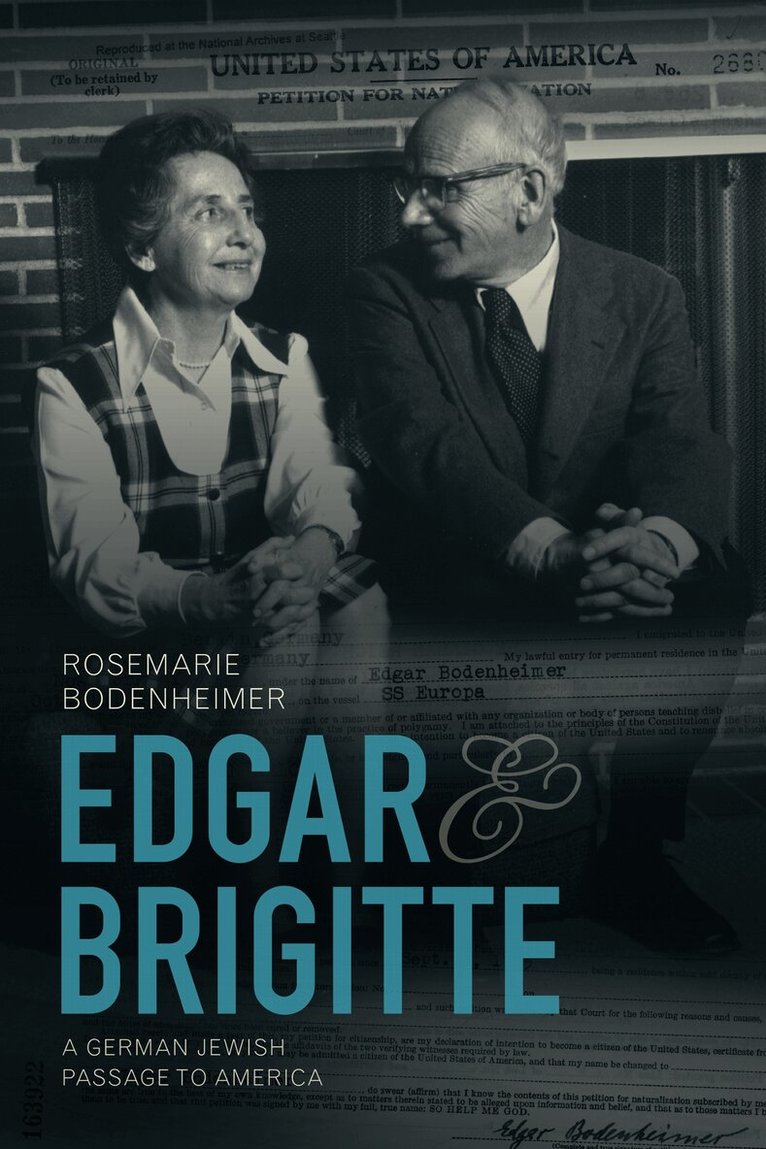
Edgar and Brigitte
A German Jewish Passage to America
E-bok, 2016
1005 kr
Lägg i varukorg
Edgar and Brigitte: A German Jewish Passage to America is the fruit of an extraordinary archive of personal journals, letters, speeches, and published writings left by Edgar and Brigitte Bodenheimer, who emigrated from Nazi Germany in 1933 and became American law professors. More German than …
Edgar and Brigitte
A German Jewish Passage to America
Inbunden, 2016
566 kr
Tillfälligt slut
Edgar and Brigitte: A German Jewish Passage to America is the fruit of an extraordinary archive of personal journals, letters, speeches, and published writings left by Edgar and Brigitte Bodenheimer, who emigrated from Nazi Germany in 1933 and became American law professors. More German than …