Rosie Serdiville - Böcker
Visar alla böcker från författaren Rosie Serdiville. Handla med fri frakt och snabb leverans.
6 produkter
6 produkter
176 kr
Skickas inom 7-10 vardagar
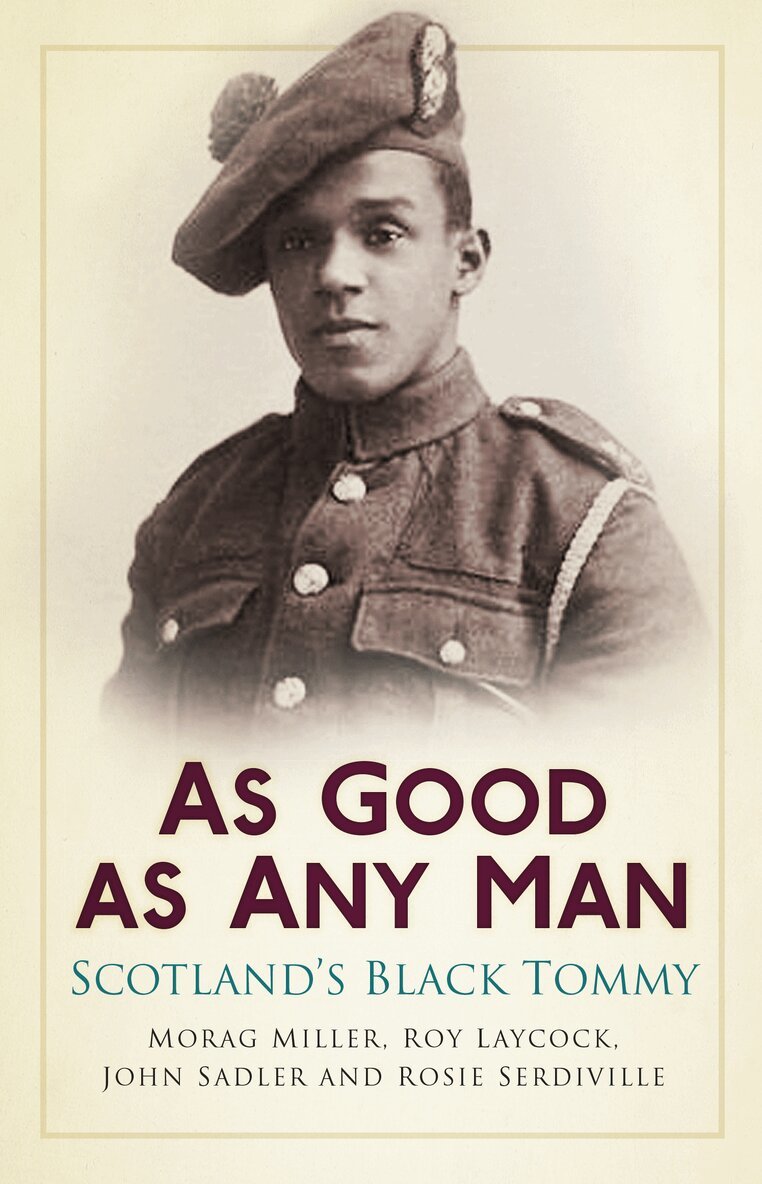
When the harrowing Great War diaries of one of Britain’s first black soldiers were unearthed in a dusty Scottish attic nearly 100 years after they were written, they posed a bit of a mystery. The diary entries – ranging from May 1917 to March 1918 – were written by one Arthur Roberts while he served initially with the King’s Own Scottish Borderers before being transferred to Royal Scots Fusiliers in 1917. He details what life was like for him during the First World War, how he survived the Battle of Passchendaele, and how he escaped unscathed when a German shell killed a dozen men round him. Yet Arthur was an otherwise unknown man – what was the rest of his life like? Now, Morag Miller and Roy Laycock have painstakingly researched Roberts’ life history, filling in the gaps. From his birth in Bristol, to his life in Glasgow and time at the front, they provide here much more than just a war memoir. This is a unique history of one man’s remarkable life. Beautifully illustrated with Roberts’ own accomplished photographs and artwork, As Good As Any Man is the remarkable biography of one of Britain’s black Tommies.
181 kr
Skickas inom 7-10 vardagar
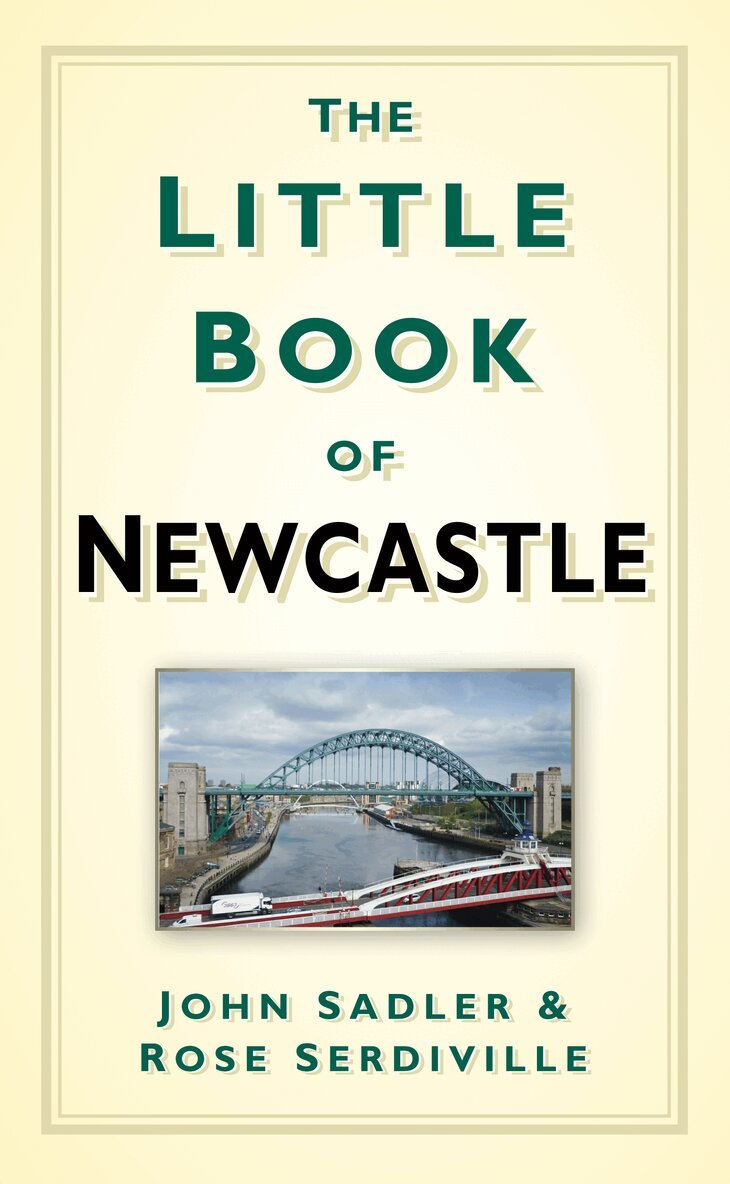
The Little Book of Newcastle is a funny, fast-paced, fact-packed compendium of the sort of frivolous, fantastic or simply strange information which no-one will want to be without. Here we find out about the most unusual crimes and punishments, eccentric inhabitants, famous sons and daughters and literally hundreds of wacky facts (plus some authentically bizarre bits of historic trivia). John Sadler’s new book gathers together a myriad of data on Newcastle. There are lots of factual chapters but also plenty of frivolous details which will amuse and surprise. A reference book and a quirky guide, this can be dipped in to time and time again to reveal something new about the people, the heritage, the secrets and the enduring fascination of the city. A remarkably engaging little book, this is essential reading for visitors and locals alike.
214 kr
Skickas
The Battle of Flodden in 1513 was the largest battle ever to take place between England and Scotland. James IV himself led an army of 30,000 men over the border into England, ostensibly in revenge for the murder of a Scotsman, but in reality to assist their ally the French by diverting the forces of Henry VIII. Yet the Scots were hampered by old-fashioned weapons and tactics, whereas the English deployed more accurate artillery and their vaunted longbowmen. When King James IV was killed while leading a charge, and many of their officers died, the Scots were left in disarray and the English victory was decisive. As the first new history of the battle in a decade, this authoritative and eye-opening account marks the 500th anniversary and brings our knowledge of the conflict up to date. Expert knowledge and detailed maps look at the key events, the 1135 campaign and the minor battles of Millfield and Norham, and a full profile of the respective forces and deployments, and convey the battle’s course concisely and clearly. A key read for those interested in military history or the period in general.
163 kr
Skickas
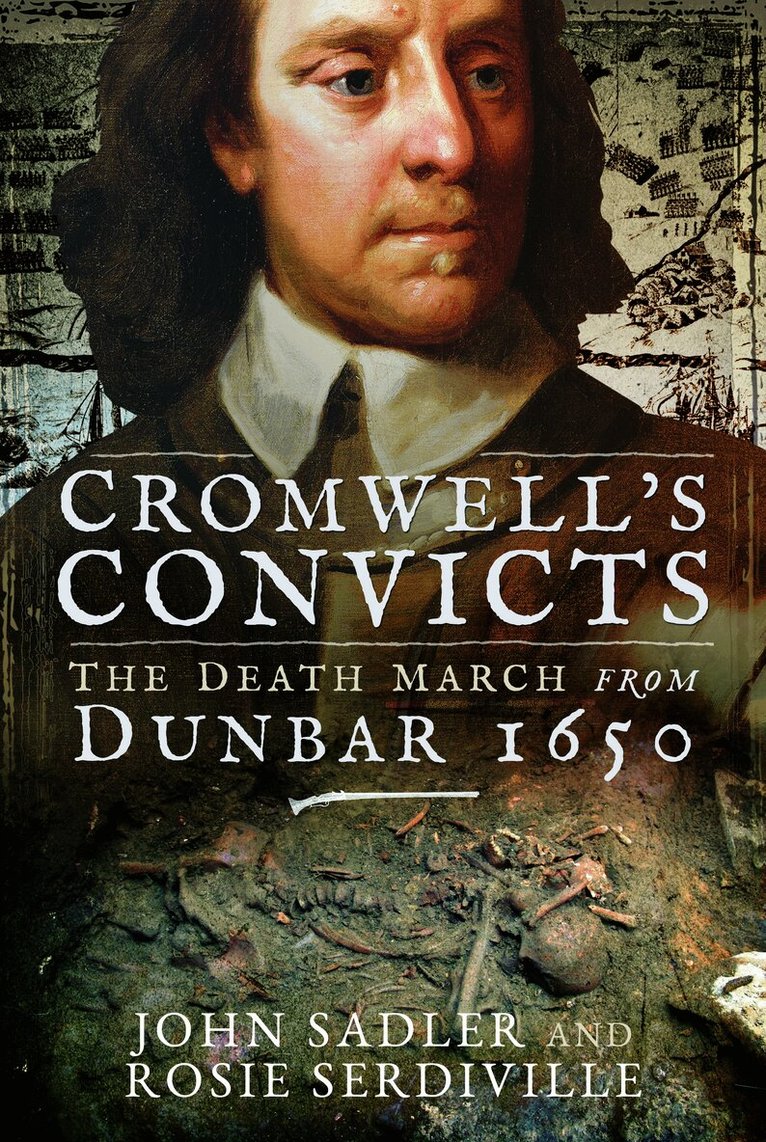
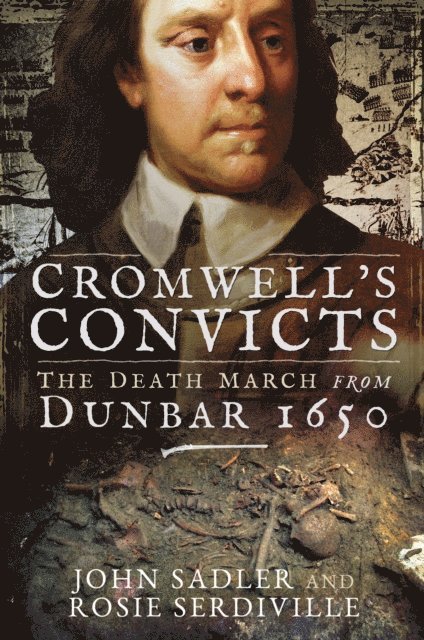
On 3 September 1650 Oliver Cromwell won a decisive victory over the Scottish Covenanters at the Battle of Dunbar – a victory that is often regarded as his finest hour – but the aftermath, the forced march of 5,000 prisoners from the battlefield to Durham, was one of the cruellest episodes in his career.The march took them seven days, without food and with little water, no medical care, the property of a ruthless regime determined to eradicate any possibility of further threat. Those who survived long enough to reach Durham found no refuge, only pestilence and despair. Exhausted, starving and dreadfully weakened, perhaps as many as 1,700 died from typhus and dysentery. Those who survived were condemned to hard labour and enforced exile in conditions of virtual slavery in a harsh new world across the Atlantic.Cromwell's Convicts describes their ordeal in detail and, by using archaeological evidence, brings the story right up to date. John Sadler and Rosie Serdiville describe the battle at Dunbar, but their main focus is on the lethal week-long march of the captives that followed. They make extensive use of archive material, retrace the route taken by the prisoners and describe the recent archaeological excavations in Durham which have identified some of the victims and given us a graphic reminder of their fate.
214 kr
Skickas
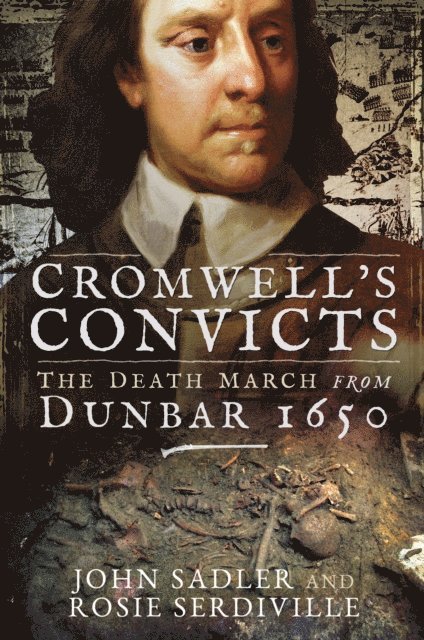
On 3 September 1650 Oliver Cromwell won a decisive victory over the Scottish Covenanters at the Battle of Dunbar - a victory that is often regarded as his finest hour - but the aftermath, the forced march of 5,000 prisoners from the battlefield to Durham, was one of the cruellest episodes in his career.The march took them seven days, without food and with little water, no medical care, the property of a ruthless regime determined to eradicate any possibility of further threat. Those who survived long enough to reach Durham found no refuge, only pestilence and despair. Exhausted, starving and dreadfully weakened, perhaps as many as 1,700 died from typhus and dysentery. Those who survived were condemned to hard labour and enforced exile in conditions of virtual slavery in a harsh new world across the Atlantic.Cromwell's Convicts describes their ordeal in detail and, by using archaeological evidence, brings the story right up to date. John Sadler and Rosie Serdiville describe the battle at Dunbar, but their main focus is on the lethal week-long march of the captives that followed. They make extensive use of archive material, retrace the route taken by the prisoners and describe the recent archaeological excavations in Durham which have identified some of the victims and given us a graphic reminder of their fate.