Rossana Barragán - Böcker
Visar alla böcker från författaren Rossana Barragán. Handla med fri frakt och snabb leverans.
4 produkter
4 produkter
524 kr
Skickas inom 7-10 vardagar
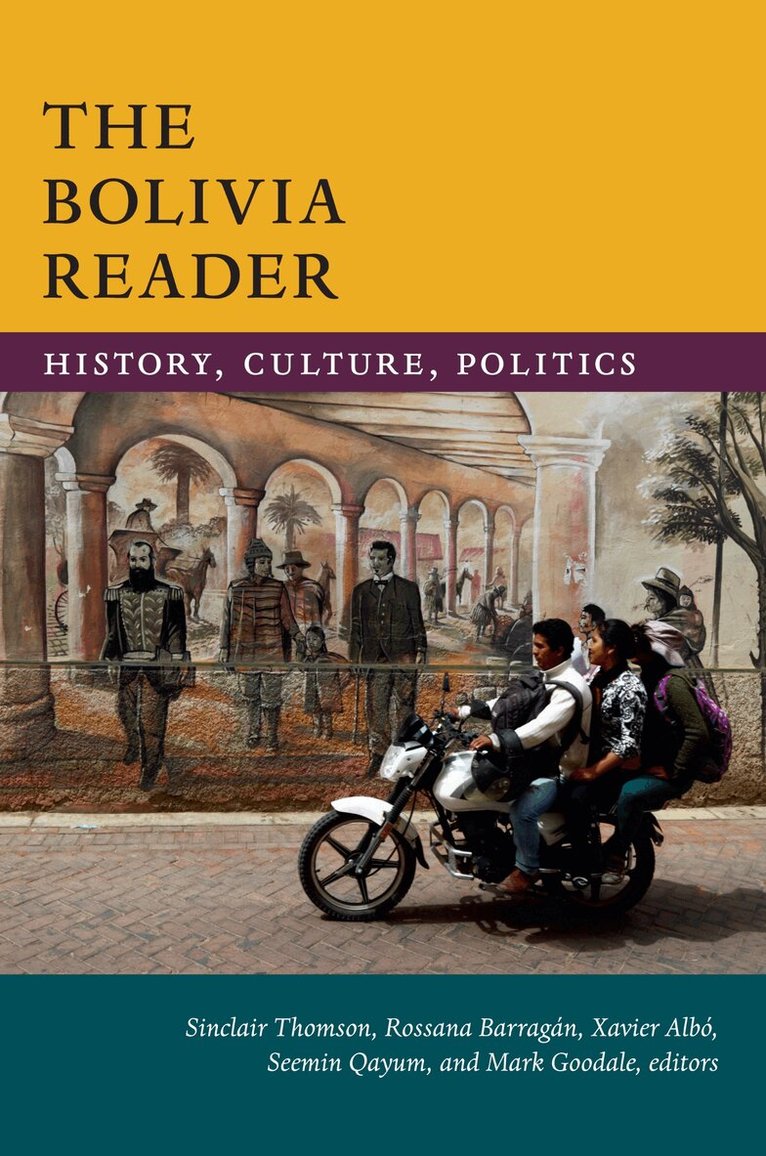
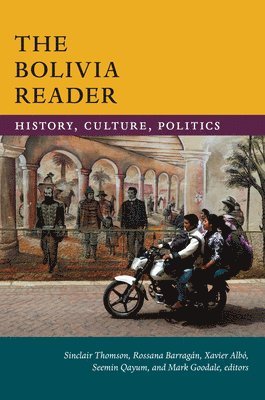
The Bolivia Reader provides a panoramic view, from antiquity to the present, of the history, culture, and politics of a country known for its ethnic and regional diversity, its rich natural resources and dilemmas of economic development, and its political conflict and creativity. Featuring both classic and little-known texts ranging from fiction, memoir, and poetry to government documents, journalism, and political speeches, the volume challenges stereotypes of Bolivia as a backward nation while offering insights into the country's history of mineral extraction, revolution, labor organizing, indigenous peoples' movements, and much more. Whether documenting Inka rule or Spanish conquest, three centuries at the center of Spanish empire, or the turbulent politics and cultural vibrancy of the national period, these sources-the majority of which appear in English for the first time-foreground the voices of actors from many different walks of life. Unprecedented in scope, The Bolivia Reader illustrates the historical depth and contemporary challenges of Bolivia in all their complexity.
1 041 kr
Skickas inom 7-10 vardagar
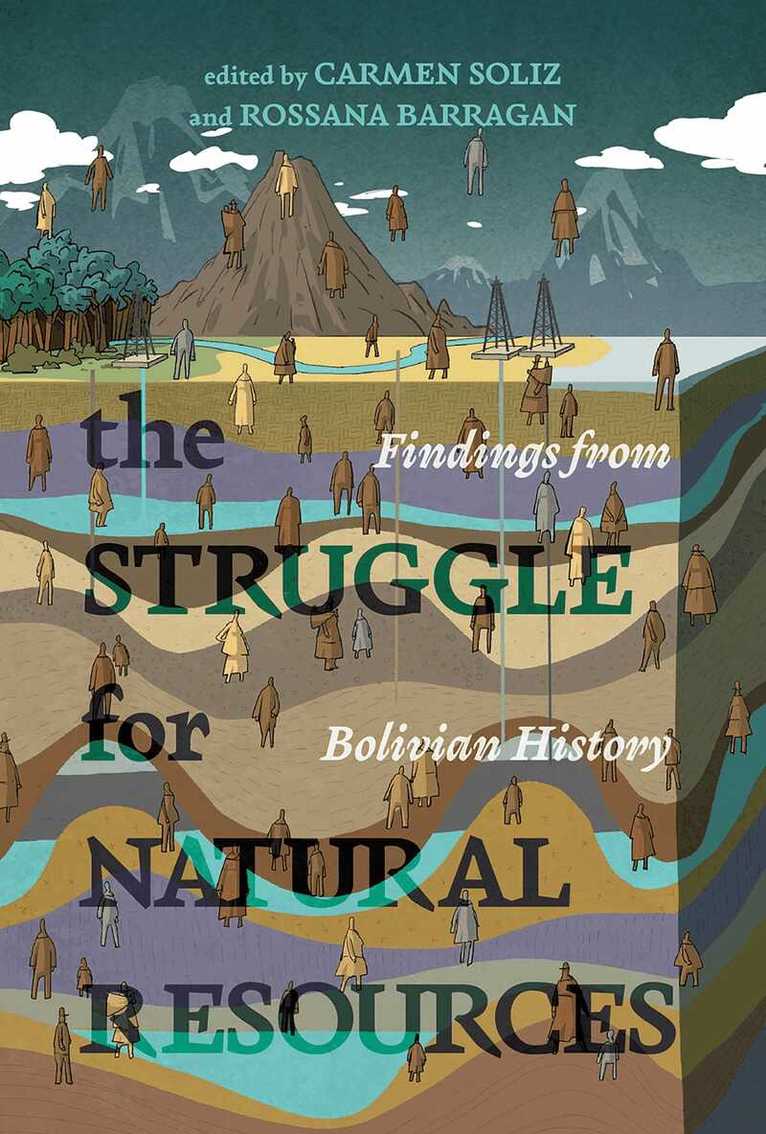
The Struggle for Natural Resources traces the troubled history of Bolivia's land and commodity disputes across five centuries, combining local, regional, national, and transnational scales. Enriched by the extractivism and commodity frontiers approaches to world history, the book treats Bolivia's political struggles over natural resources as long-term processes that outlast immediate political events. Exploration of the Bolivian case invites dialogue and comparison with other parts of the world, particularly regions and countries of the so-called Global South.The book begins by examining three Bolivian resources at the center of political dispute since the early colonial period, namely land, water, and minerals. Carmen Soliz, Rossana Barragán, and Sarah Hines show that, as in the colonial and early republican past, these resources have remained the focus of political contention to the present day. Until the end of the nineteenth century, Bolivia's battle over natural resources was primarily concentrated in the highlands and inter-Andean valleys. Beginning in the 1860s, the bicycle and soon the automobile industries triggered demand for natural rubber found in the heart of the Amazon. José Orsag analyzes the impact of this extractive economy at the turn of the twentieth century. The book concludes by examining two resources that are central to understanding the last century of Bolivia's history. Kevin Young examines the fraught business of hydrocarbons, and Thomas Grisaffi analyzes the coca/cocaine circuit. Each chapter studies the social dynamics and political conflicts that shaped the processes of extraction, exchange, and ownership of each of these resources.
624 kr
Skickas inom 3-6 vardagar
The Struggle for Natural Resources traces the troubled history of Bolivia's land and commodity disputes across five centuries, combining local, regional, national, and transnational scales. Enriched by the extractivism and commodity frontiers approaches to world history, the book treats Bolivia's political struggles over natural resources as long-term processes that outlast immediate political events. Exploration of the Bolivian case invites dialogue and comparison with other parts of the world, particularly regions and countries of the so-called Global South.The book begins by examining three Bolivian resources at the center of political dispute since the early colonial period, namely land, water, and minerals. Carmen Soliz, Rossana Barragán, and Sarah Hines show that, as in the colonial and early republican past, these resources have remained the focus of political contention to the present day. Until the end of the nineteenth century, Bolivia's battle over natural resources was primarily concentrated in the highlands and inter-Andean valleys. Beginning in the 1860s, the bicycle and soon the automobile industries triggered demand for natural rubber found in the heart of the Amazon. José Orsag analyzes the impact of this extractive economy at the turn of the twentieth century. The book concludes by examining two resources that are central to understanding the last century of Bolivia's history. Kevin Young examines the fraught business of hydrocarbons, and Thomas Grisaffi analyzes the coca/cocaine circuit. Each chapter studies the social dynamics and political conflicts that shaped the processes of extraction, exchange, and ownership of each of these resources.
2 797 kr
Skickas inom 5-8 vardagar
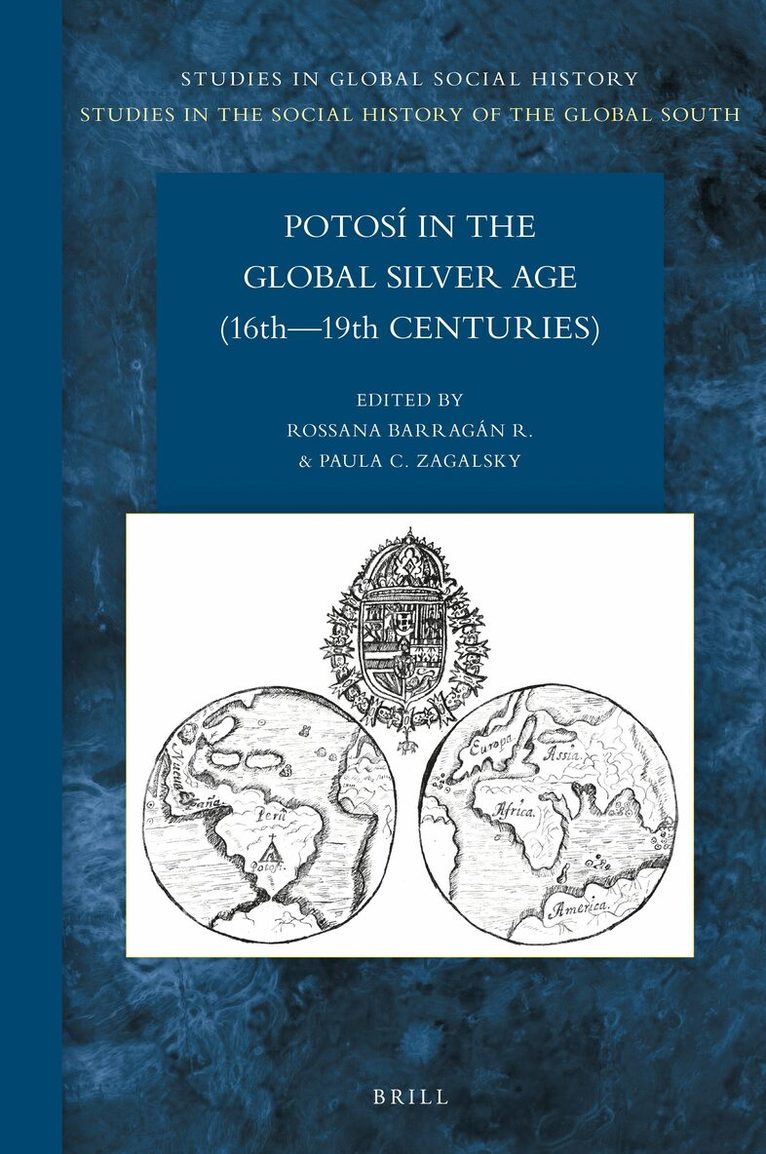
The open access publication of this book has been made possible thanks to the International Institute of Social History – Amsterdam.Potosí (today Bolivia) was the major supplier for the Spanish Empire and for the world and still today boasts the world's single-richest silver deposit. This book explores the political economy of silver production and circulation illuminating a vital chapter in the history of global capitalism. It travels through geology, sacred spaces, and technical knowledge in the first section; environmental history and labor in the second section; silver flows, the heterogeneous world of mining producers, and their agency in the third; and some of the local, regional, and global impacts of Potosí mining in the fourth section. The main focus is on the establishment of a complex infrastructure at the site, its major changes over time, and the new human and environmental landscape that emerged for the production of one of the world´s major commodities: silver. Eleven authors from different countries present their most recent research based on years of archival research, providing the readers with cutting-edge scholarship. Contributors are: Julio Aguilar, James Almeida, Rossana Barragán Romano, Mariano A. Bonialian, Thérèse Bouysse-Cassagne, Kris Lane, Tristan Platt, Renée Raphael, Masaki Sato, Heidi V. Scott, and Paula C. Zagalsky.