Roy Boyd - Böcker
Visar alla böcker från författaren Roy Boyd. Handla med fri frakt och snabb leverans.
3 produkter
3 produkter
1 061 kr
Skickas inom 10-15 vardagar
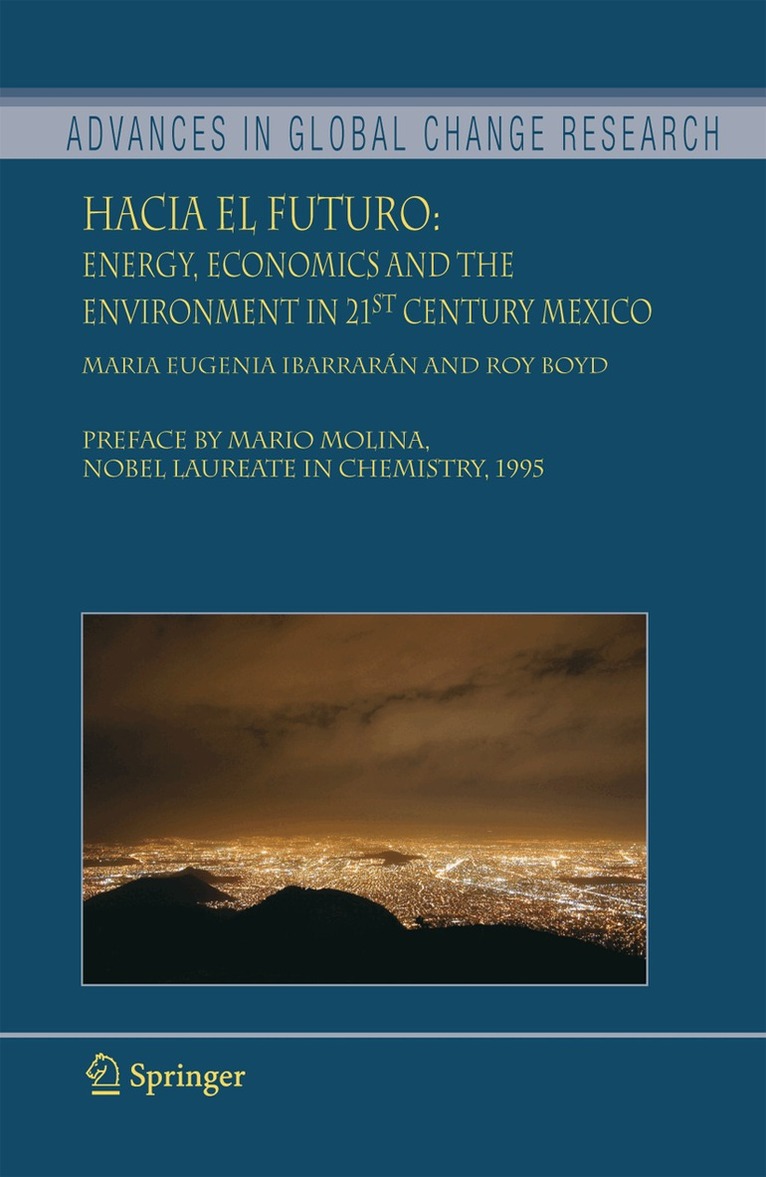
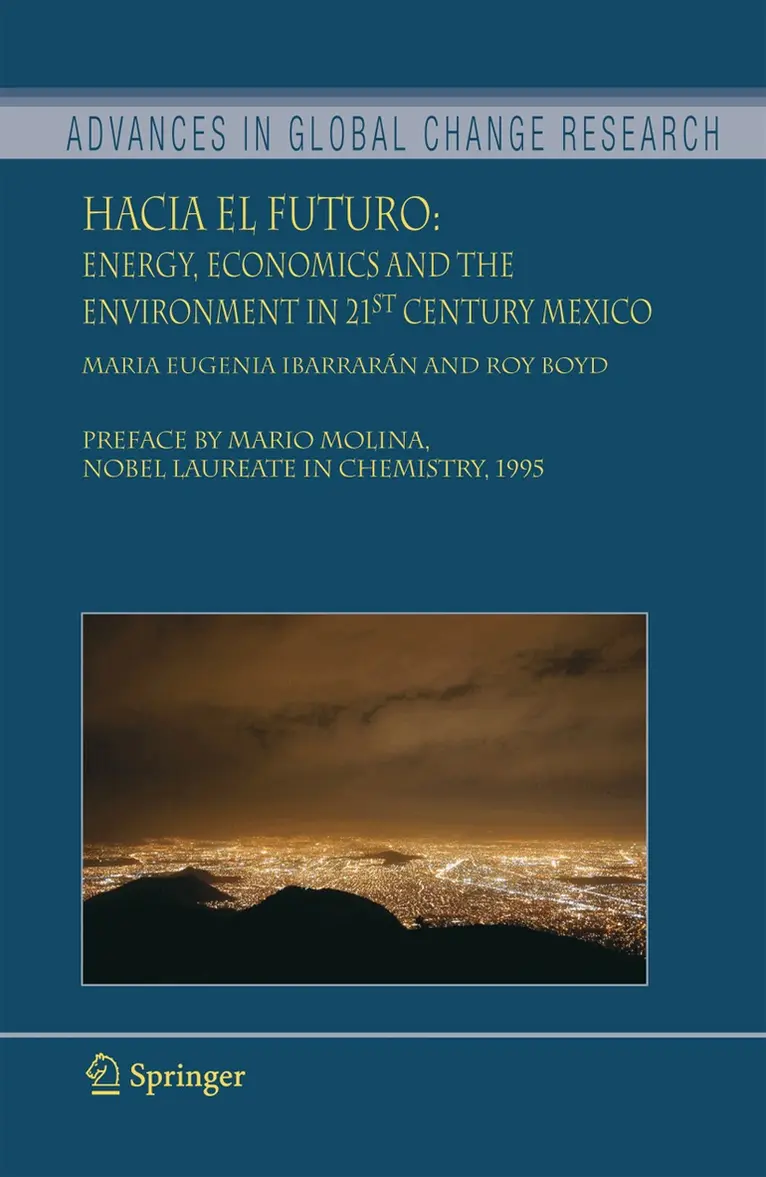
The past 25 years have witnessed an increasing worldwide concern over the issue of climate change and the specter of immense environmental and economic damage which would accompany unmitigated global warming trends. National governments in the industrialized world along with numerous multinational organizations have made a strong case for curbing the use of fossil fuels as an energy source, and agreements such as the Kyoto Protocol have come about largely due to their efforts. Many groups of researchers in both the natural and social sciences have made great strides in understanding this complicated issue. To date, however, the vast majority of climate change literature has addressed the topic from a European, North American, or global perspective, and the implications for developing countries have largely received only cursory treatment. This book represents a major step forward in addressing the issue of climate from the perspective of a country in the developing world. It highlights the climate change concerns for a particular developing country – Mexico, and analyses the economic impacts of different policies designed to mitigate the use of fossil fuels in the context of economic development and growth. The effects of energy pricing policies, technological change, carbon sequestration, and tradable permits are all economically modeled and discussed at length by the authors. Of particular interest are the issues that these authors raise for policy makers, such as the tradeoffs between environmental concerns, economic growth, and income distribution.
1 113 kr
Skickas inom 7-10 vardagar
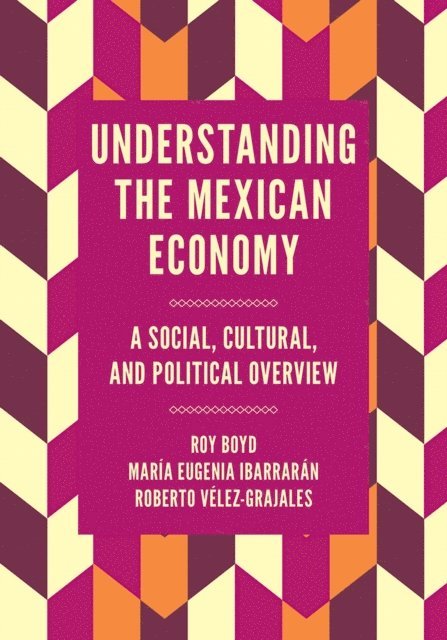
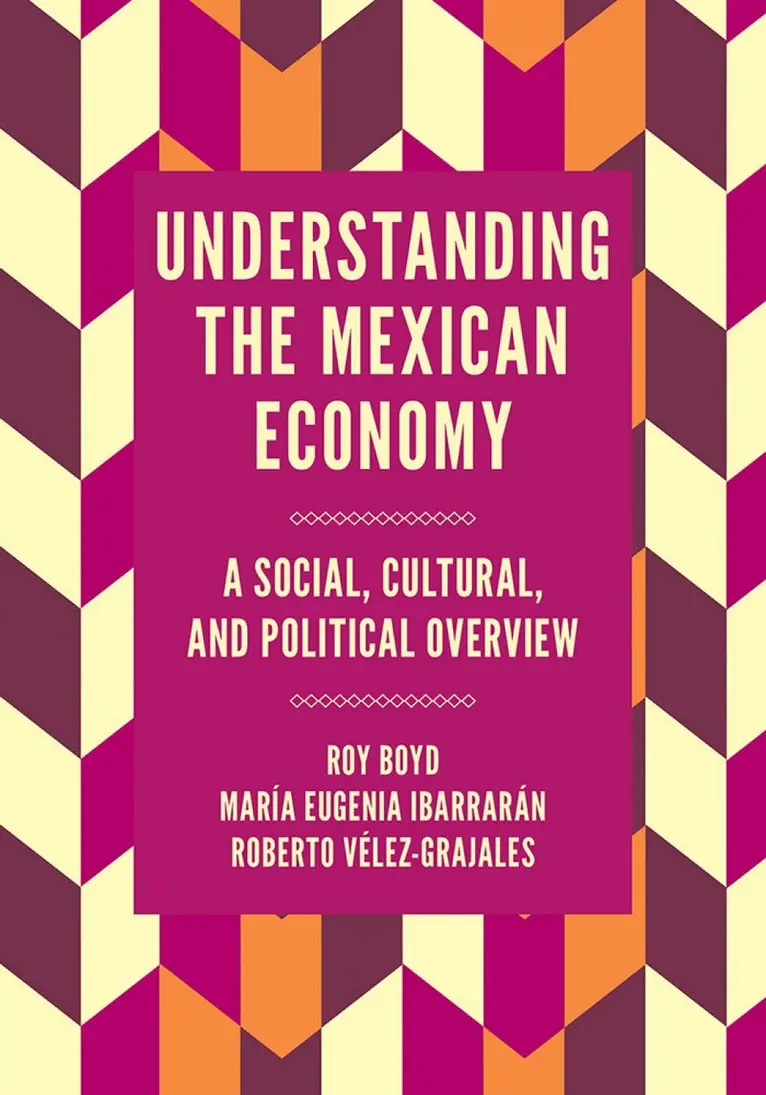
The Mexican economy is a contemporary political flashpoint, and not just in Mexico, but in the United States, as well. Yet few people understand it in its full complexity, and fewer still understand the social, cultural, and historical factors that have helped to make it what it is today and that will continue to affect its future.In Understanding the Mexican Economy, Roy Boyd, Maria Eugenia Ibarrarán, and Roberto Vélez-Grajales offer a comprehensive overview of these factors. They provide a full, historical, economic, and political context through which to understand the actions of the people and government of Mexico, and they give insights into how those actions impinge -- and might continue to impinge -- on the United States. They conduct a wide-ranging examination of the Mexican economy and investigate the causes of persistent problems such as economic stagnation, high poverty levels, and emigration abroad. Stressing the critical role played by economic incentives as well as Mexico's geography and political institutions, they employ a number of modeling techniques, including a specially designed computer model, to discuss a variety of topics including international trade, regional inequality, the informal economy, natural resource extraction, Mexico's "war on drugs," and the economic impact of US trade and immigration policy on both Mexico and the US. For its comprehensive overview and the new insights it provides into these crucial and yet often tragically misunderstood issues, Understanding the Mexican Economy is essential reading not only for economists, but also for practitioners with a policy interest in Mexico, for students of Latin American studies, Development Studies, geography, and sociology, and for anyone with an interest in recent events and controversies around US-Mexican relations.
1 061 kr
Skickas inom 10-15 vardagar
The past 25 years have witnessed an increasing worldwide concern over the issue of climate change and the specter of immense environmental and economic damage which would accompany unmitigated global warming trends. National governments in the industrialized world along with numerous multinational organizations have made a strong case for curbing the use of fossil fuels as an energy source, and agreements such as the Kyoto Protocol have come about largely due to their efforts. Many groups of researchers in both the natural and social sciences have made great strides in understanding this complicated issue. To date, however, the vast majority of climate change literature has addressed the topic from a European, North American, or global perspective, and the implications for developing countries have largely received only cursory treatment. This book represents a major step forward in addressing the issue of climate from the perspective of a country in the developing world. It highlights the climate change concerns for a particular developing country – Mexico, and analyses the economic impacts of different policies designed to mitigate the use of fossil fuels in the context of economic development and growth. The effects of energy pricing policies, technological change, carbon sequestration, and tradable permits are all economically modeled and discussed at length by the authors. Of particular interest are the issues that these authors raise for policy makers, such as the tradeoffs between environmental concerns, economic growth, and income distribution.