Royal African Society - Böcker
Visar alla böcker från författaren Royal African Society. Handla med fri frakt och snabb leverans.
4 produkter
4 produkter
350 kr
Skickas inom 5-8 vardagar
182 kr
Skickas inom 5-8 vardagar
187 kr
Skickas
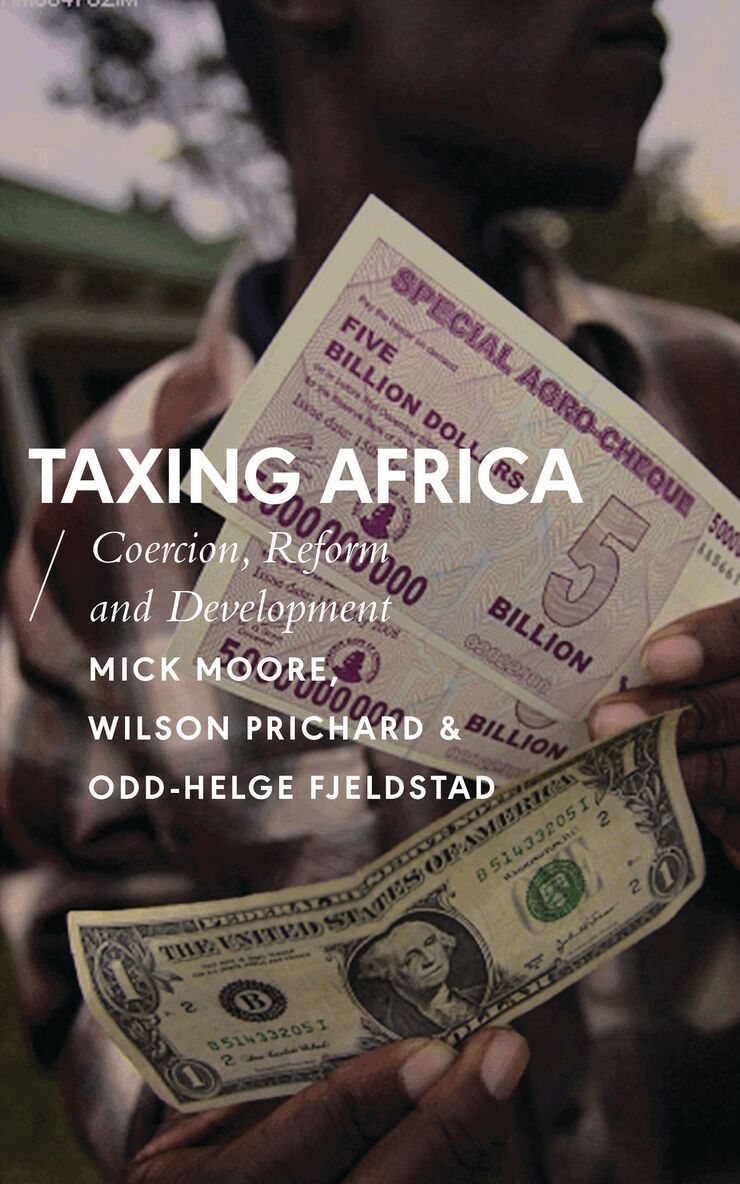
Taxation has been seen as the domain of charisma-free accountants, lawyers and number crunchers – an unlikely place to encounter big societal questions about democracy, equity or good governance. Yet it is exactly these issues that pervade conversations about taxation among policymakers, tax collectors, civil society activists, journalists and foreign aid donors in Africa today. Tax has become viewed as central to African development.Written by leading international experts, Taxing Africa offers a cutting-edge analysis on all aspects of the continent’s tax regime, displaying the crucial role such arrangements have on attempts to create social justice and push economic advancement. From tax evasion by multinational corporations and African elites to how ordinary people navigate complex webs of ‘informal’ local taxation, the book examines the potential for reform, and how space might be created for enabling locally-led strategies.The eBook editions of this book are available open access under a CC BY-NC 3.0 licence on bloomsburycollections.com.
203 kr
Skickas inom 7-10 vardagar
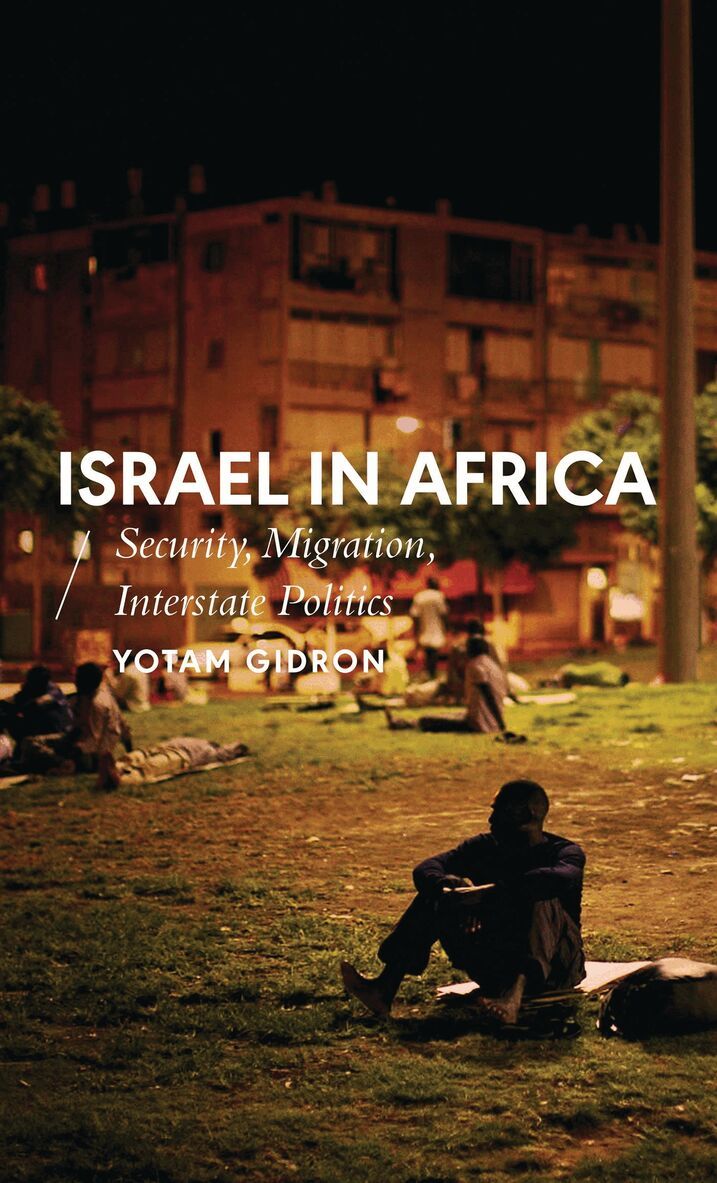
Amidst the turmoil of the Middle East, few have noticed the extent to which Israel has slowly but surely been building alliances on the African continent. Facing a growing international backlash, Israel has had to look beyond its traditional Western allies for support, and many African governments in turn have been happy to receive Israeli political support, security assistance, investments and technology. But what do these relationships mean for Africa, and for wider geopolitics?With an examination of Africa’s authoritarian development politics, the rise of Born-Again Christianity and of Israel’s thriving high-tech and arms industries, from the Israeli-Palestinian conflict to the migration of Africans to Israel and back again, Gidron provides a comprehensive analysis of the various forces and actors shaping Israel’s controversial relationships with countries on the continent. In particular, the book demonstrates that Israel’s interest in Africa forms part of a wider diplomatic effort, aimed at blocking Palestine’s pursuit of international recognition. Though the scale of Israeli-African engagements has been little appreciated until now, the book reveals how contemporary African and Middle Eastern politics and societies interact and impact each other in profound ways.