Rudolf Mrázek – författare
Visar alla böcker från författaren Rudolf Mrázek. Handla med fri frakt och snabb leverans.
11 produkter
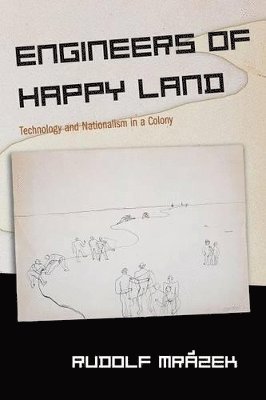
Engineers of Happy Land
Technology and Nationalism in a Colony
Häftad, 2002
1073 kr
Lägg i varukorg
Based on close reading of historical documents--poetry as much as statistics--and focused on the conceptualization of technology, this book is an unconventional evocation of late colonial Netherlands East Indies (today Indonesia). In considering technology and the ways that people use and think …
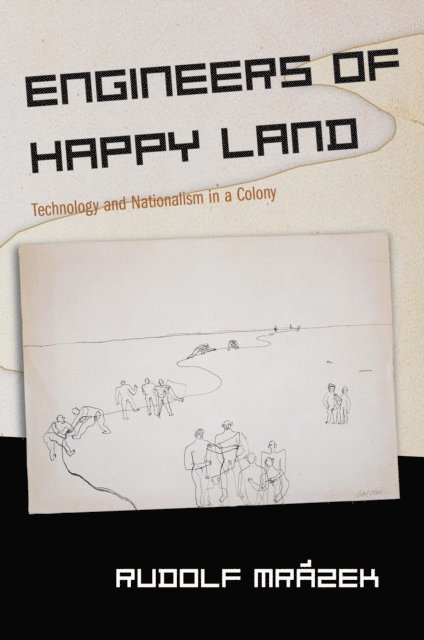
Engineers of Happy Land
Technology and Nationalism in a Colony
E-bok, 2018
785 kr
Lägg i varukorg
Based on close reading of historical documents--poetry as much as statistics--and focused on the conceptualization of technology, this book is an unconventional evocation of late colonial Netherlands East Indies (today Indonesia). In considering technology and the ways that people use and think …
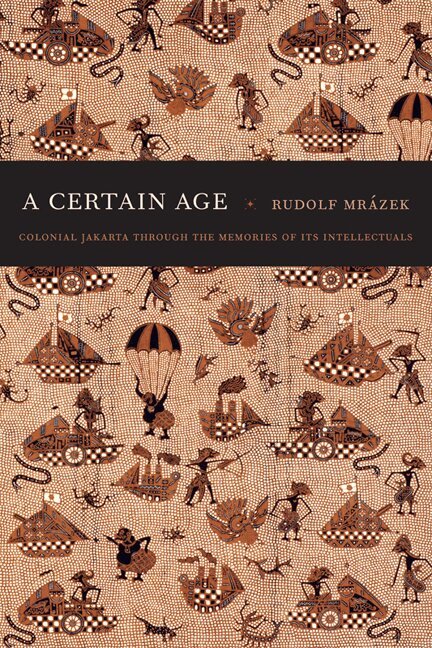
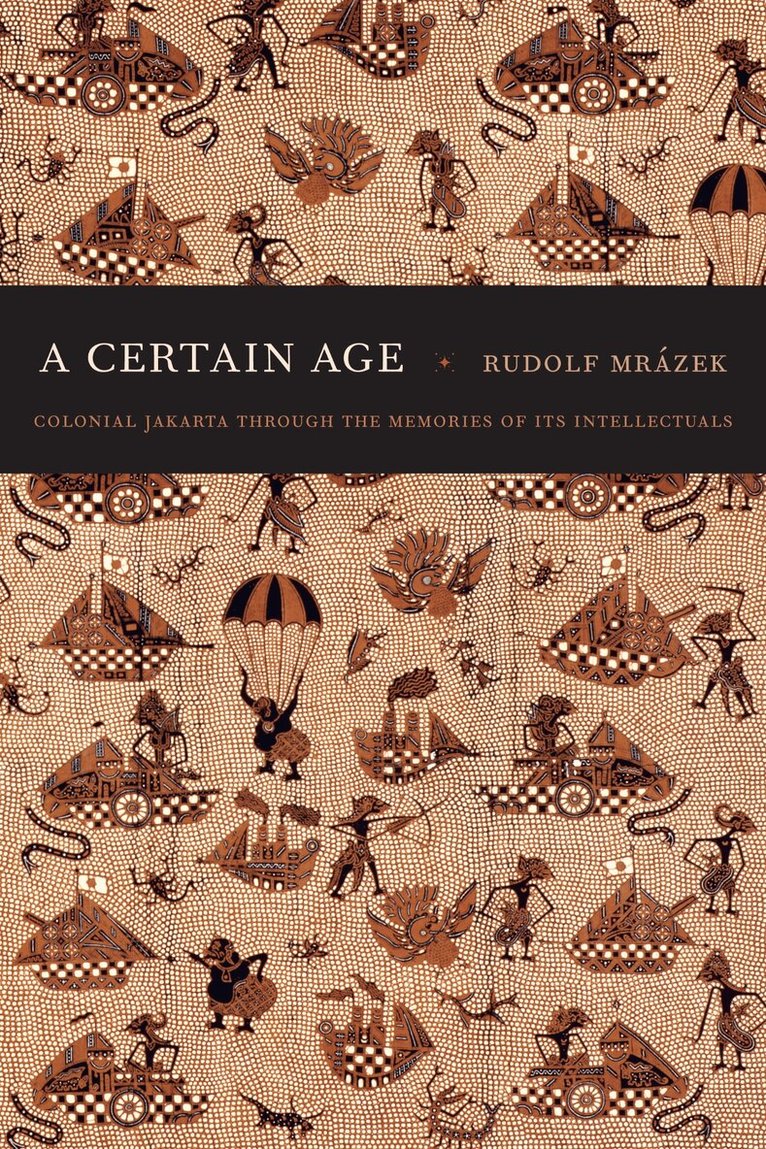
Certain Age
Colonial Jakarta Through the Memories of Its Intellectuals
Häftad, 2010
396 kr
Lägg i varukorg
A Certain Age is an unconventional, evocative work of history and a moving reflection on memory, modernity, space, time, and the limitations of traditional historical narratives. Rudolf MrÁzek visited Indonesia throughout the 1990s, recording lengthy interviews with elderly intellectuals in and …
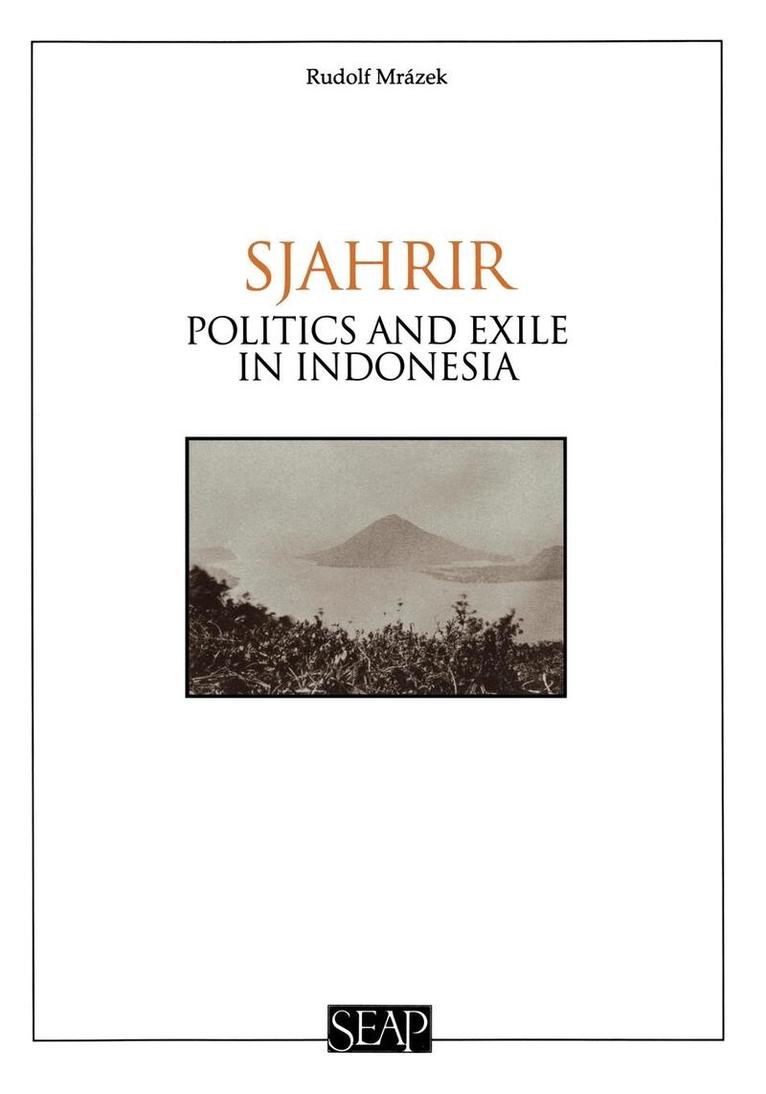
Sjahrir
Politics and Exile in Indonesia
Häftad, 1994
517 kr
Lägg i varukorg
A comprehensive biography of the Indonesian nationalist leader and Prime Minister of the Indonesian Republic, Sutan Sjahrir. This work is both a study of an individual and the social conditions that shaped him. The author has conducted extensive research and interviews with those who knew Sjahrir …
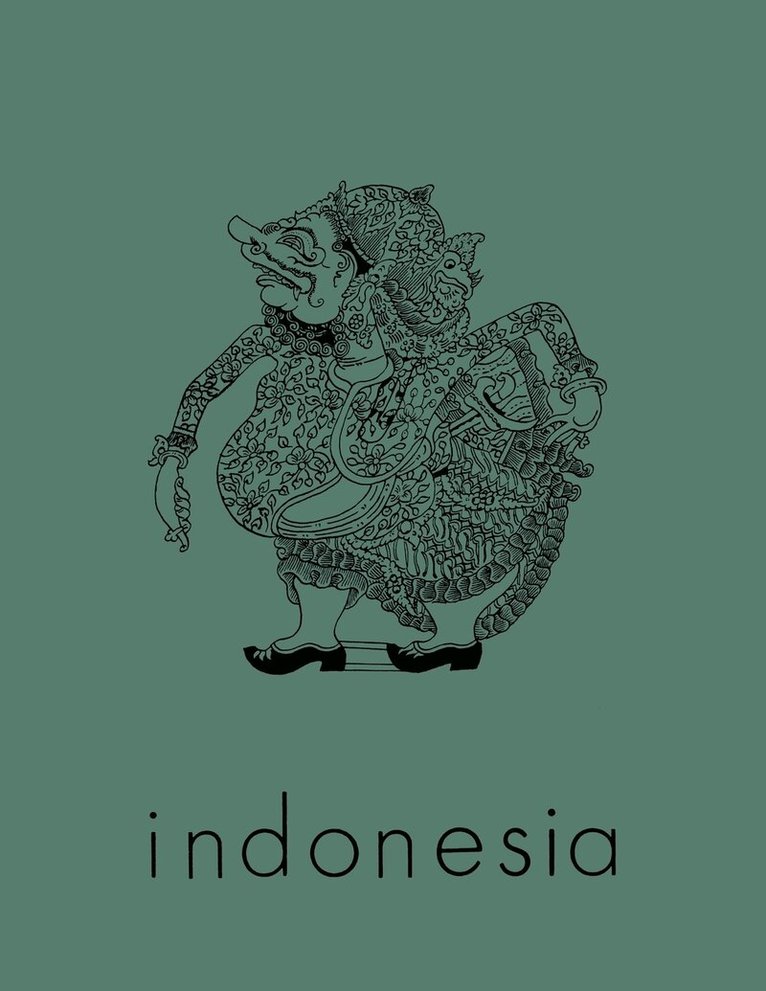
Indonesia Journal, October 1969, Volume 8
October 1969
Av Benedict R. O'G. Anderson, Elizabeth E. Graves m. fl.
Häftad, 2017
342 kr
Lägg i varukorg
Indonesia is a semi-annual journal devoted to the timely study of Indonesia's culture, history, government, economy, and society. It features original scholarly articles, interviews, translations, and book reviews. Published by Cornell University's Southeast Asia Program since April 1966, the …
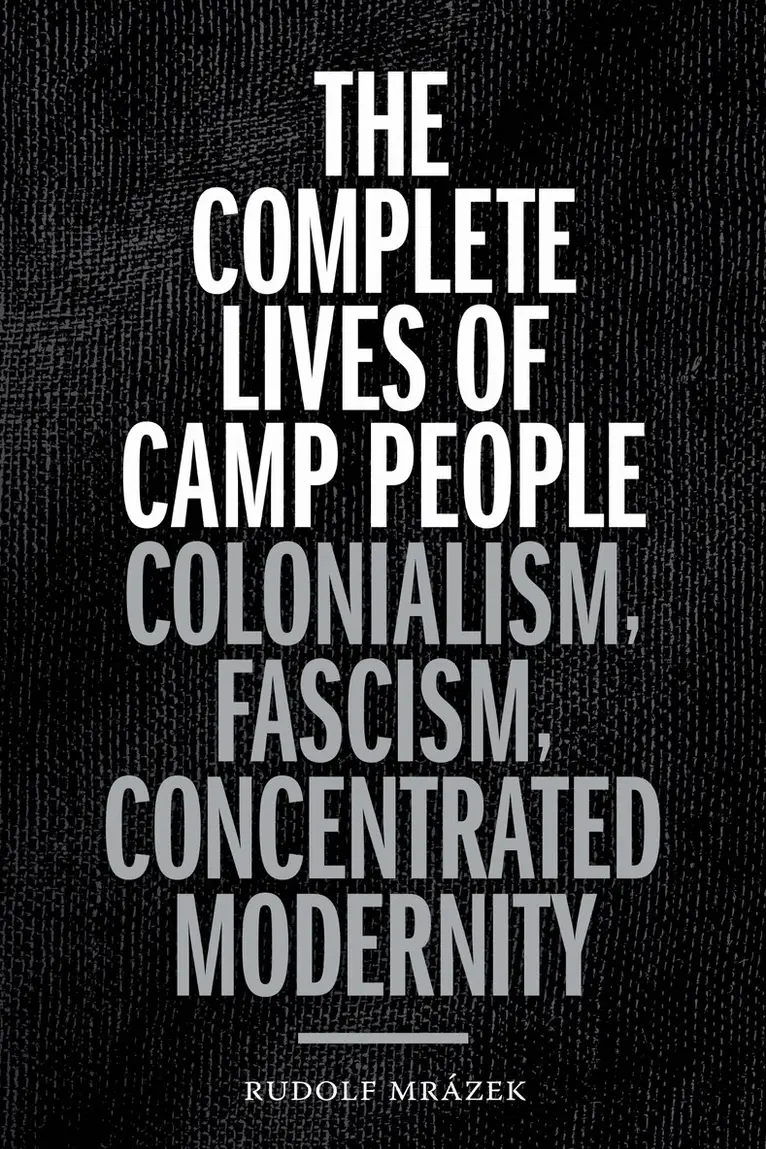
Complete Lives of Camp People
Colonialism, Fascism, Concentrated Modernity
Inbunden, 2020
1851 kr
Lägg i varukorg
In The Complete Lives of Camp People Rudolf MrÁzek presents a sweeping study of the material and cultural lives of twentieth-century concentration camp internees and the multiple ways in which their experiences speak to the fundamental logics of modernity. MrÁzek focuses on the minutiae of daily …
Complete Lives of Camp People
Colonialism, Fascism, Concentrated Modernity
Häftad, 2020
455 kr
Lägg i varukorg
In The Complete Lives of Camp People Rudolf MrÁzek presents a sweeping study of the material and cultural lives of twentieth-century concentration camp internees and the multiple ways in which their experiences speak to the fundamental logics of modernity. MrÁzek focuses on the minutiae of daily …
Complete Lives of Camp People
Colonialism, Fascism, Concentrated Modernity
E-bok, 2020
671 kr
Lägg i varukorg
In The Complete Lives of Camp People Rudolf Mrázek presents a sweeping study of the material and cultural lives of twentieth-century concentration camp internees and the multiple ways in which their experiences speak to the fundamental logics of modernity. Mrázek focuses on the minutiae of daily …
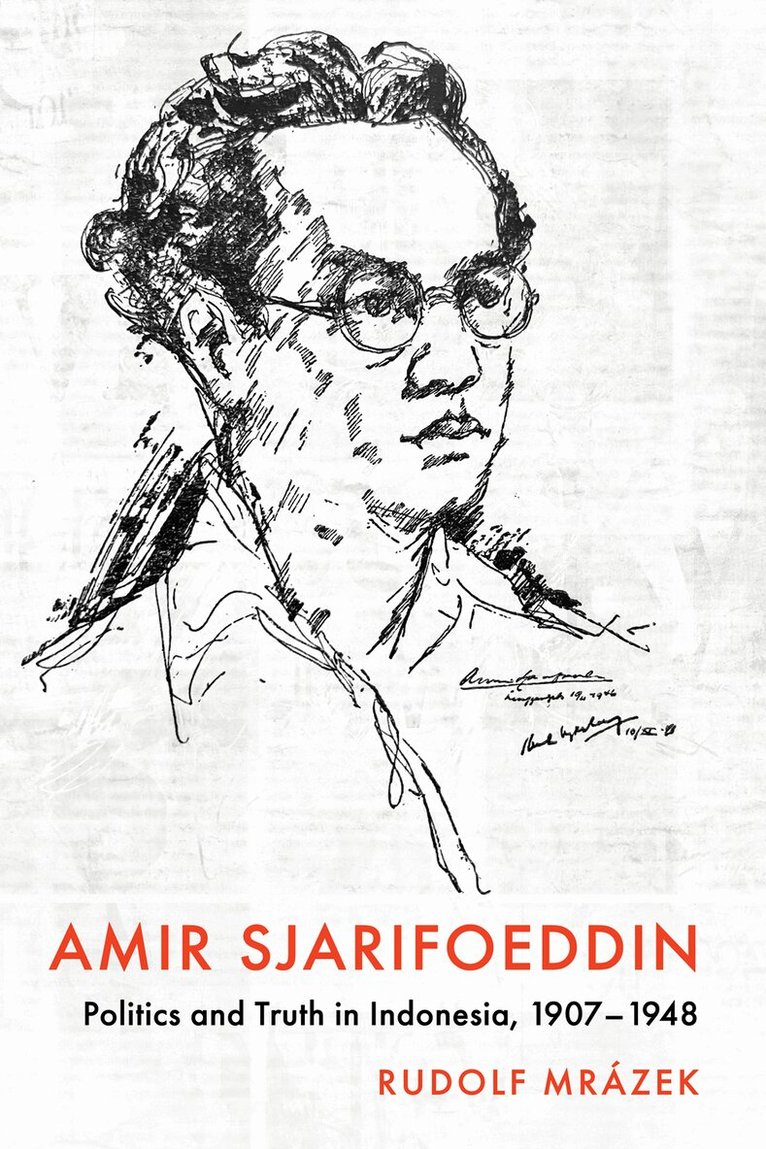
Amir Sjarifoeddin
Politics and Truth in Indonesia, 1907-1948
Inbunden, 2024
1746 kr
Lägg i varukorg
Amir Sjarifoeddin explores the experiences of a central figure in the Indonesian revolution, whose life mirrored the idealism and contradictions of the anti-colonial and post-war world of twentieth century Indonesia. Amir was born at the edge of an empire in a time of change. Imprisoned by the …
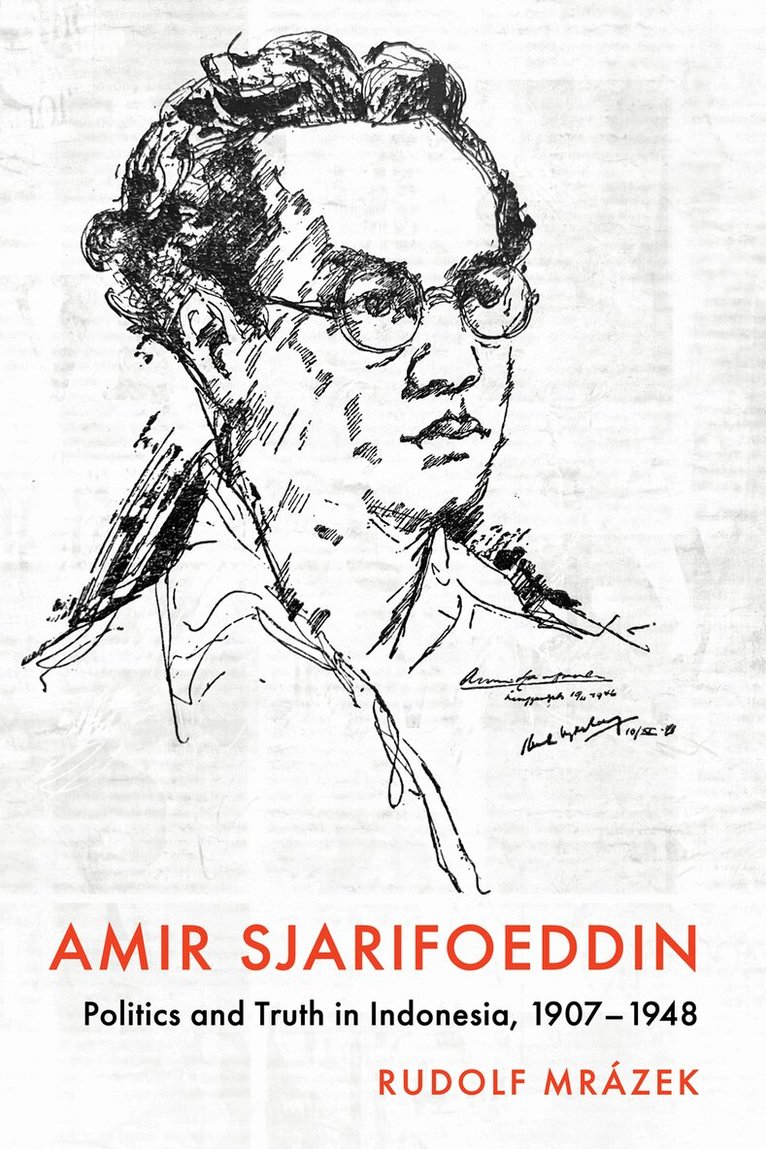
Amir Sjarifoeddin
Politics and Truth in Indonesia, 1907-1948
Häftad, 2024
472 kr
Lägg i varukorg
Amir Sjarifoeddin explores the experiences of a central figure in the Indonesian revolution, whose life mirrored the idealism and contradictions of the anti-colonial and post-war world of twentieth century Indonesia. Amir was born at the edge of an empire in a time of change. Imprisoned by the …
Certain Age
Colonial Jakarta Through the Memories of Its Intellectuals
Inbunden, 2010
1620 kr
Tillfälligt slut
A Certain Age is an unconventional, evocative work of history and a moving reflection on memory, modernity, space, time, and the limitations of traditional historical narratives. Rudolf MrÁzek visited Indonesia throughout the 1990s, recording lengthy interviews with elderly intellectuals in and …