Russell E. Gmirkin – författare
Visar alla böcker från författaren Russell E. Gmirkin. Handla med fri frakt och snabb leverans.
8 produkter
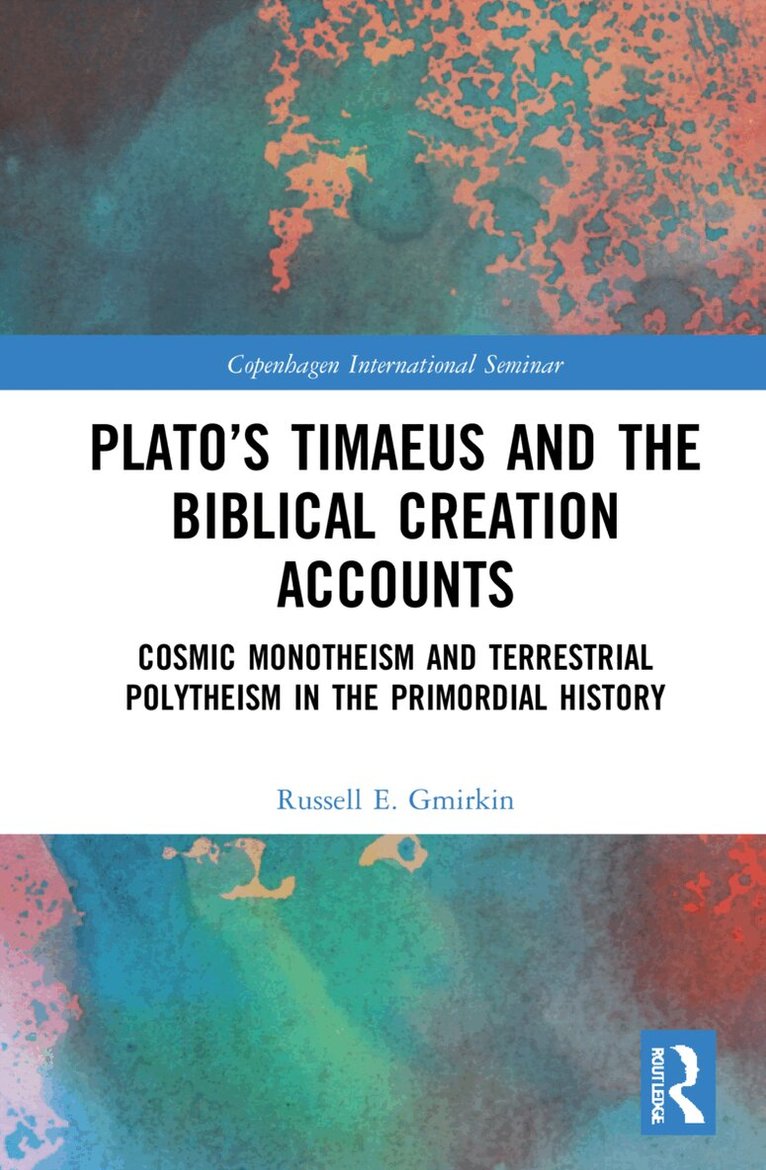
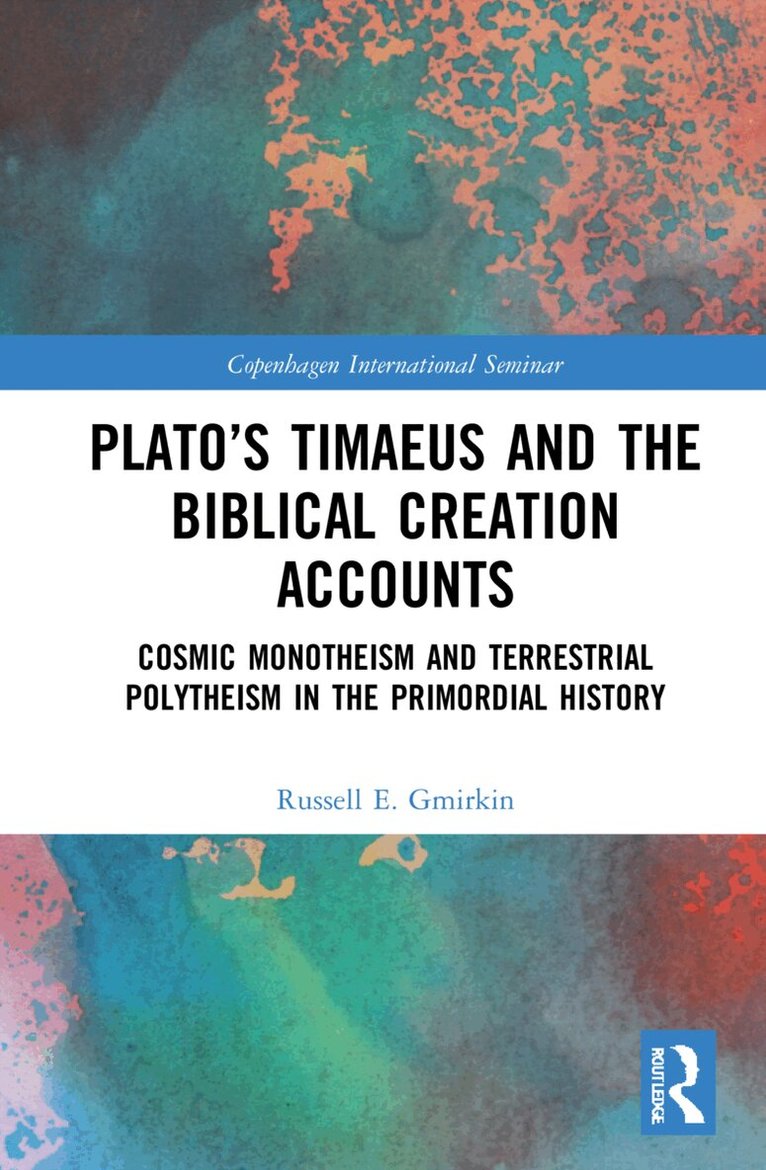
Plato’s Timaeus and the Biblical Creation Accounts
Cosmic Monotheism and Terrestrial Polytheism in the Primordial History
Häftad, 2024
648 kr
Lägg i varukorg
Plato’s Timaeus and the Biblical Creation Accounts argues that the creation of the world in Genesis 1 and the story of the first humans in Genesis 2-3 both draw directly on Plato’s famous account of the origins of the universe, mortal life and evil containing equal parts science, theology and myth. …
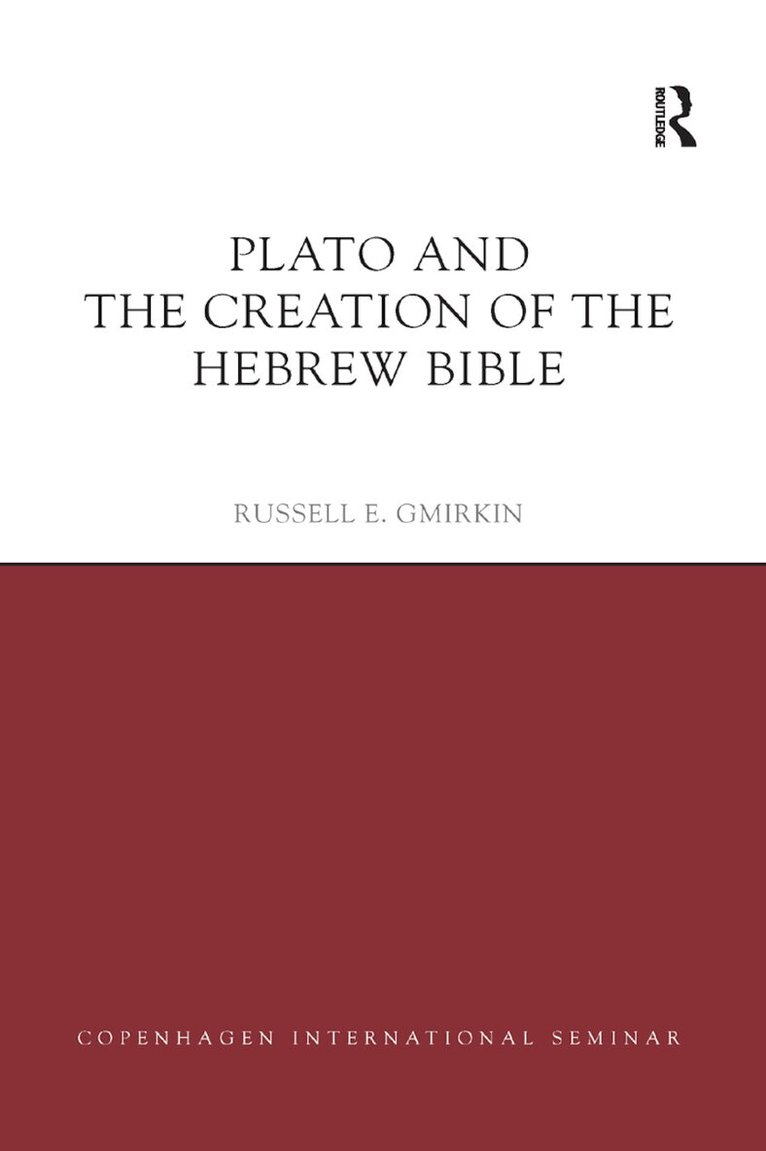
Plato and the Creation of the Hebrew Bible
Häftad, 2019
735 kr
Lägg i varukorg
Plato and the Creation of the Hebrew Bible for the first time compares the ancient law collections of the Ancient Near East, the Greeks and the Pentateuch to determine the legal antecedents for the biblical laws. Following on from his 2006 work, Berossus and Genesis, Manetho and Exodus, Gmirkin …
Plato's Timaeus and the Biblical Creation Accounts
Cosmic Monotheism and Terrestrial Polytheism in the Primordial History
E-bok, 2022
762 kr
Lägg i varukorg
Plato’s Timaeus and the Biblical Creation Accounts argues that the creation of the world in Genesis 1 and the story of the first humans in Genesis 2-3 both draw directly on Plato’s famous account of the origins of the universe, mortal life and evil containing equal parts science, theology and myth. …
Plato's Timaeus and the Biblical Creation Accounts
Cosmic Monotheism and Terrestrial Polytheism in the Primordial History
E-bok, 2022
746 kr
Lägg i varukorg
Plato’s Timaeus and the Biblical Creation Accounts argues that the creation of the world in Genesis 1 and the story of the first humans in Genesis 2-3 both draw directly on Plato’s famous account of the origins of the universe, mortal life and evil containing equal parts science, theology and myth. …
Plato’s Timaeus and the Biblical Creation Accounts
Cosmic Monotheism and Terrestrial Polytheism in the Primordial History
Inbunden, 2022
2520 kr
Lägg i varukorg
Plato’s Timaeus and the Biblical Creation Accounts argues that the creation of the world in Genesis 1 and the story of the first humans in Genesis 2-3 both draw directly on Plato’s famous account of the origins of the universe, mortal life and evil containing equal parts science, theology and myth. …
Plato and the Creation of the Hebrew Bible
E-bok, 2016
779 kr
Lägg i varukorg
Plato and the Creation of the Hebrew Bible for the first time compares the ancient law collections of the Ancient Near East, the Greeks and the Pentateuch to determine the legal antecedents for the biblical laws. Following on from his 2006 work, Berossus and Genesis, Manetho and Exodus , Gmirkin …
Plato and the Creation of the Hebrew Bible
E-bok, 2016
779 kr
Lägg i varukorg
Plato and the Creation of the Hebrew Bible for the first time compares the ancient law collections of the Ancient Near East, the Greeks and the Pentateuch to determine the legal antecedents for the biblical laws. Following on from his 2006 work, Berossus and Genesis, Manetho and Exodus , Gmirkin …
Plato and the Creation of the Hebrew Bible
Inbunden, 2016
2750 kr
Lägg i varukorg
Plato and the Creation of the Hebrew Bible for the first time compares the ancient law collections of the Ancient Near East, the Greeks and the Pentateuch to determine the legal antecedents for the biblical laws. Following on from his 2006 work, Berossus and Genesis, Manetho and Exodus, Gmirkin …