Ruth Bernard Yeazell - Böcker
Visar alla böcker från författaren Ruth Bernard Yeazell. Handla med fri frakt och snabb leverans.
6 produkter
6 produkter
658 kr
Skickas inom 5-8 vardagar
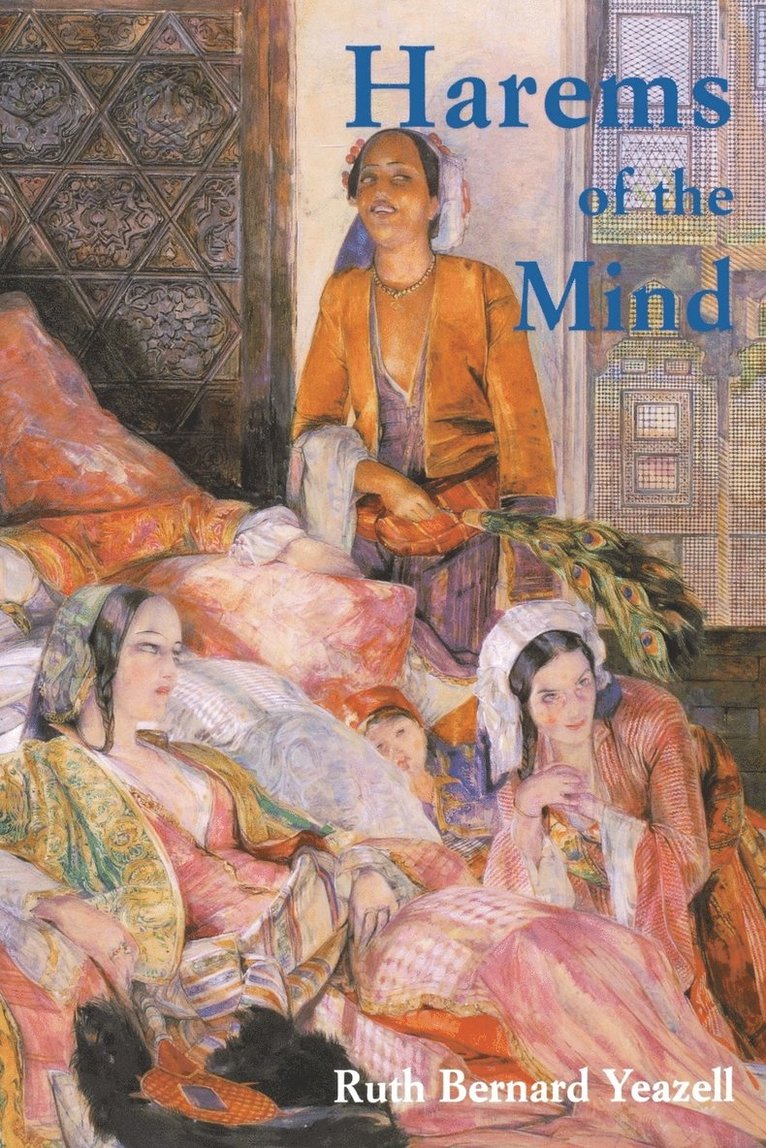
Fascinating and mysterious, the idea of the harem long captured the imagination of the West. The Muslim practice of concealing the women of the household from the eyes of alien men tempted Europeans to extravagant projections of their own wishes and fears. This intriguing book examines the art that resulted. Drawing on a wide range of evidence from the late seventeenth century to the early twentieth century—including travel writing, literature, painting, and even opera—Ruth Bernard Yeazell demonstrates the surprising variety of expressions inspired by the harem of the Western imagination.The book provides both a rich account of changing perceptions of the harem and a demonstration of the tenacious persistence of myth and stereotype. Yeazell shows that Europe’s hunger for facts about the harem combined repeatedly with the impulse to fantasize. Masculine erotic fantasies of the harem were reflected in the paintings of Ingres and Delacroix, the writings of de Sade, Byron, and Loti, and the work of anonymous pornographers. Alternate representations portrayed the harem as a prison or a locus of freedom, a place of murderous rivalry or a home of loving sisterhood, a chamber of erotic license or a nightmarish snare of frustration and ennui. And Montesquieu, Mozart, and Charlotte Brontë among others explored in their art the opposition of the imaginary pleasures of the harem to the freely chosen union of a loving couple. In a nuanced reading of Ingres’s Bain turc andother works, Yeazell concludes that for some the appeal of the harem lay in the fantasy of eluding time and death.
371 kr
Skickas inom 7-10 vardagar
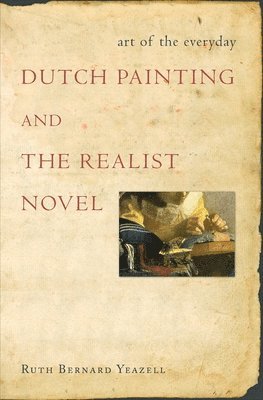
Realist novels are celebrated for their detailed attention to ordinary life. But two hundred years before the rise of literary realism, Dutch painters had already made an art of the everyday--pictures that served as a compelling model for the novelists who followed. By the mid-1800s, seventeenth-century Dutch painting figured virtually everywhere in the British and French fiction we esteem today as the vanguard of realism. Why were such writers drawn to this art of two centuries before? What does this tell us about the nature of realism? In this beautifully illustrated and elegantly written book, Ruth Yeazell explores the nineteenth century's fascination with Dutch painting, as well as its doubts about an art that had long challenged traditional values. After showing how persistent tensions between high theory and low genre shaped criticism of novels and pictures alike, Art of the Everyday turns to four major novelists--Honore de Balzac, George Eliot, Thomas Hardy, and Marcel Proust--who strongly identified their work with Dutch painting. For all these writers, Dutch art provided a model for training themselves to look closely at the particulars of middle-class life.Yet even as nineteenth-century novelists strove to create illusions of the real by modeling their narratives on Dutch pictures, Yeazell argues, they chafed at the model. A concluding chapter on Proust explains why the nineteenth century associated such realism with the past and shows how the rediscovery of Vermeer helped resolve the longstanding conflict between humble details and the aspirations of high art.
341 kr
Skickas inom 7-10 vardagar
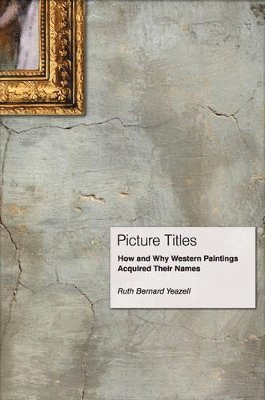
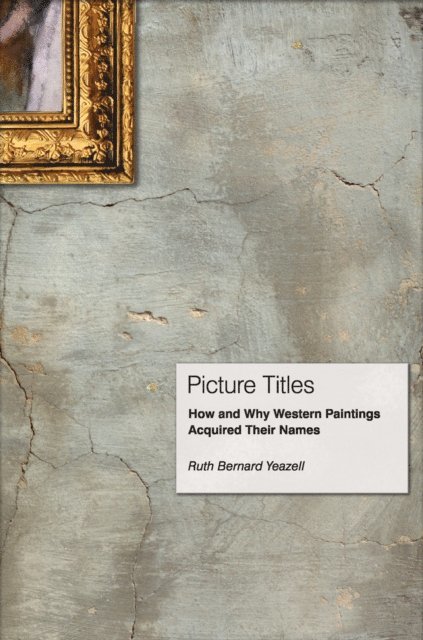
A picture's title is often our first guide to understanding the image. Yet paintings didn't always have titles, and many canvases acquired their names from curators, dealers, and printmakers--not the artists. Taking an original, historical look at how Western paintings were named, Picture Titles shows how the practice developed in response to the conditions of the modern art world and how titles have shaped the reception of artwork from the time of Bruegel and Rembrandt to the present. Ruth Bernard Yeazell begins the story with the decline of patronage and the rise of the art market in the seventeenth and eighteenth centuries, as the increasing circulation of pictures and the democratization of the viewing public generated the need for a shorthand by which to identify works at a far remove from their creation. The spread of literacy both encouraged the practice of titling pictures and aroused new anxieties about relations between word and image, including fears that reading was taking the place of looking. Yeazell demonstrates that most titles composed before the nineteenth century were the work of middlemen, and even today many artists rely on others to name their pictures.A painter who wants a title to stick, Yeazell argues, must engage in an act of aggressive authorship. She investigates prominent cases, such as David's Oath of the Horatii and works by Turner, Courbet, Whistler, Magritte, and Jasper Johns.????? Examining Western painting from the Renaissance to the present day, Picture Titles sheds new light on the ways that we interpret and appreciate visual art.
482 kr
Kommande
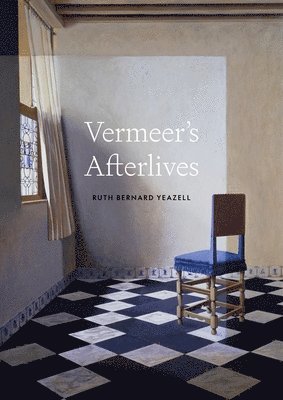
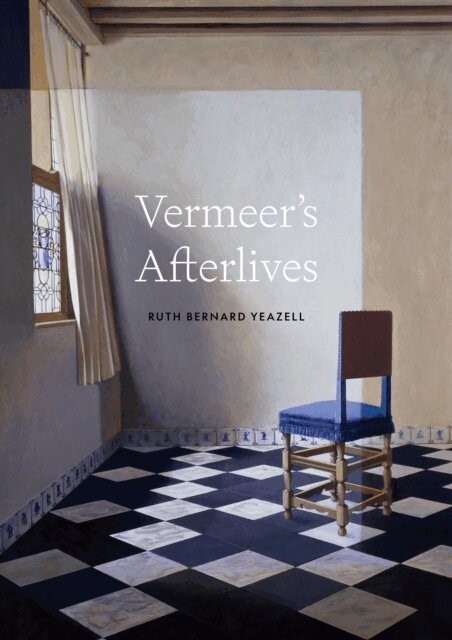
How a once-forgotten Dutch painter inspired generations of artists, writers, and filmmakersJohannes Vermeer (1632–1675) is one of the most beloved painters in the world. But when an enterprising French journalist and art critic set out to recover his work in the mid-nineteenth century, both his name and achievement were virtually forgotten. Vermeer’s Afterlives tells the remarkable story of how one of the great masters of the Dutch Golden Age was lost to obscurity until the rise of art history as a new discipline introduced his work to modern audiences and asks why his art compels so many other artists to respond with works of their own.Ruth Bernard Yeazell traces the cultural ascendency of this extraordinary painter, whose enigmatic subjects and quiet, introspective interiors, transfigured by light and color, continue to captivate viewers far removed from his native Delft. We meet the critics who first welcomed Vermeer into the canon along with the painters who sought to imitate him, the forgers who tried to pass off their work as his own, and the contemporary artists who openly repurpose it. The enquiry concludes by looking at Vermeer’s paintings through the eyes of the poets and novelists who have attempted to translate his silence into words and give voice to the stories he left untold. Along the way, Yeazell interrogates the changing assumptions that govern art history, while demonstrating how paintings live on not only in later paintings but in poetry, fiction, photography, and film.Marking the 350th anniversary of Vermeer’s death, this beautifully illustrated book explores the variety of ways in which Vermeer’s art has been interpreted through the centuries and shows how his paintings take on afterlives of their own in the imaginations of those who view them.
Del 10 - Selected Papers from the English Institute
Sex, Politics, and Science in the Nineteenth-Century Novel
Häftad, Engelska, 1991
408 kr
Skickas inom 7-10 vardagar
Six critics consider what is significantly not present-- or at least significantly well hidden-- in a provocative examination of the cultural anxieties that the nineteenth-century novel manipulates and conceals. Probing the connections between literary and sexual politics, the authors question the absence of the police from Barchester Towers and the presence of homoeroticism in "The Beast in the Jungle". They consider the Victorians' sharpened sense of their own evanescence and the fin de siecle's fevered preoccupation with syphilis, the terror of "women people" in the naturalist novel, and the anxious connection between female authorship and prostitution in George Eliot and Hardy, Bram Stoker, and James Barrie but also nineteenth-century economists and evolutionary biologists, with psychiatrists, sociologists, and even obstetricians. "The essays in this volume show that criticism of the novel has come a long way from all merely appreciative or celebratory kinds of readings." Ruth Yeazell writes in her introduction."Refusing to isolate the writing of fiction from other forms of representation, the authors contribute to an analysis not only of the nineteenth century's novels, but of the compelling diagnosis of nineteenth-century anxiety, however-- even their success in identifying such an anxiety-- may prompt us to ask what anxieties of our own this new habit of reading seeks to manage and control."
174 kr
Skickas inom 5-8 vardagar
Selected Correspondence, Edited with a Biographical Essay by Ruth Bernard Yeazell Alice James, 1848-1892, was the sister of Henry and William James, as literary as her brothers bu but never formally educated. Here Yeazell argues that Alice James instead made a career of her lifelong neurastenic illness and anticipation of death. With many of the letters written from her sick bed, she is alternatively witty, lyrical and occasionally bitter, but always deeply morbid.