Ruth Kershner – författare
2 885 kr
Skickas inom 10-15 vardagar
720 kr
Skickas inom 10-15 vardagar
2 200 kr
Skickas inom 10-15 vardagar
802 kr
Skickas inom 10-15 vardagar
733 kr
Skickas inom 10-15 vardagar
621 kr
Läs direkt efter köp
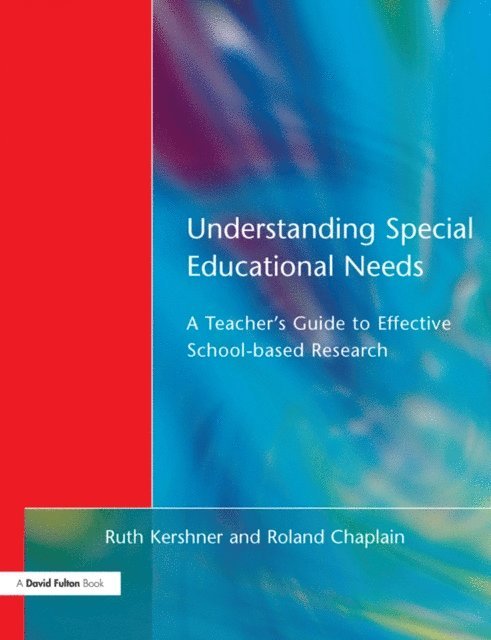
New and experienced teachers working with children with special needs in mainstream or special school settings are increasingly discovering the value of research to inform and improve their teaching. This highly accessible text features: · identification of the key research issues which relate to different aspects of SEN and inclusion · guidance on how to carry out research in order to enhance teaching and learning for children whose progress is causing concern · explanations of a range of approaches to research, including empirical studies of individuals, groups and institutions with children, parents, teachers and other professionals · advice on how to use and disseminate research findings The authors support their basic guidance with a variety of examples of published research and they offer a framework and practical suggestions for planning and carrying out school-based investigations with different purposes in mind. This text will be relevant to teachers and SENCOs, and to mentors and tutors in their supporting role.
621 kr
Läs direkt efter köp
New and experienced teachers working with children with special needs in mainstream or special school settings are increasingly discovering the value of research to inform and improve their teaching. This highly accessible text features: · identification of the key research issues which relate to different aspects of SEN and inclusion · guidance on how to carry out research in order to enhance teaching and learning for children whose progress is causing concern · explanations of a range of approaches to research, including empirical studies of individuals, groups and institutions with children, parents, teachers and other professionals · advice on how to use and disseminate research findings The authors support their basic guidance with a variety of examples of published research and they offer a framework and practical suggestions for planning and carrying out school-based investigations with different purposes in mind. This text will be relevant to teachers and SENCOs, and to mentors and tutors in their supporting role.
817 kr
Läs direkt efter köp
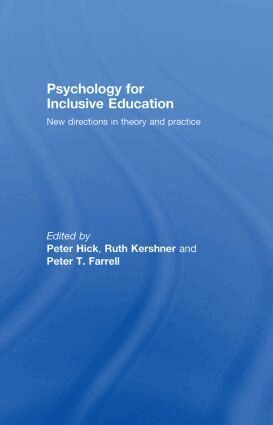
What can psychology offer inclusive education? Traditionally, special education has looked to psychology for many of its theoretical resources and practical strategies. While those seeking to promote more inclusive education have tended to see psychology and psychologists as part of the problem by providing a rationale for segregation. However, in practice many psychologists today are developing inclusive ways of working, and are paying attention to psychological theories that underpin inclusive education.
Psychology for Inclusive Education reframes the contribution of psychology in terms of its relevance to inclusion and will show how psychological theories of learning and human development are compatible with inclusive education. Part 1 explores psychological theories relevant to understanding inclusive education and Part 2 looks at how psychology can contribute to promoting more inclusive education in practice. Chapters cover:
how psychologists can collaborate with teachers for inclusive solutions
Vygotsky''s theories of learning and their significance for inclusion
the challenge of developing pedagogies for inclusion
sociocultural understandings of learning in inclusive classrooms
the role of emotion in learning and inclusion
cooperative learning and inclusion
the challenges and tensions of inclusion and high standards for schools
the practice of dynamic assessment as an inclusive alternative to IQ
social justice and inclusive psychology
Bringing together a highly distinguished list of international contributors from the UK, USA and South Africa and including practising educational psychologists, this book will link theory to practice in schools and classrooms. International in focus and at the very cutting edge of the field, this is essential reading for all those interested in the development of inclusive education.
817 kr
Läs direkt efter köp
What can psychology offer inclusive education? Traditionally, special education has looked to psychology for many of its theoretical resources and practical strategies. While those seeking to promote more inclusive education have tended to see psychology and psychologists as part of the problem by providing a rationale for segregation. However, in practice many psychologists today are developing inclusive ways of working, and are paying attention to psychological theories that underpin inclusive education.
Psychology for Inclusive Education reframes the contribution of psychology in terms of its relevance to inclusion and will show how psychological theories of learning and human development are compatible with inclusive education. Part 1 explores psychological theories relevant to understanding inclusive education and Part 2 looks at how psychology can contribute to promoting more inclusive education in practice. Chapters cover:
how psychologists can collaborate with teachers for inclusive solutions
Vygotsky''s theories of learning and their significance for inclusion
the challenge of developing pedagogies for inclusion
sociocultural understandings of learning in inclusive classrooms
the role of emotion in learning and inclusion
cooperative learning and inclusion
the challenges and tensions of inclusion and high standards for schools
the practice of dynamic assessment as an inclusive alternative to IQ
social justice and inclusive psychology
Bringing together a highly distinguished list of international contributors from the UK, USA and South Africa and including practising educational psychologists, this book will link theory to practice in schools and classrooms. International in focus and at the very cutting edge of the field, this is essential reading for all those interested in the development of inclusive education.
866 kr
Läs direkt efter köp
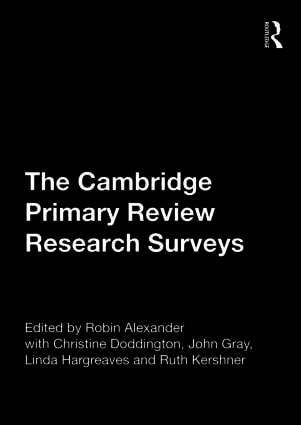
The Cambridge Primary Review Research Surveys is the outcome of the Cambridge Primary Review – England’s biggest enquiry into primary education for over forty years. Fully independent of government, it was launched in 2006 to investigate the condition and future of primary education at a time of change and uncertainty and after two decades of almost uninterrupted reform. Ranging over ten broad themes and drawing on a vast array of evidence, the Review published thiry-one interim reports, including twenty-eight surveys of published research, provoking media headlines and public debate, before presenting its final report and recommendations.
This book brings together the twenty-eight research surveys, specially commissioned from sixty-five leading academics in the areas under scrutiny and now revised and updated, to create what is probably the most comprehensive overview and evaluation of research in primary education yet published. A particular feature is the prominence given to international and comparative perspectives. With an introduction from Robin Alexander, the Review’s director, the book is divided into eight sections, covering:
children’s lives and voices: school, home and community
children’s development, learning, diversity and needs
aims, values and contexts for primary education
the structure and content of primary education
outcomes, standards and assessment in primary education
teaching in primary schools: structures and processes
teaching in primary schools: training, development and workforce reform
policy frameworks: governance, funding, reform and quality assurance.
The Cambridge Primary Review Research Surveys is an essential reference tool for professionals, researchers, students and policy-makers working in the fields of early years, primary and secondary education.
866 kr
Läs direkt efter köp
The Cambridge Primary Review Research Surveys is the outcome of the Cambridge Primary Review – England’s biggest enquiry into primary education for over forty years. Fully independent of government, it was launched in 2006 to investigate the condition and future of primary education at a time of change and uncertainty and after two decades of almost uninterrupted reform. Ranging over ten broad themes and drawing on a vast array of evidence, the Review published thiry-one interim reports, including twenty-eight surveys of published research, provoking media headlines and public debate, before presenting its final report and recommendations.
This book brings together the twenty-eight research surveys, specially commissioned from sixty-five leading academics in the areas under scrutiny and now revised and updated, to create what is probably the most comprehensive overview and evaluation of research in primary education yet published. A particular feature is the prominence given to international and comparative perspectives. With an introduction from Robin Alexander, the Review’s director, the book is divided into eight sections, covering:
children’s lives and voices: school, home and community
children’s development, learning, diversity and needs
aims, values and contexts for primary education
the structure and content of primary education
outcomes, standards and assessment in primary education
teaching in primary schools: structures and processes
teaching in primary schools: training, development and workforce reform
policy frameworks: governance, funding, reform and quality assurance.
The Cambridge Primary Review Research Surveys is an essential reference tool for professionals, researchers, students and policy-makers working in the fields of early years, primary and secondary education.
1 154 kr
Skickas inom 10-15 vardagar
357 kr
Skickas
383 kr
Läs direkt efter köp
369 kr
Läs direkt efter köp
528 kr
Skickas inom 10-15 vardagar