Ruth Mandel – författare
Visar alla böcker från författaren Ruth Mandel. Handla med fri frakt och snabb leverans.
8 produkter
Sex Differences in Political Participation
Processes of Change in Fourteen Nations
Inbunden, 1987
1067 kr
Lägg i varukorg
Here is the first book to treat directly sex differences in political participation with regard to economic development and cultural change. Using empirical data collected in fourteen nations, Christy not only discusses the sex differences in political participation within each nation, but compares …
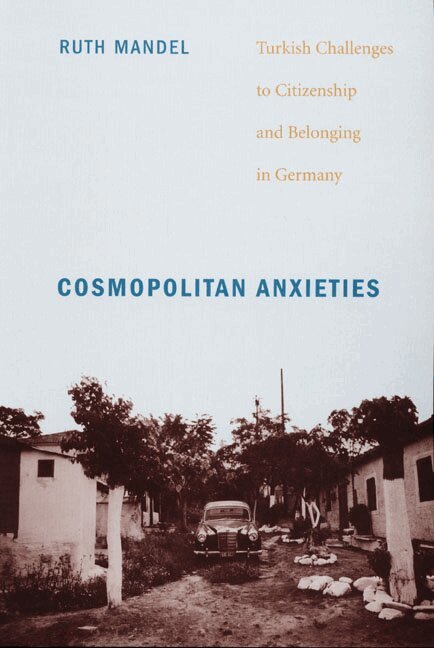
Cosmopolitan Anxieties
Turkish Challenges to Citizenship and Belonging in Germany
Av Ruth Mandel
Häftad, 2008
441 kr
Lägg i varukorg
In Cosmopolitan Anxieties, Ruth Mandel explores Germany’s relation to the more than two million Turkish immigrants and their descendants living within its borders. Based on her two decades of ethnographic research in Berlin, she argues that Germany’s reactions to the postwar Turkish diaspora have …
Cosmopolitan Anxieties
Turkish Challenges to Citizenship and Belonging in Germany
Av Ruth Mandel
E-bok, 2008
651 kr
Lägg i varukorg
In Cosmopolitan Anxieties , Ruth Mandel explores Germany’s relation to the more than two million Turkish immigrants and their descendants living within its borders. Based on her two decades of ethnographic research in Berlin, she argues that Germany’s reactions to the postwar Turkish diaspora have …
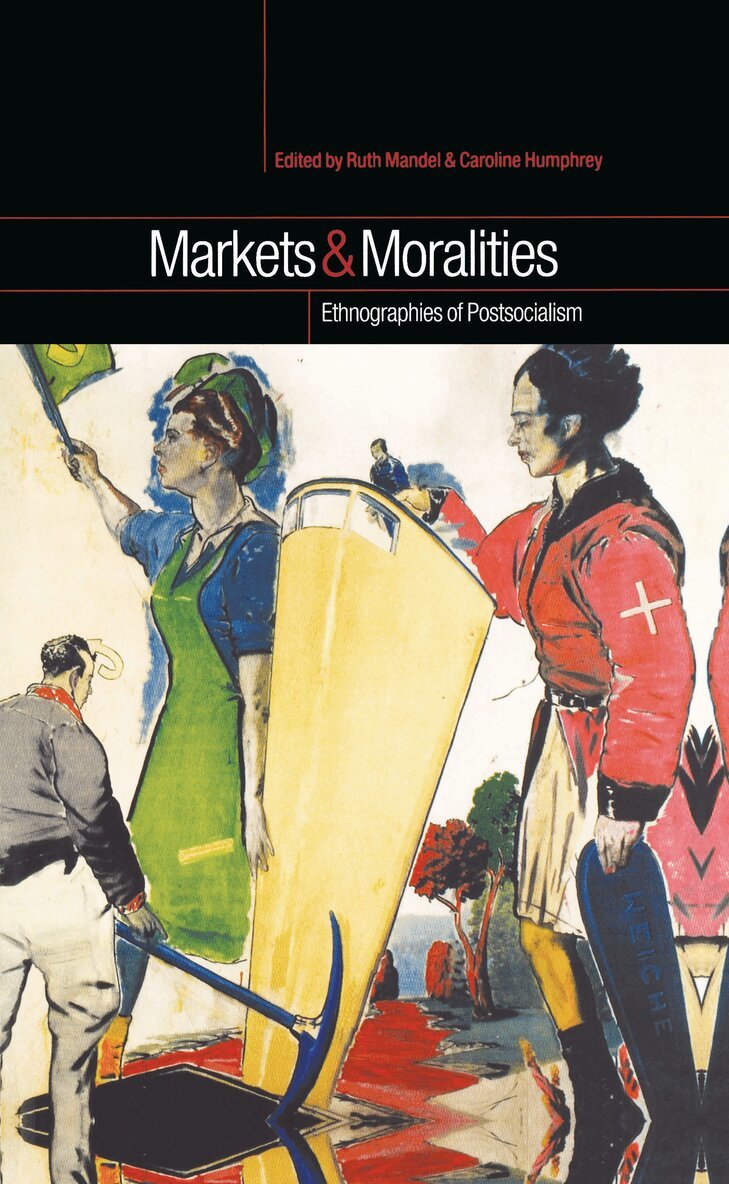
Markets and Moralities
Ethnographies of Postsocialism
Av Ruth Mandel, Caroline Humphrey
E-bok, 2020
762 kr
Lägg i varukorg
Before the collapse of the Eastern Bloc, private marketeering was regarded not only as criminal, but even immoral by socialist regimes. Ten years after taking on board western market-orientated shock therapy, post-socialist societies are still struggling to come to terms with the clash between …
Markets and Moralities
Ethnographies of Postsocialism
Av Ruth Mandel, Caroline Humphrey
E-bok, 2020
762 kr
Lägg i varukorg
Before the collapse of the Eastern Bloc, private marketeering was regarded not only as criminal, but even immoral by socialist regimes. Ten years after taking on board western market-orientated shock therapy, post-socialist societies are still struggling to come to terms with the clash between …
Markets and Moralities
Ethnographies of Postsocialism
Av Caroline Humphrey, Ruth Mandel
Inbunden, 2002
2519 kr
Lägg i varukorg
Before the collapse of the Eastern Bloc, private marketeering was regarded not only as criminal, but even immoral by socialist regimes. Ten years after taking on board western market-orientated shock therapy, post-socialist societies are still struggling to come to terms with the clash between …
Markets and Moralities
Ethnographies of Postsocialism
Av Caroline Humphrey, Ruth Mandel
Häftad, 2002
649 kr
Lägg i varukorg
Before the collapse of the Eastern Bloc, private marketeering was regarded not only as criminal, but even immoral by socialist regimes. Ten years after taking on board western market-orientated shock therapy, post-socialist societies are still struggling to come to terms with the clash between …
Cosmopolitan Anxieties
Turkish Challenges to Citizenship and Belonging in Germany
Av Ruth Mandel
Inbunden, 2008
1463 kr
Tillfälligt slut
In Cosmopolitan Anxieties, Ruth Mandel explores Germany’s relation to the more than two million Turkish immigrants and their descendants living within its borders. Based on her two decades of ethnographic research in Berlin, she argues that Germany’s reactions to the postwar Turkish diaspora have …