Ruth Palmer - Böcker
Visar alla böcker från författaren Ruth Palmer. Handla med fri frakt och snabb leverans.
5 produkter
5 produkter
244 kr
Skickas inom 5-8 vardagar
På Kullahalvön har vi en imponerande samling framgångsrika entreprenörer, individer som trott på sina drömmar och omsatt dem till verklighet. Deras berättelser är inspirerande, och vi har samlat dem i denna bok för att låta er ta del av deras otroliga resor. Denna bok beskriver de fascinerande livsberättelser som har format deras framång. Boken kastar ljus öv er deras personliga resor och visar att det är mer än bara affärsframgång - det är en historia om passion, beslutsamhet och utmaningar. Här hittar du 20 personporträtt om några av Kullahalvöns mest inflytelserika entreprenörer, med unikt innehåll som du inte hittar någon annanstans. Denna bok är mer än bara en samling sanna historier, det är en inspirationskälla för dem som drömmer om att starta eget företag och en skattkista för alla som vill förstå dessa enastående entreprenörer bättre. Som en gest av lokal solidaritet, donerar vi en del av vinsten (10 kr per såld bok) till att främja naturvården på Kullaberg genom Junior Ranger*. På så sätt blir ditt köp inte bara en möjlighet att fördjupa din kunskap utan även att bidra till den lokala utveklingen. *Junior Ranger Kullaberg är en del av EUROPARCs Junior Ranger-program och riktar sig till ungdomar från 12 till 18 år. Junior Ranger programmet innebär att underhålla leder och markeringar inom naturreservatet, informera och vägleda besökare samt att få en djupare förståelse för naturen inom det aktuella reservatområdet. Junior Ranger Kullaberg är en verksamhet som utvecklas i ett samarbete mellan Länsstyrelsen i Skåne samt Jonstorps Kustscoutkår.
1 363 kr
Skickas inom 7-10 vardagar
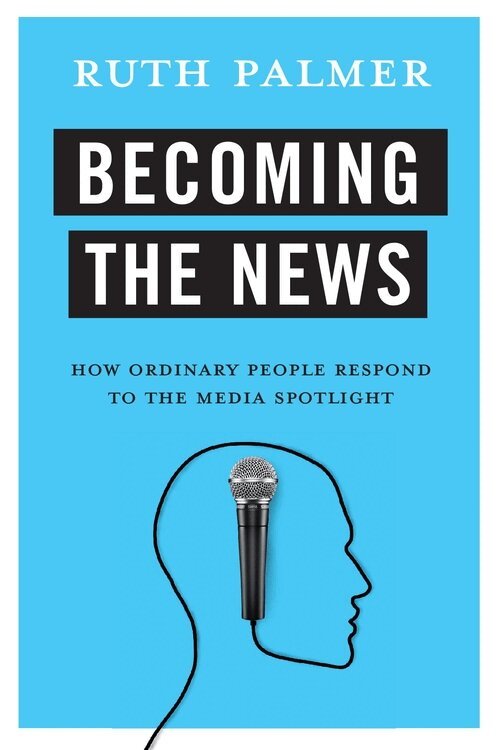
What does it feel like to be featured, quoted, or just named in a news story? A refugee family, the survivor of a shooting, a primary voter in Iowa-the views and experiences of ordinary people are an important component of journalism. While much has been written about how journalists work and gather stories, what do we discover about the practice of journalism and attitudes about the media by focusing on the experiences of the subjects themselves? In Becoming the News, Ruth Palmer argues that understanding the motivations and experiences of those who have been featured in news stories-voluntarily or not-sheds new light on the practice of journalism and the importance many continue to place on the role of the mainstream media. Based on dozens of interviews with news subjects, Becoming the News studies how ordinary people make sense of their experience as media subjects. Palmer charts the arc of the experience of "making" the news, from the events that brought an ordinary person to journalists' attention through the decision to cooperate with reporters, interactions with journalists, and reactions to the news coverage and its aftermath.She explores what motivates someone to talk to the press; whether they consider the potential risks; the power dynamics between a journalist and their subject; their expectations about the motivations of journalists; and the influence of social media on their decisions and reception. Pointing to the ways traditional news organizations both continue to hold on to and are losing their authority, Becoming the News has important implications for how we think about the production and consumption of news at a time when Americans distrust the news media more than ever.
715 kr
Skickas inom 3-6 vardagar
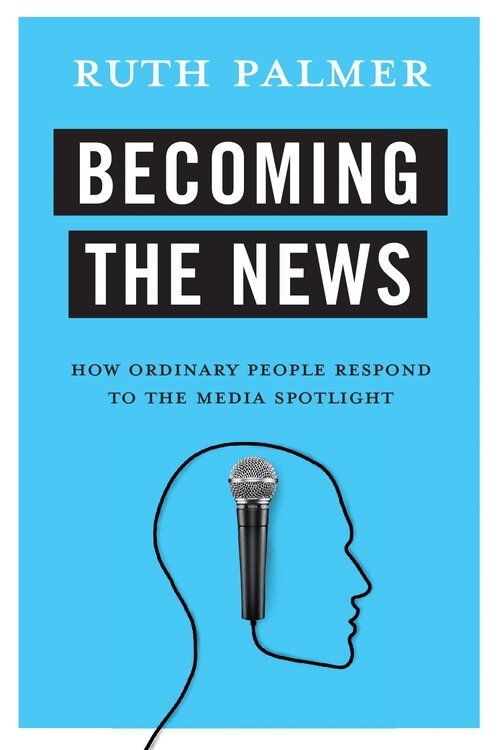
What does it feel like to be featured, quoted, or just named in a news story? A refugee family, the survivor of a shooting, a primary voter in Iowa-the views and experiences of ordinary people are an important component of journalism. While much has been written about how journalists work and gather stories, what do we discover about the practice of journalism and attitudes about the media by focusing on the experiences of the subjects themselves? In Becoming the News, Ruth Palmer argues that understanding the motivations and experiences of those who have been featured in news stories-voluntarily or not-sheds new light on the practice of journalism and the importance many continue to place on the role of the mainstream media. Based on dozens of interviews with news subjects, Becoming the News studies how ordinary people make sense of their experience as media subjects. Palmer charts the arc of the experience of "making" the news, from the events that brought an ordinary person to journalists' attention through the decision to cooperate with reporters, interactions with journalists, and reactions to the news coverage and its aftermath.She explores what motivates someone to talk to the press; whether they consider the potential risks; the power dynamics between a journalist and their subject; their expectations about the motivations of journalists; and the influence of social media on their decisions and reception. Pointing to the ways traditional news organizations both continue to hold on to and are losing their authority, Becoming the News has important implications for how we think about the production and consumption of news at a time when Americans distrust the news media more than ever.
1 028 kr
Skickas inom 7-10 vardagar
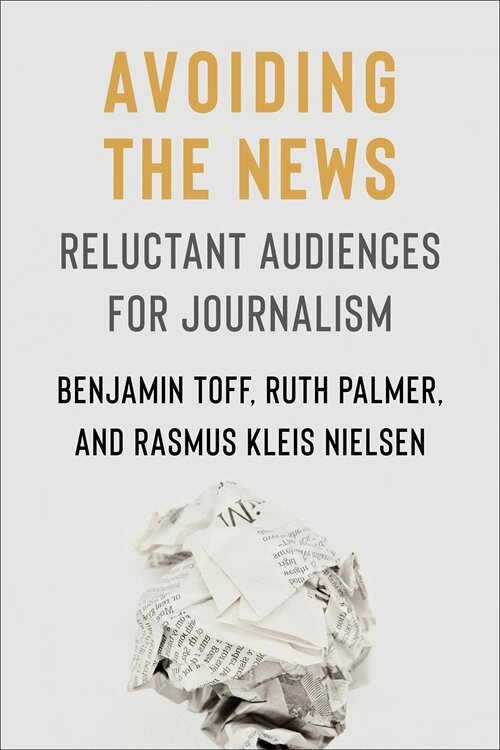
Winner, 2025 Hazel Gaudet-Erskine Best Book Award, International Journal of Press/PoliticsWinner, 2024 Choice Outstanding Academic TitleA small but growing number of people in many countries consistently avoid the news. They feel they do not have time for it, believe it is not worth the effort, find it irrelevant or emotionally draining, or do not trust the media, among other reasons. Why and how do people circumvent news? Which groups are more and less reluctant to follow the news? In what ways is news avoidance a problem—for individuals, for the news industry, for society—and how can it be addressed?This groundbreaking book explains why and how so many people consume little or no news despite unprecedented abundance and ease of access. Drawing on interviews in Spain, the United Kingdom, and the United States as well as extensive survey data, Avoiding the News examines how people who tune out traditional media get information and explores their “folk theories” about how news organizations work. The authors argue that news avoidance is about not only content but also identity, ideologies, and infrastructures: who people are, what they believe, and how news does or does not fit into their everyday lives. Because news avoidance is most common among disadvantaged groups, it threatens to exacerbate existing inequalities by tilting mainstream journalism even further toward privileged audiences. Ultimately, this book shows, persuading news-averse audiences of the value of journalism is not simply a matter of adjusting coverage but requires a deeper, more empathetic understanding of people’s relationships with news across social, political, and technological boundaries.
390 kr
Skickas inom 7-10 vardagar
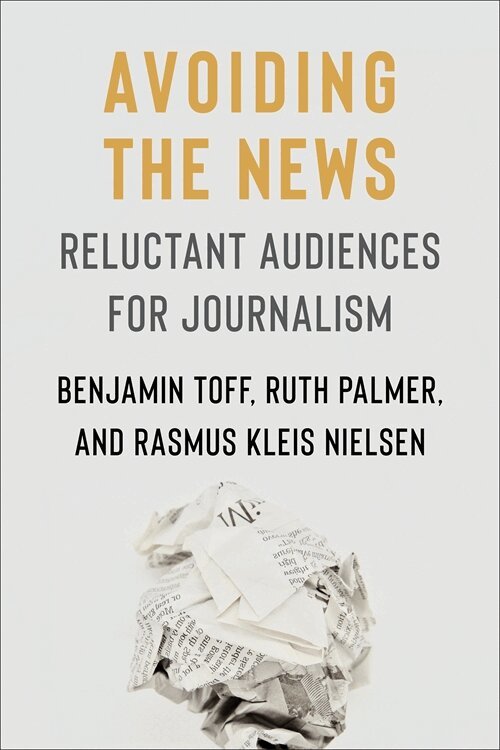
Winner, 2025 Hazel Gaudet-Erskine Best Book Award, International Journal of Press/PoliticsWinner, 2024 Choice Outstanding Academic TitleA small but growing number of people in many countries consistently avoid the news. They feel they do not have time for it, believe it is not worth the effort, find it irrelevant or emotionally draining, or do not trust the media, among other reasons. Why and how do people circumvent news? Which groups are more and less reluctant to follow the news? In what ways is news avoidance a problem—for individuals, for the news industry, for society—and how can it be addressed?This groundbreaking book explains why and how so many people consume little or no news despite unprecedented abundance and ease of access. Drawing on interviews in Spain, the United Kingdom, and the United States as well as extensive survey data, Avoiding the News examines how people who tune out traditional media get information and explores their “folk theories” about how news organizations work. The authors argue that news avoidance is about not only content but also identity, ideologies, and infrastructures: who people are, what they believe, and how news does or does not fit into their everyday lives. Because news avoidance is most common among disadvantaged groups, it threatens to exacerbate existing inequalities by tilting mainstream journalism even further toward privileged audiences. Ultimately, this book shows, persuading news-averse audiences of the value of journalism is not simply a matter of adjusting coverage but requires a deeper, more empathetic understanding of people’s relationships with news across social, political, and technological boundaries.