Ruth Redmond-Cooper - Böcker
Visar alla böcker från författaren Ruth Redmond-Cooper. Handla med fri frakt och snabb leverans.
6 produkter
6 produkter
1 113 kr
Skickas inom 10-15 vardagar
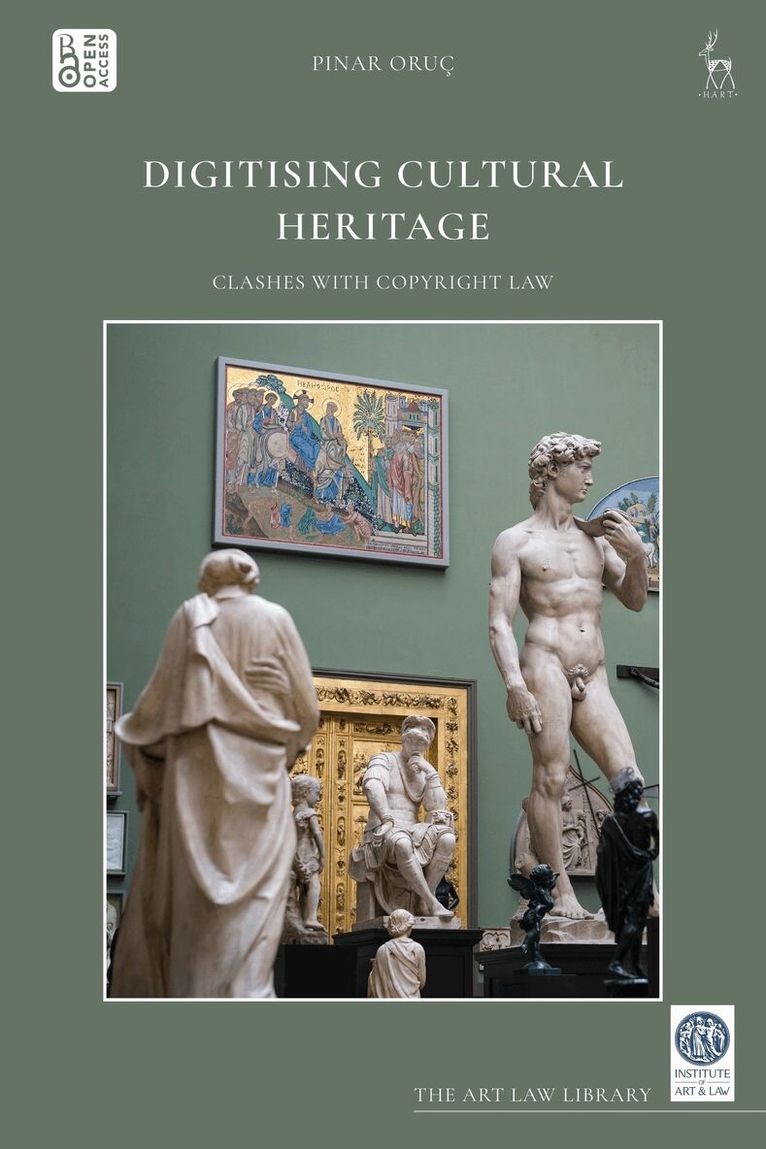
This open access book investigates the role played by copyright on the digitisation of cultural heritage from three angles: the theoretical differences between cultural property law and copyright; a comparative analysis of the EU, UK, and US; and analysis of current practices and concerns, based on empirical research. As heritage digitisation projects become increasingly common for purposes such as preservation and access, the impact of copyright is also becoming more problematic. In order to provide a full and current picture of the copyright problem, the book first introduces the reader to the debates on the scope and ownership of cultural heritage and provides an overview of the copyright implications of the digitisation process and newer uses, including 2D and 3D scanning; virtual and augmented reality; text and data mining; and artificial intelligence.The author then divides the main critical analysis into three parts, referred to as the ‘clashes with copyright’. The first, clash in theory, lies between cultural property law and copyright justification theories. The second clash is in the different legal approaches to digitising in-copyright, public domain, orphan, out-of-commerce and unpublished works in the chosen jurisdictions, focusing on the relevant rights and defences. The third clash is in the interests of stakeholders, based on public reactions to existing projects and cases, supported by interviews with heritage professionals engaging in digitisation.By placing itself in this particular intersection of law, heritage, and technology, the book will be of interest to both intellectual property academics and cultural heritage professionals.The ebook editions of this book are available open access under a CC BY-NC-ND 4.0 licence on bloomsburycollections.com.
853 kr
Kommande
This open access book investigates the role played by copyright on the digitisation of cultural heritage from three angles: the theoretical differences between cultural property law and copyright; a comparative analysis of the EU, UK, and US; and analysis of current practices and concerns, based on empirical research. As heritage digitisation projects become increasingly common for purposes such as preservation and access, the impact of copyright is also becoming more problematic. In order to provide a full and current picture of the copyright problem, the book first introduces the reader to the debates on the scope and ownership of cultural heritage and provides an overview of the copyright implications of the digitisation process and newer uses, including 2D and 3D scanning; virtual and augmented reality; text and data mining; and artificial intelligence.The author then divides the main critical analysis into three parts, referred to as the ‘clashes with copyright’. The first, clash in theory, lies between cultural property law and copyright justification theories. The second clash is in the different legal approaches to digitising in-copyright, public domain, orphan, out-of-commerce and unpublished works in the chosen jurisdictions, focusing on the relevant rights and defences. The third clash is in the interests of stakeholders, based on public reactions to existing projects and cases, supported by interviews with heritage professionals engaging in digitisation.By placing itself in this particular intersection of law, heritage, and technology, the book will be of interest to both intellectual property academics and cultural heritage professionals.The ebook editions of this book are available open access under a CC BY-NC-ND 4.0 licence on bloomsburycollections.com.
260 kr
Skickas inom 7-10 vardagar
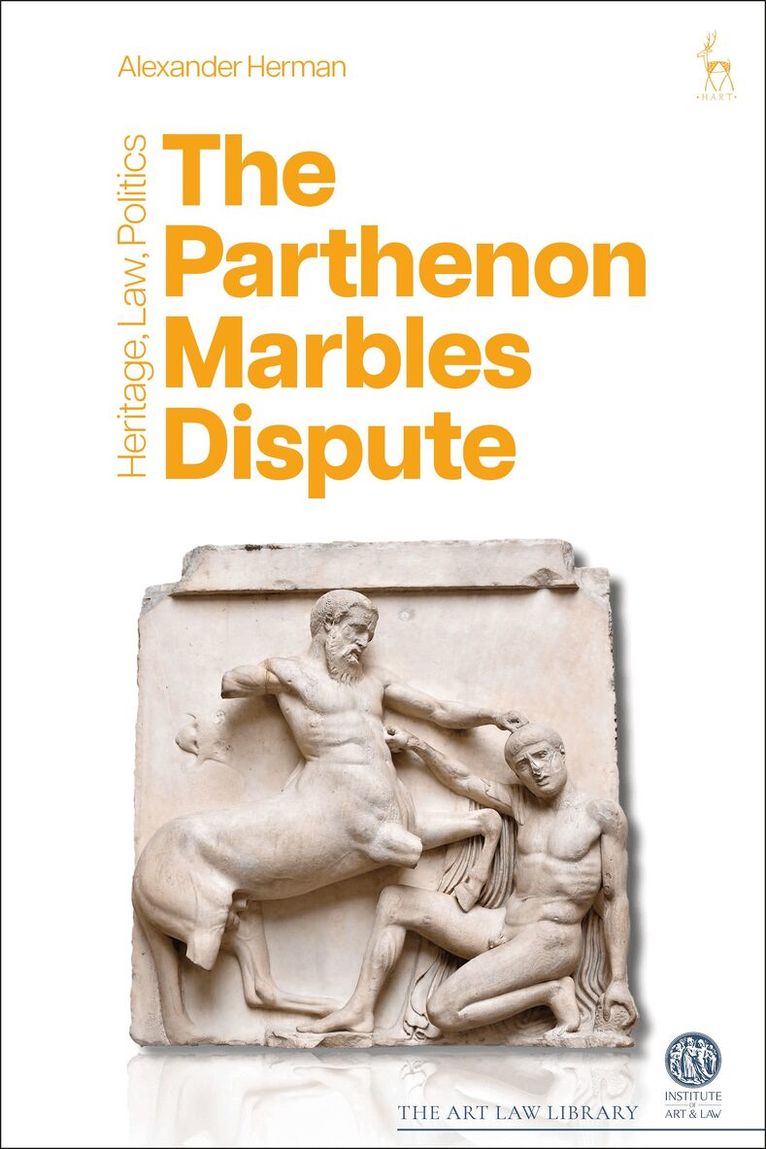
Why are we still arguing over the Parthenon Marbles? This book offers a fresh take on the history of those famous pieces of ancient sculpture removed from the Acropolis in Athens by Lord Elgin’s men in the early 19th century. It explains how they became the cause célèbre of the larger debates around cultural heritage and restitution now taking place. The subject is one that is currently embroiling museums, governments, universities and the public at large. Herman provides a balanced, thorough and critical account of the history of the Marbles, while considering the legalities of their initial removal and the ethics of their retention by the British Museum. It incorporates the views of curators, museum directors, lawyers, archaeologists, politicians and others in both London and Athens. It explains why this particular dispute has not been satisfactorily resolved, and suggests new ways of seeking resolution – for the Parthenon Marbles and for the many other cultural treasures held in museum collections outside their countries of origin. The book sets out a way forward for this famously intractable dispute, one based on evidence of past practice, legal rules around the transfer of cultural objects and the role of museums in negotiating international exchanges.
867 kr
Skickas inom 10-15 vardagar
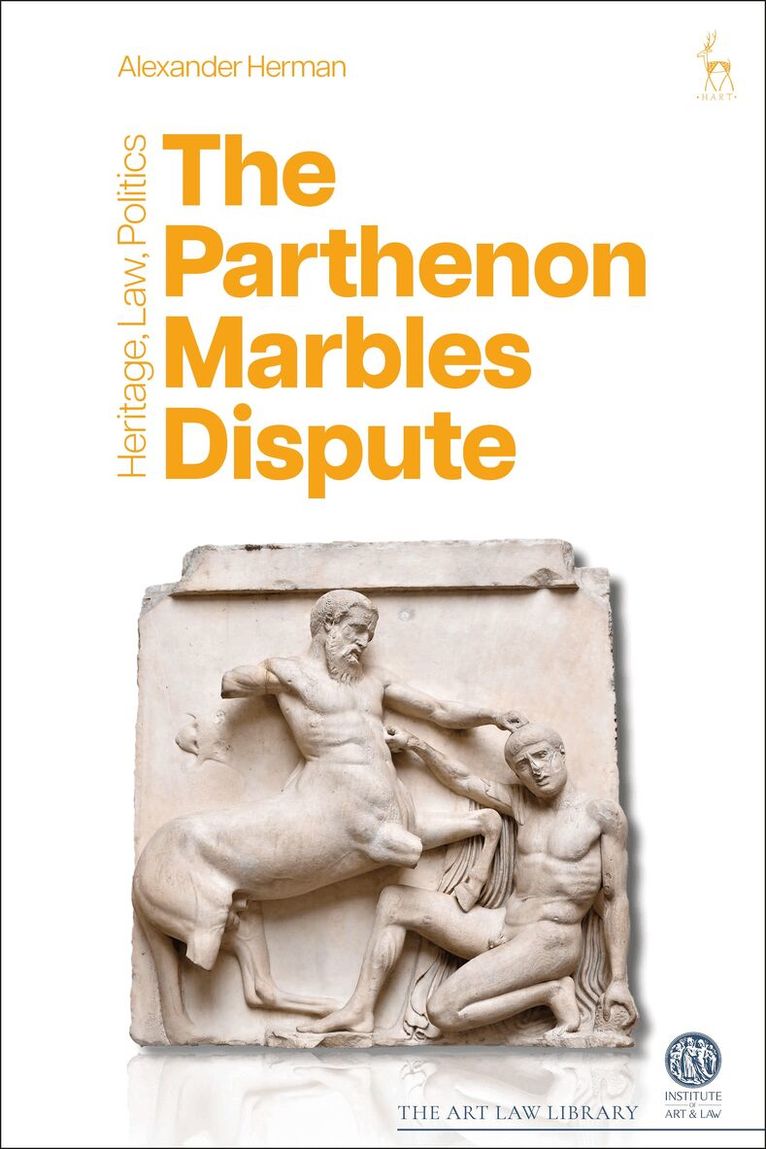
Why are we still arguing over the Parthenon Marbles? This book offers a fresh take on the history of those famous pieces of ancient sculpture removed from the Acropolis in Athens by Lord Elgin’s men in the early 19th century. It explains how they became the cause célèbre of the larger debates around cultural heritage and restitution now taking place. The subject is one that is currently embroiling museums, governments, universities and the public at large. Herman provides a balanced, thorough and critical account of the history of the Marbles, while considering the legalities of their initial removal and the ethics of their retention by the British Museum. It incorporates the views of curators, museum directors, lawyers, archaeologists, politicians and others in both London and Athens. It explains why this particular dispute has not been satisfactorily resolved, and suggests new ways of seeking resolution – for the Parthenon Marbles and for the many other cultural treasures held in museum collections outside their countries of origin. The book sets out a way forward for this famously intractable dispute, one based on evidence of past practice, legal rules around the transfer of cultural objects and the role of museums in negotiating international exchanges.
Beyond Restitution
Exploring the Stories of Cultural Objects After their Return
Inbunden, Engelska, 2025
1 113 kr
Skickas inom 10-15 vardagar
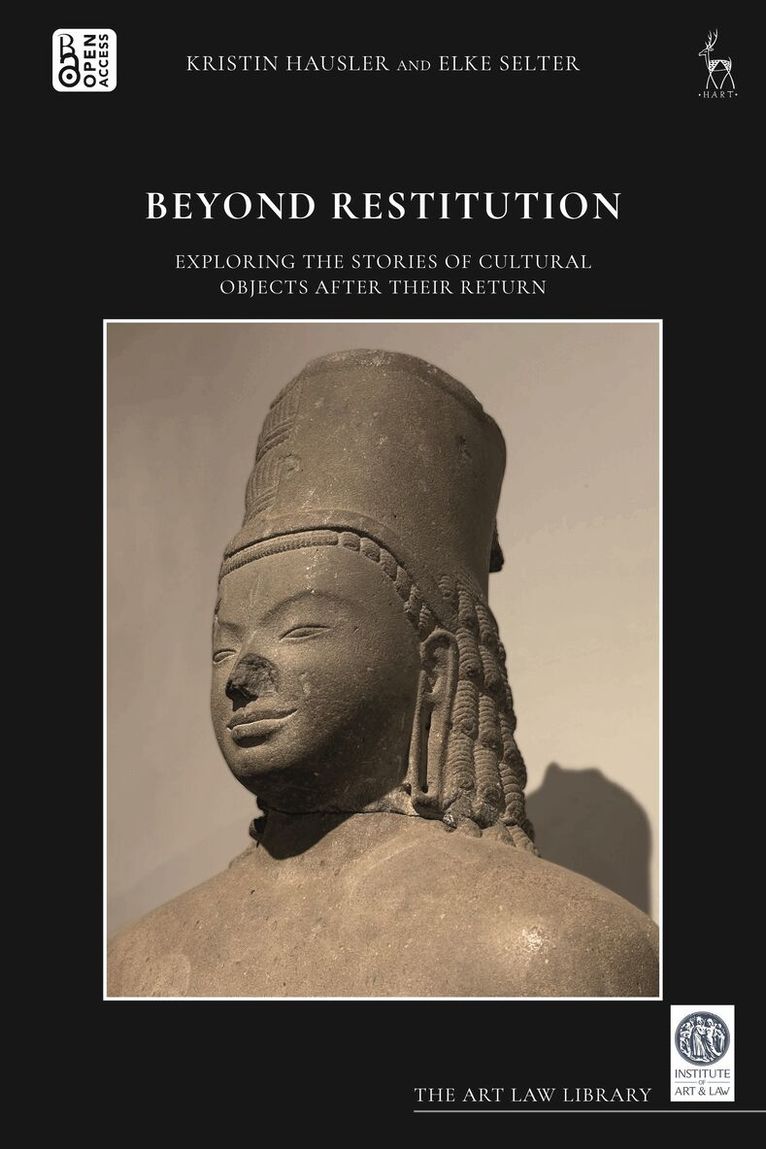
This open access book offers a unique perspective on the return of cultural objects by considering the aftermath of the handover processes.While calls for the repatriation of heritage have been made since the start of the decolonisation process, it is only in recent years that the debate on returning cultural objects has gained widespread prominence. This has been followed by ongoing efforts from several countries to change the legislation, adopt principles, and invest in provenance research to turn repatriation into a more proactive mechanism.The book tells the story of cultural objects that were housed in European institutions and returned to countries in Africa, Asia, and the Americas. In addition to in-depth analysis of relevant laws and policies, each of the case studies integrates interviews with those who were directly involved in those return processes, as well as those who were impacted by them, including museum staff, government representatives and community members. The book presents previously unheard insights into past return processes, the manifold modalities that such processes have followed, and, at times, unexpected outcomes. By doing so, it offers possible lessons to be learnt for future returns.The ebook editions of this book are available open access under a CC BY-NC-ND 4.0 licence on bloomsburycollections.com. Open access was funded by the Leverhulme Trust.
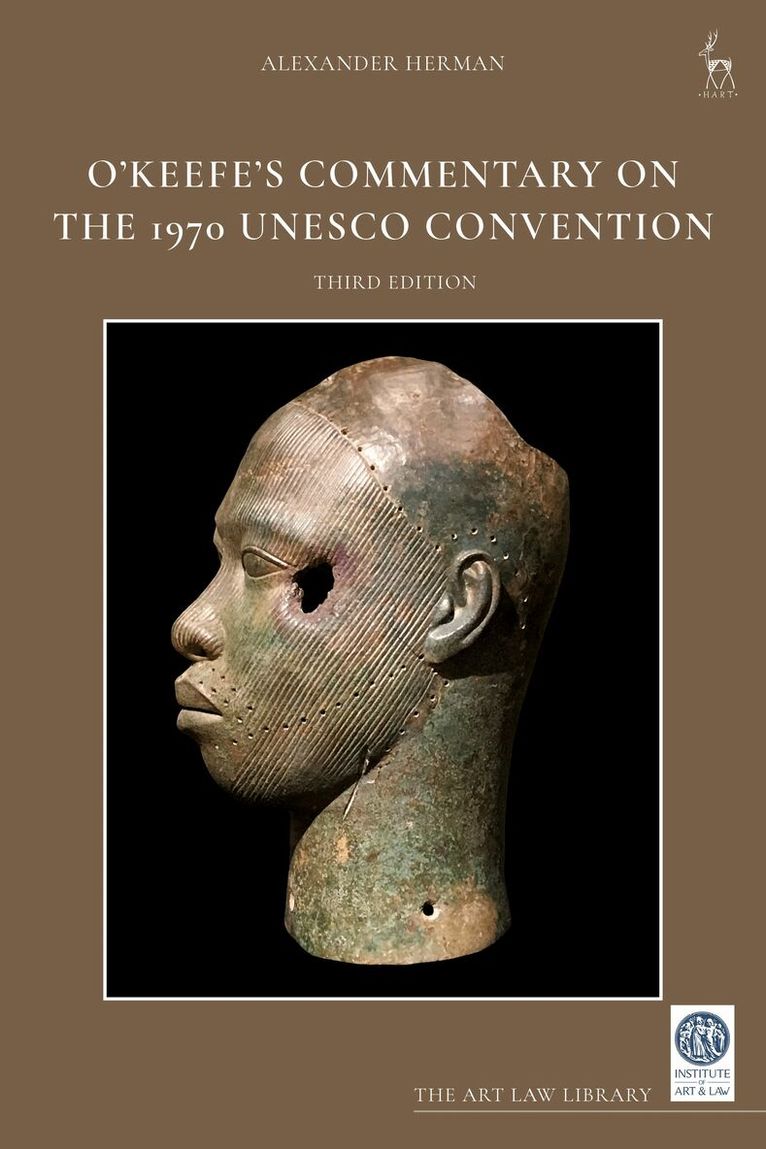
O’Keefe’s Commentary on the 1970 UNESCO Convention
The Protection and Return of Cultural Objects
Inbunden, Engelska, 2026
1 369 kr
Kommande
This new edition of Patrick O’Keefe’s classic book provides up-to-date analysis of the 1970 UNESCO Convention on the Means of Prohibiting and Preventing the Illicit Import, Export and Transfer of Ownership of Cultural Property.The new edition also includes a detailed article-by-article commentary on the provisions of the Convention, a comprehensive telling of the historical background that led to the adoption of the Convention and an examination of its impact today.The illicit traffic in objects of great cultural importance continues to be a massive challenge for the international community, especially when it involves cross-border smuggling and the conflicting application of differing national laws. The UNESCO Convention has become an iconic marker in the fight against the illicit trade, providing important mechanisms for the protection and the return of cultural objects, while influencing standards across the cultural sector. Adopted by some 150 States, it has had an indelible impact on the ethical landscape affecting museums, especially in relation to acquisitions, and the art market.The book highlights the background which led to the creation of the Convention, and takes a critical look at how it has been interpreted and implemented around the world, including by UNESCO bodies and States Parties to the Convention.The Convention has unmistakably contributed to the discourse around the restitution of cultural objects to countries of origin. It has also inspired a range of other instruments for the protection and acquisition of cultural objects, such as codes of ethics and museum acquisition policies. These instruments are analysed in the book, while suggestions are made for improving the overall framework for the protection of cultural objects.