R.W. Welch – författare
Visar alla böcker från författaren R.W. Welch. Handla med fri frakt och snabb leverans.
3 produkter
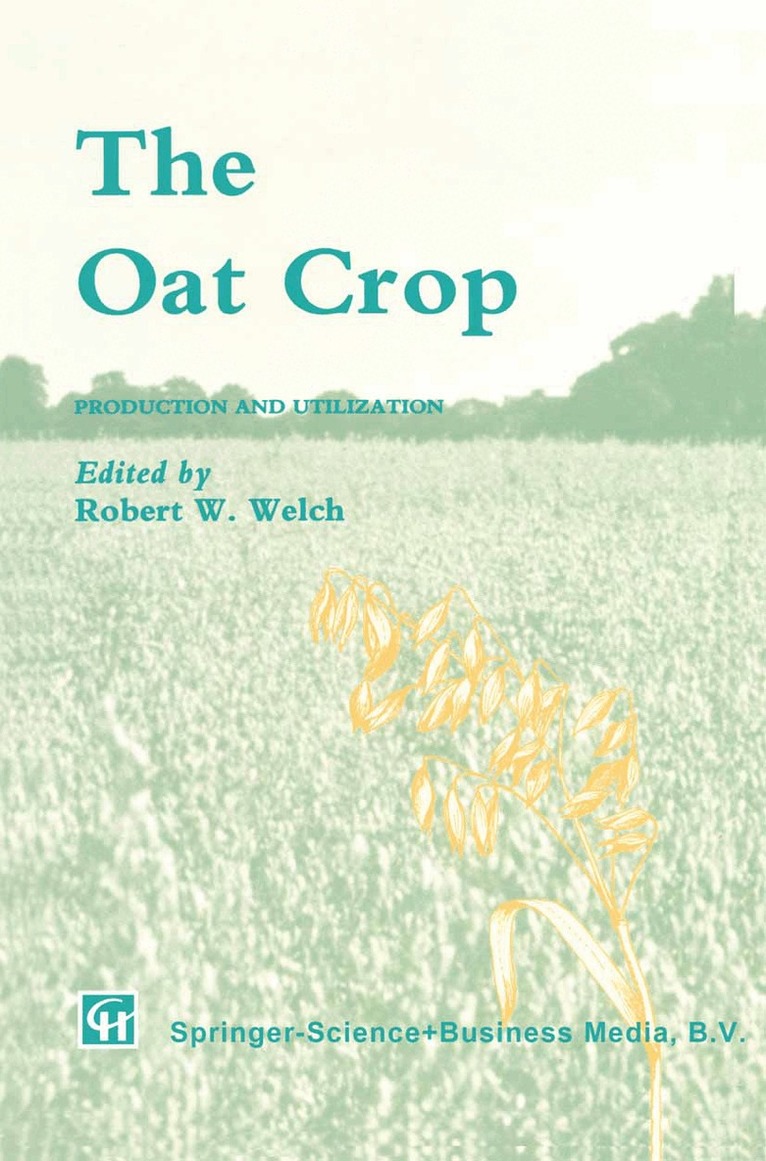
Oat Crop
Production and Utilization
Av R.W. Welch
Inbunden, 1995
3279 kr
Lägg i varukorg
Dr Samuel Johnson, that famous eighteenth century lexicographer, said of oats 'A grain which in England is generally given to horses but in Scotland supports the people'. And presumably it was a Scotsman who riposted 'But what people and what horses!' That exchange encapsulates much of the history …
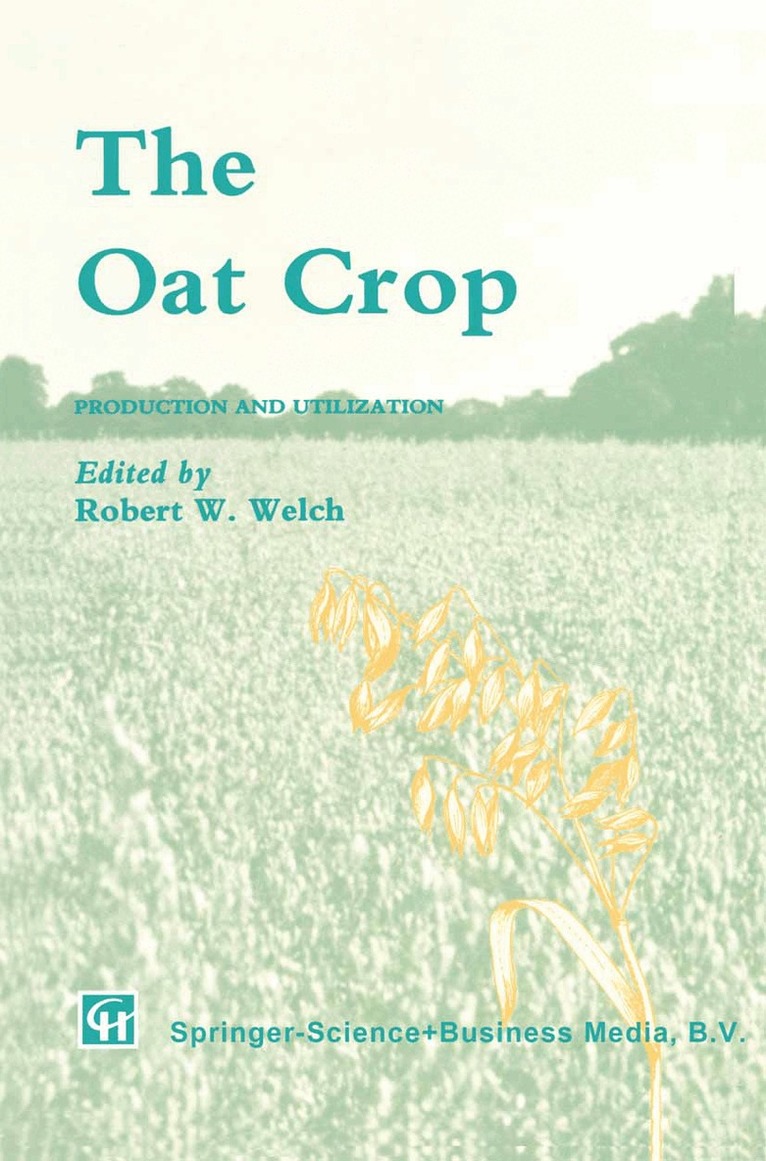
Oat Crop
Production and Utilization
Av R.W. Welch
Häftad, 2012
3279 kr
Lägg i varukorg
Dr Samuel Johnson, that famous eighteenth century lexicographer, said of oats 'A grain which in England is generally given to horses but in Scotland supports the people'. And presumably it was a Scotsman who riposted 'But what people and what horses!' That exchange encapsulates much of the history …
Oat Crop
Production and Utilization
Av R.W. Welch
E-bok, 2012
4066 kr
Lägg i varukorg
Dr Samuel Johnson, that famous eighteenth century lexicographer, said of oats ''A grain which in England is generally given to horses but in Scotland supports the people''. And presumably it was a Scotsman who riposted ''But what people and what horses!'' That exchange encapsulates much of the …