
Ryan Gilbey – författare
Visar alla böcker från författaren Ryan Gilbey. Handla med fri frakt och snabb leverans.
10 produkter
10 produkter
Häftad, Engelska, 2004
205 kr
Skickas inom 10-15 vardagar
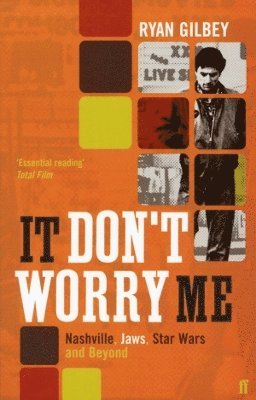
The 1970s were a Golden Age for American film-making, with the emergence of such talents as Scorsese, Coppola, Spielberg, Lucas, De Palma and Altman. Ryan Gilbey now looks afresh at the remarkable movies of this era, and their gifted makers. Today these directors are sometimes lambasted as sell-outs or burn-outs, but their best films of the Seventies - from American Graffiti to The Conversation, Nashville to Carrie, Badlands to Taxi Driver - still feel as urgent and innovative as they did on first release, and still inspire young film-makers at a time when movies are once more depressingly formulaic. These directors cultivated a fascinating eclecticism, driven by creative hunger and insatiable imagination. But what in the American scene were they reacting against, and just as crucially, what were they celebrating (or pillaging from other sources)? Gilbey also considers directors who established a body of work in the Seventies (Woody Allen), who blossomed as the decade progressed (David Lynch, Jonathan Demme), or who were prominent figures without being prolific (Stanley Kubrick, Terrence Malick).He takes each film and assesses its place in history while also scrutinising it as if for the very first time - as if it were coming to a cinema near you this Friday ...
Inbunden, Engelska, 2025
211 kr
Skickas
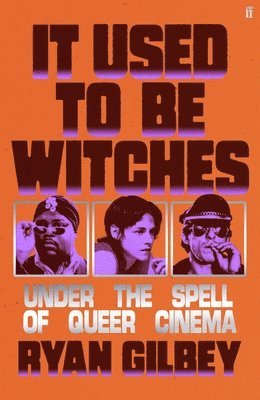
Playfully blending personal memoir, criticism and candid new interviews with filmmakers from across the LGBTQ+ spectrum, Ryan Gilbey's engaging and dynamic It Used to be Witches is a non-chronological treasure-hunt through queer cinema past and present. Andrew Haigh (All of Us Strangers), Cheryl Dunye (The Watermelon Woman), Isabel Sandoval (Lingua Franca) and Bruce LaBruce (No Skin Off My Ass) are among the directors who reveal how queer artists use film to express their most personal truths-and to challenge, defy and outrage a world that would rather they didn't exist.That world might look rainbow-coloured from some angles, with the likes of Brokeback Mountain, Call Me By Your Name, Moonlight and Portrait of a Lady on Fire winning awards and acclaim. But as queer and trans people find themselves increasingly under attack, It Used to Be Witches asks whether cinema can be an effective weapon of resistance and change, and celebrates an outlaw spirit which refuses to die.
- Nyhet

Häftad, Engelska, 2026
140 kr
Skickas
'Sparkling . . . One of the best film critics around.' Literary Review'Sparks with ideas, humour and wit . . . [a] brave, dizzying book.' Jon Savage, Observer'A stunner . . . The future of criticism.' Brandon TaylorPlayfully blending personal memoir, criticism and candid new interviews with film-makers from across the LGBTQ+ spectrum, Ryan Gilbey's eclectic and revealing book is a non-chronological treasure-hunt through queer cinema past and present.
E-bok
Engelska, 2019202 kr
Läs direkt efter köp
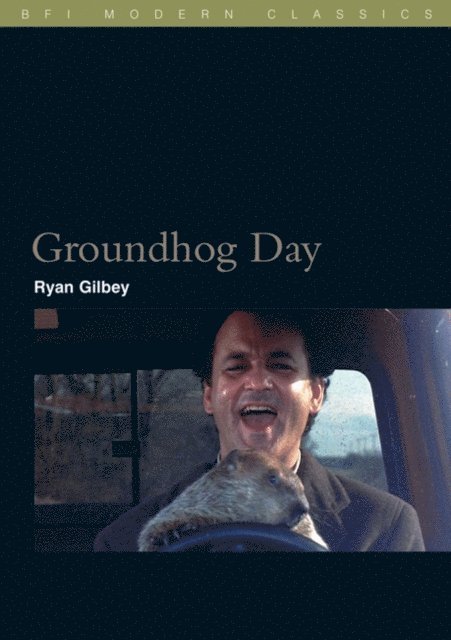
It is becoming clearer and clearer that Groundhog Day (1993), directed by Harold Ramis, is one of the masterpieces of 1990s Hollywood cinema. One of the first films to use a science-fiction premise as the basis for romantic comedy, it tells the story of a splenetic TV weatherman, Phil Connors (Bill Murray at his disreputable best), who finds himself repeating indefinitely one drab day in the milk-and-cookies town of Punxsutawney, Pennsylvania. At first glance it seems like a feel-good parable in the tradition of Frank Capra''s It''s a Wonderful Life (1943). But on closer inspection it is a deeply ambivalent fable, with strong echoes of Samuel Beckett: before he finds redemption Phil must plumb the depths of suicidal despair - and even after he has survived this, the film offers no guarantees that he will live happily ever after. Ryan Gilbey begins his account of Groundhog Day with the long and unlucky gestation of the script by Danny Rubin (who was interviewed specially for this book) which formed the basis of the finished film. Gilbey celebrates the inspired casting of Murray, alongside Andie MacDowell and less well-known actors such as Stephen Tobolowsky (who plays the reptilian sa
E-bok
PDF, Engelska, 2019209 kr
Läs direkt efter köp
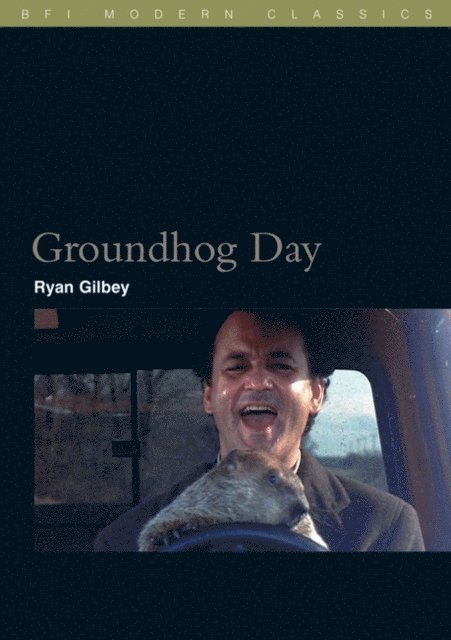
It is becoming clearer and clearer that Groundhog Day (1993), directed by Harold Ramis, is one of the masterpieces of 1990s Hollywood cinema. One of the first films to use a science-fiction premise as the basis for romantic comedy, it tells the story of a splenetic TV weatherman, Phil Connors (Bill Murray at his disreputable best), who finds himself repeating indefinitely one drab day in the milk-and-cookies town of Punxsutawney, Pennsylvania. At first glance it seems like a feel-good parable in the tradition of Frank Capra''s It''s a Wonderful Life (1943). But on closer inspection it is a deeply ambivalent fable, with strong echoes of Samuel Beckett: before he finds redemption Phil must plumb the depths of suicidal despair - and even after he has survived this, the film offers no guarantees that he will live happily ever after. Ryan Gilbey begins his account of Groundhog Day with the long and unlucky gestation of the script by Danny Rubin (who was interviewed specially for this book) which formed the basis of the finished film. Gilbey celebrates the inspired casting of Murray, alongside Andie MacDowell and less well-known actors such as Stephen Tobolowsky (who plays the reptilian sa
Häftad, Engelska, 2026
171 kr
Skickas
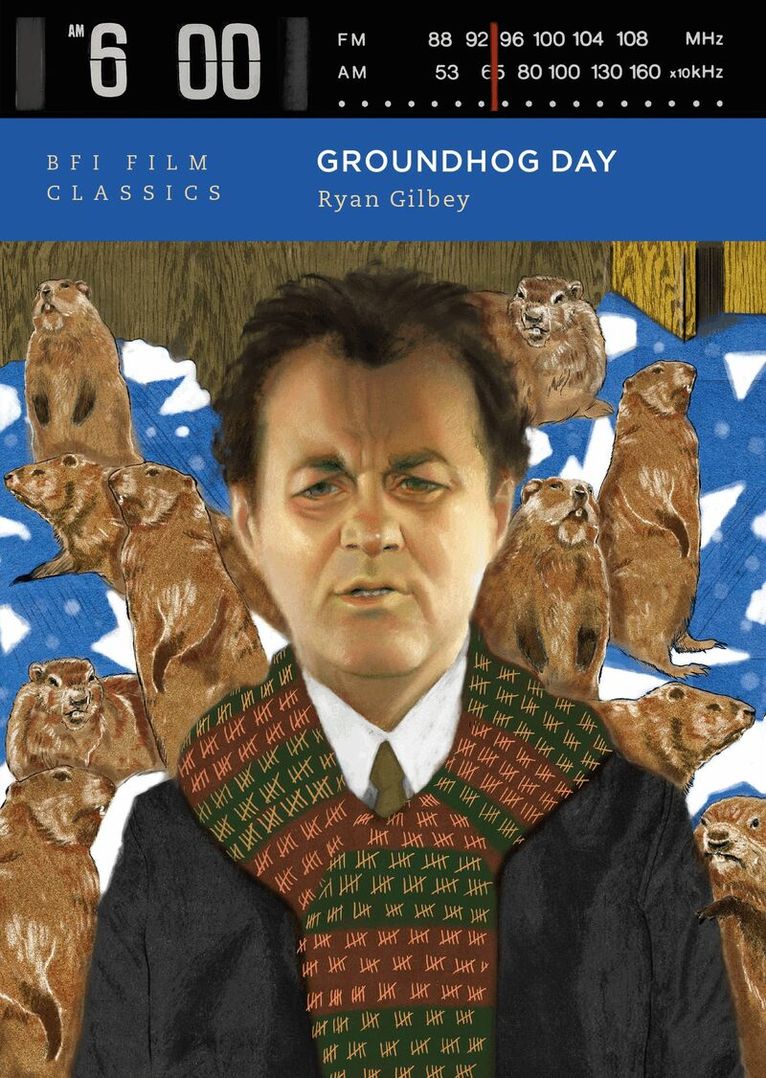
Groundhog Day (1993), directed by Harold Ramis and starring Bill Murray, is widely regarded as one of the most original and enduring films of 1990s Hollywood. What begins as a high-concept romantic comedy about a cynical television weatherman forced to repeatedly relive the same day soon deepens into a tale of despair and renewal, coloured by existential unease and the spirit of Samuel Beckett.In this engaging study, Ryan Gilbey traces the film’s unlikely journey from Danny Rubin’s speculative script, centred on a man condemned to eternity in a small town, to its transformation into a studio classic. Drawing on fresh interviews with Rubin, Gilbey explores the inspired casting of Murray and Andie MacDowell, the film’s quietly radical structure, and the delicate balance between comedy and melancholy that gives Groundhog Day its lasting power.This new edition includes an afterword in which Gilbey reflects on the film’s continuing cultural impact, its themes of repetition and despair assuming fresh resonance in the wake of the Covid-19 pandemic with its cycle of lockdown and re-opening. He considers Groundhog Day’s influence on movies and television from Source Code (2011) and Edge of Tomorrow (2014) to Russian Doll (2019–2022) and I May Destroy You (2020), as well as the 2016 stage musical based on the movie. Groundhog Day, Gilbey argues, has become more than a film; it is now a lens through which we examine repetition, transformation and the rhythms of contemporary life.
E-bok
Engelska, 2026178 kr
Läs direkt efter köp
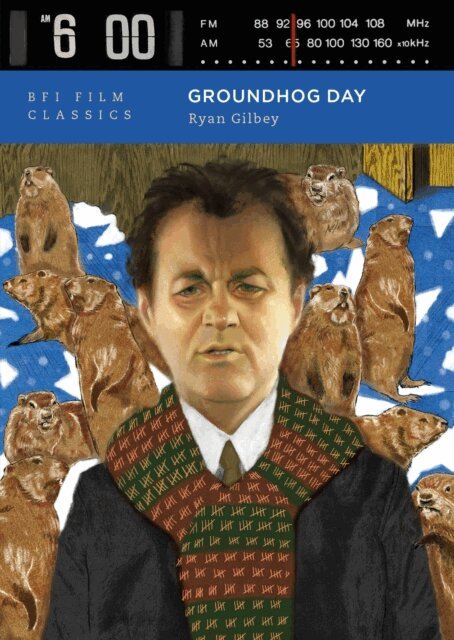
Groundhog Day (1993), directed by Harold Ramis and starring Bill Murray, is widely regarded as one of the most original and enduring films of 1990s Hollywood. What begins as a high-concept romantic comedy about a cynical television weatherman forced to repeatedly relive the same day soon deepens into a tale of despair and renewal, coloured by existential unease and the spirit of Samuel Beckett.In this engaging study, Ryan Gilbey traces the film's unlikely journey from Danny Rubin's speculative script, centred on a man condemned to eternity in a small town, to its transformation into a studio classic. Drawing on fresh interviews with Rubin, Gilbey explores the inspired casting of Murray and Andie MacDowell, the film's quietly radical structure, and the delicate balance between comedy and melancholy that gives Groundhog Day its lasting power.This new edition includes an afterword in which Gilbey reflects on the film's continuing cultural impact, its themes of repetition and despair assuming fresh resonance in the wake of the Covid-19 pandemic with its cycle of lockdown and re-opening. He considers Groundhog Day's influence on movies and television from Source Code (2011) and Edge of Tomorrow (2014) to Russian Doll (2019 2022) and I May Destroy You (2020), as well as the 2016 stage musical based on the movie. Groundhog Day, Gilbey argues, has become more than a film; it is now a lens through which we examine repetition, transformation and the rhythms of contemporary life.
E-bok
PDF, Engelska, 2026178 kr
Läs direkt efter köp
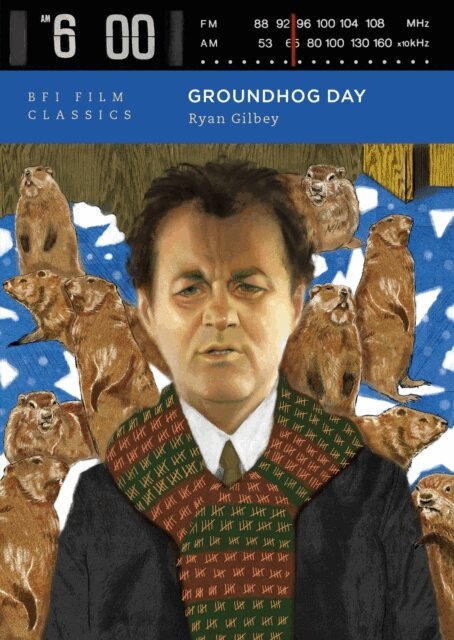
Groundhog Day (1993), directed by Harold Ramis and starring Bill Murray, is widely regarded as one of the most original and enduring films of 1990s Hollywood. What begins as a high-concept romantic comedy about a cynical television weatherman forced to repeatedly relive the same day soon deepens into a tale of despair and renewal, coloured by existential unease and the spirit of Samuel Beckett.In this engaging study, Ryan Gilbey traces the film's unlikely journey from Danny Rubin's speculative script, centred on a man condemned to eternity in a small town, to its transformation into a studio classic. Drawing on fresh interviews with Rubin, Gilbey explores the inspired casting of Murray and Andie MacDowell, the film's quietly radical structure, and the delicate balance between comedy and melancholy that gives Groundhog Day its lasting power.This new edition includes an afterword in which Gilbey reflects on the film's continuing cultural impact, its themes of repetition and despair assuming fresh resonance in the wake of the Covid-19 pandemic with its cycle of lockdown and re-opening. He considers Groundhog Day's influence on movies and television from Source Code (2011) and Edge of Tomorrow (2014) to Russian Doll (2019 2022) and I May Destroy You (2020), as well as the 2016 stage musical based on the movie. Groundhog Day, Gilbey argues, has become more than a film; it is now a lens through which we examine repetition, transformation and the rhythms of contemporary life.
Häftad, Engelska, 2004
196 kr
Skickas inom 5-8 vardagar
It is becoming clearer and clearer that Groundhog Day (1993), directed by Harold Ramis, is one of the masterpieces of 1990s Hollywood cinema. One of the first films to use a science-fiction premise as the basis for romantic comedy, it tells the story of a splenetic TV weatherman, Phil Connors (Bill Murray at his disreputable best), who finds himself repeating indefinitely one drab day in the milk-and-cookies town of Punxsutawney, Pennsylvania. At first glance it seems like a feel-good parable in the tradition of Frank Capra's It's a Wonderful Life (1943). But on closer inspection it is a deeply ambivalent fable, with strong echoes of Samuel Beckett: before he finds redemption Phil must plumb the depths of suicidal despair - and even after he has survived this, the film offers no guarantees that he will live happily ever after. Ryan Gilbey begins his account of Groundhog Day with the long and unlucky gestation of the script by Danny Rubin (who was interviewed specially for this book) which formed the basis of the finished film. Gilbey celebrates the inspired casting of Murray, alongside Andie MacDowell and less well-known actors such as Stephen Tobolowsky (who plays the reptilian sa
Häftad, Engelska, 2005
559 kr
Skickas inom 5-8 vardagar
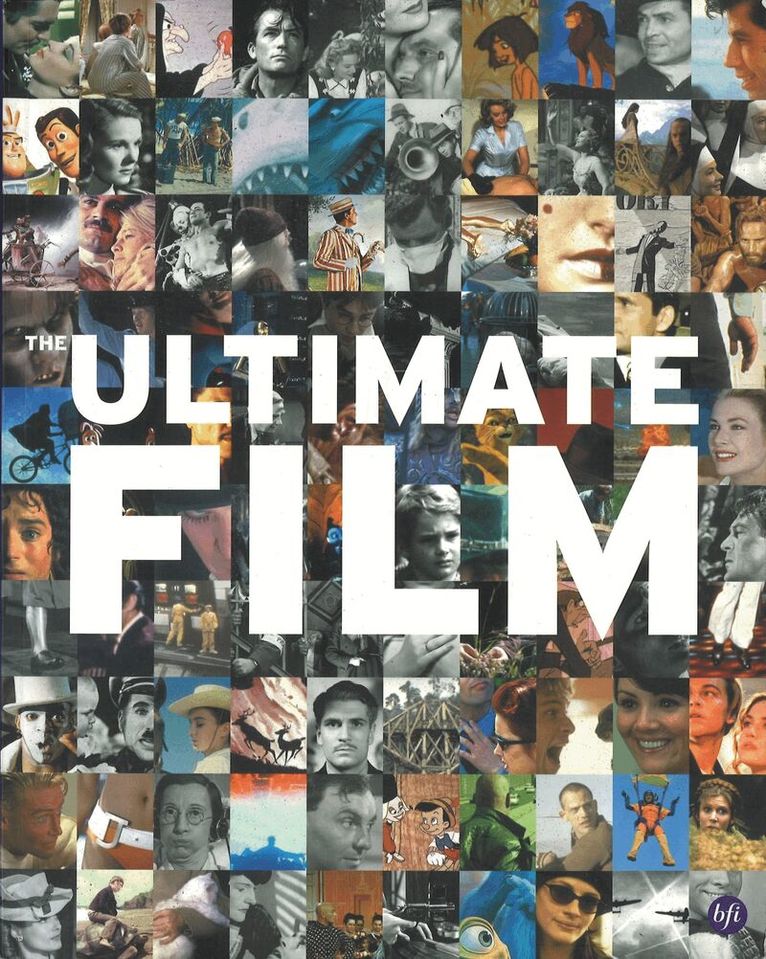
One of the most revealing snapshots of British cinema-going ever produced, The Ultimate Film is the definitive list of the all-time top 100 films based on UK cinema admissions. From the 1930s to the present, the chart shows the diverse tastes that come together to make up Britain's choice of film favourites. Is Harry Potter more popular than The Lord of the Rings? How does Bond compare with Bridget Jones? The Ultimate Film has the answers taking the reader from Carry on Nurse to A Clockwork Orange, South Pacific to Star Wars and Ben Hur all the way to Doctor Zhivago. Each film is looked at in turn. What did the critics think of it when it was released and, with the benefit of hindsight, were they right? Who were the stars and who directed the action? What happened behind the scenes? What other films were being lauded at the same time? What was happening in the country and the wider world that led the film to be made, and then made it so popular? Sure to provoke debate and discussion, this fascinating and lavishly illustrated book tells us much about our shared history, culture and attitudes and will undoubtedly rekindle memories and experiences as everyone will be able to point to their personal history, interwoven with some of these films. This is the first time a list has been compiled based on the films people have most wanted to see. Some of the results will come as a surprise and the list has much to tell us about how we once were, and how cinema going has played no small part in shaping our culture and helped make us the way we are today.