S. Mark Heim - Böcker
Visar alla böcker från författaren S. Mark Heim. Handla med fri frakt och snabb leverans.
7 produkter
7 produkter
296 kr
Skickas inom 7-10 vardagar
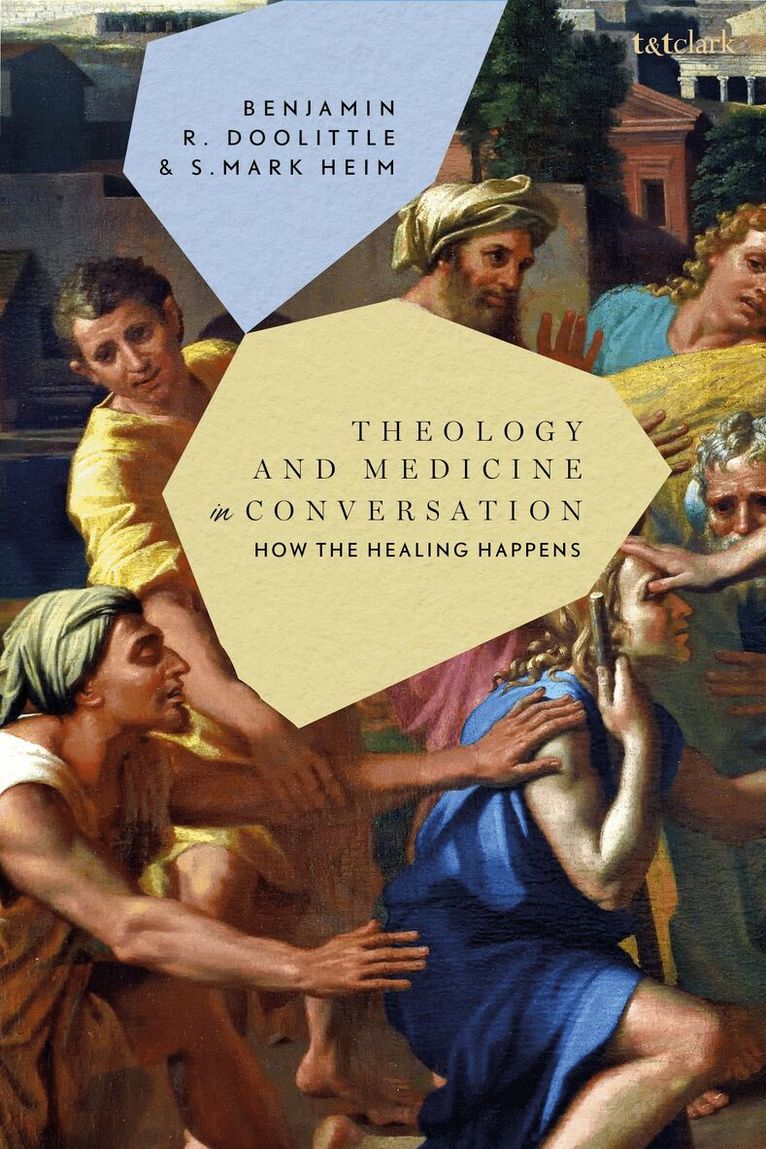
Doolittle and Heim examine the complex interplay between modern medicine, religion, and spirituality. Medicine and religion share many concerns: suffering and illness, healing and well-being. The biological model of illness empowers medicine to bring dramatic improvements in physical health. At the same time, modern medicine often ignores the spiritual needs of patients and deeper challenges of holistic healing. In turn, religious institutions have always supported people through suffering, and often pioneer the delivery of health care to those in need. However, religious convictions sometimes conflict with medical perspectives; and some forms of religious belief and practice may be injurious to health. Each side can stereotype the other---medicine as sterile and unfeeling, religion as irrational and injurious. This book draws upon broad resources of Biblical theology, history, and contemporary thought to explore questions of faith, the role of the church, the lived experience of illness, and the modern practice of medicine. Designed for classroom use this title will enable students to:- Explore the Christian understanding of illness and healing as informed by the Gospels, the early church, medieval theology, and contemporary theologians- Addresses contemporary issues of illness, such as cancer, AIDS, addiction, and the pandemics through a theological lens- Explore how religious observance and spirituality are associated with beneficial health outcomes- Reconcile deep questions of illness and suffering through a deeper understanding of theology and modern medicine
1 022 kr
Skickas inom 5-8 vardagar
Doolittle and Heim examine the complex interplay between modern medicine, religion, and spirituality. Medicine and religion share many concerns: suffering and illness, healing and well-being. The biological model of illness empowers medicine to bring dramatic improvements in physical health. At the same time, modern medicine often ignores the spiritual needs of patients and deeper challenges of holistic healing. In turn, religious institutions have always supported people through suffering, and often pioneer the delivery of health care to those in need. However, religious convictions sometimes conflict with medical perspectives; and some forms of religious belief and practice may be injurious to health. Each side can stereotype the other---medicine as sterile and unfeeling, religion as irrational and injurious. This book draws upon broad resources of Biblical theology, history, and contemporary thought to explore questions of faith, the role of the church, the lived experience of illness, and the modern practice of medicine. Designed for classroom use this title will enable students to:- Explore the Christian understanding of illness and healing as informed by the Gospels, the early church, medieval theology, and contemporary theologians- Addresses contemporary issues of illness, such as cancer, AIDS, addiction, and the pandemics through a theological lens- Explore how religious observance and spirituality are associated with beneficial health outcomes- Reconcile deep questions of illness and suffering through a deeper understanding of theology and modern medicine
Grounds for Understanding: Ecumenical Resources for Responses to Religious Pluralism
Häftad, Engelska, 1998
369 kr
Skickas inom 3-6 vardagar
369 kr
Skickas inom 3-6 vardagar
367 kr
Skickas inom 10-15 vardagar
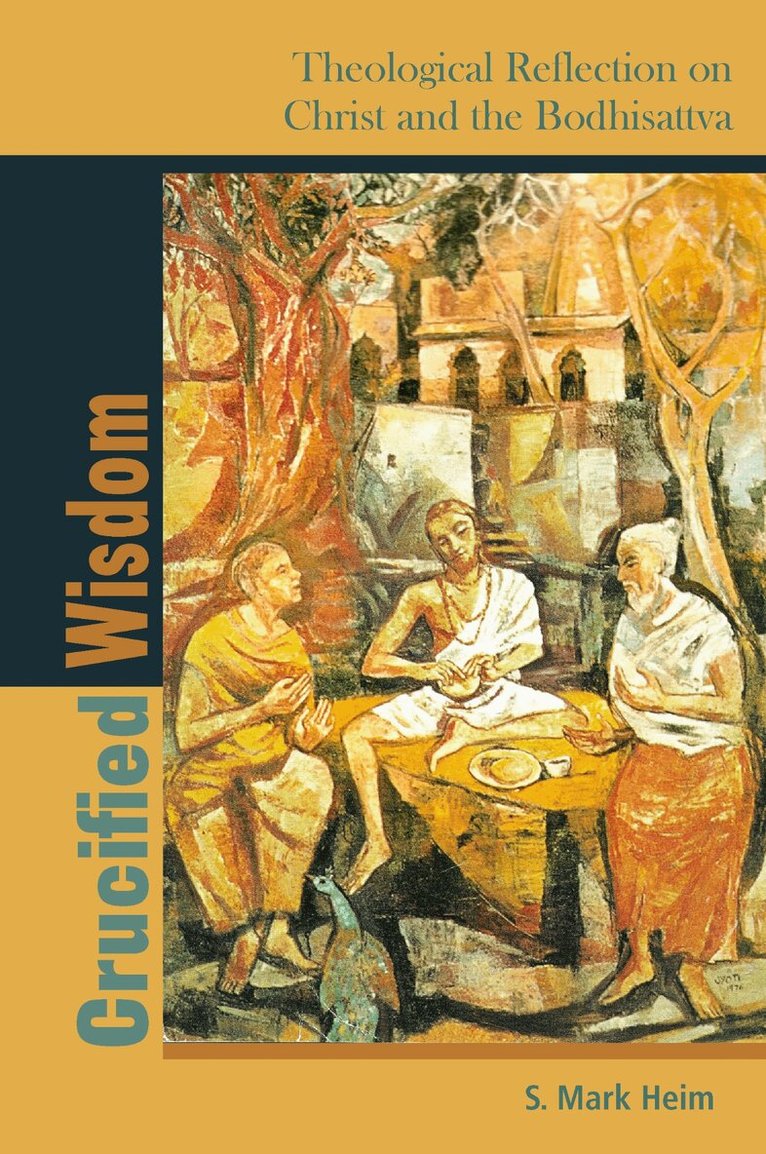
Winner of the Frederick Streng Book Award for Excellence in Buddhist-Christian Studies This work provides the first systematic discussion of the Bodhisattva path and its importance for constructive Christian theology. Crucified Wisdom examines specific Buddhist traditions, texts, and practices not as phenomena whose existence requires an apologetic justification but as wells of tested wisdom that invite theological insight. With the increasing participation of Christians in Buddhist practice, many are seeking a deeper understanding of the way the teachings of the two traditions might interface. Christ and the Bodhisattva are often compared superficially in Buddhist–Christian discussion. This text combines a rich exposition of the Bodhisattva path, using Śāntideva's classic work the Bodicaryāvatāra and subsequent Tibetan commentators, with detailed reflection on its implications for Christian faith and practice.Author S. Mark Heim lays out root tensions constituted by basic Buddhist teachings on the one hand, and Christian teachings on the other, and the ways in which the Bodhisattva or Christ embody and resolve the resulting paradoxes in their respective traditions. An important contribution to the field of comparative theology in general and to the area of Buddhist–Christian studies in particular, Crucified Wisdom proposes that Christian theology can take direct instruction from Mahāyāna Buddhism in two respects: deepening its understanding of our creaturely nature through no-self insights, and revising its vision of divine immanence in dialogue with teachings of emptiness. Heim argues that Christians may affirm the importance of novelty in history, the enduring significance of human persons, and the Trinitarian reality of God, even as they learn to value less familiar, nondual dimensions of Christ's incarnation, human redemption, and the divine life.Crucified Wisdom focuses on questions of reconciliation and atonement in Christian theology and explores the varying interpretations of the crucifixion of Jesus in Buddhist–Christian discussion. The Bodhisattva path is central for major contemporary Buddhist voices such as the Dalai Lama and Thích Nhât Hanh, who figure prominently as conversation partners in the text. This work will be of particular value for those interested in "dual belonging" in connection to these traditions.
1 181 kr
Skickas inom 10-15 vardagar
Winner of the Frederick Streng Book Award for Excellence in Buddhist-Christian Studies This work provides the first systematic discussion of the Bodhisattva path and its importance for constructive Christian theology. Crucified Wisdom examines specific Buddhist traditions, texts, and practices not as phenomena whose existence requires an apologetic justification but as wells of tested wisdom that invite theological insight. With the increasing participation of Christians in Buddhist practice, many are seeking a deeper understanding of the way the teachings of the two traditions might interface. Christ and the Bodhisattva are often compared superficially in Buddhist–Christian discussion. This text combines a rich exposition of the Bodhisattva path, using Śāntideva's classic work the Bodicaryāvatāra and subsequent Tibetan commentators, with detailed reflection on its implications for Christian faith and practice.Author S. Mark Heim lays out root tensions constituted by basic Buddhist teachings on the one hand, and Christian teachings on the other, and the ways in which the Bodhisattva or Christ embody and resolve the resulting paradoxes in their respective traditions. An important contribution to the field of comparative theology in general and to the area of Buddhist–Christian studies in particular, Crucified Wisdom proposes that Christian theology can take direct instruction from Mahāyāna Buddhism in two respects: deepening its understanding of our creaturely nature through no-self insights, and revising its vision of divine immanence in dialogue with teachings of emptiness. Heim argues that Christians may affirm the importance of novelty in history, the enduring significance of human persons, and the Trinitarian reality of God, even as they learn to value less familiar, nondual dimensions of Christ's incarnation, human redemption, and the divine life.Crucified Wisdom focuses on questions of reconciliation and atonement in Christian theology and explores the varying interpretations of the crucifixion of Jesus in Buddhist–Christian discussion. The Bodhisattva path is central for major contemporary Buddhist voices such as the Dalai Lama and Thích Nhât Hanh, who figure prominently as conversation partners in the text. This work will be of particular value for those interested in "dual belonging" in connection to these traditions.
234 kr
Skickas inom 7-10 vardagar
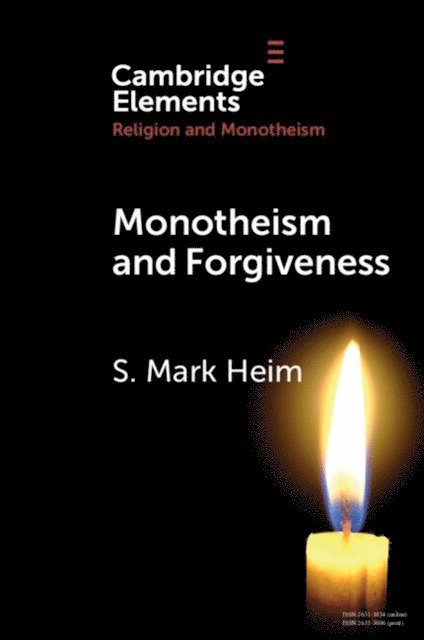
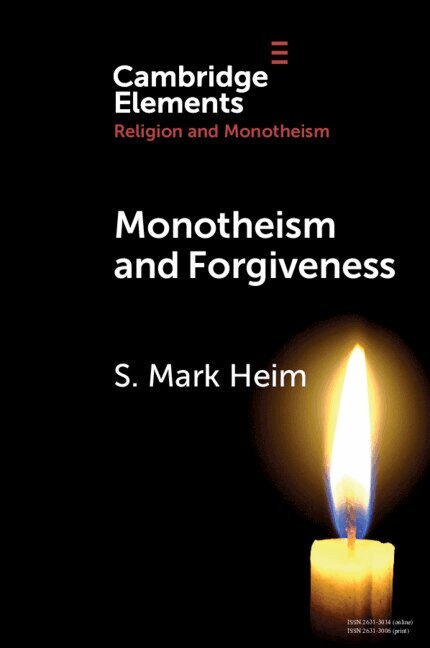
Forgiveness is a hallmark teaching within monotheistic religions. This Element introduces the topic in three ways. First, it considers the extent to which forgiveness is specific to or constituted by monotheistic beliefs, by a comparison with analogous teaching and practice in Buddhism. Second, the most extensive section explores the grammar of forgiveness shared across the Abrahamic traditions of Judaism, Christianity and Islam - elements of repentance, intercession, and eschatological deferral. This section identifies some of the divergent tendencies or emphases on this topic among those traditions. A third section addresses the role of forgiveness and monotheistic religions in human cultural evolution and the emergence of eusociality. The aim is for the reader to gain an introductory view of monotheism and forgiveness from a comparative religious example, from an internal examination of Abrahamic traditions, and from a developmental, secular perspective.