S. Montgomery Ewegen – författare
Visar alla böcker från författaren S. Montgomery Ewegen. Handla med fri frakt och snabb leverans.
11 produkter
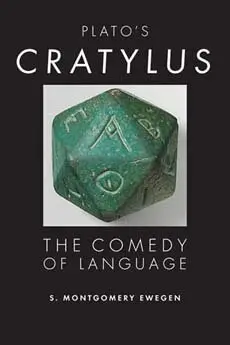
Plato's Cratylus
The Comedy of Language
Inbunden, 2013
458 kr
Lägg i varukorg
Plato's dialogue Cratylus focuses on being and human dependence on words, or the essential truths about the human condition. Arguing that comedy is an essential part of Plato's concept of language, S. Montgomery Ewegen asserts that understanding the comedic is key to an understanding of Plato's …
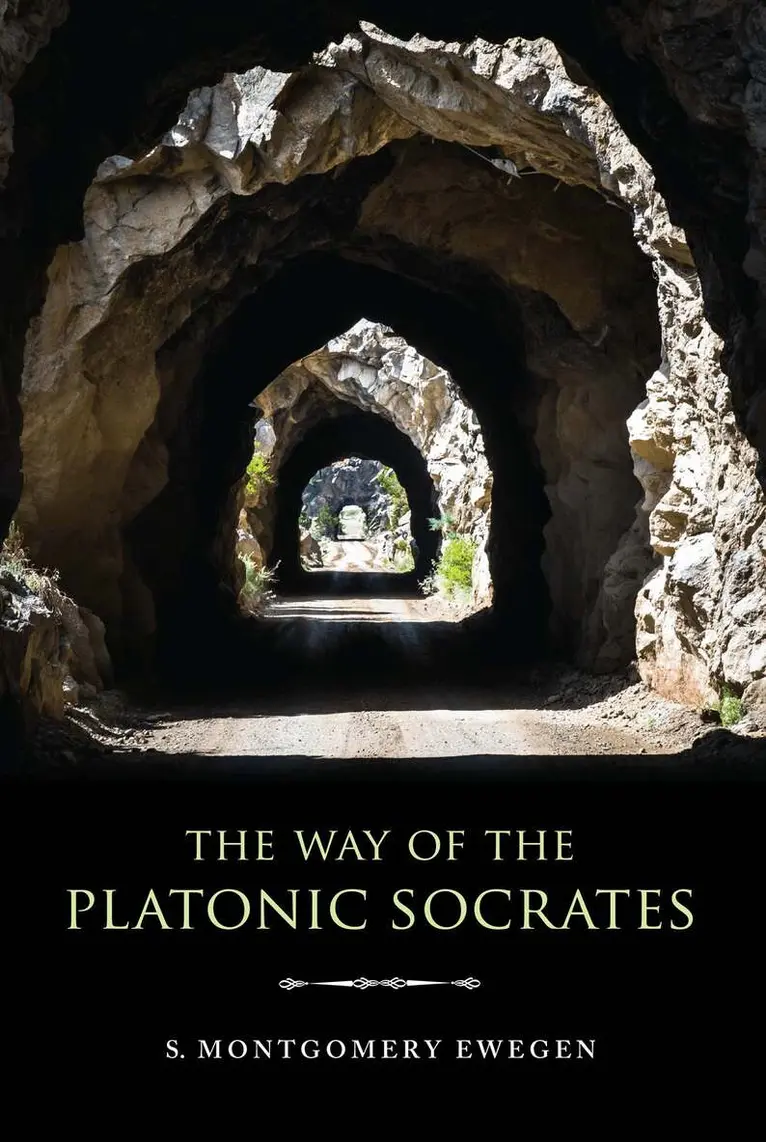
Way of the Platonic Socrates
Inbunden, 2020
901 kr
Lägg i varukorg
Who is Socrates? While most readers know him as the central figure in Plato's work, he is hard to characterize. In this book, S. Montgomery Ewegen opens this long-standing and difficult question once again. Reading Socrates against a number of Platonic texts, Ewegen sets out to understand the way …
Way of the Platonic Socrates
Häftad, 2020
272 kr
Lägg i varukorg
Who is Socrates? While most readers know him as the central figure in Plato's work, he is hard to characterize. In this book, S. Montgomery Ewegen opens this long-standing and difficult question once again. Reading Socrates against a number of Platonic texts, Ewegen sets out to understand the way …
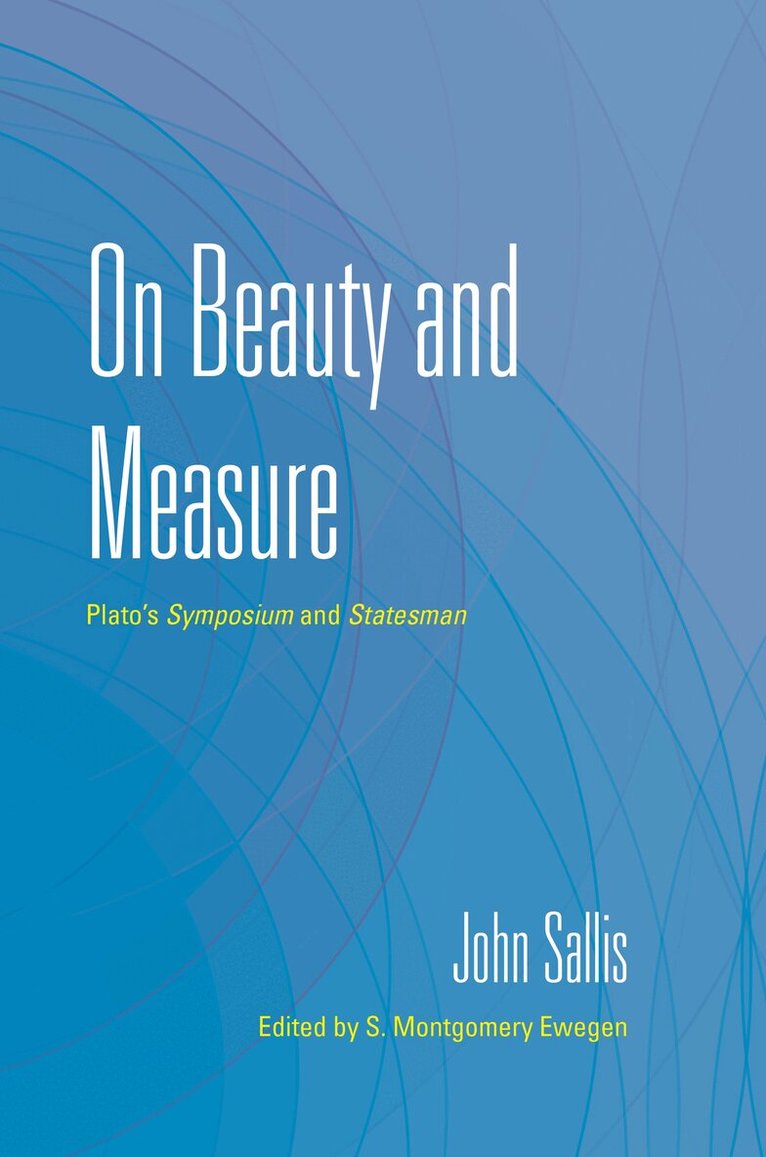
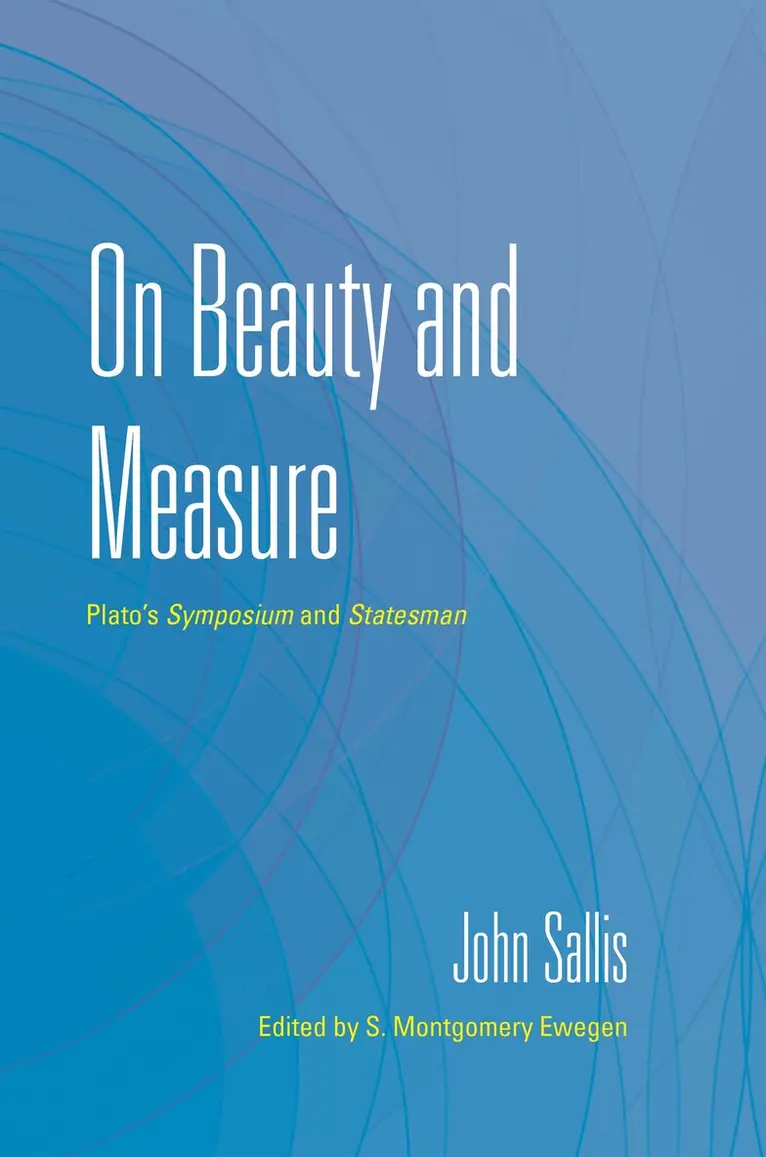
On Beauty and Measure
Plato's Symposium and Statesman
Av John Sallis, S. Montgomery Ewegen
Inbunden, 2021
845 kr
Lägg i varukorg
On Beauty and Measure features renowned philosopher John Sallis' commentaries on Plato's dialogues the Symposium and the Statesman. Drawn from two lecture courses delivered by Sallis, they represent his longest and most sustained engagement to date with either work. Brilliantly original, Sallis's …
On Beauty and Measure
Plato's Symposium and Statesman
Av John Sallis, S. Montgomery Ewegen
Häftad, 2021
209 kr
Lägg i varukorg
On Beauty and Measure features renowned philosopher John Sallis' commentaries on Plato's dialogues the Symposium and the Statesman. Drawn from two lecture courses delivered by Sallis, they represent his longest and most sustained engagement to date with either work. Brilliantly original, Sallis's …
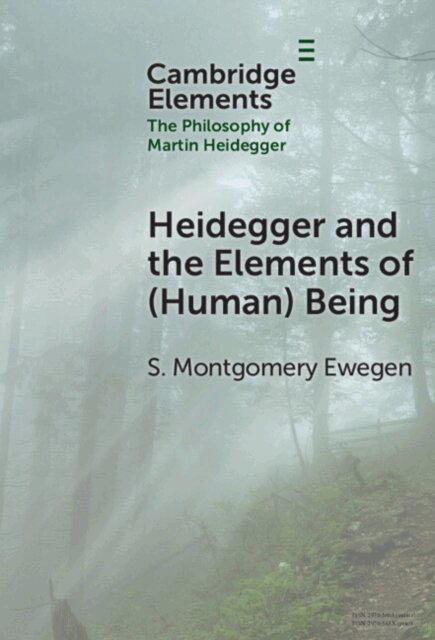
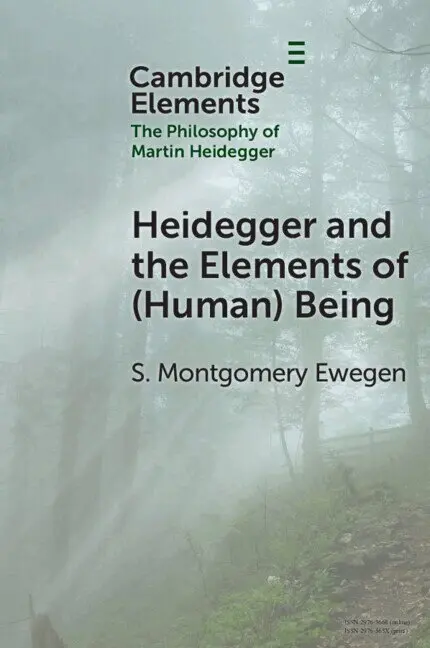
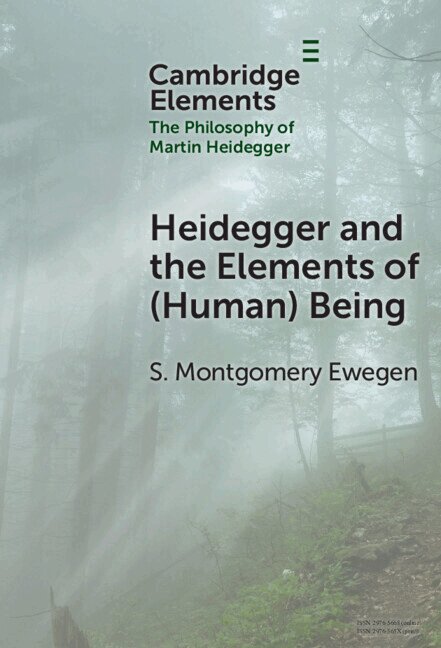
Heidegger and the Elements of (Human) Being
Häftad, 2025
267 kr
Lägg i varukorg
By way of an analysis of Heidegger's use of the elements of earth, water, air, and fire as a means to describe the unfolding of being, this Element offers a novel account of Heidegger's understanding of the human. By covering a variety of texts from the late-20s through the early-50s (including …
Heidegger and the Elements of (Human) Being
Inbunden, 2025
829 kr
Lägg i varukorg
By way of an analysis of Heidegger's use of the elements of earth, water, air, and fire as a means to describe the unfolding of being, this Element offers a novel account of Heidegger's understanding of the human. By covering a variety of texts from the late-20s through the early-50s (including …
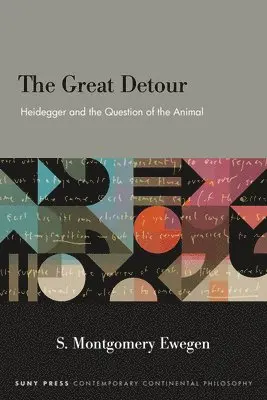
Great Detour
Heidegger and the Question of the Animal
Inbunden, 2025
1255 kr
Lägg i varukorg
An in-depth and unique take on Martin Heidegger's understanding of animality, showing that the question of the animal was central to Heidegger's philosophical project from beginning to end.The Great Detour offers an in-depth and unique take on Martin Heidegger's understanding of animality, showing …
Great Detour
Heidegger and the Question of the Animal
Häftad, 2026
405 kr
Lägg i varukorg
An in-depth and unique take on Martin Heidegger's understanding of animality, showing that the question of the animal was central to Heidegger's philosophical project from beginning to end.The Great Detour offers an in-depth and unique take on Martin Heidegger's understanding of animality, showing …