Sabina Mihelj - Böcker
Visar alla böcker från författaren Sabina Mihelj. Handla med fri frakt och snabb leverans.
8 produkter
8 produkter
1 703 kr
Skickas inom 10-15 vardagar
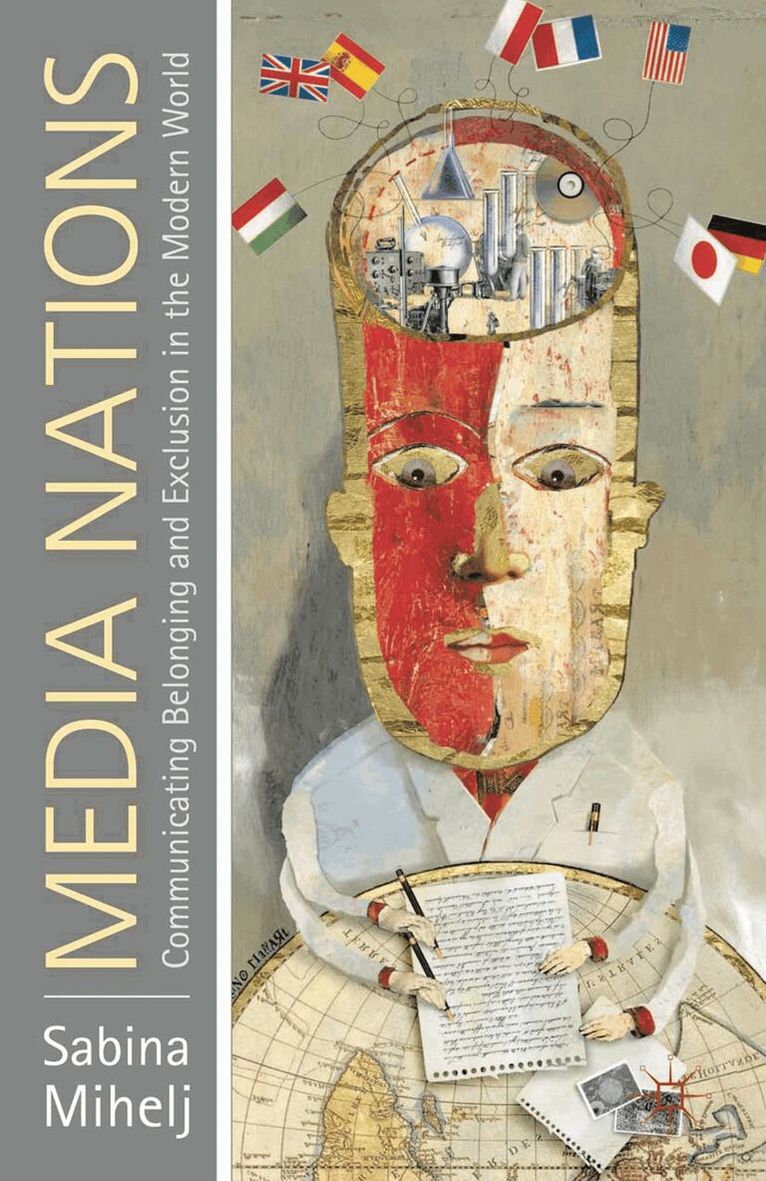
Media Nations: Communicating Belonging and Exclusion in the Modern World provides an original interdisciplinary introduction to the study of the media and nationalism in the modern world. Building on a range of international case studies and taking into account recent debates about globalization, cosmopolitanism and alternative modernities, Sabina Mihelj offers an insightful analysis that:- Argues for the continuing relevance of concepts such as nationalism and national identity in understanding the global patterns of mediated communication and identification- Bridges the gap between text-based analysis of national imagination and the more sociological concerns with the impact of media institutions and the broader political and economic context- Challenges the tacit ethnocentrism of existing debates, and opens up the study of nationalism and mass communication to the multiple trajectories of modernity around the globeMedia Nations is an important and timely contribution to debates on the media, nationalism and modernity.Sabina Mihelj has worked and studied in Slovenia, Hungary, and Germany, and is currently a Lecturer in Media, Communication and Culture at Loughborough University, (UK). Her research centres on issues of collective identity formation and mass communication, with particular reference to nationalism, European integration, religion and communism.
488 kr
Skickas inom 10-15 vardagar
Media Nations: Communicating Belonging and Exclusion in the Modern World provides an original interdisciplinary introduction to the study of the media and nationalism in the modern world. Building on a range of international case studies and taking into account recent debates about globalization, cosmopolitanism and alternative modernities, Sabina Mihelj offers an insightful analysis that:- Argues for the continuing relevance of concepts such as nationalism and national identity in understanding the global patterns of mediated communication and identification- Bridges the gap between text-based analysis of national imagination and the more sociological concerns with the impact of media institutions and the broader political and economic context- Challenges the tacit ethnocentrism of existing debates, and opens up the study of nationalism and mass communication to the multiple trajectories of modernity around the globeMedia Nations is an important and timely contribution to debates on the media, nationalism and modernity.Sabina Mihelj has worked and studied in Slovenia, Hungary, and Germany, and is currently a Lecturer in Media, Communication and Culture at Loughborough University, (UK). Her research centres on issues of collective identity formation and mass communication, with particular reference to nationalism, European integration, religion and communism.
1 521 kr
Skickas inom 7-10 vardagar
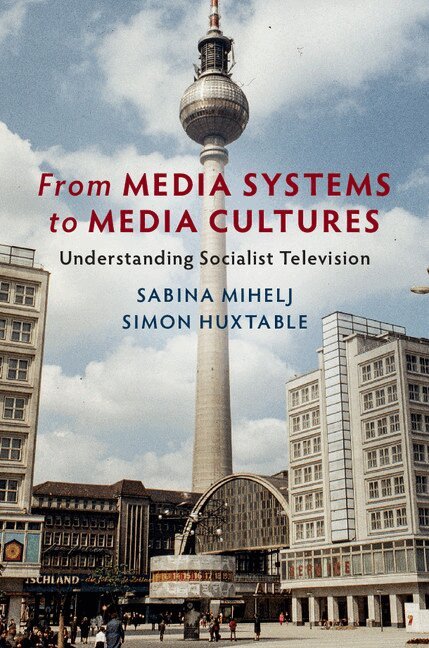
In From Media Systems to Media Cultures: Understanding Socialist Television, Sabina Mihelj and Simon Huxtable delve into the fascinating world of television under communism, using it to test a new framework for comparative media analysis. To understand the societal consequences of mass communication, the authors argue that we need to move beyond the analysis of media systems, and instead focus on the role of the media in shaping cultural ideals and narratives, everyday practices and routines. Drawing on a wealth of original data derived from archival sources, programme and schedule analysis, and oral history interviews, the authors show how communist authorities managed to harness the power of television to shape new habits and rituals, yet failed to inspire a deeper belief in communist ideals. This book and their analysis contains important implications for the understanding of mass communication in non-democratic settings, and provides tools for the analysis of media cultures globally.
507 kr
Skickas inom 7-10 vardagar
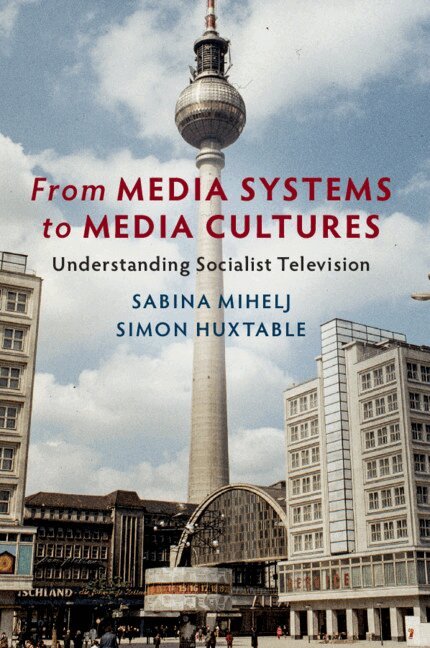
In From Media Systems to Media Cultures: Understanding Socialist Television, Sabina Mihelj and Simon Huxtable delve into the fascinating world of television under communism, using it to test a new framework for comparative media analysis. To understand the societal consequences of mass communication, the authors argue that we need to move beyond the analysis of media systems, and instead focus on the role of the media in shaping cultural ideals and narratives, everyday practices and routines. Drawing on a wealth of original data derived from archival sources, programme and schedule analysis, and oral history interviews, the authors show how communist authorities managed to harness the power of television to shape new habits and rituals, yet failed to inspire a deeper belief in communist ideals. This book and their analysis contains important implications for the understanding of mass communication in non-democratic settings, and provides tools for the analysis of media cultures globally.
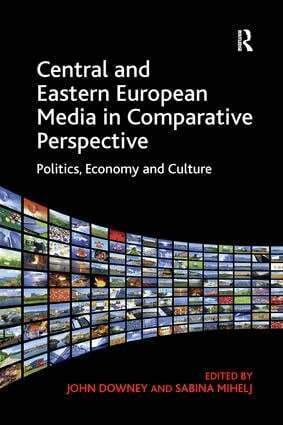
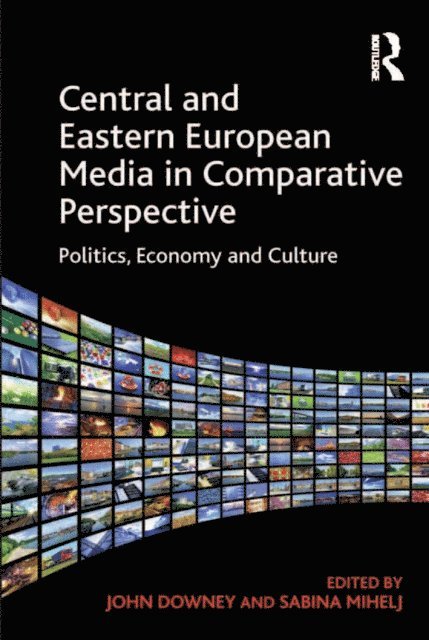
Central and Eastern European Media in Comparative Perspective
Politics, Economy and Culture
Häftad, Engelska, 2017
752 kr
Skickas inom 10-15 vardagar
Appearing more than twenty years after the revolutions in Central and Eastern Europe, this book could not have come at a more appropriate time; a time to take stock not only of the changes but also the continuities in media systems of the region since 1989. To what extent are media institutions still controlled by political forces? To what extent are media markets operating in Central and Eastern Europe? Do media systems in Central and Eastern Europe resemble media systems in other parts of Europe? The answers to these questions are not the same for each country in the region. Their experience is not homogeneous. An international line up of distinguished experts and emerging scholars methodically examine the different economic, political, cultural, and transnational factors affecting developments in media systems across Central and Eastern Europe. Whereas earlier works in the media system tradition have, in the main, adopted the political framework of comparative politics, the authors argue that media systems are also cultural and economic institutions and there are other critical variables that might explain certain outcomes better. Topics discussed range from political economy to gender inequality to the study of ethno-cultural diversity. This unmatched volume gives you the unique opportunity to study the growing field of comparative media analysis across Eastern and Western Europe. A valuable resource that goes beyond the field of media and cultural analysis which media scholars as well as to area specialists should not go without!
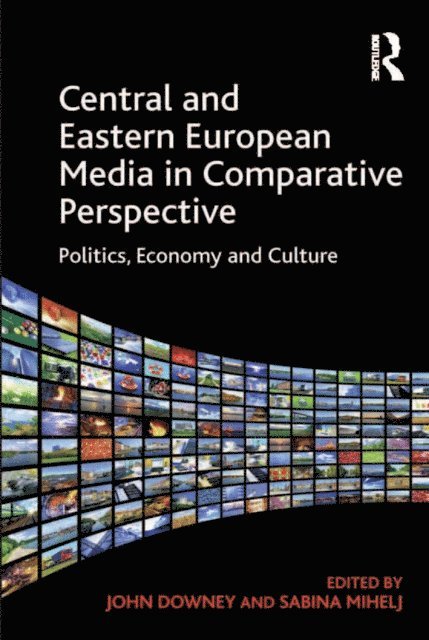
Central and Eastern European Media in Comparative Perspective
Politics, Economy and Culture
Inbunden, Engelska, 2012
2 155 kr
Skickas inom 10-15 vardagar
Appearing more than twenty years after the revolutions in Central and Eastern Europe, this book could not have come at a more appropriate time; a time to take stock not only of the changes but also the continuities in media systems of the region since 1989. To what extent are media institutions still controlled by political forces? To what extent are media markets operating in Central and Eastern Europe? Do media systems in Central and Eastern Europe resemble media systems in other parts of Europe? The answers to these questions are not the same for each country in the region. Their experience is not homogeneous. An international line up of distinguished experts and emerging scholars methodically examine the different economic, political, cultural, and transnational factors affecting developments in media systems across Central and Eastern Europe. Whereas earlier works in the media system tradition have, in the main, adopted the political framework of comparative politics, the authors argue that media systems are also cultural and economic institutions and there are other critical variables that might explain certain outcomes better. Topics discussed range from political economy to gender inequality to the study of ethno-cultural diversity. This unmatched volume gives you the unique opportunity to study the growing field of comparative media analysis across Eastern and Western Europe. A valuable resource that goes beyond the field of media and cultural analysis which media scholars as well as to area specialists should not go without!
536 kr
Skickas inom 10-15 vardagar
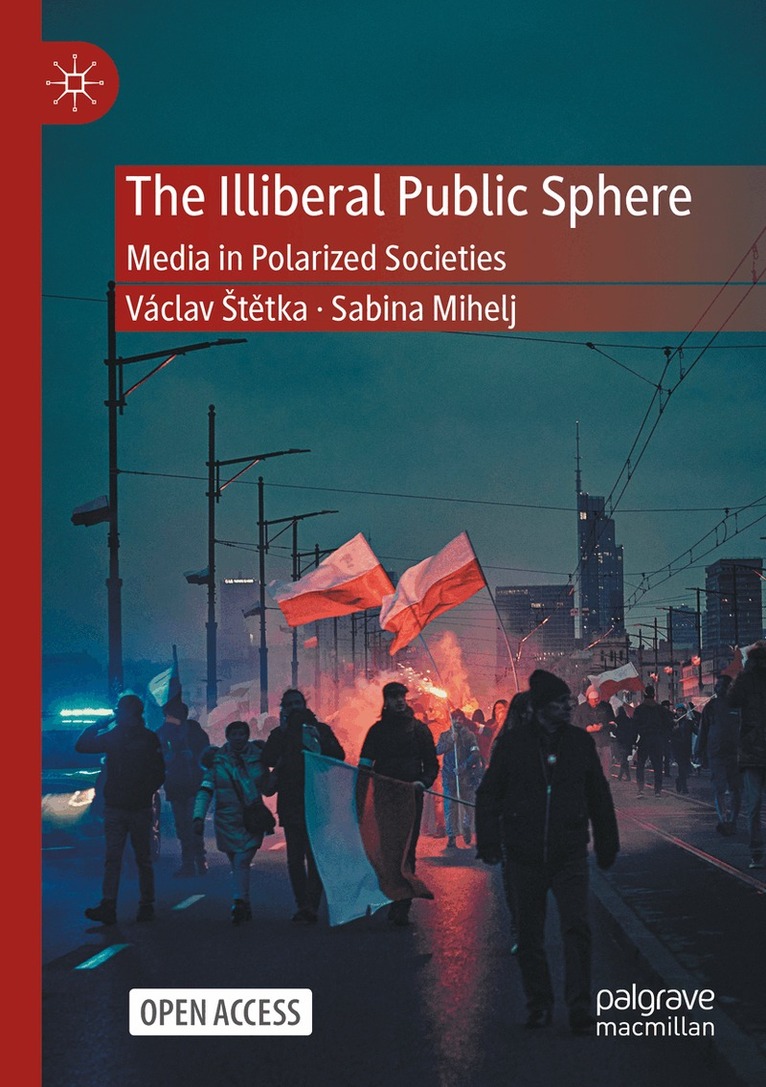
This open access book provides the first systematic analysis of the role of the media in the rise of illiberalism, based on an original theoretical framework and extensive empirical research in Eastern Europe – a region that serves as a key battleground in the global advance of illiberalism.
430 kr
Skickas inom 10-15 vardagar
This open access book provides the first systematic analysis of the role of the media in the rise of illiberalism, based on an original theoretical framework and extensive empirical research in Eastern Europe – a region that serves as a key battleground in the global advance of illiberalism. Liberal democracies across the world are facing a range of challenges, from the growing influence of illiberal leaders and parties to deepening polarization and declining trust in political elites and mainstream media. Although these developments attracted significant scholarly attention, the factors that contribute to the spreading of illiberalism remain poorly understood, and the communication perspective on illiberalism is particularly underdeveloped.Štětka and Mihelj address this gap by introducing the concept of the illiberal public sphere, identifying the key stages in its development, and explaining what makes illiberalism distinct from related phenomena such as populism. Their analysis reveals how and why the changing communication environment facilitates selective exposure to ideologically and politically homogeneous sources, fosters changes in normative assumptions that guide media trust, increases vulnerability to disinformation, and goes hand in hand with growing hostility to immigration and LGBTQ+ rights. The findings challenge widespread assumptions about digital platforms as key channels of illiberalism and suggest that their role shifts as the illiberal sphere progresses.The arguments presented in this book have important implications for future research on challenges to liberal democracy, as well as for journalists, media regulators and other professionals committed to rebuilding media trust and containing the forces of polarization.