Václav Štětka – författare
Visar alla böcker från författaren Václav Štětka. Handla med fri frakt och snabb leverans.
6 produkter
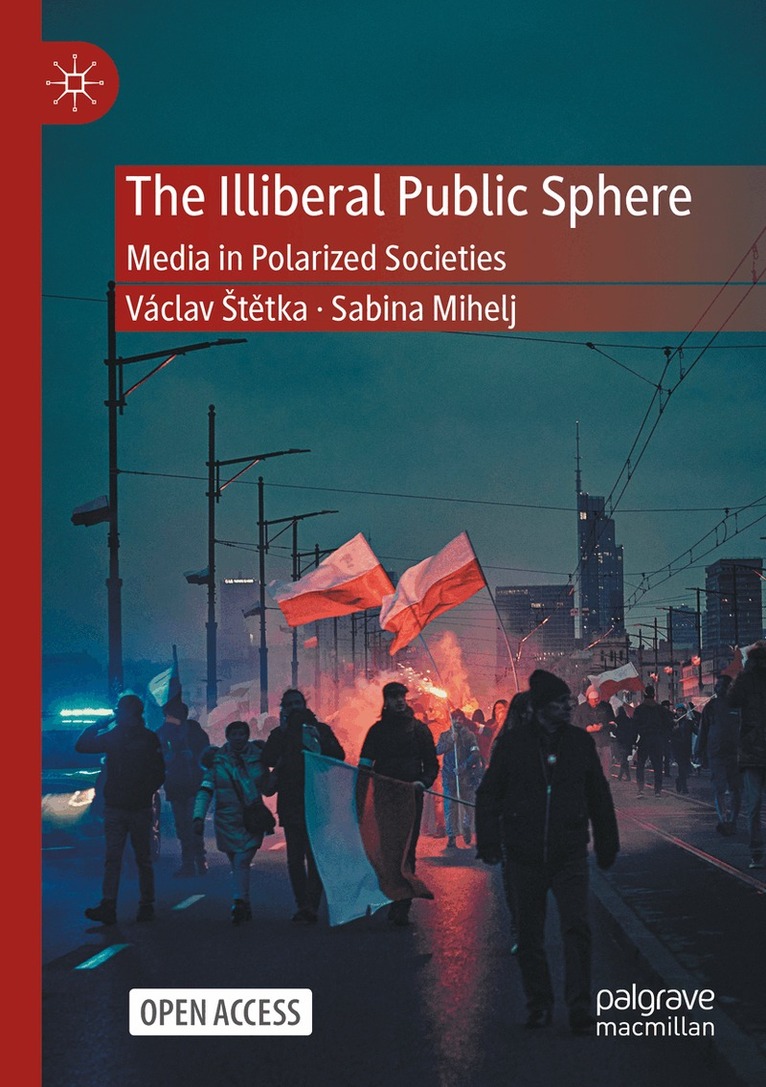
Illiberal Public Sphere
Media in Polarized Societies
Av Václav Štětka, Sabina Mihelj
Häftad, 2025
442 kr
Lägg i varukorg
This open access book provides the first systematic analysis of the role of the media in the rise of illiberalism, based on an original theoretical framework and extensive empirical research in Eastern Europe – a region that serves as a key battleground in the global advance of illiberalism. …
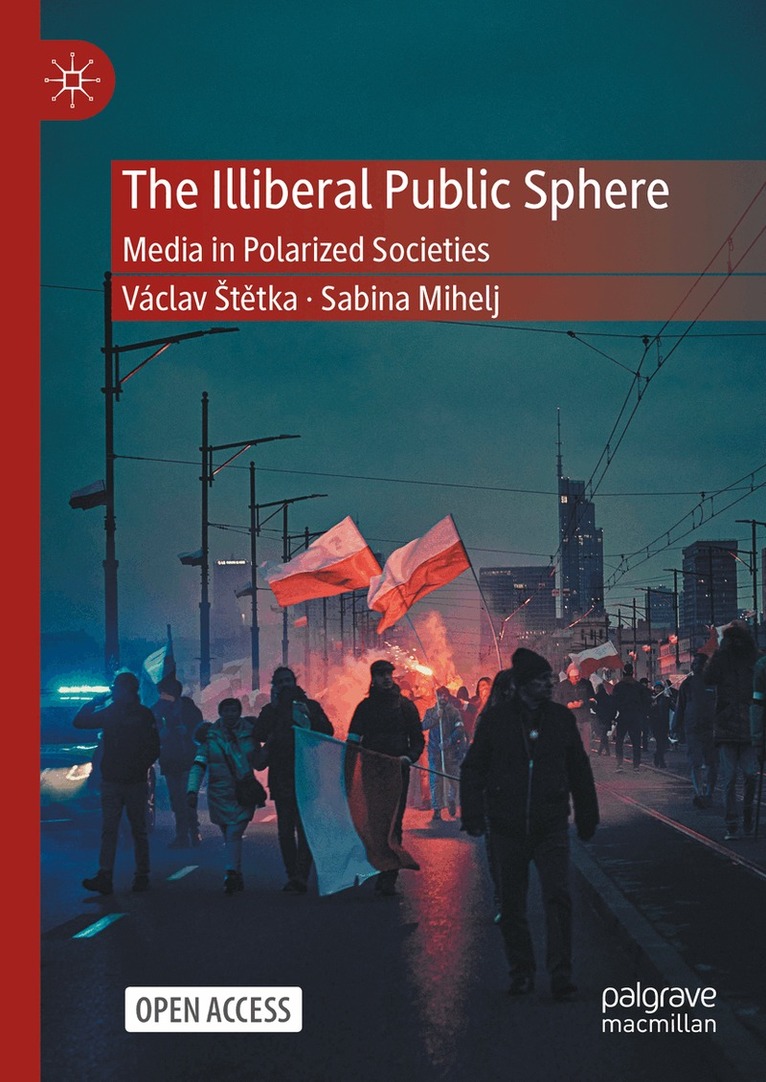
Illiberal Public Sphere
Media in Polarized Societies
Av Václav Štětka, Sabina Mihelj
Inbunden, 2024
551 kr
Lägg i varukorg
This open access book provides the first systematic analysis of the role of the media in the rise of illiberalism, based on an original theoretical framework and extensive empirical research in Eastern Europe – a region that serves as a key battleground in the global advance of illiberalism. …
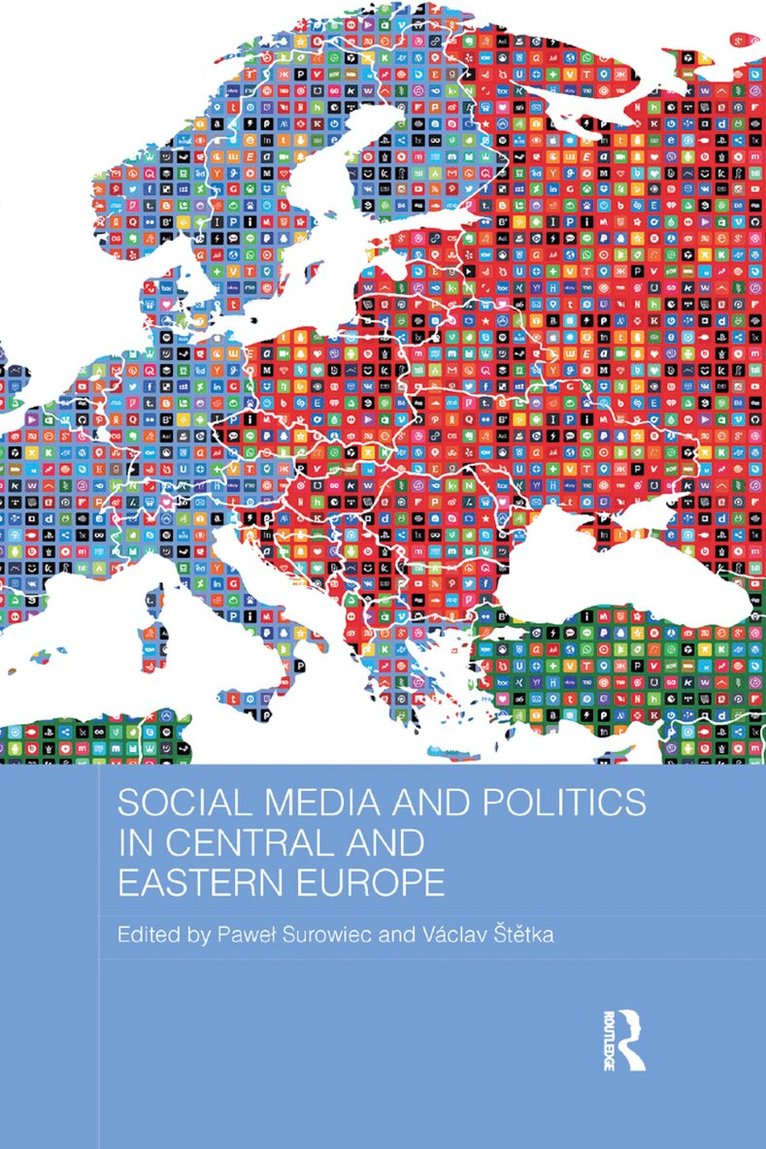
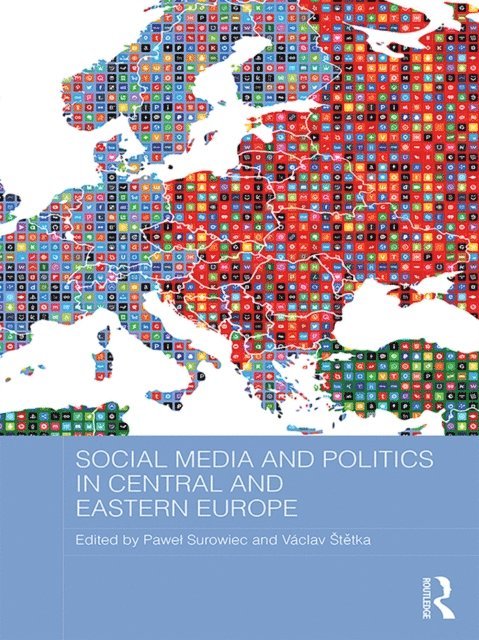
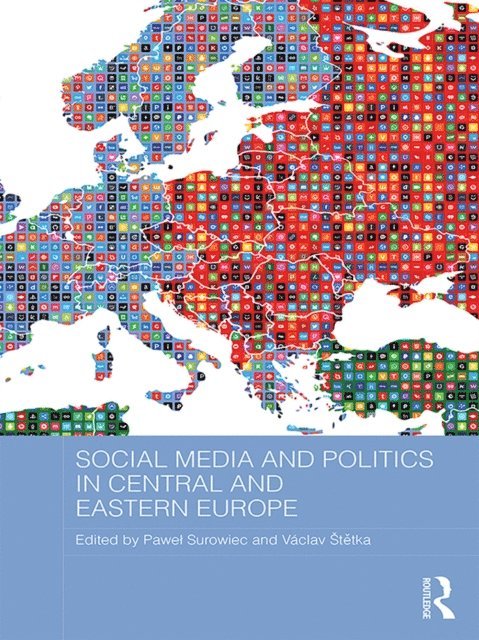
Social Media and Politics in Central and Eastern Europe
Av Paweł Surowiec, Václav Štětka
Häftad, 2019
780 kr
Lägg i varukorg
Social media are increasingly revolutionising the ways in which political communication works, and their importance for engaging citizens in politics and public affairs is well understood by political actors. This book surveys current developments in social media and politics in a range of Central …
Social Media and Politics in Central and Eastern Europe
Av Paweł Surowiec, Václav Štětka
Inbunden, 2017
3055 kr
Lägg i varukorg
Social media are increasingly revolutionising the ways in which political communication works, and their importance for engaging citizens in politics and public affairs is well understood by political actors. This book surveys current developments in social media and politics in a range of Central …
Social Media and Politics in Central and Eastern Europe
Av Vaclav Stetka, Pawel Surowiec
E-bok, 2017
915 kr
Lägg i varukorg
Social media are increasingly revolutionising the ways in which political communication works, and their importance for engaging citizens in politics and public affairs is well understood by political actors. This book surveys current developments in social media and politics in a range of Central …
Social Media and Politics in Central and Eastern Europe
Av Vaclav Stetka, Pawel Surowiec
E-bok, 2017
935 kr
Lägg i varukorg
Social media are increasingly revolutionising the ways in which political communication works, and their importance for engaging citizens in politics and public affairs is well understood by political actors. This book surveys current developments in social media and politics in a range of Central …