Sadhana Naithani - Böcker
Visar alla böcker från författaren Sadhana Naithani. Handla med fri frakt och snabb leverans.
8 produkter
8 produkter
727 kr
Skickas inom 10-15 vardagar
This book is a study of selected texts of British writings on Indian wildlife published between 1860 and 1960.Set in the context of British colonial rule in India, this book also reflects on similar situations across the British Empire and other colonial empires. The destruction of wildlife in the making of empires is a subject not yet fully explored in scholarship. This book aims to speak to global concerns regarding the extinction of several species and shows that the crisis has international roots. The Inhuman Empire breaks new grounds as it juxtaposes colonial narratives to folk narratives. These two types of narratives treat nonhuman animals very differently – folk narrative considers them sentient beings, while colonial narratives see them as ‘game’ and do not care for their sentience. Both types of narratives are further evaluated with reference to the contemporary position of natural sciences regarding animal sentience and of anthropologists and philosophers regarding the relationship between nature and culture. Analyzing colonial accounts of hunting, the author looks at the pain and suffering of nonhuman animals and combines statistics alongside narratives of British writers, Indian populace and nonhuman animals in order to show narratives' reflect and impact reality.This book will be of great value to those interested in Animal Studies, Folkloristics, the history of Colonialism and India.Sign up here for the table talk on Sadhana Naithani's book: Indian Animal Studies Collective | Table Talk Ep 37 (mailchi.mp)
2 176 kr
Skickas inom 10-15 vardagar
This book is a study of selected texts of British writings on Indian wildlife published between 1860 and 1960.Set in the context of British colonial rule in India, this book also reflects on similar situations across the British Empire and other colonial empires. The destruction of wildlife in the making of empires is a subject not yet fully explored in scholarship. This book aims to speak to global concerns regarding the extinction of several species and shows that the crisis has international roots. The Inhuman Empire breaks new grounds as it juxtaposes colonial narratives to folk narratives. These two types of narratives treat nonhuman animals very differently – folk narrative considers them sentient beings, while colonial narratives see them as ‘game’ and do not care for their sentience. Both types of narratives are further evaluated with reference to the contemporary position of natural sciences regarding animal sentience and of anthropologists and philosophers regarding the relationship between nature and culture. Analyzing colonial accounts of hunting, the author looks at the pain and suffering of nonhuman animals and combines statistics alongside narratives of British writers, Indian populace and nonhuman animals in order to show narratives' reflect and impact reality.This book will be of great value to those interested in Animal Studies, Folkloristics, the history of Colonialism and India.Sign up here for the table talk on Sadhana Naithani's book: Indian Animal Studies Collective | Table Talk Ep 37 (mailchi.mp)
1 202 kr
Skickas inom 7-10 vardagar
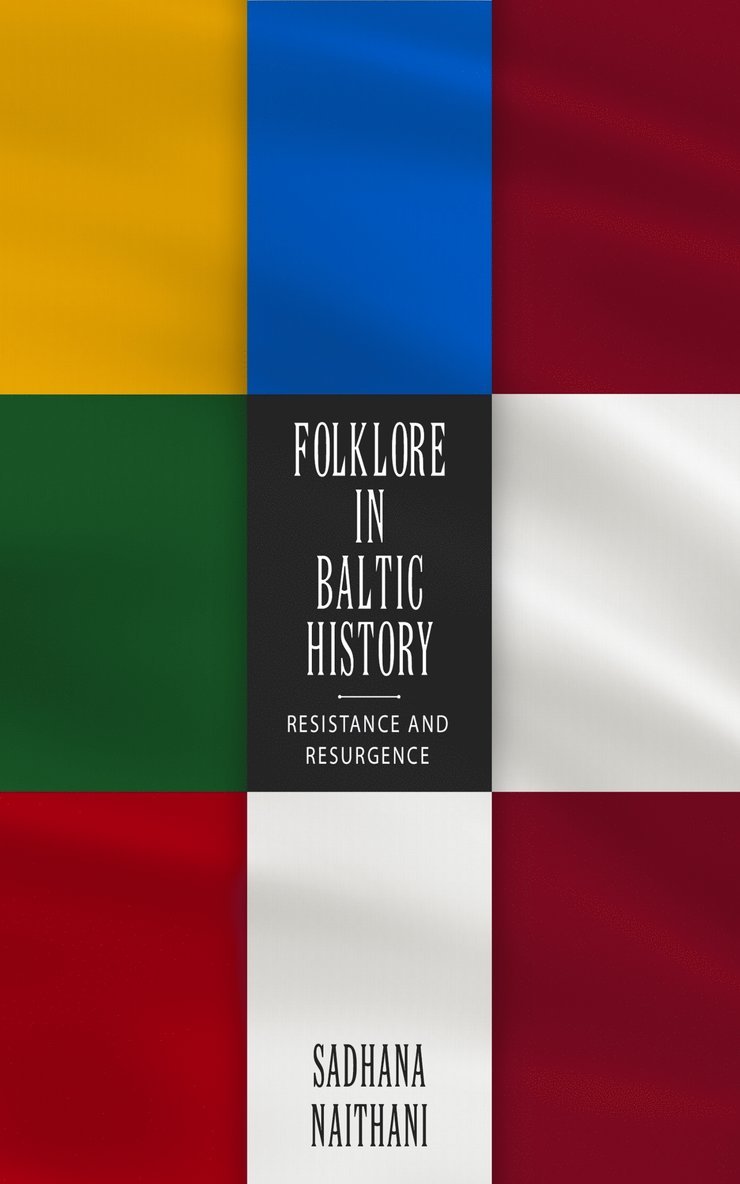
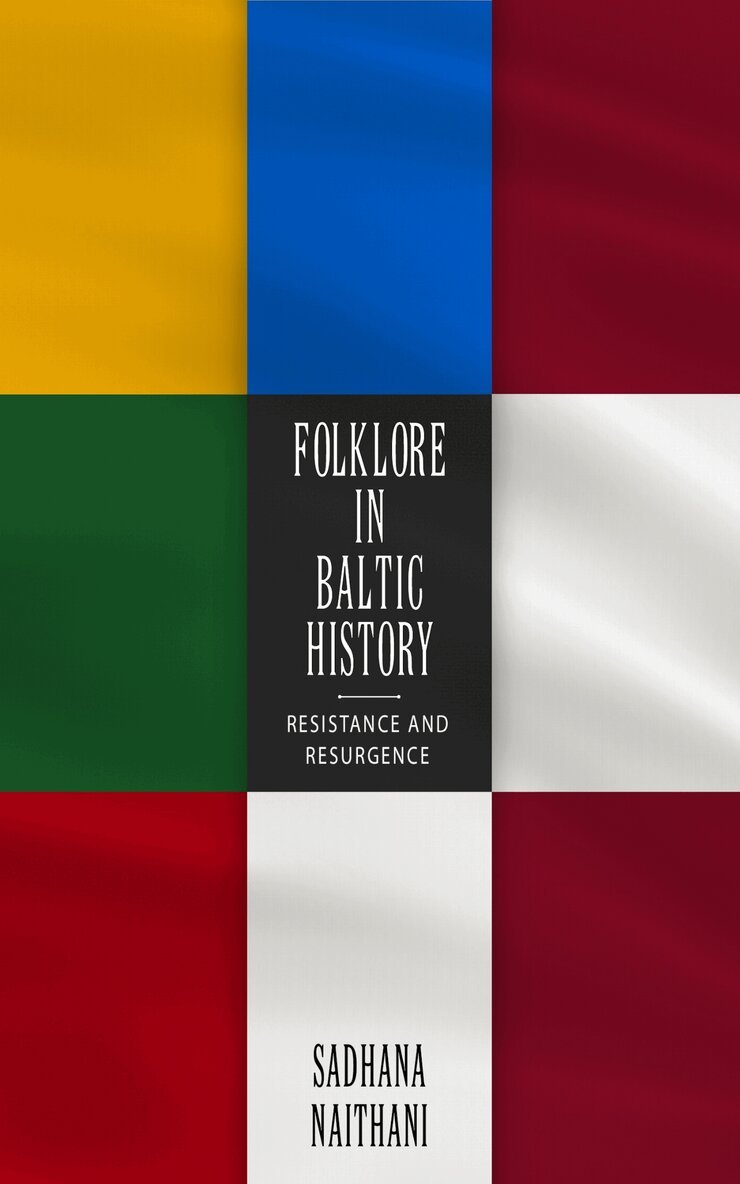
Folklore in the Baltic History: Resistance and Resurgence is about the role of folklore, folklore archives, and folklore studies in the contemporary history of Estonia, Latvia, and Lithuania—together called the Baltic countries. They were occupied by Russia, by Germany, and lastly by the USSR at the end of the Second World War. They regained freedom in 1991.The period under the rule of the USSR brought several changes to their societies and cultures. Individuals and institutions dealing with folklore—archives, university departments, and folklorists—came under special control, attack, and surveillance. Some of the pioneer folklorists escaped to other countries, but many others witnessed their institutions and the meaning of folklore studies transformed. The USSR did not stop folklore studies but led the field to new methods. In spite of all the pressure, folklore continued to be a matter of identity, and folksongs became the marching songs of crowds resisting Soviet control in the late 1980s. Since independence in 1991, folklore scholars and institutions revamped and reconstituted folkloristics. Today all three countries have many active scholars and institutions.Sadhana Naithani recounts this resilient arc through an intermedial and interdisciplinary methodology of research. She combines the study of written works, archival documents, life-stories, and conversations with folklorists, ethnologists, archivists, and historians in Tartu, Riga, and Vilnius. She recorded conversations on video, creating current reflections on issues of the recent past. Based on the study of life-stories and oral history projects, Naithani juxtaposes the history of folkloristics and the life of the folk in the Soviet period of the Baltic countries. The result is this dramatic, first-ever history of Baltic folkloristics.
374 kr
Skickas inom 7-10 vardagar
Folklore in the Baltic History: Resistance and Resurgence is about the role of folklore, folklore archives, and folklore studies in the contemporary history of Estonia, Latvia, and Lithuania—together called the Baltic countries. They were occupied by Russia, by Germany, and lastly by the USSR at the end of the Second World War. They regained freedom in 1991.The period under the rule of the USSR brought several changes to their societies and cultures. Individuals and institutions dealing with folklore—archives, university departments, and folklorists—came under special control, attack, and surveillance. Some of the pioneer folklorists escaped to other countries, but many others witnessed their institutions and the meaning of folklore studies transformed. The USSR did not stop folklore studies but led the field to new methods. In spite of all the pressure, folklore continued to be a matter of identity, and folksongs became the marching songs of crowds resisting Soviet control in the late 1980s. Since independence in 1991, folklore scholars and institutions revamped and reconstituted folkloristics. Today all three countries have many active scholars and institutions.Sadhana Naithani recounts this resilient arc through an intermedial and interdisciplinary methodology of research. She combines the study of written works, archival documents, life-stories, and conversations with folklorists, ethnologists, archivists, and historians in Tartu, Riga, and Vilnius. She recorded conversations on video, creating current reflections on issues of the recent past. Based on the study of life-stories and oral history projects, Naithani juxtaposes the history of folkloristics and the life of the folk in the Soviet period of the Baltic countries. The result is this dramatic, first-ever history of Baltic folkloristics.
653 kr
Skickas inom 10-15 vardagar
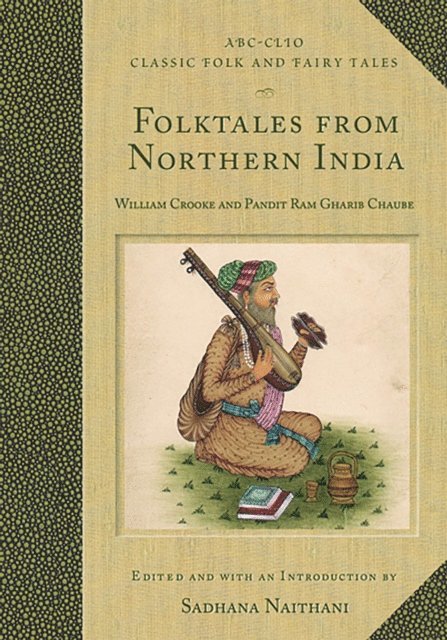
The first single volume collection of classic Hindi folktales by translators William Crooke and Pandit Ram Gharib Chaube.In 1891, at a time when the study of India was primarily based on ancient texts, coins, and material remains, William Crooke dared to focus on living India—its everyday culture, age-old customs, and fictional narratives. With Pandit Ram Gharib Chaube, he recorded and published, over a period of six years, a remarkable collection of folktales from northern India.The tales reflect the tapestry of social and personal lives of this region, the epicenter of a revolt against British rule in 1857. Although many of the tales were published in British ethnographic journals, a number of the manuscripts, in Chaube's handwriting, were unpublished; others existed only as old microfilm in a New Delhi library. Never before have they appeared as a single volume or been available in any one library or archive.Includes the original versions of over 350 Indian folktales collected in colonial India during the 1890sIntroduction by Sadhana Naithani provides an overview of William Crooke's methodology and translation practices
1 342 kr
Skickas inom 7-10 vardagar
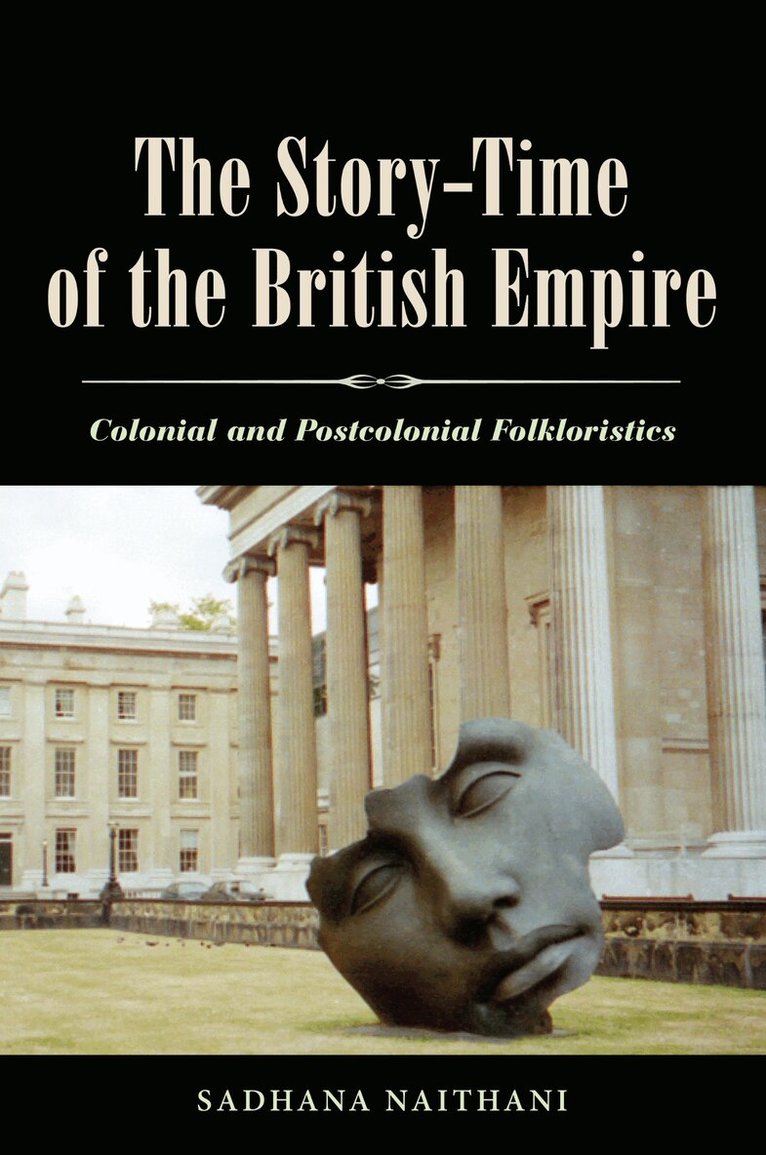
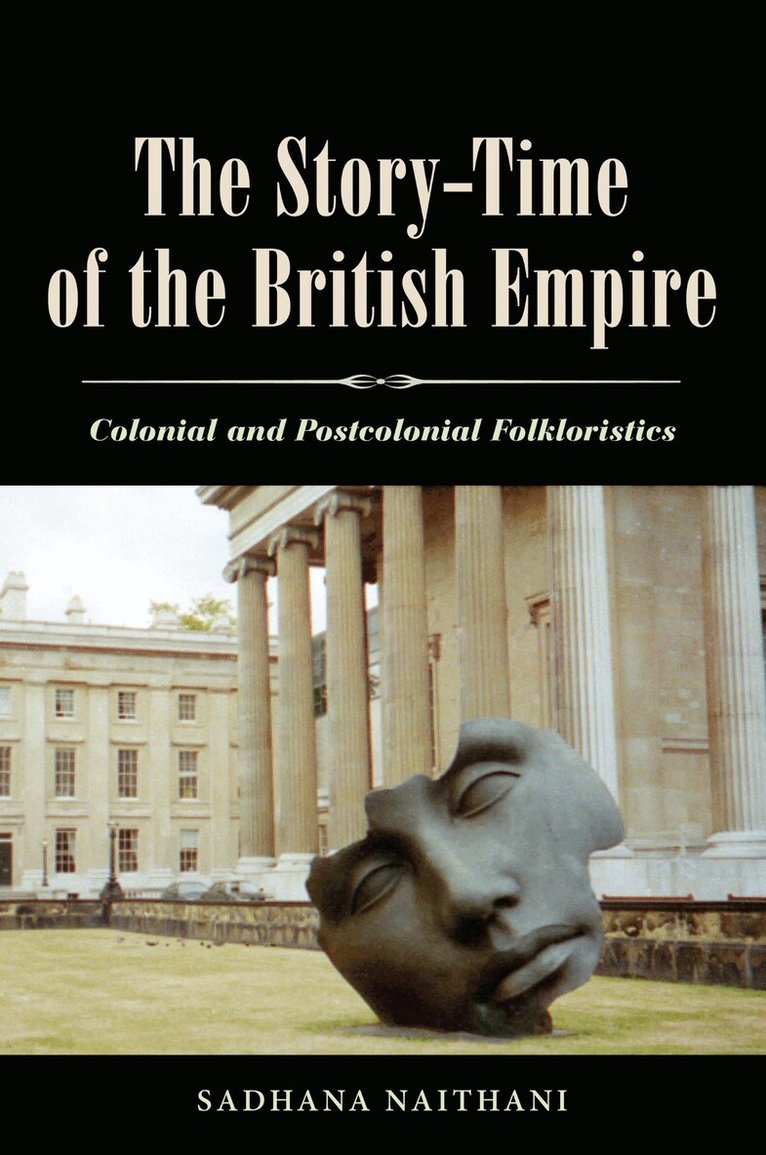
In The Story-Time of the British Empire, author Sadhana Naithani examines folklore collections compiled by British colonial administrators, military men, missionaries, and women in the British colonies of Africa, Asia, and Australia between 1860 and 1950. Much of this work was accomplished in the context of colonial relations and done by non-folklorists, yet these oral narratives and poetic expressions of non-Europeans were transcribed, translated, published, and discussed internationally. Naithani analyzes the role of folklore scholarship in the construction of colonial cultural politics as well as in the conception of international folklore studies.Since most folklore scholarship and cultural history focuses exclusively on specific nations, there is little study of cross-cultural phenomena about empire and/or postcoloniality. Naithani argues that connecting cultural histories, especially in relation to previously colonized countries, is essential to understanding those countries' folklore, as these folk traditions result from both internal and European influence. The author also makes clear the role folklore and its study played in shaping intercultural perceptions that continue to exist in the academic and popular realms today. The Story-Time of the British Empire is a bold argument for a twenty-first-century vision of folklore studies that is international in scope and that understands folklore as a transnational entity.
423 kr
Skickas inom 10-15 vardagar
In The Story-Time of the British Empire, author Sadhana Naithani examines folklore collections compiled by British colonial administrators, military men, missionaries, and women in the British colonies of Africa, Asia, and Australia between 1860 and 1950. Much of this work was accomplished in the context of colonial relations and done by non-folklorists, yet these oral narratives and poetic expressions of non-Europeans were transcribed, translated, published, and discussed internationally. Naithani analyzes the role of folklore scholarship in the construction of colonial cultural politics as well as in the conception of international folklore studies.Since most folklore scholarship and cultural history focuses exclusively on specific nations, there is little study of cross-cultural phenomena about empire and/or postcoloniality. Naithani argues that connecting cultural histories, especially in relation to previously colonized countries, is essential to understanding those countries' folklore, as these folk traditions result from both internal and European influence. The author also makes clear the role folklore and its study played in shaping intercultural perceptions that continue to exist in the academic and popular realms today. The Story-Time of the British Empire is a bold argument for a twenty-first-century vision of folklore studies that is international in scope and that understands folklore as a transnational entity.
659 kr
Skickas inom 7-10 vardagar
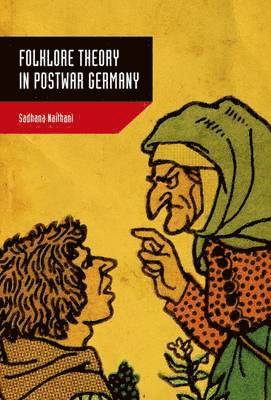
Can the study of folklore survive brutal wars and nationalized misappropriations? Does folklore make sense in an age of fearsome technology? These are two of several questions this book addresses with specific and profound reference to the history of folklore studies in Germany. There in the early nineteenth century in the ideological context of romantic nationalism, the works of the Brothers Grimm pioneered the discipline. The sublimation of folklore studies with the nation's political history reached a peak in the 1930s under the Nazi regime. This book takes a full look at what happened to folklore after the end of World War II and the defeat of the Nazis. A special focus on Lutz Röhrich (1923-2006), whose work spans the decades from 1955 to 2006, makes this book a unique window into a monumental reclamation. In 1945 Röhrich returned from the warfront at the age of twenty-three, a wounded amputee. Resuming his education, he published his seminal Märchen und Wirklichkeit (Folktale and Reality) in 1956. Naithani argues that through this and a huge body of scholarship on folktale, folksong, proverbs, and riddles over the next decades, Röhrich transformed folklore scholarship by critically challenging the legacies of Romanticism and Nazism in German folklore work. Sadhana Naithani's book is the first full-length treatment of this extraordinary German scholar written in English.