
Sadia Abbas - Böcker
Visar alla böcker från författaren Sadia Abbas. Handla med fri frakt och snabb leverans.
4 produkter
4 produkter
698 kr
Skickas inom 10-15 vardagar
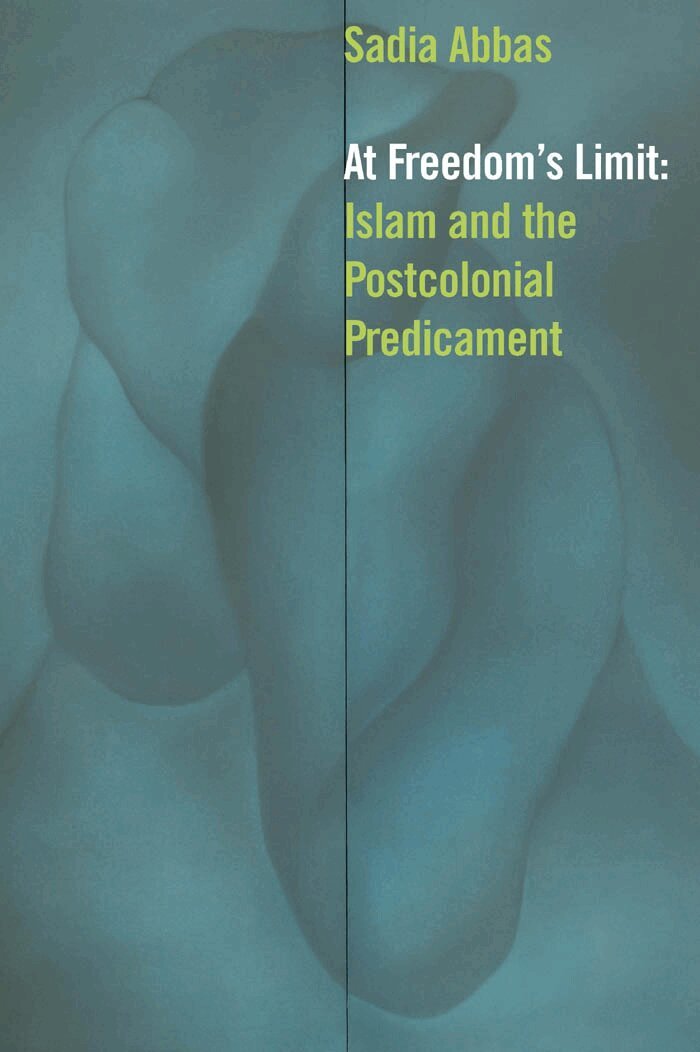
The subject of this book is a new "Islam." This Islam began to take shape in 1988 around the Rushdie affair, the collapse of the Berlin Wall in 1989, and the first Gulf War of 1991. It was consolidated in the period following September 11, 2001. It is a name, a discursive site, a signifier at once flexible and constrained—indeed, itis a geopolitical agon, in and around which some of the most pressing aporias of modernity, enlightenment, liberalism, and reformation are worked out.At this discursive site are many metonyms for Islam: the veiled or "pious" Muslim woman, the militant, the minority Muslim injured by Western free speech. Each of these figures functions as a cipher enabling repeated encounters with the question "How do we free ourselves from freedom?" Again and again, freedom is imagined as Western, modern, imperial—a dark imposition of Enlightenment. The pious and injured Muslim who desires his or her own enslavement is imagined as freedom's other.At Freedom's Limit is an intervention into current debates regarding religion, secularism, and Islam and provides a deep critique of the anthropology and sociology of Islam that have consolidated this formation. It shows that, even as this Islam gains increasing traction in cultural production from television shows to movies to novels, the most intricate contestations of Islam so construed are to be found in the work of Muslim writers and painters.This book includes extended readings of jihadist proclamations; postcolonial law; responses to law from minorities in Muslim-majority societies; Islamophobic films; the novels of Leila Aboulela, Mohammed Hanif, and Nadeem Aslam; and the paintings of Komail Aijazuddin.
273 kr
Skickas inom 10-15 vardagar
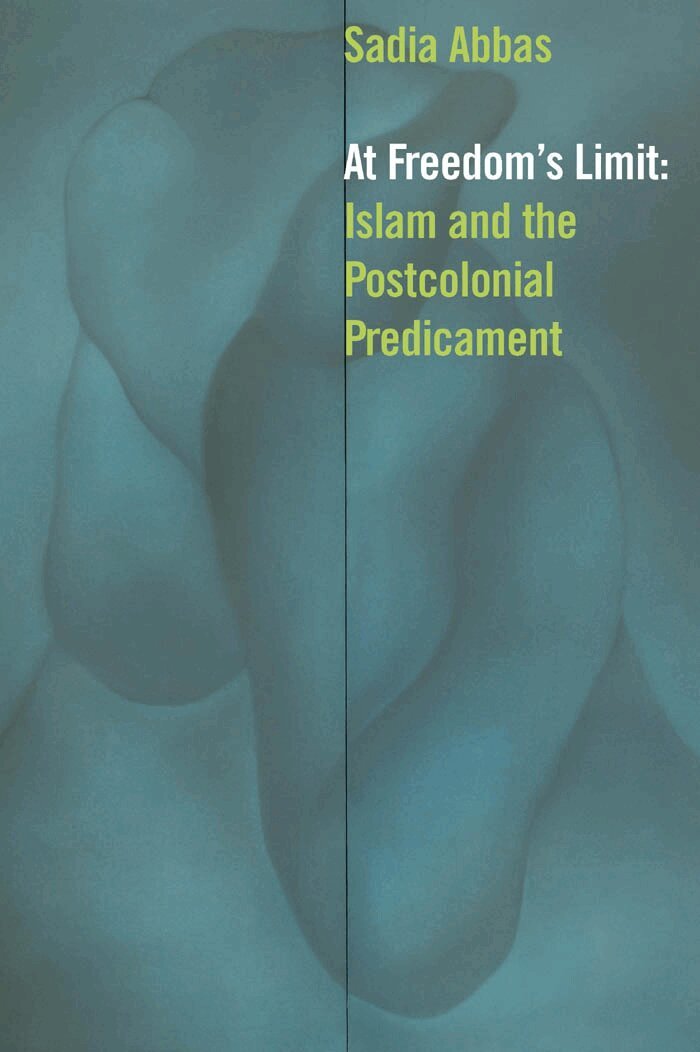
The subject of this book is a new "Islam." This Islam began to take shape in 1988 around the Rushdie affair, the collapse of the Berlin Wall in 1989, and the first Gulf War of 1991. It was consolidated in the period following September 11, 2001. It is a name, a discursive site, a signifier at once flexible and constrained—indeed, itis a geopolitical agon, in and around which some of the most pressing aporias of modernity, enlightenment, liberalism, and reformation are worked out.At this discursive site are many metonyms for Islam: the veiled or "pious" Muslim woman, the militant, the minority Muslim injured by Western free speech. Each of these figures functions as a cipher enabling repeated encounters with the question "How do we free ourselves from freedom?" Again and again, freedom is imagined as Western, modern, imperial—a dark imposition of Enlightenment. The pious and injured Muslim who desires his or her own enslavement is imagined as freedom's other.At Freedom's Limit is an intervention into current debates regarding religion, secularism, and Islam and provides a deep critique of the anthropology and sociology of Islam that have consolidated this formation. It shows that, even as this Islam gains increasing traction in cultural production from television shows to movies to novels, the most intricate contestations of Islam so construed are to be found in the work of Muslim writers and painters.This book includes extended readings of jihadist proclamations; postcolonial law; responses to law from minorities in Muslim-majority societies; Islamophobic films; the novels of Leila Aboulela, Mohammed Hanif, and Nadeem Aslam; and the paintings of Komail Aijazuddin.
476 kr
Skickas inom 3-6 vardagar
228 kr
Skickas inom 7-10 vardagar
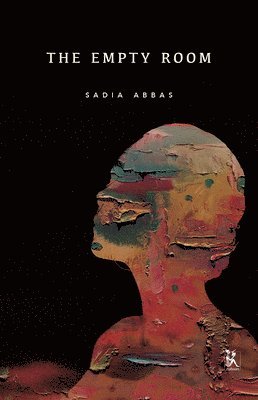
In 1960s Karachi, a place of ever increasing violence and political and social uncertainty, a beautiful and talented artist, Tahira, tries to hold her life together as it shatters around her. Her marriage is quickly revealed to be a sham, a trap from which there is no escape. In a world of stifling conformity, Tahira must fight for her very identity: as a woman, and as a painter. Tragedy strikes when her family and friends are caught up in the brutally repressive regime. Faced with horror and loss, she embarks upon a series of paintings entitled 'The Empty Room', filling the blank canvases with vivid colour and light. Lyric, poetic, and powerful, The Empty Room is an important addition to contemporary Pakistani literature and is a moving account of the dilemma faced by all women who must find their own creative path against the odds.