Sadika Hameed – författare
Visar alla böcker från författaren Sadika Hameed. Handla med fri frakt och snabb leverans.
14 produkter
U.S. Policy Responses to Potential Transitions
A New Dataset of Political Protests, Conflicts, and Coups
Av Robert D. Lamb, Sadika Hameed
Häftad, 2013
716 kr
Lägg i varukorg
Every three weeks, a major political crisis begins somewhere in the world. The United States intervenes in less than a fifth of them. But that is still a new U.S. intervention about every two months. And almost all of them are civilian interventions; less than a third involve the military. CSIS has …
Private-Sector Development in Fragile, Conflict-Affected, and Violent Countries
Av Sadika Hameed, Kathryn Mixon
Häftad, 2013
602 kr
Lägg i varukorg
The CSIS Working Group on Private-Sector Development in Fragile, Conflict-Affected, and Violent States identifies tools available to the international business community and the U.S. government to assist these countries, as well as the gaps in needed resources. Participants examined cases from …
Private-Sector Development in Fragile, Conflict-Affected, and Violent Countries
Av Sadika Hameed, Kathryn Mixon
E-bok, 2013
641 kr
Lägg i varukorg
The CSIS Working Group on Private-Sector Development in Fragile, Conflict-Affected, and Violent States identifies tools available to the international business community and the U.S. government to assist these countries, as well as the gaps in needed resources. Participants examined cases from …
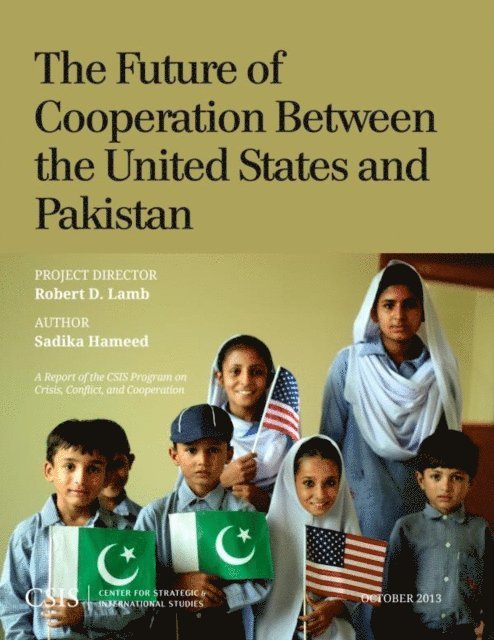
Future of Cooperation Between the United States and Pakistan
Häftad, 2013
602 kr
Lägg i varukorg
The relationship between the United States and Pakistan has been redefined repeatedly since Pakistan’s independence in 1947. It will continue to be strained by mutual distrust, internal threats to Pakistan’s stability, Pakistan’s relations with its neighbors and militants, and the U.S. role in …
Future of Cooperation Between the United States and Pakistan
E-bok, 2013
641 kr
Lägg i varukorg
The relationship between the United States and Pakistan has been redefined repeatedly since Pakistan’s independence in 1947. It will continue to be strained by mutual distrust, internal threats to Pakistan’s stability, Pakistan’s relations with its neighbors and militants, and the U.S. role in …
South Asia Regional Dynamics and Strategic Concerns
A Framework for U.S. Policy and Strategy in South Asia, 2014-2026
Av Robert A. Lamb, Sadika Hameed m. fl.
Häftad, 2014
602 kr
Lägg i varukorg
Once the United States withdraws most or all of its forces from Afghanistan, what issues are likely to continue to be of concern to U.S. policymakers in South Asia? What regional dynamics are likely to affect their ability to achieve policy priorities there? While the United States and its …
South Asia Regional Dynamics and Strategic Concerns
A Framework for U.S. Policy and Strategy in South Asia, 2014-2026
Av Robert A. Lamb, Sadika Hameed m. fl.
E-bok, 2014
589 kr
Lägg i varukorg
Once the United States withdraws most or all of its forces from Afghanistan, what issues are likely to continue to be of concern to U.S. policymakers in South Asia? What regional dynamics are likely to affect their ability to achieve policy priorities there? While the United States and its …
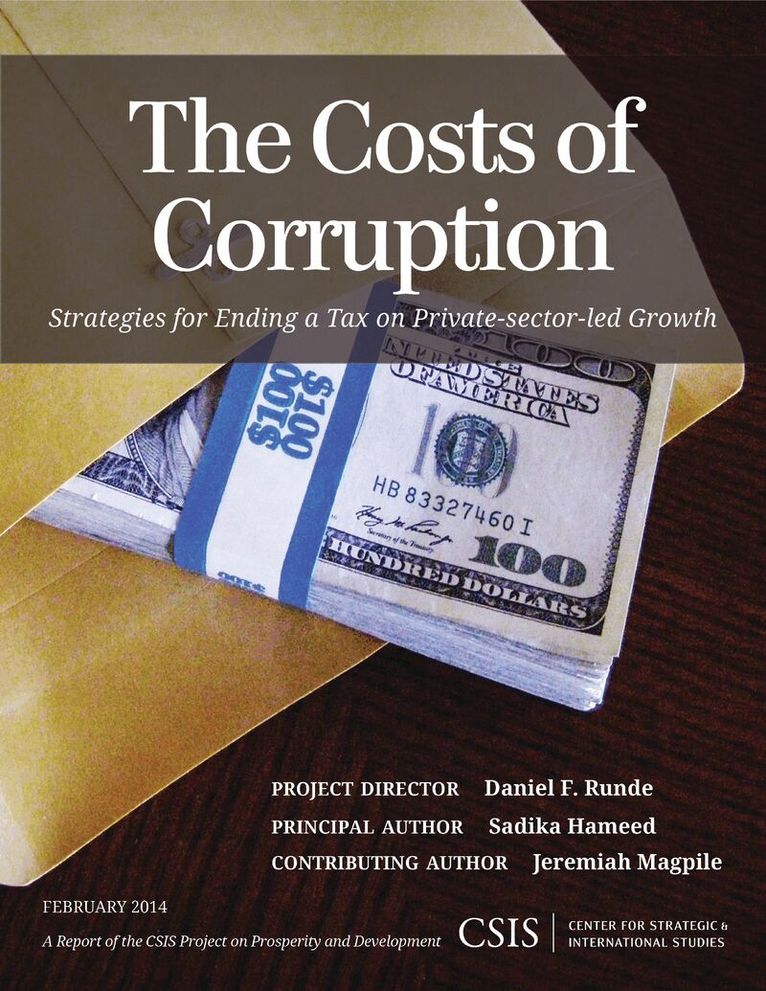
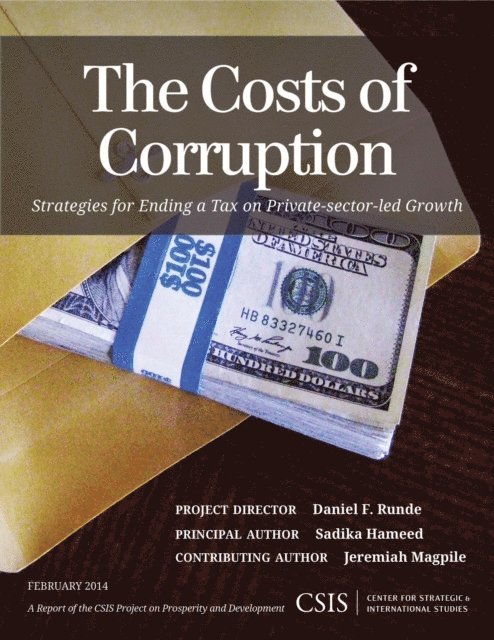
Costs of Corruption
Strategies for Ending a Tax on Private-sector Growth
Häftad, 2014
716 kr
Lägg i varukorg
Corruption remains a priority area for both the private sector and development implementers. However, there is no consensus on actionable steps toward addressing it on a global level. This issue is especially important in the context of international trade and development as the private sector …
Costs of Corruption
Strategies for Ending a Tax on Private-Sector Growth
E-bok, 2014
779 kr
Lägg i varukorg
Corruption remains a priority area for both the private sector and development implementers. However, there is no consensus on actionable steps toward addressing it on a global level. This issue is especially important in the context of international trade and development as the private sector …
Opportunities in the Development of Pakistan's Private Sector
Häftad, 2014
616 kr
Lägg i varukorg
Pakistan’s economic crisis is one of the main sources of its instability, but government and donor efforts to stabilize and grow its economy have so far been inadequate. One of the barriers to investing in Pakistan’s private sector has been the perceptions of risk due to insecurity and corruption. …
Opportunities in the Development of Pakistan's Private Sector
E-bok, 2014
670 kr
Lägg i varukorg
Pakistan’s economic crisis is one of the main sources of its instability, but government and donor efforts to stabilize and grow its economy have so far been inadequate. One of the barriers to investing in Pakistan’s private sector has been the perceptions of risk due to insecurity and corruption. …
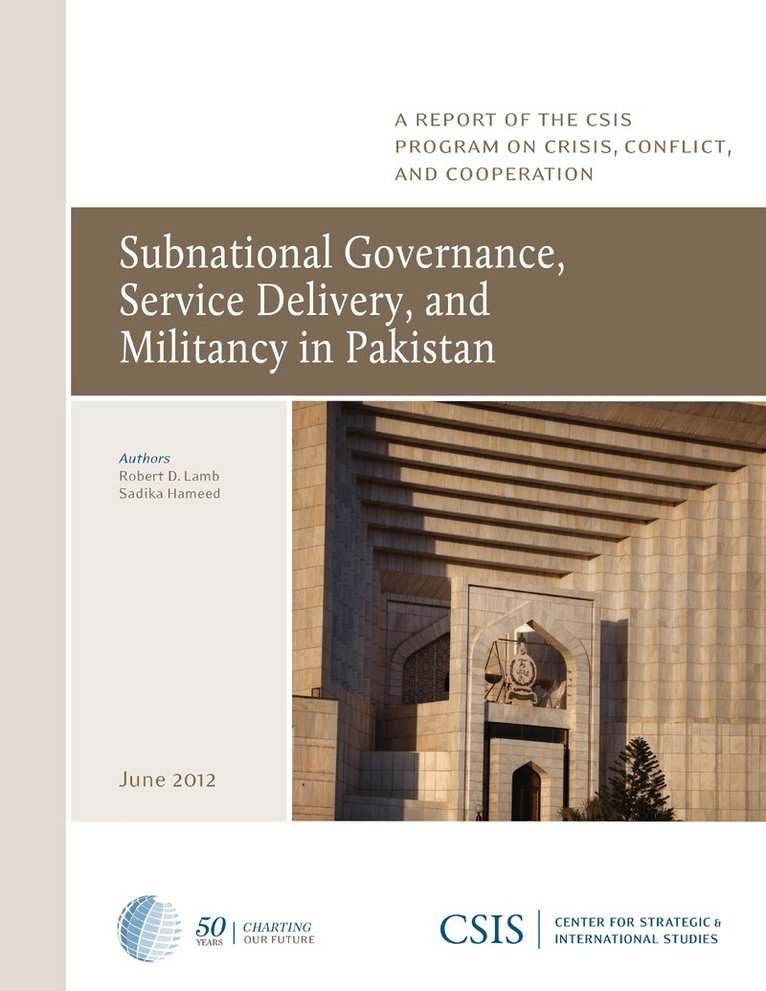
Subnational Governance, Service Delivery, and Militancy in Pakistan
Av Robert D. Lamb, Sadika Hameed
Häftad, 2012
471 kr
Tillfälligt slut
This report presents the results of a study on whether a link exists between the rise of militants and the quality of subnational governance in Pakistan and, if one exists, what the United States can do about it, if anything. Its basic finding is that Pakistan’s governance problems are not caused …
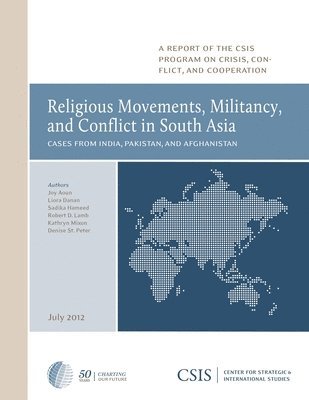
Religious Movements, Militancy, and Conflict in South Asia
Cases from India, Pakistan, and Afghanistan
Av Joy Aoun, Liora Danan m. fl.
Häftad, 2012
406 kr
Tillfälligt slut
Religious Movements, Militancy, and Conflict in South Asia we draws on recent research on religion and conflict to offer a broad overview of the different roles religion has played in governance, politics, and conflicts in South Asia. The authors argue that it is important that policy officials pay …
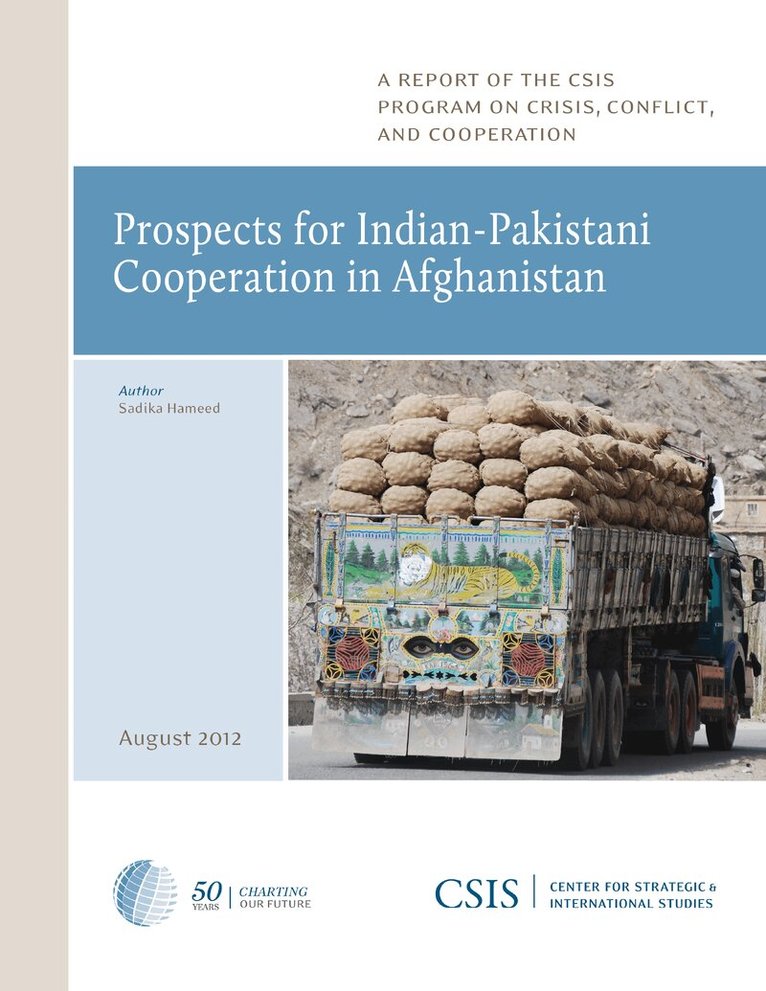
Prospects for Indian-Pakistani Cooperation in Afghanistan
Häftad, 2012
406 kr
Tillfälligt slut
This report looks at possible areas of cooperation between Pakistan and India, particularly in Afghanistan. Three observations motivate this research. First, regional security will likely be achieved only if at least some degree of cooperation is attained among the region’s primary state actors. …