
Saheer E. Gharbia - Böcker
Visar alla böcker från författaren Saheer E. Gharbia. Handla med fri frakt och snabb leverans.
3 produkter
3 produkter
1 222 kr
Skickas inom 7-10 vardagar
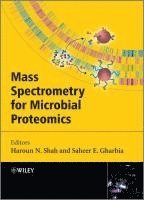
New advances in proteomics, driven largely by developments in mass spectrometry, continue to reveal the complexity and diversity of pathogenic mechanisms among microbes that underpin infectious diseases. Therefore a new era in medical microbiology is demanding a rapid transition from current procedures to high throughput analytical systems for the diagnosis of microbial pathogens.This book covers the broad microbiological applications of proteomics and mass spectrometry. It is divided into six sections that follow the general progression in which most microbiology laboratories are approaching the subject –Transition, Tools, Preparation, Profiling by Patterns, Target Proteins, and Data Analysis.
1 919 kr
Skickas inom 11-20 vardagar
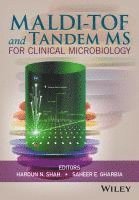
This book highlights the triumph of MALDI-TOF mass spectrometry over the past decade and provides insight into new and expanding technologies through a comprehensive range of short chapters that enable the reader to gauge their current status and how they may progress over the next decade. This book serves as a platform to consolidate current strengths of the technology and highlight new frontiers in tandem MS/MS that are likely to eventually supersede MALDI-TOF MS. Chapters discuss:Challenges of Identifying Mycobacterium to the Species level Identification of Bacteroides and Other Clinically Relevant AnaerobesIdentification of Species in Mixed Microbial PopulationsDetection of Resistance MechanismsProteomics as a biomarker discovery and validation platformDetermination of Antimicrobial Resistance using Tandem Mass Spectrometry
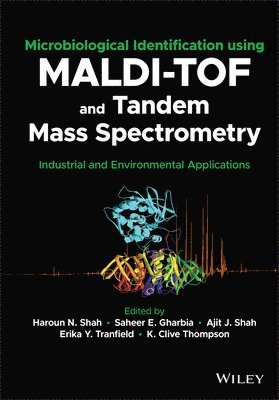
Microbiological Identification using MALDI-TOF and Tandem Mass Spectrometry
Industrial and Environmental Applications
Inbunden, Engelska, 2023
1 693 kr
Skickas inom 7-10 vardagar
Microbiological Identification using MALDI-TOF and Tandem Mass Spectrometry Detailed resource presenting the capabilities of MALDI mass spectrometry (MS) to industrially and environmentally significant areas in the biosciences Microbiological Identification using MALDI-TOF and Tandem Mass Spectrometry fulfills a need to bring the key analytical technique of MALDI mass spectrometric analysis into routine practice by specialists and non-specialists, and technicians. It informs and educates established researchers on the development of techniques as applied to industrially significant areas within the biosciences. Throughout the text, the reader is presented with recognized and emerging techniques of this powerful and continually advancing field of analytical science to key areas of importance. While many scientific papers are reporting new applications of MS-based analysis in specific foci, this book is unique in that it draws together an incredibly diverse range of applications that are pushing the boundaries of MS across the broad field of biosciences. Contributed to by recognized experts in the field of MALDI MS who have been key players in promoting the advancement and dissemination of authoritative information in this field, Microbiological Identification using MALDI-TOF and Tandem Mass Spectrometry covers sample topics such as: Oil microbiology, marine and freshwater ecosystems, agricultural and food microbiology, and industrial waste microbiologyBioremediation and landfill sites microbiology, microbiology of inhospitable sites (e.g. Arctic and Antarctic, and alkaline and acidic sites, and hot temperatures)Veterinary, poultry and animals, viral applications of MS, and antibiotic resistance using tandem MS methodsRecent developments which are set to transform the use of MS from its success in clinical microbiology to a wide range of commercial and environmental usesBridging the gap between measurement and key applications, this text is an ideal resource for industrial and environmental analytical scientists, including technologists in the food industry, pharmaceuticals, and agriculture, as well as biomedical scientists, researchers, clinicians and academics and scientists in bio-resource centers.