Saiba Varma - Böcker
Visar alla böcker från författaren Saiba Varma. Handla med fri frakt och snabb leverans.
5 produkter
5 produkter
305 kr
Skickas inom 7-10 vardagar
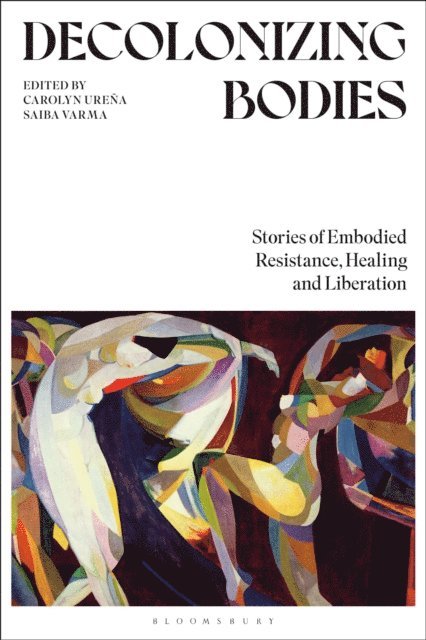
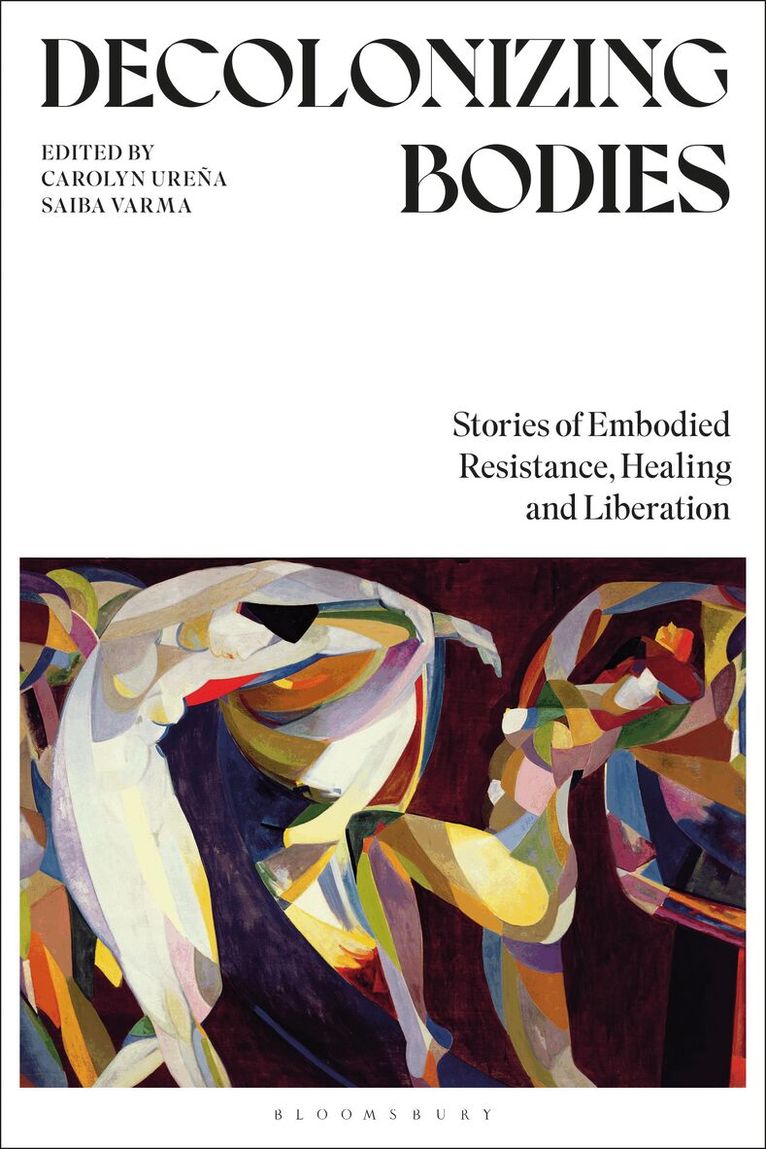
Decolonizing Bodies offers novel theorizations of how racial capitalism, colonialism, and heteropatriarchal violence erode the bodily schema and experiences of racialized and colonized populations, profoundly constraining their being in the world. The book invigorates embodiment studies by centering the experiences and struggles of Black, Indigenous, colonized, disabled, queer, and racialized subjects, showing how they live these displacements and disintegrations.The volume powerfully demonstrates how racism and colonialism sediment in bodily and habitual registers that are active, ongoing, made and remade. Bodies, the contributors argue, powerfully register the impacts of colonial and racialized violence, but through practices of embodiment, they also digest, expel, and transform them. In centering non-normative subjective experiences and making space for different kinds of embodied knowledge, Decolonizing Bodies also takes a step toward decolonizing academic knowledge.This exciting and urgent book offers readers new ways of imagining, choreographing and enacting the body. Beyond connecting distant geographies of harm, it celebrates polymorphous decolonial repertoires that record, creatively narrate, and heal.
901 kr
Skickas inom 10-15 vardagar
Decolonizing Bodies offers novel theorizations of how racial capitalism, colonialism, and heteropatriarchal violence erode the bodily schema and experiences of racialized and colonized populations, profoundly constraining their being in the world. The book invigorates embodiment studies by centering the experiences and struggles of Black, Indigenous, colonized, disabled, queer, and racialized subjects, showing how they live these displacements and disintegrations.The volume powerfully demonstrates how racism and colonialism sediment in bodily and habitual registers that are active, ongoing, made and remade. Bodies, the contributors argue, powerfully register the impacts of colonial and racialized violence, but through practices of embodiment, they also digest, expel, and transform them. In centering non-normative subjective experiences and making space for different kinds of embodied knowledge, Decolonizing Bodies also takes a step toward decolonizing academic knowledge.This exciting and urgent book offers readers new ways of imagining, choreographing and enacting the body. Beyond connecting distant geographies of harm, it celebrates polymorphous decolonial repertoires that record, creatively narrate, and heal.
1 521 kr
Skickas inom 7-10 vardagar
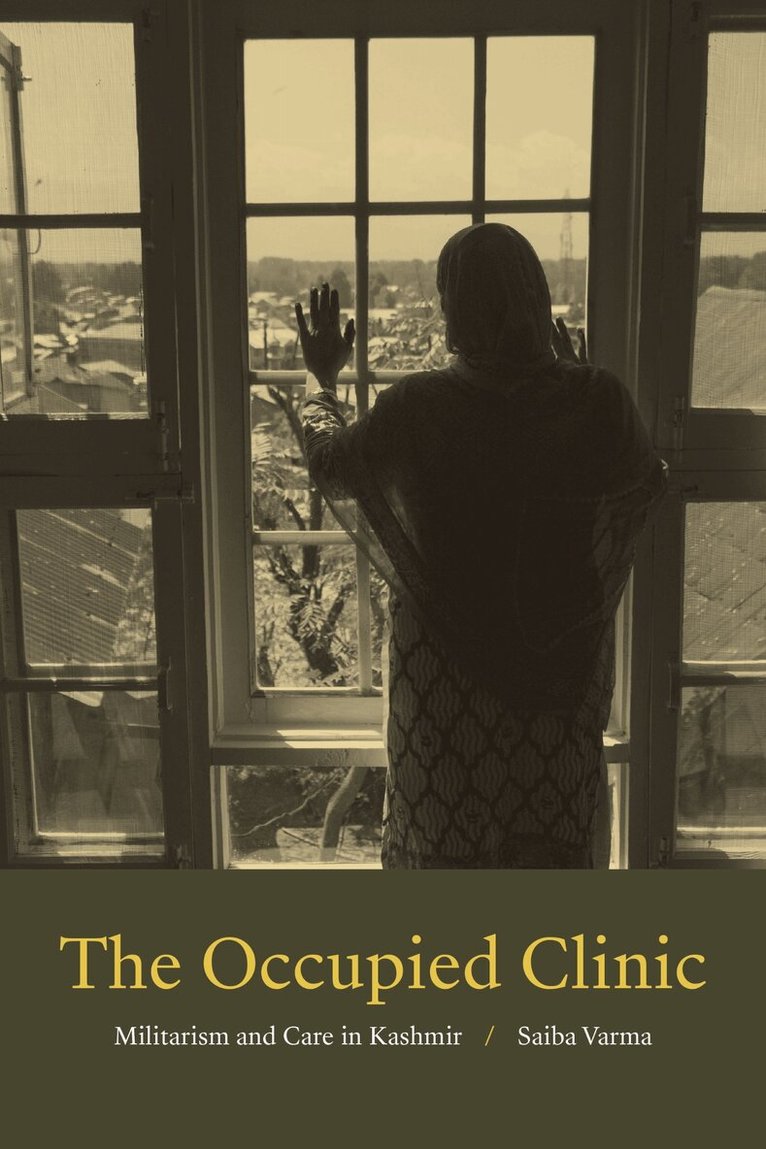
In The Occupied Clinic, Saiba Varma explores the psychological, ontological, and political entanglements between medicine and violence in Indian-controlled Kashmir-the world's most densely militarized place. Into a long history of occupations, insurgencies, suppressions, natural disasters, and a crisis of public health infrastructure come interventions in human distress, especially those of doctors and humanitarians, who struggle against an epidemic: more than sixty percent of the civilian population suffers from depression, anxiety, PTSD, or acute stress. Drawing on encounters between medical providers and patients in an array of settings, Varma reveals how colonization is embodied and how overlapping state practices of care and violence create disorienting worlds for doctors and patients alike. Varma shows how occupation creates worlds of disrupted meaning in which clinical life is connected to political disorder, subverting biomedical neutrality, ethics, and processes of care in profound ways. By highlighting the imbrications between humanitarianism and militarism and between care and violence, Varma theorizes care not as a redemptive practice, but as a fraught sphere of action that is never quite what it seems.
370 kr
Skickas
In The Occupied Clinic, Saiba Varma explores the psychological, ontological, and political entanglements between medicine and violence in Indian-controlled Kashmir-the world's most densely militarized place. Into a long history of occupations, insurgencies, suppressions, natural disasters, and a crisis of public health infrastructure come interventions in human distress, especially those of doctors and humanitarians, who struggle against an epidemic: more than sixty percent of the civilian population suffers from depression, anxiety, PTSD, or acute stress. Drawing on encounters between medical providers and patients in an array of settings, Varma reveals how colonization is embodied and how overlapping state practices of care and violence create disorienting worlds for doctors and patients alike. Varma shows how occupation creates worlds of disrupted meaning in which clinical life is connected to political disorder, subverting biomedical neutrality, ethics, and processes of care in profound ways. By highlighting the imbrications between humanitarianism and militarism and between care and violence, Varma theorizes care not as a redemptive practice, but as a fraught sphere of action that is never quite what it seems.
526 kr
Kommande
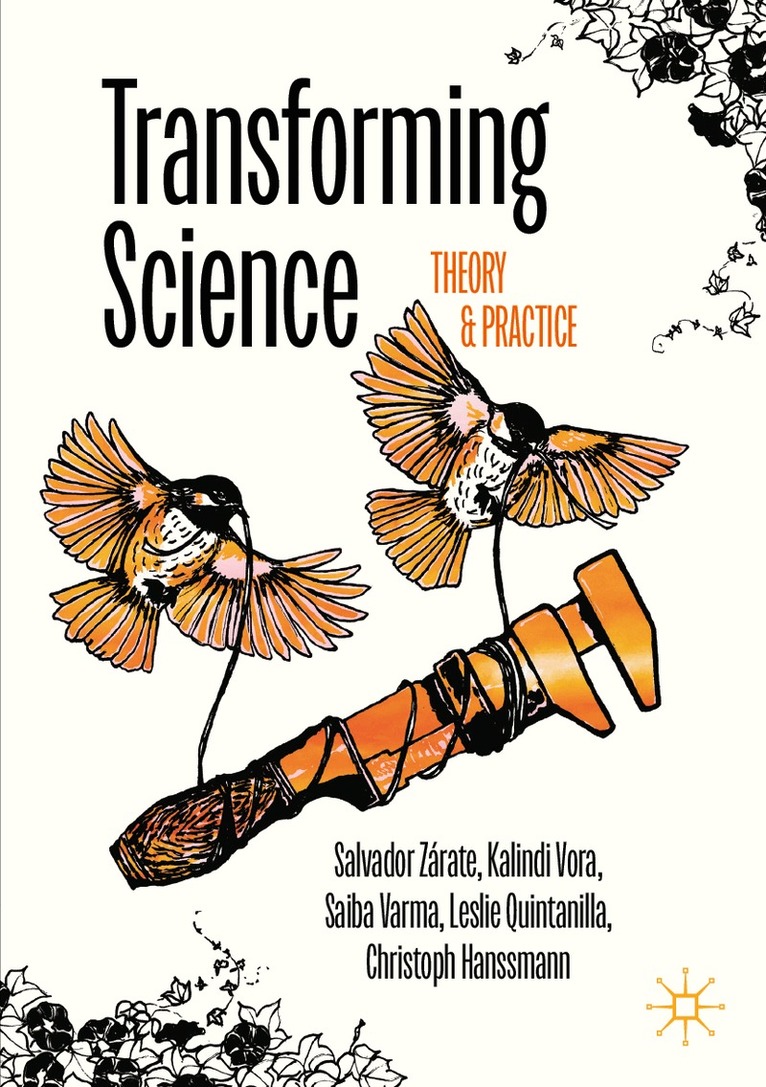
Science and Social Justice is a short, accessible textbook aimed at practicing scientists, physicians, technologists, STEAM (Science, Technology, Engineering, Art, Mathematics and Medicine) or STEMM high school and undergraduate students across fields, and general public readers, such as citizen scientists, who are interested in doing community-based research. It will also be of interest in undergraduate health sciences fields (Global Health, Public Health, Medical Anthropology, Engineering), as well as in the natural sciences, Ethnic Studies and Cultural Studies classrooms.This short textbook takes readers, step-by-step, through the journey of designing and implementing an intervention or research project that is intended to forward both scientific and social justice ends. By taking concepts, methods and epistemologies of equity and justice from the humanistic social sciences and making them accessible to audiences in STEAM/STEMM, this short textbook can transform how community based projects in the sciences and applied sciences are taught, designed and researched. The book offers critical concepts, examples, tips and friendly warnings for how to develop collaborative, non-hierarchical, and long-term relations, practices and research tools for working with communities. Science and Social Justice is a guide for practicing science for and with the people.The arc of the book takes the reader through the timeline of a community-based collaboration between STEMM/STEAM practitioners and ‘lay’ communities. We begin by presenting questions of urgency and orientation that are needed before beginning a collaboration. We then move to examining what it means to do social justice driven community work, to how to build and maintain relations with community partners, and to dealing with the effects of research or interventions and any unintended consequences. The length of the book (approximately 5,000 words) is designed for readability and to offer a range of illustrative examples of community-based scientific research gone both wrong and right.