Sally Marks – författare
Visar alla böcker från författaren Sally Marks. Handla med fri frakt och snabb leverans.
9 produkter
Illusion of Peace
International Relations in Europe 1918-1933
Av Sally Marks
E-bok, 2017
626 kr
Lägg i varukorg
Sally Marks provides a compelling analysis of European diplomacy between the First World War and Hitler''s advent. She explores in clear and lively prose the reasons why successive efforts failed to create a lasting peace in the interwar era. Building on the theories of the first edition - many of …
Illusion of Peace
International Relations in Europe 1918-1933
Av Sally Marks
Häftad, 2003
575 kr
Lägg i varukorg
Sally Marks provides a compelling analysis of European diplomacy between the First World War and Hitler's advent. She explores in clear and lively prose the reasons why successive efforts failed to create a lasting peace in the interwar era. Building on the theories of the first edition - many of …
Ebbing of European Ascendancy
An International History of the World 1914 - 1945
Av Sally Marks
Häftad, 2002
1463 kr
Lägg i varukorg
In a space of little over 30 years, the world was transformed. The European great powers were no longer ascendant, even if that was not yet fully revealed to them, and the US, a regional power as of 1914, now belonged to the wholly new category of "superpower." What happened in this short period to …
Innocent Abroad
Belgium at the Paris Peace Conference of 1919
Av Sally Marks
Häftad, 2011
708 kr
Lägg i varukorg
German violation of Belgian neutrality escalated the 1914 hostilities into a world war, and disagreement about Belgium's future did much to block a compromise peace. In the postwar decade, Belgium's role as intermediary between France and Britain was pivotal, and its primary concerns reveal mush …
Illusion of Peace
International Relations in Europe 1918-1933
Av Sally Marks
E-bok, 2017
606 kr
Lägg i varukorg
Sally Marks provides a compelling analysis of European diplomacy between the First World War and Hitler''s advent. She explores in clear and lively prose the reasons why successive efforts failed to create a lasting peace in the interwar era. Building on the theories of the first edition - many of …
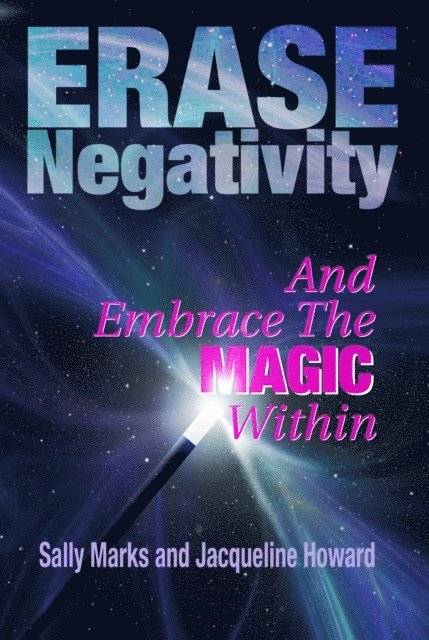
Erase Negativity and Embrace the Magic Within
Av Jacqueline Howard, Sally Marks
E-bok
10 kr
Lägg i varukorg
Innocent Abroad
Belgium at the Paris Peace Conference of 1919
Av Sally Marks
E-bok, 2017
553 kr
Lägg i varukorg
German violation of Belgian neutrality escalated the 1914 hostilities into a world war, and disagreement about Belgium''s future did much to block a compromise peace. In the postwar decade, Belgium''s role as intermediary between France and Britain was pivotal, and its primary concerns reveal mush …
Innocent Abroad
Belgium at the Paris Peace Conference of 1919
Av Sally Marks
E-bok, 2017
553 kr
Lägg i varukorg
German violation of Belgian neutrality escalated the 1914 hostilities into a world war, and disagreement about Belgium''s future did much to block a compromise peace. In the postwar decade, Belgium''s role as intermediary between France and Britain was pivotal, and its primary concerns reveal mush …
Paul Hymans: Belgium
The Peace Conferences of 1919-23 and Their Aftermath
Av Sally Marks
Inbunden, 2010
140 kr
Tillfälligt slut
On 4 February 1919 in the League of Nations Commission at the Paris Peace Conference, Paul Hymans resisted minimal representation of small states on the League Council by shouting at Lord Robert Cecil, What you propose is a revival of the Holy Alliance of unhallowed memory!' It was Hymans, above …