Salvador Mafé Huertas – författare
Visar alla böcker från författaren Salvador Mafé Huertas. Handla med fri frakt och snabb leverans.
7 produkter
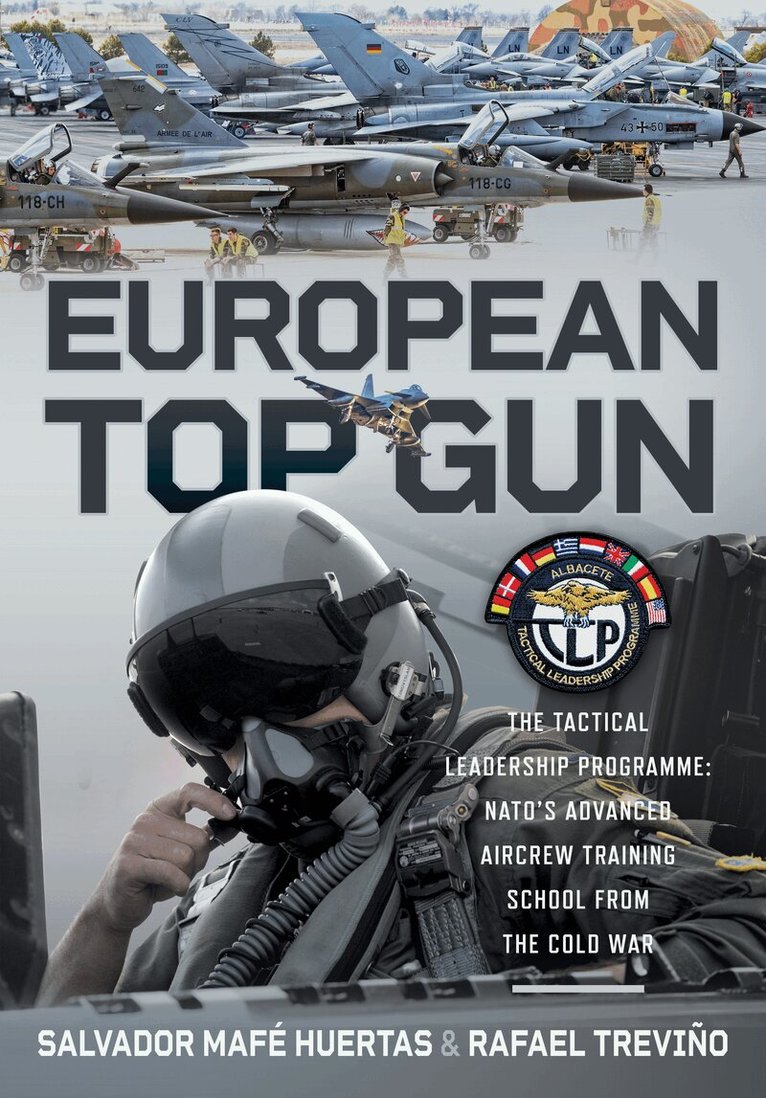
European Top Gun
The Tactical Leadership Programme: NATO’s Advanced Aircrew Training School From the Cold War and Beyond
Av Salvador Mafé Huertas, Rafael Treviño Martínez
Inbunden, 2025
372 kr
Lägg i varukorg
The Tactical Leadership Programme (TLP), founded in 1978, is one of Europe's longest-running military training programs, focused on improving the tactical leadership and flying capability of NATO air forces. Its primary goal is to enhance interoperability between NATO members and provide a flying …
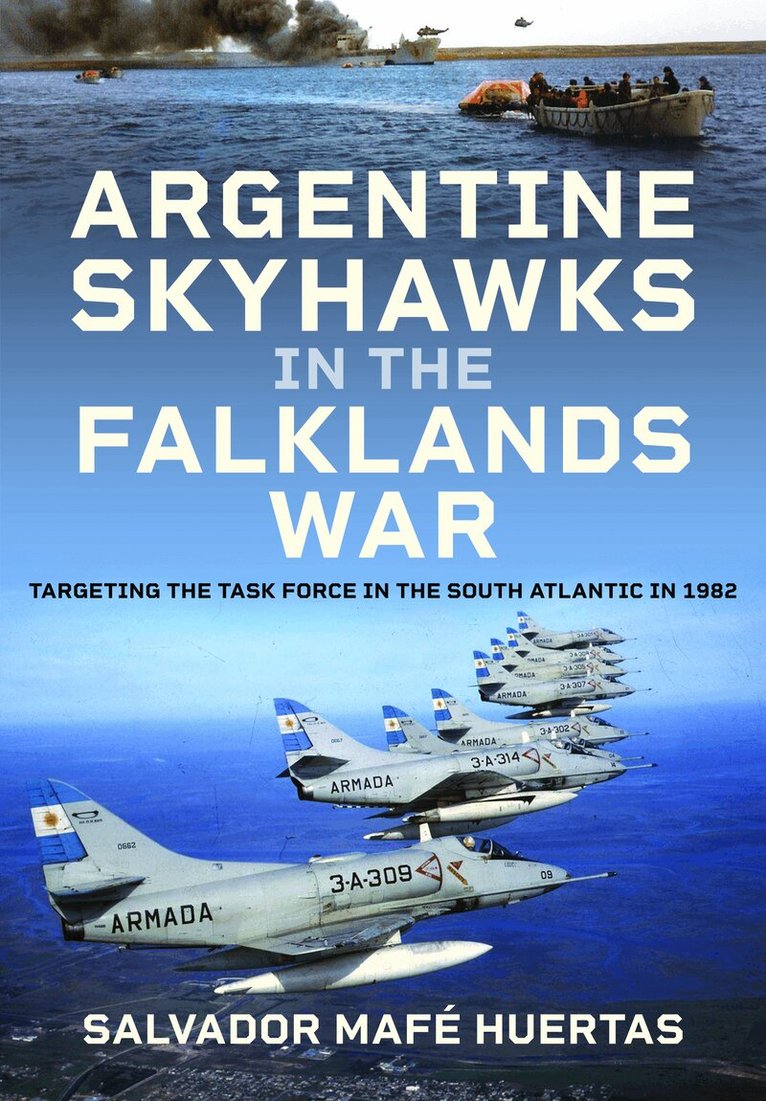
Argentine Skyhawks in the Falklands War
Targeting the Task Force in the South Atlantic in 1982
Inbunden, 2025
540 kr
Lägg i varukorg
Developed in the early 1950s for the US Navy and US Marine Corps, the Douglas A-4 Skyhawk first flew in June 1954. A compact, lightweight, and versatile aircraft for its time, it quickly found a strong export market. Argentina was the first foreign operator, eventually acquiring 130 A-4s.In 1963, …
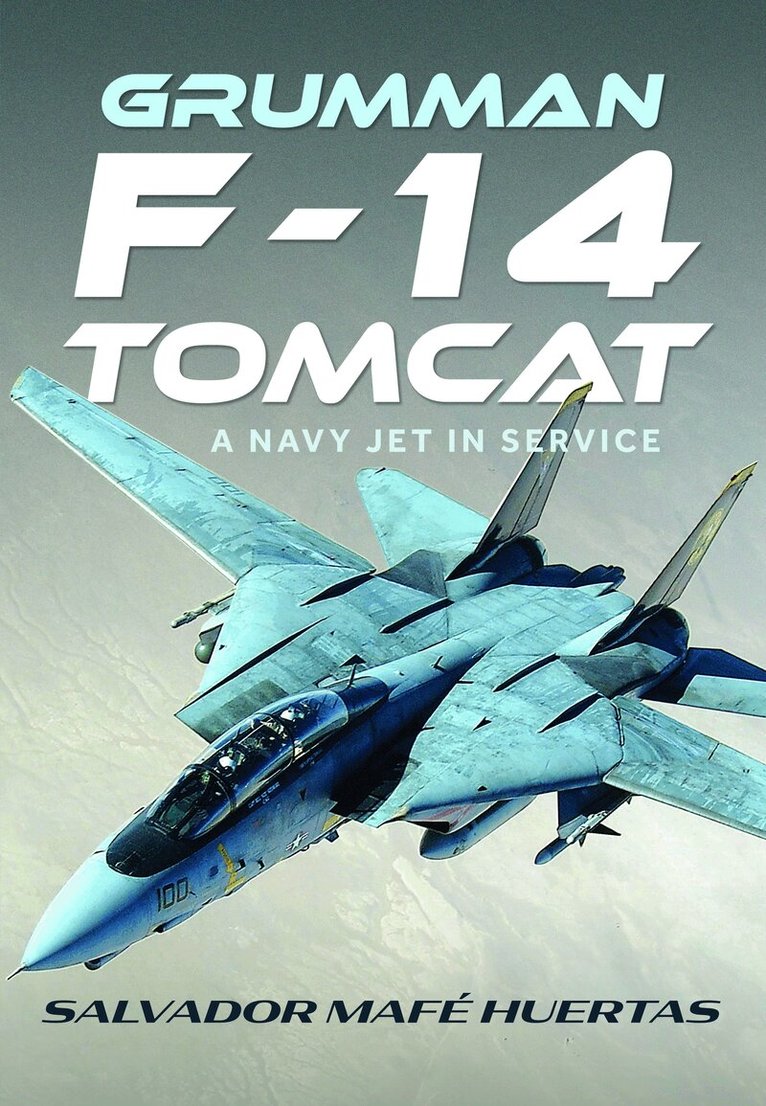
Grumman F-14 Tomcat
A Navy Jet in Service
Inbunden, 2027
317 kr
Kommande
The Grumman F-14 Tomcat was a cornerstone of US Navy air power from the 1970s through to its retirement in 2006. Designed as a twin-engine, two-seat, supersonic interceptor, the F-14 was engineered to dominate the skies, primarily to counter Soviet aircraft during the Cold War.The Tomcat’s sleek, …
Airbus A400M Atlas
Europe’s Versatile Military Transport Aircraft
Inbunden, 2027
271 kr
Kommande
The Airbus A400M Atlas is one of the most ambitious military aircraft programmes ever undertaken in Europe. Conceived in the late 20th century, it was designed to fill the gap between smaller tactical transports and large strategic airlifters. The aircraft combines long range with the ability to …
Sukhoi 'Flanker' Jets
The Su-27 to the Su-35, Russia’s Legendary Family of Twin-Engine Supersonic Aircraft
Av Salvador Mafé Huertas, Rafael Treviño Martínez
Inbunden, 2027
280 kr
Kommande
After four years of being in the political wilderness, the Sukhoi design bureau was revived on 20 May 1953, just months after Stalin’s death. The team was tasked with developing two aircraft: the Mach-2 swept-wing S-1 tactical fighter and the delta-wing T-3 interceptor. Test pilot Andrey Kochetkov …
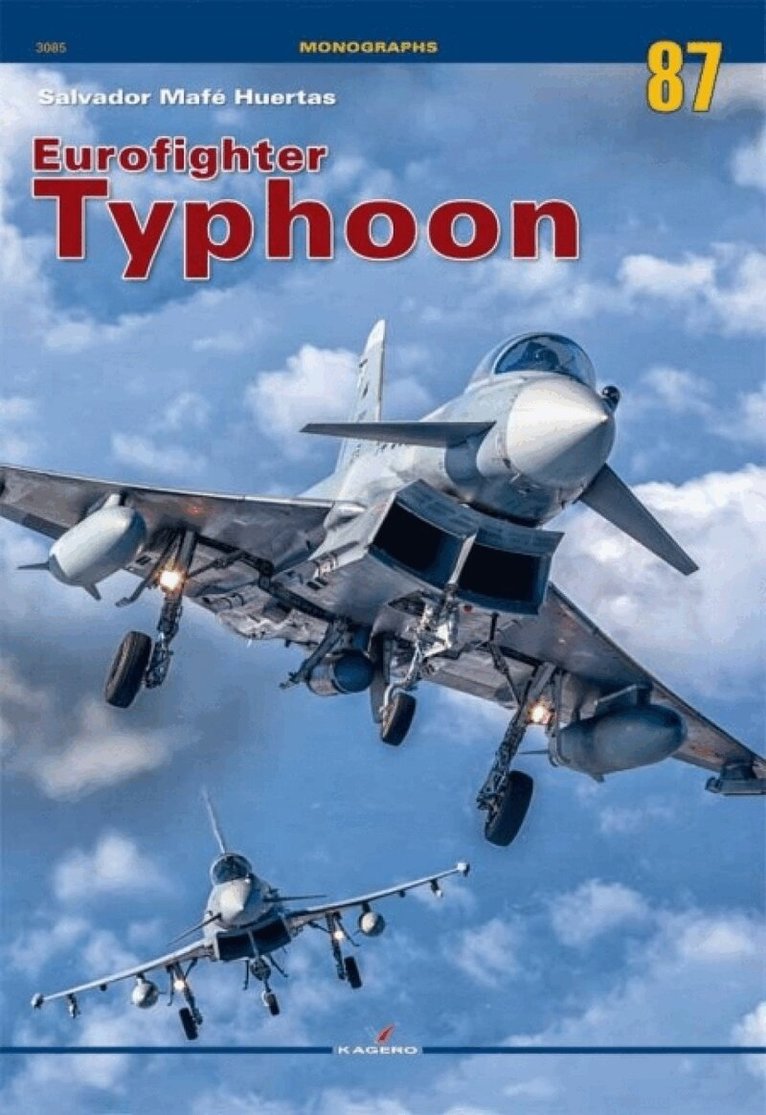
Eurofighter Typhoon
Häftad, 2022
261 kr
Tillfälligt slut
The Eurofighter program is the most important military and industrial collaboration project that has ever been carried out in the Old Continent. Originally born as an air superiority fighter, intended to counteract the numerical superiority of the Warsaw Pact air forces, after the end of the Cold …
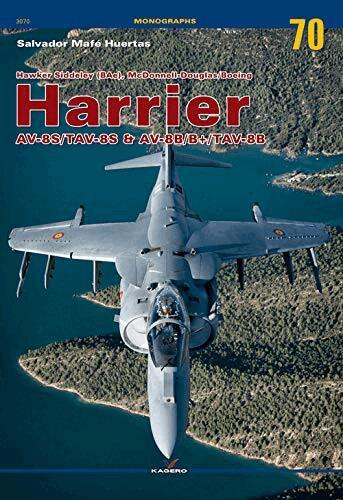
Hawker Siddeley (BAe), McDonnell-Douglas/Boeing Harrier AV-8S/TAV-8S & AV-8B/B+/TAV-8B
Häftad, 2020
338 kr
Tillfälligt slut
The birth of the Ninth Squadron (Novena Escuadrilla) of the Spanish Navy Fleet Air Arm (Flotilla de Aeronaves in short FLOAN) took place in 1987 with the receipt of the first three AV-8B aircraft from McDonnell Douglas factory in St. Louis on October 6 of that year. Deliveries continued for a total …