
Sam Wetherell - Böcker
Visar alla böcker från författaren Sam Wetherell. Handla med fri frakt och snabb leverans.
4 produkter
4 produkter
373 kr
Skickas inom 7-10 vardagar
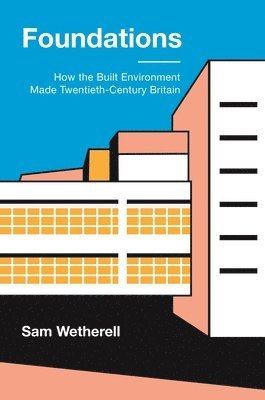
An urban history of modern Britain, and how the built environment shaped the nation’s politicsFoundations is a history of twentieth-century Britain told through the rise, fall, and reinvention of six different types of urban space: the industrial estate, shopping precinct, council estate, private flats, shopping mall, and suburban office park. Sam Wetherell shows how these spaces transformed Britain’s politics, economy, and society, helping forge a midcentury developmental state and shaping the rise of neoliberalism after 1980.From the mid-twentieth century, spectacular new types of urban space were created in order to help remake Britain’s economy and society. Government-financed industrial estates laid down infrastructure to entice footloose capitalists to move to depressed regions of the country. Shopping precincts allowed politicians to plan precisely for postwar consumer demand. Public housing modernized domestic life and attempted to create new communities out of erstwhile strangers. In the latter part of the twentieth century many of these spaces were privatized and reimagined as their developmental aims were abandoned. Industrial estates became suburban business parks. State-owned shopping precincts became private shopping malls. The council estate was securitized and enclosed. New types of urban space were imported from American suburbia, and planners and politicians became increasingly skeptical that the built environment could remake society. With the midcentury built environment becoming obsolete, British neoliberalism emerged in tense negotiation with the awkward remains of built spaces that had to be navigated and remade.Taking readers to almost every major British city as well as to places in the United States and Britain’s empire, Foundations highlights how some of the major transformations of twentieth-century British history were forged in the everyday spaces where people lived, worked, and shopped.
218 kr
Skickas inom 7-10 vardagar
An urban history of modern Britain, and how the built environment shaped the nation’s politicsFoundations is a history of twentieth-century Britain told through the rise, fall, and reinvention of six different types of urban space: the industrial estate, shopping precinct, council estate, private flats, shopping mall, and suburban office park. Sam Wetherell shows how these spaces transformed Britain’s politics, economy, and society, helping forge a midcentury developmental state and shaping the rise of neoliberalism after 1980.From the mid-twentieth century, spectacular new types of urban space were created in order to help remake Britain’s economy and society. Government-financed industrial estates laid down infrastructure to entice footloose capitalists to move to depressed regions of the country. Shopping precincts allowed politicians to plan precisely for postwar consumer demand. Public housing modernized domestic life and attempted to create new communities out of erstwhile strangers. In the latter part of the twentieth century many of these spaces were privatized and reimagined as their developmental aims were abandoned. Industrial estates became suburban business parks. State-owned shopping precincts became private shopping malls. The council estate was securitized and enclosed. New types of urban space were imported from American suburbia, and planners and politicians became increasingly skeptical that the built environment could remake society. With the midcentury built environment becoming obsolete, British neoliberalism emerged in tense negotiation with the awkward remains of built spaces that had to be navigated and remade.Taking readers to almost every major British city as well as to places in the United States and Britain’s empire, Foundations highlights how some of the major transformations of twentieth-century British history were forged in the everyday spaces where people lived, worked, and shopped.
- Nyhet
152 kr
Kommande
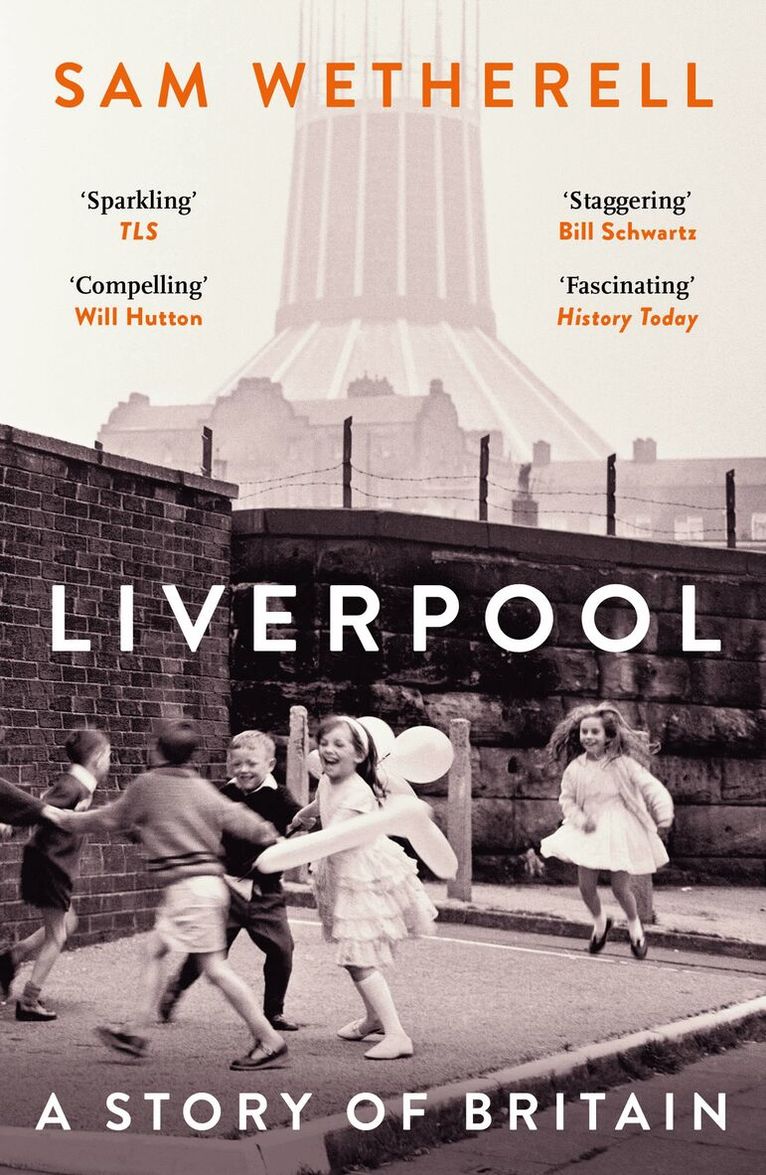
Few cities in the world are as famous as Liverpool, the home of the modern world’s most celebrated rock group and of a legendary football team.The city is equally notorious for its poverty, its ethnic and racial divides and, above all, its decline. For Liverpool was once a major port, growing rich on slavery, on trade with the Americas and the British Empire’s outposts in Africa and Asia. In the 1980s, it was described as ‘obsolete’. Yet the city fights on.This is the epic history of Liverpool since the Second World War. It is a story of vast docklands shrinking and eventually vanishing when corporations discovered they could shift goods in containers and dispense with human workers, of industries like car manufacturing mushrooming and disappearing, of huge new suburbs being built and neglected. It is a moving and horrifying narrative of casual racism – Chinese sailors deported en masse in the aftermath of the war, systematic discrimination against the city’s Black population – and of resistance, culminating in the Toxteth riots in 1981. It is the story of a city fighting against a descent into obsolescence.Liverpool also becomes a prism through which recent British history is brought into a new focus. It is the fascinating history of a single, iconic city. But it is also a warning of what the future may hold for many more communities.
287 kr
Skickas
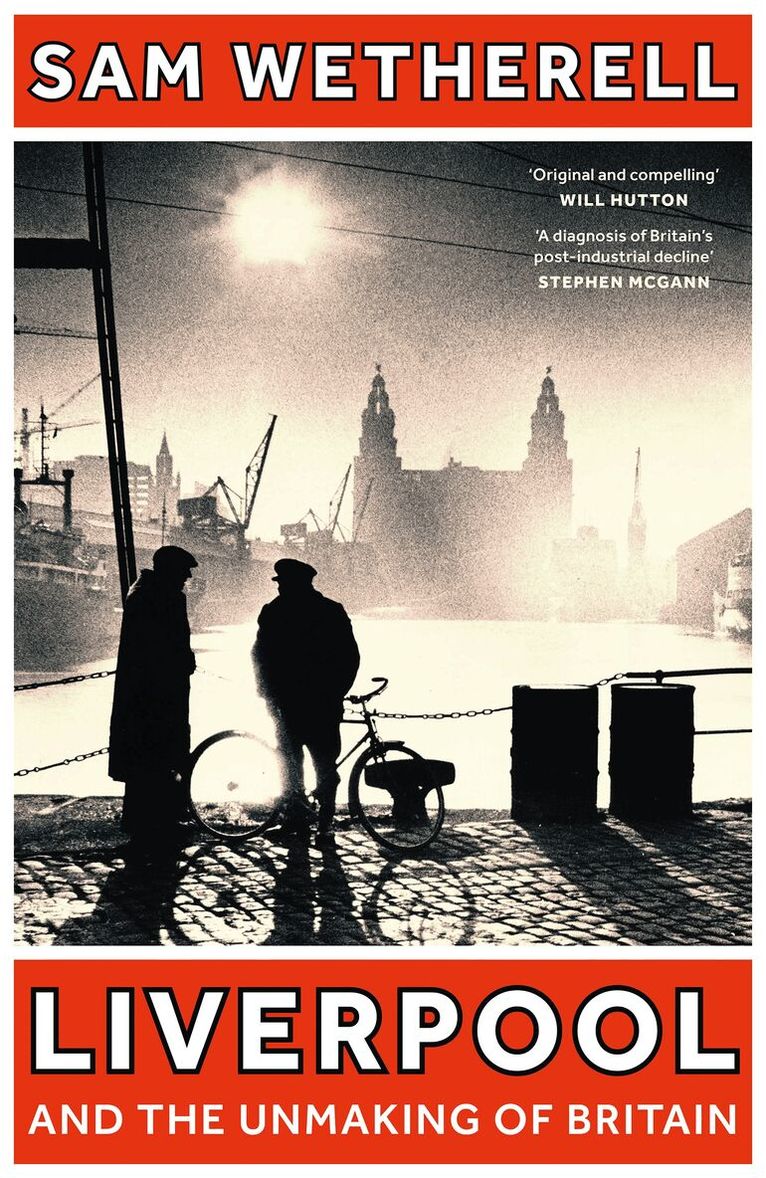
Few cities in the world are as famous as Liverpool, the home of the modern world’s most celebrated rock group and of a legendary football team.The city is equally notorious for its poverty, its ethnic and racial divides and, above all, its decline. For Liverpool was once a major port, growing rich on slavery, on trade with the Americas and the British Empire’s outposts in Africa and Asia. In the 1980s, it was described as ‘obsolete’. Yet the city fights on.This is the epic history of Liverpool since the Second World War. It is a story of vast docklands shrinking and eventually vanishing when corporations discovered they could shift goods in containers and dispense with human workers, of industries like car manufacturing mushrooming and disappearing, of huge new suburbs being built and neglected. It is a moving and horrifying narrative of casual racism – Chinese sailors deported en masse in the aftermath of the war, systematic discrimination against the city’s Black population – and of resistance, culminating in the Toxteth riots in 1981. It is the story of a city fighting against a descent into obsolescence.Liverpool also becomes a prism through which recent British history is brought into a new focus. It is the fascinating history of a single, iconic city. But it is also a warning of what the future may hold for many more communities.