
Samantha K. Hastings – författare
Visar alla böcker från författaren Samantha K. Hastings. Handla med fri frakt och snabb leverans.
2 produkter
2 produkter
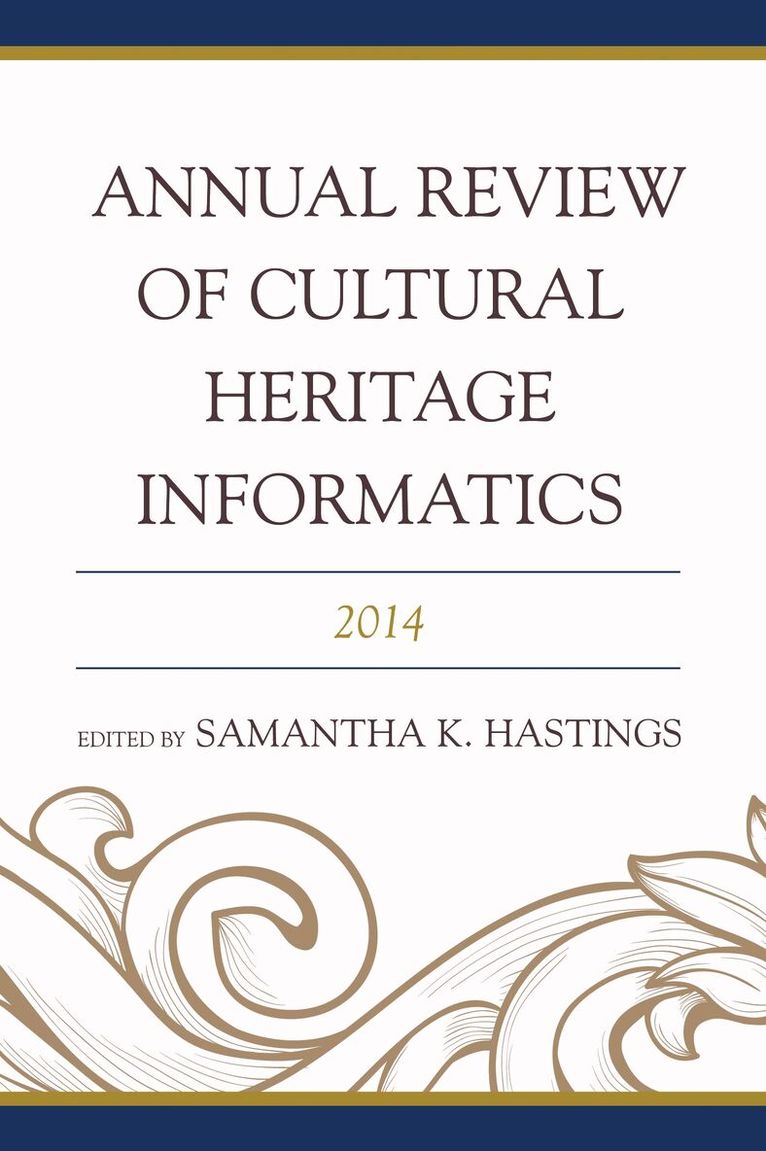
1 324 kr
Skickas inom 10-15 vardagar
Produced by The University of South Carolina’s School of Library and Information Science this is the authoritative annual compilation of research, best practices, and a review of literature in the fields of cultural heritage, imaging for museums and libraries, and digital humanities. The scope is international. The Annual will build on the commonality of interests between museums, archives and libraries, and scholarship in the arts and humanities. An editorial board will be comprised of four to seven scholars in the field to include but not limited to researchers and information professionals with previous work in the field of cultural heritage and informatics. Each issue will contain three major parts: • Original research articles• Literature reviews on the three main research areas in the field:, Social networking and cultural institutions, the value of culture, and open source resources• Overview of trends and technologies in the fieldThe Annual Review is an essential overview and synthesis of this nascent and growing field.
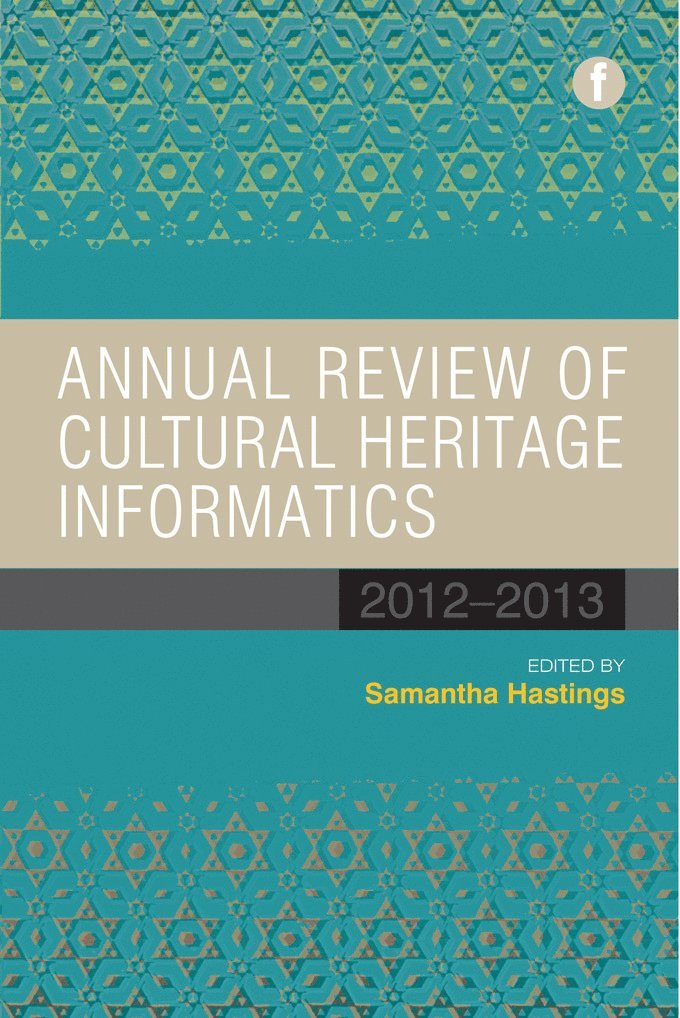
1 203 kr
Tillfälligt slut
The Annual Review of Cultural Heritage Informatics (ARCHI) is a pivotal resource for cultural heritage scholars, professionals and students providing a compendium of current research, educational initiatives and best practices. Featuring sixteen original works selected by the distinguished editorial board of international scholars, ARCHI presents a broad spectrum of the cultural heritage informatics field. Whether you are interested in cultural heritage preservation, digitization, digital humanities, user behaviour, technology or educational practices, this edited collection is the central source for current and emerging trends in the rapidly expanding cultural heritage informatics field. The major sections include:Best Practices: contributors explore the increasingly converging, distributed and pluralistic nature of digital cultural heritage and suggest new perspectives on traditional preservation and access methodologiesDigital Communities: authors emphasize the role of cultural maps in interpreting digital representations and advocate for the preservation of digital cultural discourseEducation: offerings include an exploration of a current cultural heritage informatics educational program and an analysis of educational resources available to local history and genealogy collection librarians Field Reports: case studies include active digitization programs, cultural heritage preservation initiatives and developing cultural heritage research agendas in Ethiopia, Pennsylvania (USA), Australia and RomaniaTechnology: chapters explore specific uses of technology for promoting the accessibility and preservation of cultural heritage ranging from a digital humanities virtual reality application, to folksonomies and other social networking tools as finding aid extensions, and a review of digital collection user studiesReviews: this new section is introduced and the vision charted for its expansion in future volumes. ARCHI is the polestar publication for cultural heritage informatics scholars, practitioners, and students. By challenging readers to explore a variety of contexts and offering critical evaluation of conventional practices, ARCHI promotes new ideas and offers new pathways of development for the cultural heritage informatics field.