Samantha Lomb - Böcker
Visar alla böcker från författaren Samantha Lomb. Handla med fri frakt och snabb leverans.
4 produkter
4 produkter
957 kr
Skickas inom 7-10 vardagar
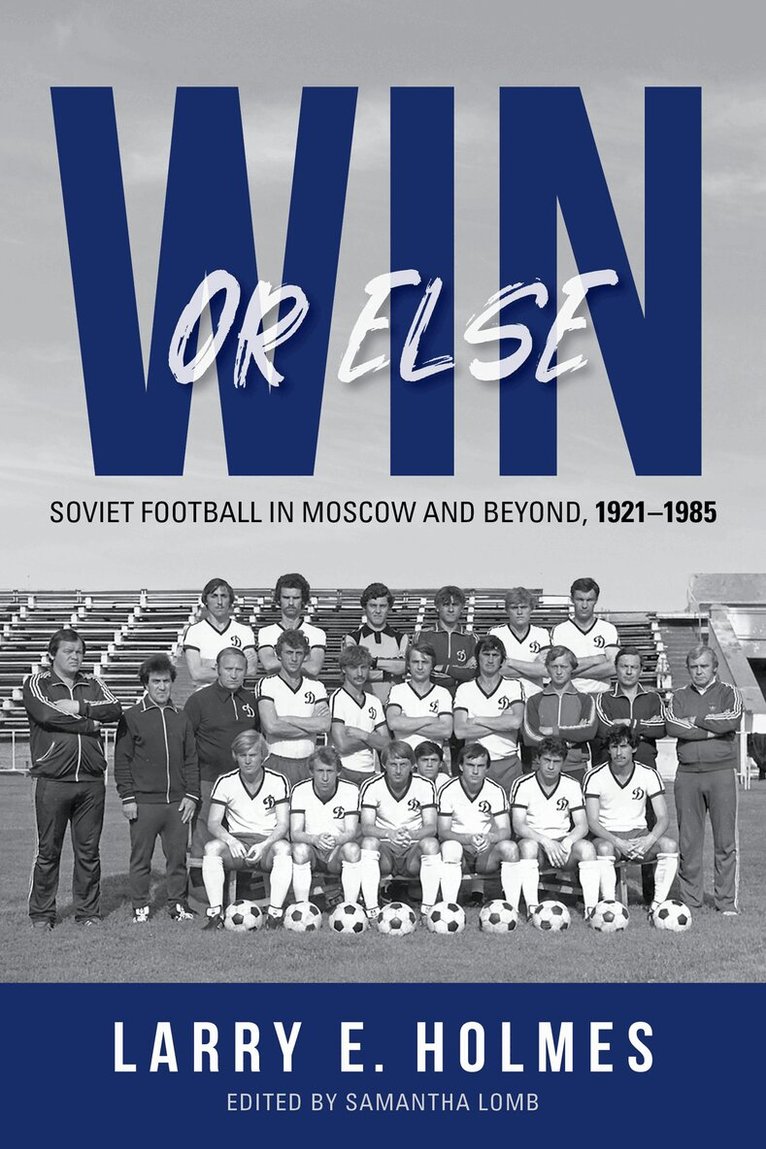
In Win or Else, Larry E. Holmes shows us how Soviet football culture regularly disregarded official ideological and political imperatives and skirted the boundaries between socialism and capitalism. In the early 1920s, the Soviet press denounced football as a bourgeois sport that was injurious to both mind and body. Within that same decade, however, it blew up, becoming the most popular spectator sport in the USSR and growing into a fiercely competitive business with complex regional and national bureaucracies, a strong international presence, and a conviction that victory on the field was also a victory of Soviet supremacy. Writing as both historian and fan, Holmes focuses his study on the provincial Kirov team Dinamo from 1979 to 1985, when the club played at both its worst and its best. Spurred by a dismal 1979 season, the team's administrators and regional authorities had two options: obey Moscow's edict to reduce expenditures on professional sports or seek out new—and often illicit—funding sources to fill out a team of champions. Drawing on rich archival materials as well as newspapers and interviews with former players, Win or Else reveals the foundations of Soviet sports culture—and the hazards that teams faced both in victory and in loss.
328 kr
Skickas inom 7-10 vardagar
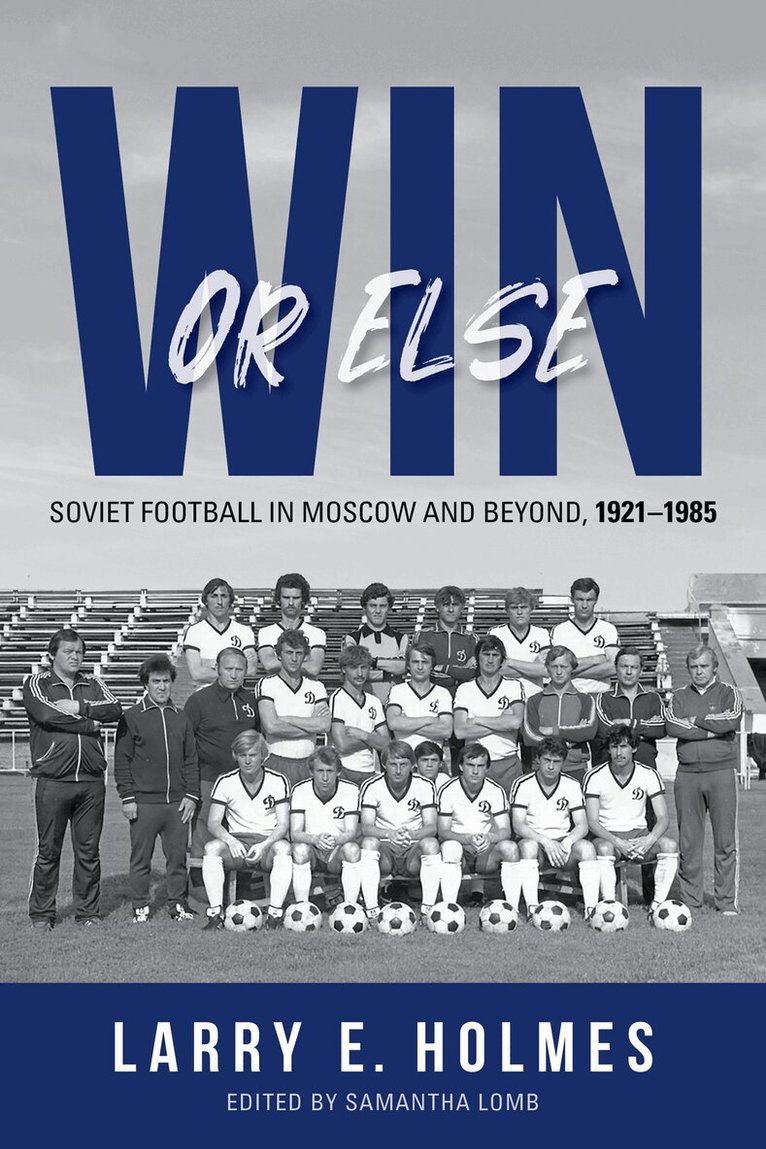
In Win or Else, Larry E. Holmes shows us how Soviet football culture regularly disregarded official ideological and political imperatives and skirted the boundaries between socialism and capitalism. In the early 1920s, the Soviet press denounced football as a bourgeois sport that was injurious to both mind and body. Within that same decade, however, it blew up, becoming the most popular spectator sport in the USSR and growing into a fiercely competitive business with complex regional and national bureaucracies, a strong international presence, and a conviction that victory on the field was also a victory of Soviet supremacy. Writing as both historian and fan, Holmes focuses his study on the provincial Kirov team Dinamo from 1979 to 1985, when the club played at both its worst and its best. Spurred by a dismal 1979 season, the team's administrators and regional authorities had two options: obey Moscow's edict to reduce expenditures on professional sports or seek out new—and often illicit—funding sources to fill out a team of champions. Drawing on rich archival materials as well as newspapers and interviews with former players, Win or Else reveals the foundations of Soviet sports culture—and the hazards that teams faced both in victory and in loss.
Stalin’s Constitution
Soviet Participatory Politics and the Discussion of the 1936 Draft Constitution
Häftad, Engelska, 2019
845 kr
Skickas inom 10-15 vardagar
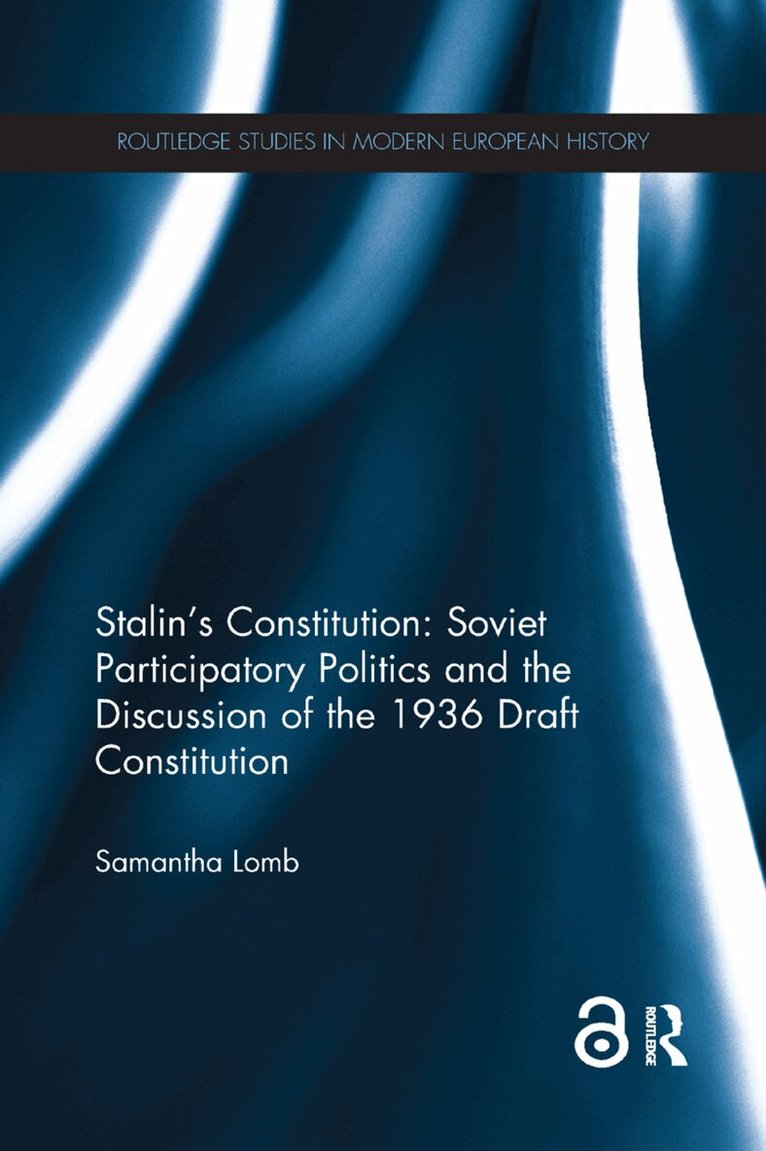
Upon its adoption in December 1936, Soviet leaders hailed the new so-called Stalin Constitution as the most democratic in the world. Scholars have long scoffed at this claim, noting that the mass repression of 1937–1938 that followed rendered it a hollow document. This study does not address these competing claims, but rather focuses on the six-month long popular discussion of the draft Constitution, which preceded its formal adoption in December 1936. Drawing on rich archival sources, this book uses the discussion of the draft 1936 Constitution to examine discourse between the central state leadership and citizens about the new Soviet social contract, which delineated the roles the state and citizens should play in developing socialism. For the central leadership, mobilizing its citizenry in a variety of state building campaigns was the main goal of the discussion of the draft Constitution. However, the goals of the central leadership at times stood in stark contrast with the people’s expressed interpretation of that social contract. Citizens of the USSR focused on securing rights and privileges, often related to improving their daily lives, from the central government.The Open Access version of this book, available at https://doi.org/10.4324/9781315194004, has been made available under a Creative Commons Attribution-Non Commercial-No Derivatives 4.0 license.
Stalin’s Constitution
Soviet Participatory Politics and the Discussion of the 1936 Draft Constitution
Inbunden, Engelska, 2017
2 160 kr
Skickas inom 10-15 vardagar
Upon its adoption in December 1936, Soviet leaders hailed the new so-called Stalin Constitution as the most democratic in the world. Scholars have long scoffed at this claim, noting that the mass repression of 1937–1938 that followed rendered it a hollow document. This study does not address these competing claims, but rather focuses on the six-month long popular discussion of the draft Constitution, which preceded its formal adoption in December 1936. Drawing on rich archival sources, this book uses the discussion of the draft 1936 Constitution to examine discourse between the central state leadership and citizens about the new Soviet social contract, which delineated the roles the state and citizens should play in developing socialism. For the central leadership, mobilizing its citizenry in a variety of state building campaigns was the main goal of the discussion of the draft Constitution. However, the goals of the central leadership at times stood in stark contrast with the people’s expressed interpretation of that social contract. Citizens of the USSR focused on securing rights and privileges, often related to improving their daily lives, from the central government.The Open Access version of this book, available at https://doi.org/10.4324/9781315194004, has been made available under a Creative Commons Attribution-Non Commercial-No Derivatives 4.0 license.