Sami Al-Daghistani – Författare
Visar alla böcker från författaren Sami Al-Daghistani. Handla med fri frakt och snabb leverans.
5 produkter
5 produkter
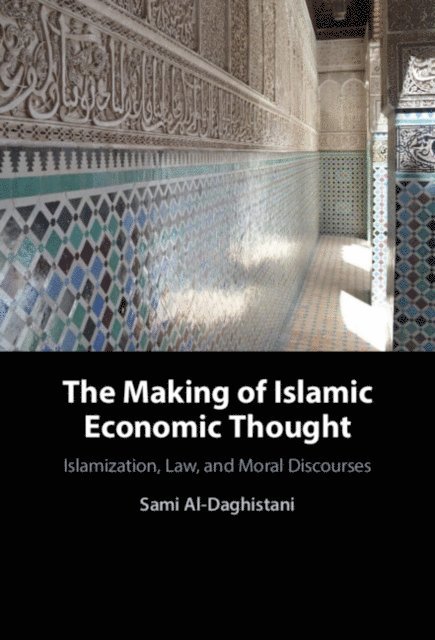
The Making of Islamic Economic Thought
Islamization, Law, and Moral Discourses
Inbunden, Engelska, 2022
1 417 kr
Skickas inom 7-10 vardagar
Interrogating the development and conceptual framework of economic thought in the Islamic tradition pertaining to ethical, philosophical, and theological ideas, this book provides a critique of modern Islamic economics as a hybrid economic system. From the outset, Sami Al-Daghistani is concerned with the polyvalent methodology of studying the phenomenon of Islamic economic thought as a human science in that it nurtures a complex plentitude of meanings and interpretations associated with the moral self. By studying legal scholars, theologians, and Sufis in the classical period, Al-Daghistani looks at economic thought in the context of Sharī'a's moral law. Alongside critiquing modern developments of Islamic economics, he puts forward an idea for a plural epistemology of Islam's moral economy, which advocates for a multifaceted hermeneutical reading of the subject in light of a moral law, embedded in a particular cosmology of human relationality, metaphysical intelligibility, and economic subjectivity.
333 kr
Skickas inom 7-10 vardagar
Interrogating the development and conceptual framework of economic thought in the Islamic tradition pertaining to ethical, philosophical, and theological ideas, this book provides a critique of modern Islamic economics as a hybrid economic system. From the outset, Sami Al-Daghistani is concerned with the polyvalent methodology of studying the phenomenon of Islamic economic thought as a human science in that it nurtures a complex plentitude of meanings and interpretations associated with the moral self. By studying legal scholars, theologians, and Sufis in the classical period, Al-Daghistani looks at economic thought in the context of Sharī'a's moral law. Alongside critiquing modern developments of Islamic economics, he puts forward an idea for a plural epistemology of Islam's moral economy, which advocates for a multifaceted hermeneutical reading of the subject in light of a moral law, embedded in a particular cosmology of human relationality, metaphysical intelligibility, and economic subjectivity.
1 254 kr
Skickas inom 5-8 vardagar
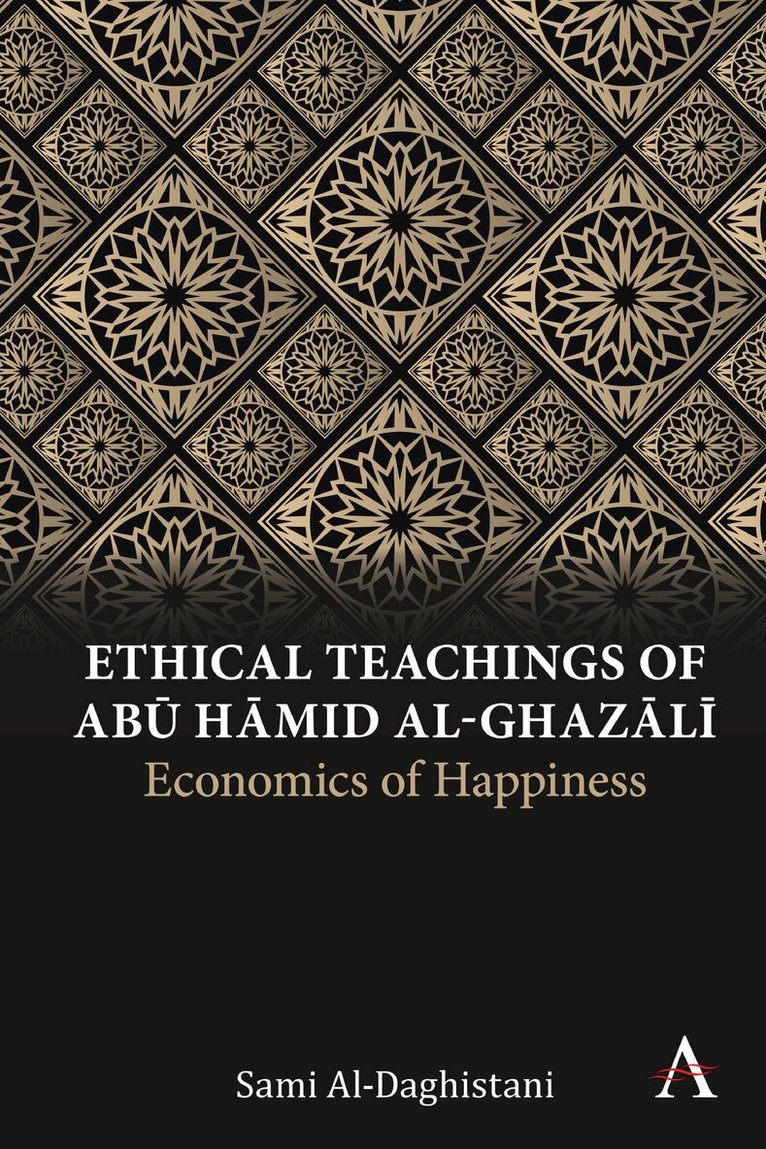
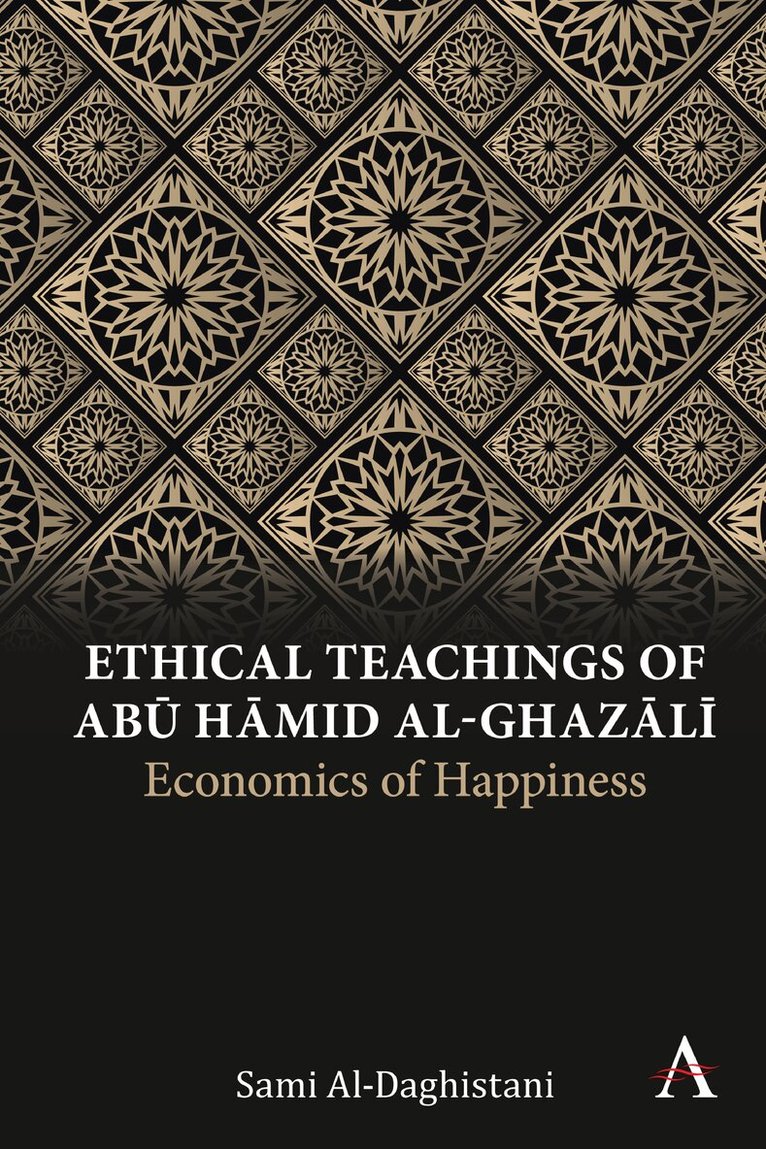
This book studies the interplay of economic philosophy and moral conduct as reflected in the writings of one of the most renowned scholars in Islamic history, Abū Ḥāmid Muḥammad ibn Muḥammad al-Ghazālī (d. 1111). As is well known, Imām al-Ghazālī, nicknamed “the proof of Islam”, contributed immensely to Islamic theology, philosophy, and Sufism or Islamic mysticism (taṣawwuf). Strikingly enough, al-Ghazālī also made seminal contributions to the field of economic thought, but this contribution has been largely neglected, although al-Ghazālī dedicated many chapters to what he considered just and Sharī‘a-based economic conduct in (Muslim) society. This book aims to analyse and revive al-Ghazālī’s understudied contribution to economic thought by emphasizing his economic philosophy and its correlation between Sharī‘a’s moral law and the tradition of taṣawwuf, as well as to situate his thought within the context of modern economic theories.
446 kr
Tillfälligt slut
402 kr
Skickas inom 5-8 vardagar
This book studies the interplay of economic philosophy and moral conduct as reflected in the writings of one of the most renowned scholars in Islamic history, Abū Ḥāmid Muḥammad ibn Muḥammad al-Ghazālī (d. 1111). As is well known, Imām al-Ghazālī, nicknamed “the proof of Islam”, contributed immensely to Islamic theology, philosophy, and Sufism or Islamic mysticism (taṣawwuf). Strikingly enough, al-Ghazālī also made seminal contributions to the field of economic thought, but this contribution has been largely neglected, although al-Ghazālī dedicated many chapters to what he considered just and Sharī‘a-based economic conduct in (Muslim) society. This book aims to analyse and revive al-Ghazālī’s understudied contribution to economic thought by emphasizing his economic philosophy and its correlation between Sharī‘a’s moral law and the tradition of taṣawwuf, as well as to situate his thought within the context of modern economic theories.