Samiparna Samanta – författare
Visar alla böcker från författaren Samiparna Samanta. Handla med fri frakt och snabb leverans.
5 produkter
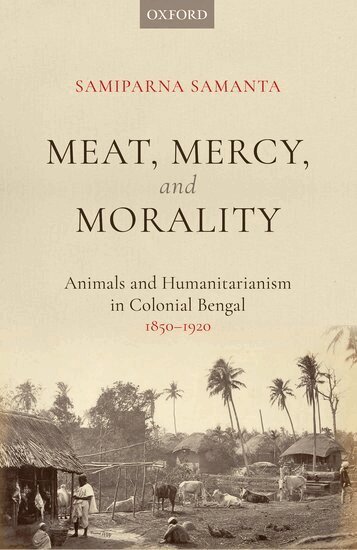
Meat, Mercy, Morality
Animals and Humanitarianism in Colonial Bengal, 1850-1920
Inbunden, 2021
830 kr
Lägg i varukorg
This book disentangles complex discourses around humanitarianism to understand the nature of British colonialism in India. It contends that the colonial project of animal protection in late nineteenth-century Bengal mirrored an irony. Emerging notions of public health and debates on cruelty against …
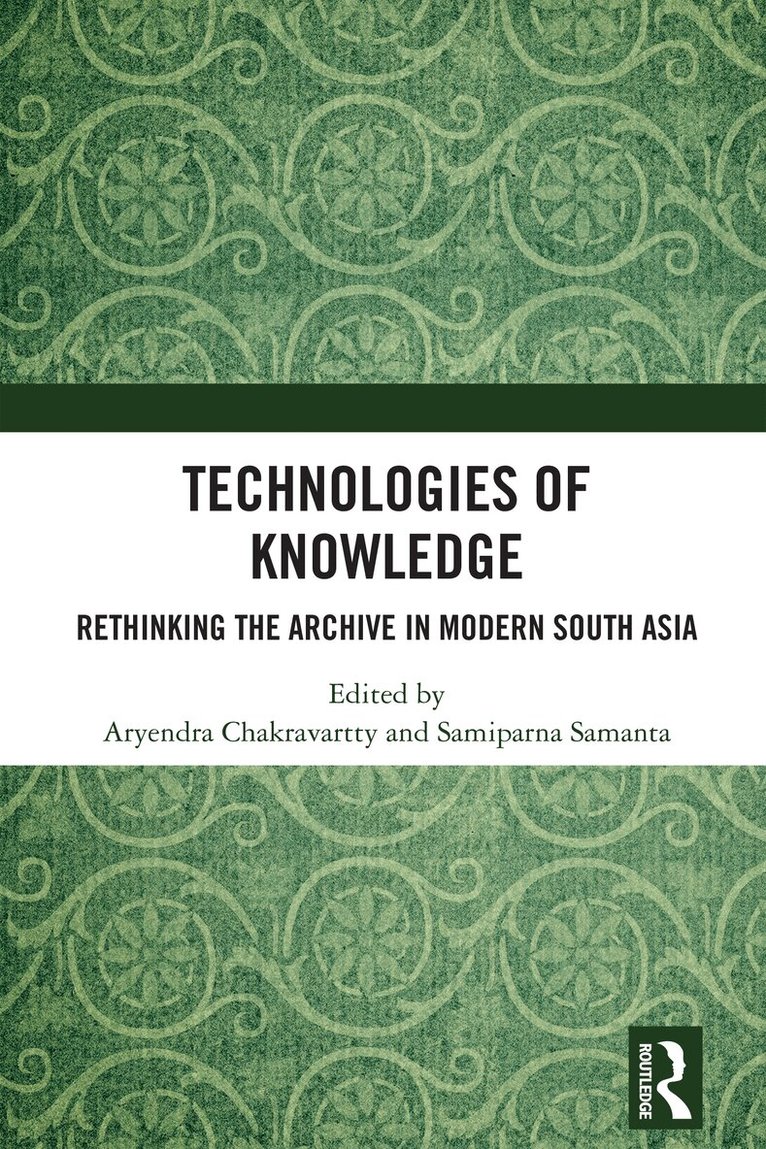
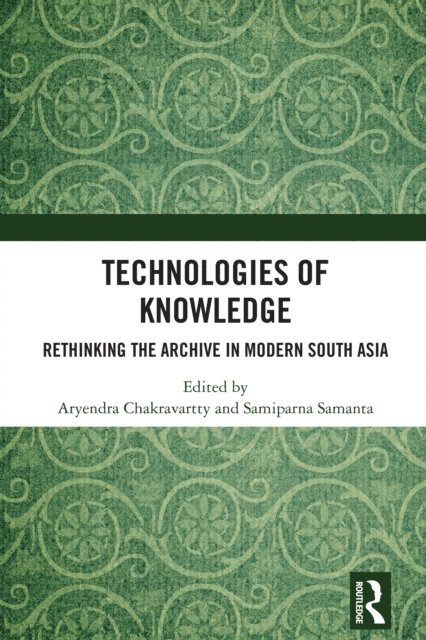
Technologies of Knowledge
Rethinking the Archive in Modern South Asia
Av Aryendra Chakravartty, Samiparna Samanta
Inbunden, 2024
2585 kr
Lägg i varukorg
This book traces the role of technology in shaping, curating, disseminating, and archiving knowledge and life in South Asia. It focuses on empirical studies of transformative social processes unleashed by technological intervention in colonial and postcolonial contexts, which have changed our …
Technologies of Knowledge
Rethinking the Archive in Modern South Asia
Av Aryendra Chakravartty, Samiparna Samanta
Häftad, 2025
726 kr
Lägg i varukorg
This book traces the role of technology in shaping, curating, disseminating, and archiving knowledge and life in South Asia. It focuses on empirical studies of transformative social processes unleashed by technological intervention in colonial and postcolonial contexts, which have changed our …
Technologies of Knowledge
Rethinking the Archive in Modern South Asia
Av Samiparna Samanta, Aryendra Chakravartty
E-bok, 2024
838 kr
Lägg i varukorg
This book traces the role of technology in shaping, curating, disseminating, and archiving knowledge and life in South Asia. It focuses on empirical studies of transformative social processes unleashed by technological intervention in colonial and postcolonial contexts, which have changed our …
Technologies of Knowledge
Rethinking the Archive in Modern South Asia
Av Samiparna Samanta, Aryendra Chakravartty
E-bok, 2024
838 kr
Lägg i varukorg
This book traces the role of technology in shaping, curating, disseminating, and archiving knowledge and life in South Asia. It focuses on empirical studies of transformative social processes unleashed by technological intervention in colonial and postcolonial contexts, which have changed our …