Samit Roy – författare
Visar alla böcker från författaren Samit Roy. Handla med fri frakt och snabb leverans.
6 produkter
Multi-scale and Multi-physics Simulation of Fracture and Fatigue
Av Samit Roy, Sankha Subhra Aditya
Inbunden, 2026
1524 kr
Lägg i varukorg
Multi-scale and Multi-physics Simulation of Fracture and Fatigue presents a comprehensive exploration of theoretical and computational methods used in the analysis of fracture and fatigue in materials, effectively bridging length and time scales. It explores both fundamental concepts of fracture …
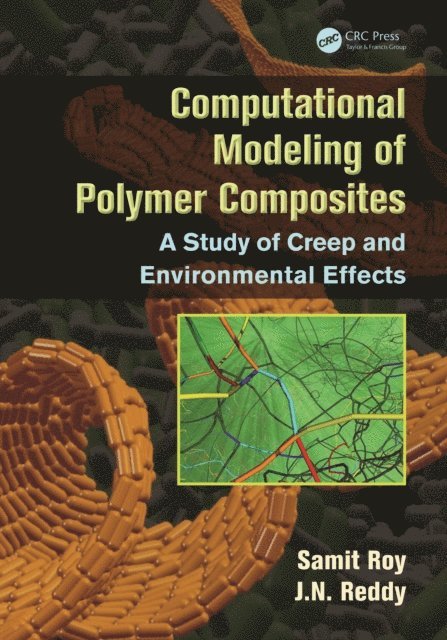
Computational Modeling of Polymer Composites
A Study of Creep and Environmental Effects
Av J.N. Reddy, Samit Roy
E-bok, 2013
3428 kr
Lägg i varukorg
This book provides a better understanding of the theories associated with finite element models of elastic and viscoelastic response of polymers and polymer composites. It covers computational modeling and life-prediction of polymers and polymeric composites in aggressive environments. It begins …
Multi-scale and Multi-physics Simulation of Fracture and Fatigue
Av Sankha Subhra Aditya, Samit Roy
E-bok, 2026
1022 kr
Lägg i varukorg
Multi-scale and Multi-physics Simulation of Fracture and Fatigue presents a comprehensive exploration of theoretical and computational methods used in the analysis of fracture and fatigue in materials, effectively bridging length and time scales. It explores both fundamental concepts of fracture …
Multi-scale and Multi-physics Simulation of Fracture and Fatigue
Av Sankha Subhra Aditya, Samit Roy
E-bok, 2026
1000 kr
Lägg i varukorg
Multi-scale and Multi-physics Simulation of Fracture and Fatigue presents a comprehensive exploration of theoretical and computational methods used in the analysis of fracture and fatigue in materials, effectively bridging length and time scales. It explores both fundamental concepts of fracture …
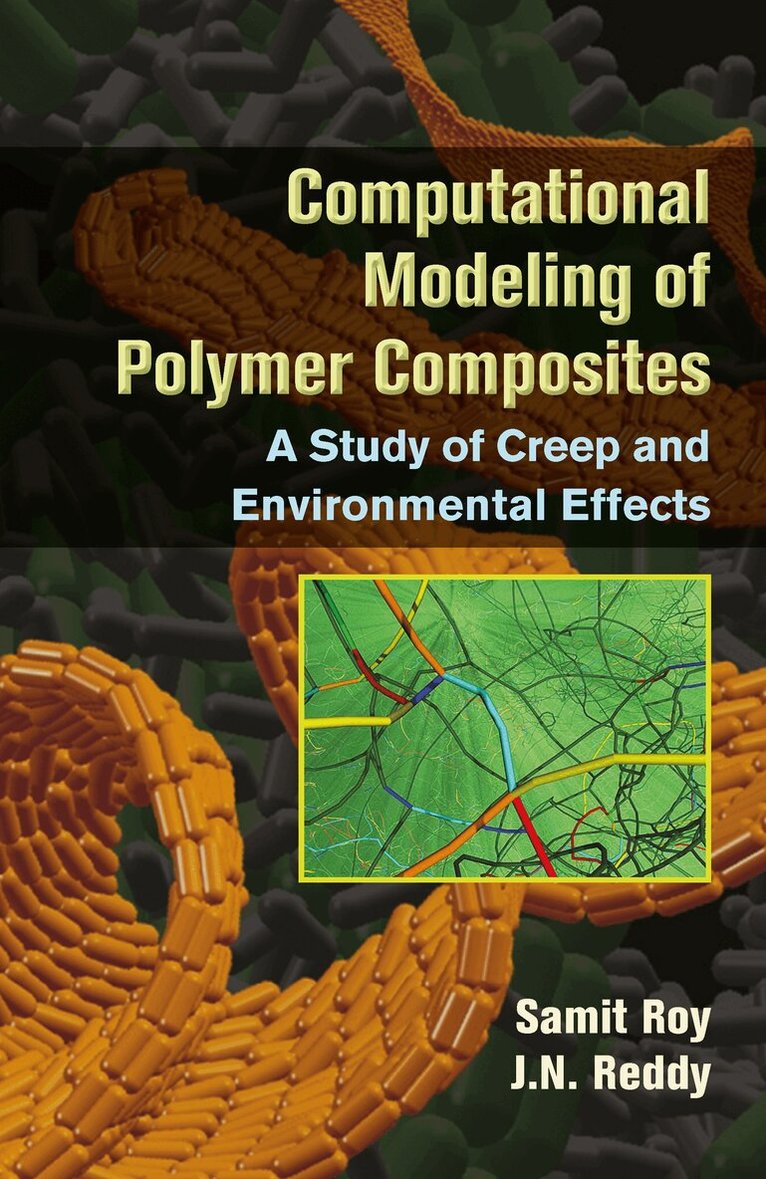
Computational Modeling of Polymer Composites
A Study of Creep and Environmental Effects
Av J.N. Reddy, Samit Roy
E-bok, 2013
3428 kr
Lägg i varukorg
This book provides a better understanding of the theories associated with finite element models of elastic and viscoelastic response of polymers and polymer composites. It covers computational modeling and life-prediction of polymers and polymeric composites in aggressive environments. It begins …
Computational Modeling of Polymer Composites
A Study of Creep and Environmental Effects
Av Samit Roy, J.N. Reddy
Inbunden, 2013
1921 kr
Tillfälligt slut
Computational Modeling of Polymer Composites: A Study of Creep and Environmental Effects details the development of polymeric materials and their use in smart materials and composite structures in aerospace and automotive industries. Based on the authors' work during the past 30 years, this book …