Samuel Charters - Böcker
Visar alla böcker från författaren Samuel Charters. Handla med fri frakt och snabb leverans.
11 produkter
11 produkter
208 kr
Skickas inom 10-15 vardagar
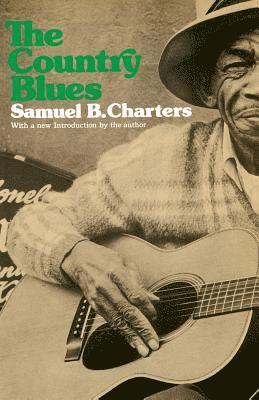
From the field cries and work chants of Southern Negroes emerged a rich and vital music called the country blues, an intensely personal expression of the pains and pleasures of black life. This music- recorded during the twenties by men like Blind Lemon Jefferson, Big Bill Broonzy, and Robert Johnson- had all but disappeared from memory until the folk music revival of the late 1950's created a new and appreciable audience for the country blues.On of the pioneering studies of this unjustly-neglected music was Sam Charter's The Country Blues. In it, Charters recreates the special world of the country bluesman- that lone black performer accompanying himself on the acoustic guitar, his music a rich reflection of his own emotional life.Virtually rewriting the history of the blues, Charters reconstructs its evolution and dissemination, from the first tentative soundings on the Mississippi Delta through the emergence, with Elvis Presley, of rock and roll. His carefully-researched biographies of near-legendary performers like Lonnie Johnson, Blind Boy Fuller, and Tampa Red- coupled with his perceptive discussions of their recordings- pay tribute to a kind of artistry that will never be seen or heard again. And his portraits of the still-strumming Sonny Terry, Brownie McGhee, Muddy Waters, and Lightnin' Hopkins- point up the undying strength and vitality of the country blues.
186 kr
Skickas inom 5-8 vardagar
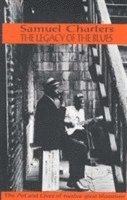
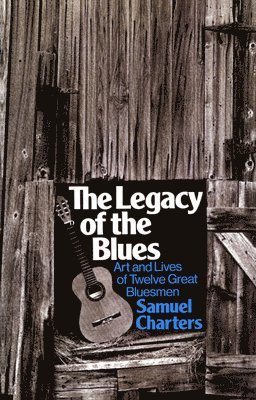
Blues is a language,one which has evolved its own rules and which is the sole property of a culture always forced to the periphery of white society. As such it is a political language. Whether it is passed as a legacy from African village to Mississippi farm, or from farm to Chicago ghetto, or from ghetto to Paris cafe, it is part of a larger oral heritage that is an expression of black America. Makeshift instruments, runaway slaves, railroads, prisons, empty rooms, work gangs, blindness, and pain have all been involved in the passing of this legacy, which has moved from hand to hand like a bottle of whiskey among friends and which now, for whatever reasons, seems faced with extinction. As Lightnin' Hopkins says: "I see a few young musicians coming along. But it's not many. It's not many at all, and the few that is,I'll tell you, you know what I mean, they don't have it. They just don't feel it. . . . I never had that trouble. I had the one thing you need to be a blues singer. I was born with the blues."With an awareness of the urgency involved, and with considerable devotion, Samuel Charters has chosen twelve major bluesmen, each whom represents a major facet of the blues, and has written about them. Rather than adopt the voyeuristic tone of the academician, he has used the direct visceral images that have always composed the blues. Also included are interviews, photographs, lyrics, and separate chapters on the black experience in America, and the evolution of the blues language from its African origins. Samuel Charters has renewed contact with the greatness of the blues legacy,from the haunting lyric songs of the bluesmen like Robert Pete Williams and Lightnin' Hopkins to the fiercely joyous shouts of Champion Jack Depree, Memphis Slim, and Mighty Joe Young.
429 kr
Skickas inom 7-10 vardagar
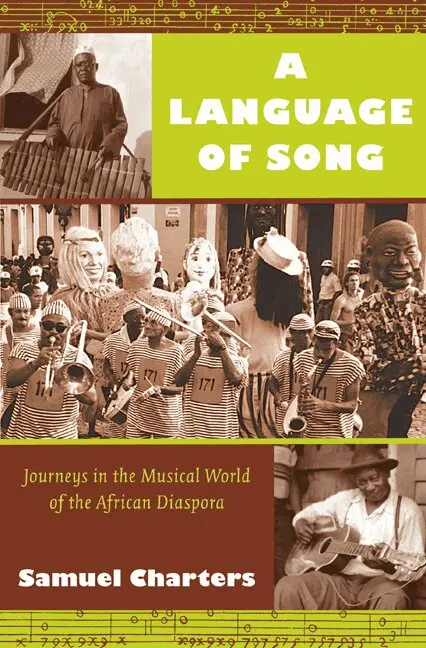
In A Language of Song, Samuel Charters-one of the pioneering collectors of African American music-writes of a trip to West Africa where he found “a gathering of cultures and a continuing history that lay behind the flood of musical expression [he] encountered everywhere . . . from Brazil to Cuba, to Trinidad, to New Orleans, to the Bahamas, to dance halls of west Louisiana and the great churches of Harlem.” In this book, Charters takes readers along to those and other places, including Jamaica and the Georgia Sea Islands, as he recounts experiences from a half-century spent following, documenting, recording, and writing about the Africa-influenced music of the United States, Brazil, and the Caribbean.Each of the book’s fourteen chapters is a vivid rendering of a particular location that Charters visited. While music is always his focus, the book is filled with details about individuals, history, landscape, and culture. In first-person narratives, Charters relates voyages including a trip to the St. Louis home of the legendary ragtime composer Scott Joplin and the journey to West Africa, where he met a man who performed an hours-long song about the Europeans’ first colonial conquests in Gambia. Throughout the book, Charters traces the persistence of African musical culture despite slavery, as well as the influence of slaves’ songs on subsequent musical forms. In evocative prose, he relates a lifetime of travel and research, listening to brass bands in New Orleans; investigating the emergence of reggae, ska, and rock-steady music in Jamaica’s dancehalls; and exploring the history of Afro-Cuban music through the life of the jazz musician Bebo ValdÉs. A Language of Song is a unique expedition led by one of music’s most observant and well-traveled explorers.
115 kr
Skickas inom 5-8 vardagar
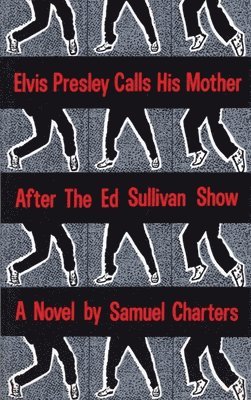
"Poet, novelist and musicologist Samuel Charters steps on nobody's blue suede shoes in this novella, which consists of a single, unbroken monologue that wails and jangles like an electric-guitar solo."--The Los Angeles Times Book Review
350 kr
Skickas inom 5-8 vardagar
196 kr
Skickas inom 5-8 vardagar
320 kr
Skickas inom 7-10 vardagar
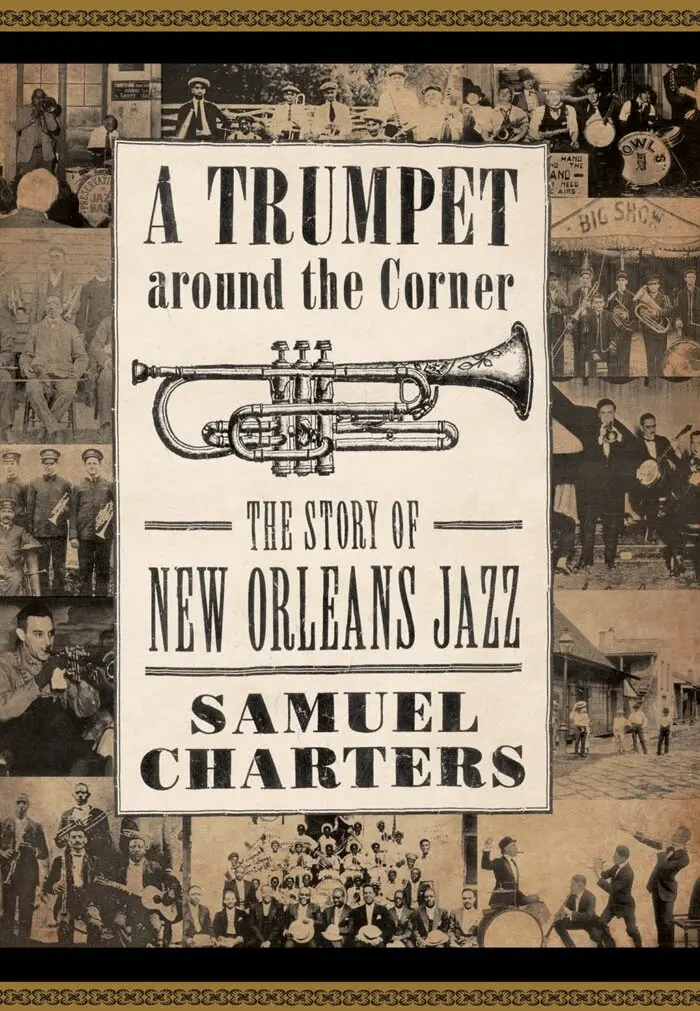
Samuel Charters has been studying and writing about New Orleans music for more than fifty years. A Trumpet around the Corner: The Story of New Orleans Jazz is the first book to tell the entire story of a century of jazz in New Orleans. Although there is still controversy over the racial origins and cultural sources of New Orleans jazz, Charters provides a balanced assessment of the role played by all three of the city's musical lineages--African American, white, and Creole--in jazz's formative years. Charters also maps the inroads blazed by the city's Italian immigrant musicians, who left their own imprint on the emerging styles. The study is based on the author's own interviews, begun in the 1950s, on the extensive material gathered by the Oral History Project in New Orleans, on the recent scholarship of a new generation of writers, and on an exhaustive examination of related newspaper files from the jazz era. The book extends the study area of his earlier book Jazz: New Orleans, 1885-1957, and breaks new ground with its in-depth discussion of the earliest New Orleans recordings. A Trumpet around the Corner for the first time brings the story up to the present, describing the worldwide interest in the New Orleans jazz revival of the 1950s and 1960s, and the exciting resurgence of the brass bands of the last decades. The book discusses the renewed concern over New Orleans's musical heritage, which is at great risk after the catastrophe of Hurricane Katrina's floodwaters.
386 kr
Skickas inom 7-10 vardagar
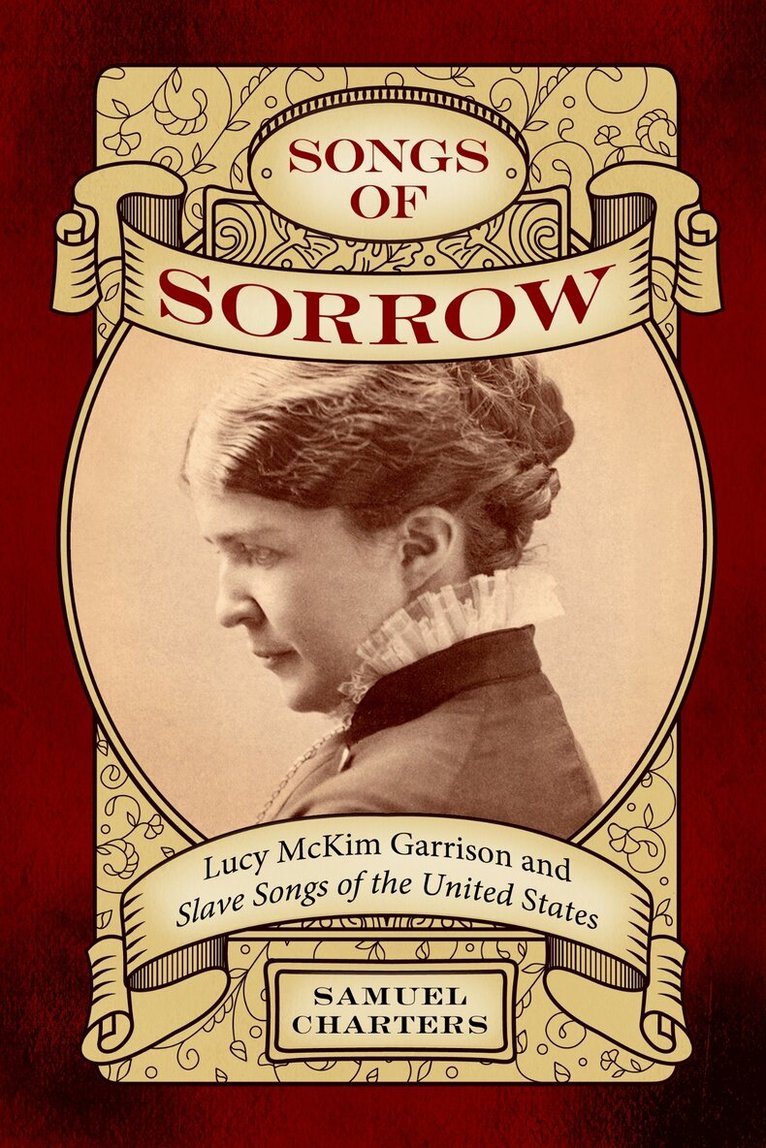
In the spring of 1862, Lucy McKim, the nineteen-year-old daughter of a Philadelphia abolitionist Quaker family, traveled with her father to the Sea Islands of South Carolina to aid him in his efforts to organize humanitarian aid for thousands of newly freed slaves. During her stay she heard the singing of the slaves in their churches, as they rowed their boats from island to island, and as they worked and played. Already a skilled musician, she determined to preserve as much of the music as she could, quickly writing down words and melodies, some of them only fleeting improvisations. Upon her return to Philadelphia, she began composing musical settings for the songs and in the fall of 1862 published the first serious musical arrangements of slave songs. She also wrote about the musical characteristics of slave songs, and published, in a leading musical journal of the time, the first article to discuss what she had witnessed.In Songs of Sorrow renowned music scholar Samuel Charters tells McKim's personal story. Letters reveal the story of young women's lives during the harsh years of the war. At the same time that her arrangements of the songs were being published, a man with whom she had an unofficial "attachment" was killed in battle, and the war forced her to temporarily abandon her work.In 1865 she married Wendell Phillips Garrison, son of abolitionist William Lloyd Garrison, and in the early months of their marriage she proposed that they turn to the collection of slave songs that had long been her dream. She and her husband—a founder and literary editor of the recently launched journal The Nation—enlisted the help of two associates who had also collected songs in the Sea Islands. Their book, Slave Songs of the United States, appeared in 1867. After a long illness, ultimately ending in paralysis, she died at the age of thirty-four in 1877. This book reclaims the story of a pioneer in ethnomusicology, one whose influential work affected the Fisk Jubilee Singers and many others.
386 kr
Skickas inom 7-10 vardagar
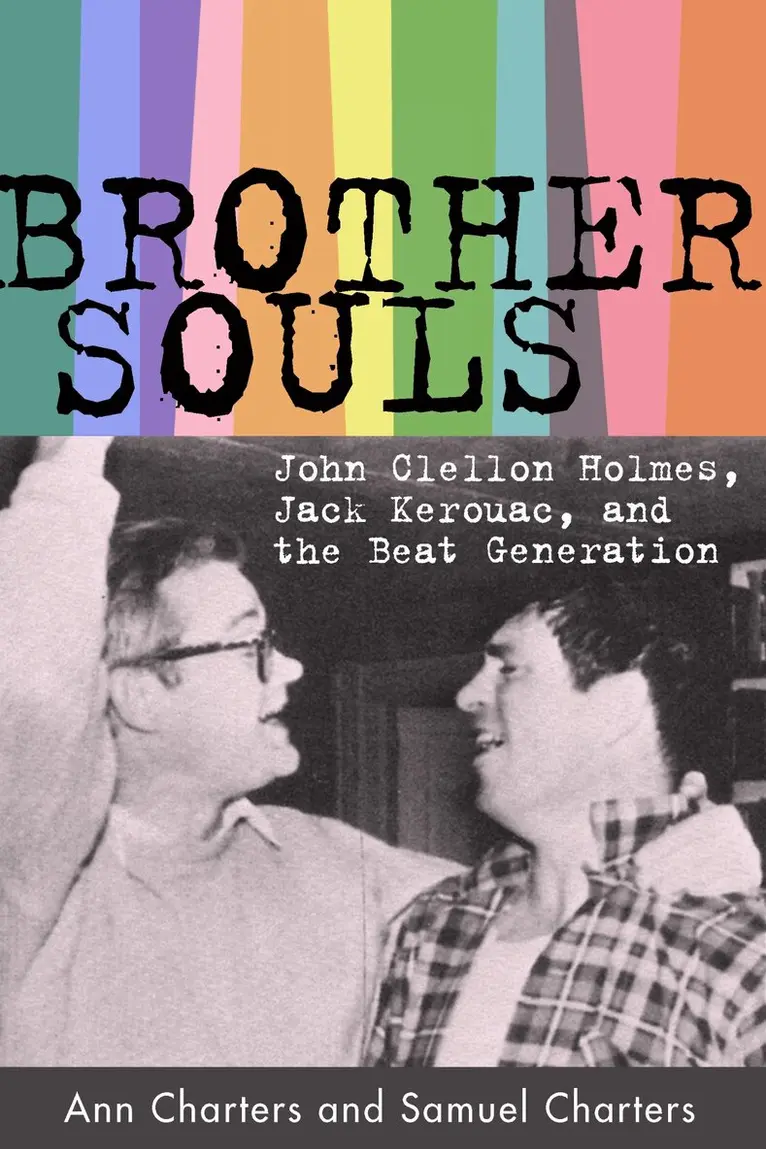
John Clellon Holmes met Jack Kerouac on a hot New York City weekend in 1948, and until the end of Kerouac’s life they were—in Holmes’s words—"Brother Souls." Both were neophyte novelists, hungry for literary fame but just as hungry to find a new way of responding to their experiences in a postwar American society that for them had lost its direction. Late one night as they sat talking, Kerouac spontaneously created the term "Beat Generation" to describe this new attitude they felt stirring around them. Brother-Souls is the remarkable chronicle of this cornerstone friendship and the life of John Clellon Holmes.From 1948 to 1951, when Kerouac’s wanderings took him back to New York, he and Holmes met almost daily. Struggling to find a form for the novel he intended to write, Kerouac climbed the stairs to the apartment in midtown Manhattan where Holmes lived with his wife to read the pages of Holmes’s manuscript for the novel Go as they left the typewriter. With the pages of Holmes’s final chapter still in his mind, he was at last able to crack his own writing dilemma. In a burst of creation in April 1951, he drew all the materials he had been gathering into the scroll manuscript of On the Road.Biographer Ann Charters was close to John Clellon Holmes for more than a decade. At his death in 1988 she was one of a handful of scholars allowed access to the voluminous archive of letters, journals, and manuscripts Holmes had been keeping for twenty-five years. In that mass of material waited an untold story. These two ambitious writers, Holmes and Kerouac, shared days and nights arguing over what writing should be, wandering from one explosive party to the next, and hanging on the new sounds of bebop. Through the pages of Holmes’s journals, often written the morning after the events they recount, Charters discovered and mined an unparalleled trove describing the seminal figures of the Beat Generation: Holmes, Kerouac, Neal Cassady, Allen Ginsberg, William Burroughs, Gregory Corso, and their friends and lovers.
1 205 kr
Skickas inom 7-10 vardagar
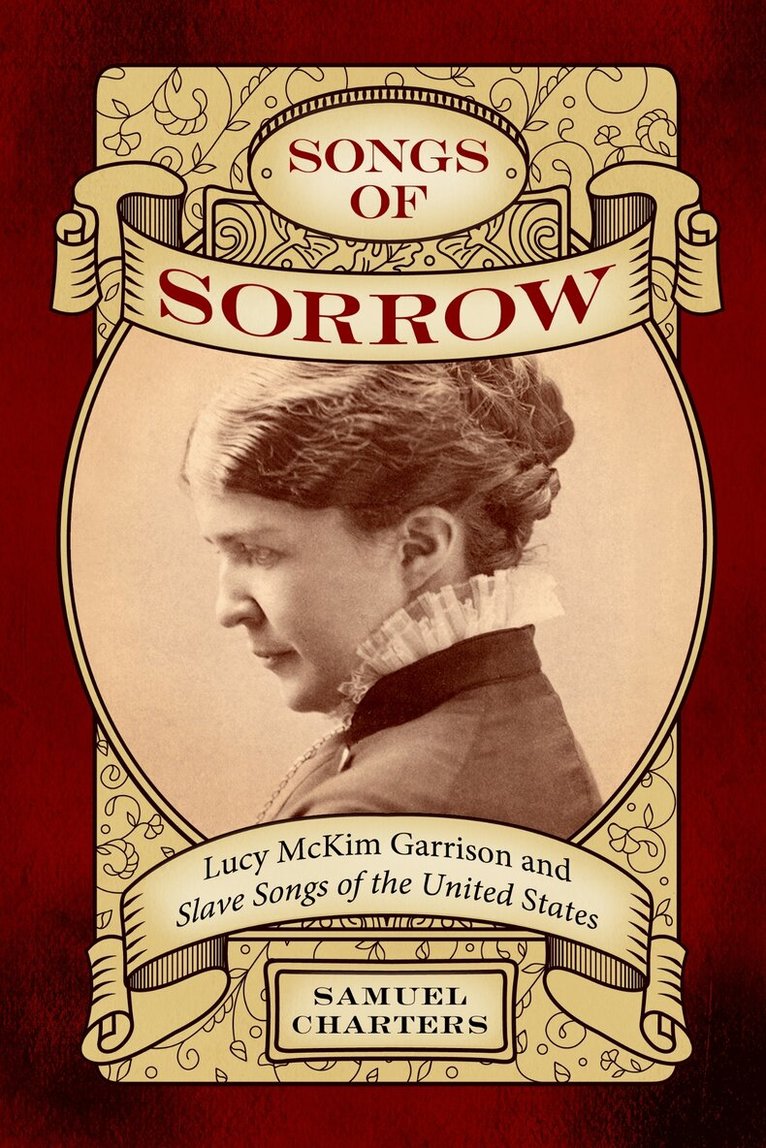
In the spring of 1862, Lucy McKim, the nineteen-year-old daughter of a Philadelphia abolitionist Quaker family, traveled with her father to the Sea Islands of South Carolina to aid him in his efforts to organize humanitarian aid for thousands of newly freed slaves. During her stay she heard the singing of the slaves in their churches, as they rowed their boats from island to island, and as they worked and played. Already a skilled musician, she determined to preserve as much of the music as she could, quickly writing down words and melodies, some of them only fleeting improvisations. Upon her return to Philadelphia, she began composing musical settings for the songs and in the fall of 1862 published the first serious musical arrangements of slave songs. She also wrote about the musical characteristics of slave songs, and published, in a leading musical journal of the time, the first article to discuss what she had witnessed.In Songs of Sorrow renowned music scholar Samuel Charters tells McKim's personal story. Letters reveal the story of young women's lives during the harsh years of the war. At the same time that her arrangements of the songs were being published, a man with whom she had an unofficial ""attachment"" was killed in battle, and the war forced her to temporarily abandon her work.In 1865 she married Wendell Phillips Garrison, son of abolitionist William Lloyd Garrison, and in the early months of their marriage she proposed that they turn to the collection of slave songs that had long been her dream. She and her husband--a founder and literary editor of the recently launched journal The Nation--enlisted the help of two associates who had also collected songs in the Sea Islands. Their book, Slave Songs of the United States, appeared in 1867. After a long illness, ultimately ending in paralysis, she died at the age of thirty-four in 1877. This book reclaims the story of a pioneer in ethnomusicology, one whose influential work affected the Fisk Jubilee Singers and many others.
217 kr
Skickas inom 5-8 vardagar