Samuel Piccolo - Böcker
Visar alla böcker från författaren Samuel Piccolo. Handla med fri frakt och snabb leverans.
4 produkter
4 produkter
579 kr
Skickas inom 10-15 vardagar
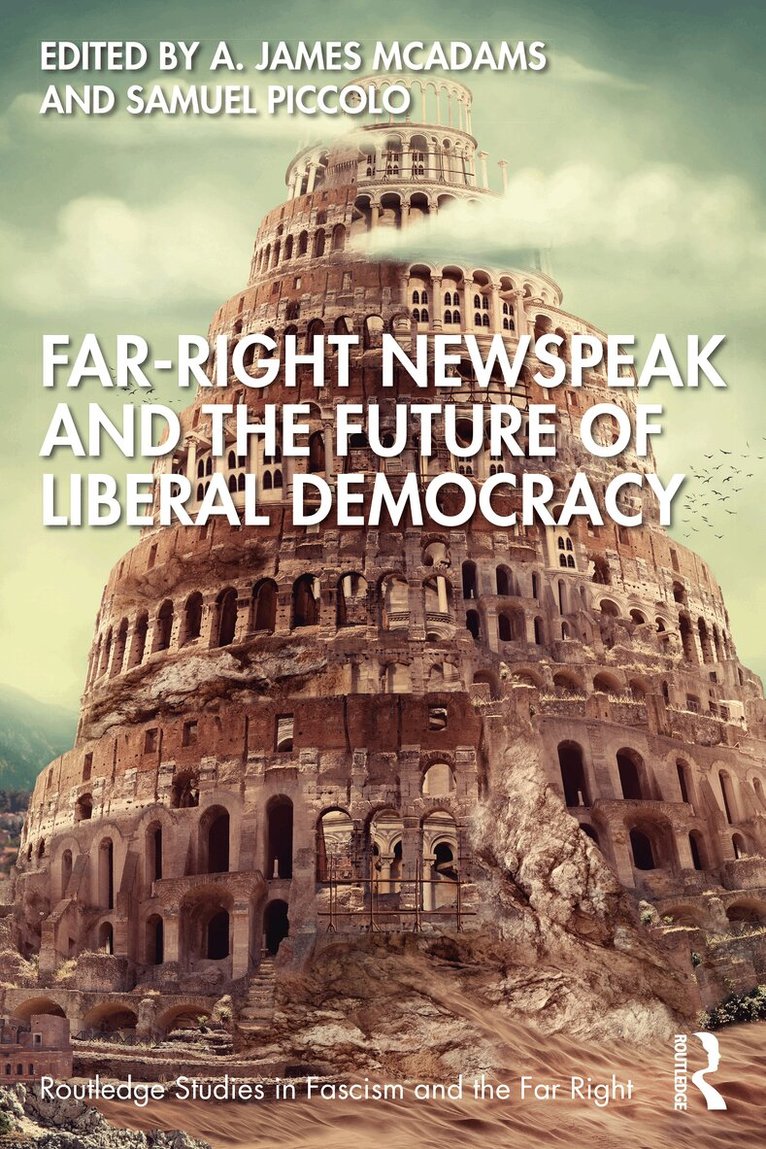
This book is the first systematic, multicountry exploration of far-right Newspeak.The contributors analyze the ways in which contemporary far-right politicians, intellectuals, and pundits use and abuse traditional liberal concepts and ideas to justify positions that threaten democratic institutions and liberal principles. They explore cases of both far-right and right-wing thought in eastern and western Europe, the United States, and Canada. Subjects include well-known figures, such as Marine Le Pen, Tucker Carlson, Peter Thiel, Nick Griffin, Thierry Baudet, Jordan Peterson, Russell Brand, and Viktor Orbán, and lesser-known names, such as the Czech politician Tomio Okamura and the Internet personality "Raw Egg Nationalist." The contributors examine these figures’ claims about hot-button issues, including immigration, Islam, race, Covid-19 policies, feminism, monetary policy, and free speech. The book demonstrates that mainstream politicians and intellectuals are at risk of losing control over the definitions of the very concepts, including equal rights, racial and ethnic diversity, and political tolerance, that undergird their vision of liberal democracy.It will be of interest to scholars, journalists, policymakers, political scientists, historians, political theorists, sociologists, and general audiences concerned about the sophisticated efforts of far-right and right-wing politicians and pundits to undermine the foundations of liberal democracy.
2 098 kr
Skickas inom 10-15 vardagar
This book is the first systematic, multicountry exploration of far-right Newspeak.The contributors analyze the ways in which contemporary far-right politicians, intellectuals, and pundits use and abuse traditional liberal concepts and ideas to justify positions that threaten democratic institutions and liberal principles. They explore cases of both far-right and right-wing thought in eastern and western Europe, the United States, and Canada. Subjects include well-known figures, such as Marine Le Pen, Tucker Carlson, Peter Thiel, Nick Griffin, Thierry Baudet, Jordan Peterson, Russell Brand, and Viktor Orbán, and lesser-known names, such as the Czech politician Tomio Okamura and the Internet personality "Raw Egg Nationalist." The contributors examine these figures’ claims about hot-button issues, including immigration, Islam, race, Covid-19 policies, feminism, monetary policy, and free speech. The book demonstrates that mainstream politicians and intellectuals are at risk of losing control over the definitions of the very concepts, including equal rights, racial and ethnic diversity, and political tolerance, that undergird their vision of liberal democracy.It will be of interest to scholars, journalists, policymakers, political scientists, historians, political theorists, sociologists, and general audiences concerned about the sophisticated efforts of far-right and right-wing politicians and pundits to undermine the foundations of liberal democracy.
1 539 kr
Kommande
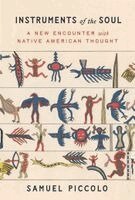
Indigenous peoples in the United States are perhaps more legally, politically, and culturally visible in the mainstream today than at any point since 1870. This shift breathes new life into old questions about Native sovereignty, philosophy, and ethics. In this book, Samuel Piccolo takes up this prompt and asks what we can learn about these as uniquely indigenous concepts, as well as sites of underappreciated overlap with North American political, legal, and philosophical traditions.Piccolo takes seriously the intellectual traditions and perspectives of Native American peoples, arguing that their accounts of sovereignty and political legitimacy are fundamental claims about the world, and not simply reactions to colonial oppression. Presenting Indigenous political philosophy as a tradition that understands itself as a continuation of precolonial thought, rich with its own positive metaphysical, ethical, and political perspectives, Piccolo establishes a dialogue between this tradition and one important pillar in Western philosophy, neo-Aristotelianism.Exploring the implications of this link allows Piccolo to make critical interventions across several scholarly fields, in particular by locating a common understanding of morality as embedded in nature. This corrective lens rewrites contemporary defenses of Indigenous sovereignty, making the case that it must be understood in relation to the substantive philosophy that undergirds it. Moreover, Instruments of the Soul finds in Native and Aristotelian perspectives some relief from the imbricated ills by which we are afflicted—novel understandings of our relationship with the nonhuman world, universal virtues, and alternative approaches to politics rooted in community.The thinkers in this book urge us to be motivated, not by anxiety about power, but wonder at the potential for meaning, beauty, and goodness around us amidst the tumult of contemporary life.
347 kr
Kommande
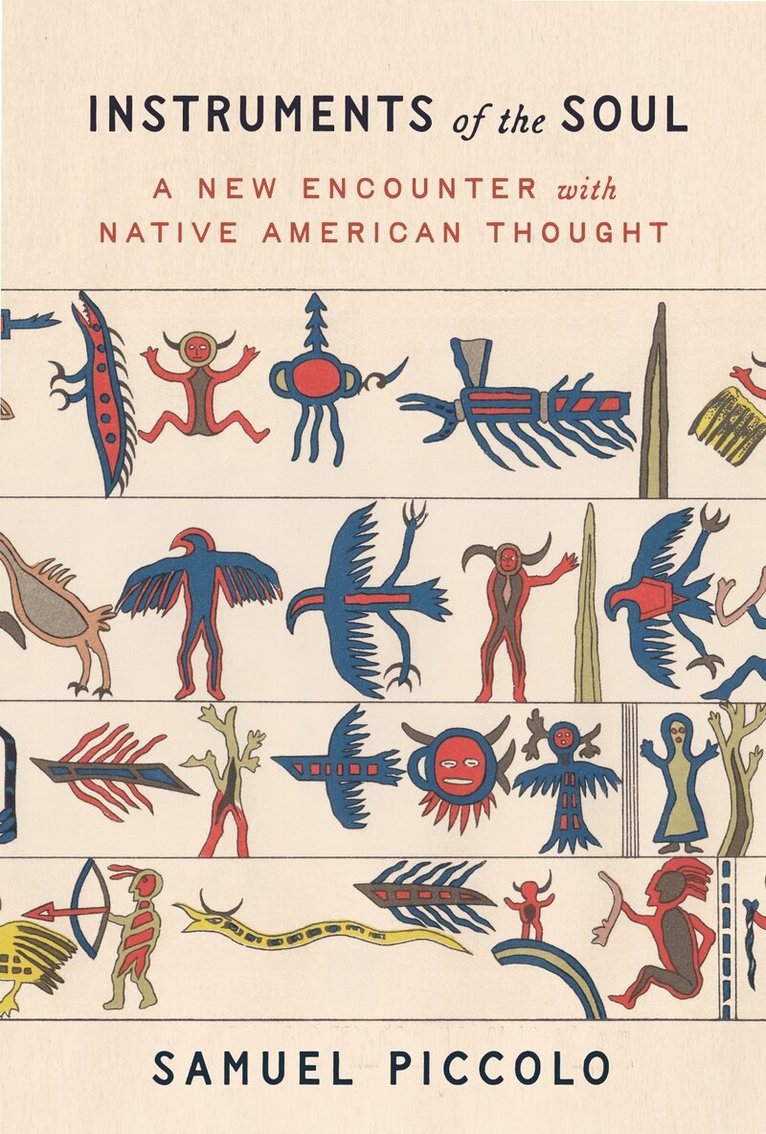
Indigenous peoples in the United States are perhaps more legally, politically, and culturally visible in the mainstream today than at any point since 1870. This shift breathes new life into old questions about Native sovereignty, philosophy, and ethics. In this book, Samuel Piccolo takes up this prompt and asks what we can learn about these as uniquely indigenous concepts, as well as sites of underappreciated overlap with North American political, legal, and philosophical traditions.Piccolo takes seriously the intellectual traditions and perspectives of Native American peoples, arguing that their accounts of sovereignty and political legitimacy are fundamental claims about the world, and not simply reactions to colonial oppression. Presenting Indigenous political philosophy as a tradition that understands itself as a continuation of precolonial thought, rich with its own positive metaphysical, ethical, and political perspectives, Piccolo establishes a dialogue between this tradition and one important pillar in Western philosophy, neo-Aristotelianism.Exploring the implications of this link allows Piccolo to make critical interventions across several scholarly fields, in particular by locating a common understanding of morality as embedded in nature. This corrective lens rewrites contemporary defenses of Indigenous sovereignty, making the case that it must be understood in relation to the substantive philosophy that undergirds it. Moreover, Instruments of the Soul finds in Native and Aristotelian perspectives some relief from the imbricated ills by which we are afflicted—novel understandings of our relationship with the nonhuman world, universal virtues, and alternative approaches to politics rooted in community.The thinkers in this book urge us to be motivated, not by anxiety about power, but wonder at the potential for meaning, beauty, and goodness around us amidst the tumult of contemporary life.