Sana Haroon - Böcker
Visar alla böcker från författaren Sana Haroon. Handla med fri frakt och snabb leverans.
4 produkter
4 produkter
601 kr
Kommande
1 383 kr
Skickas inom 10-15 vardagar
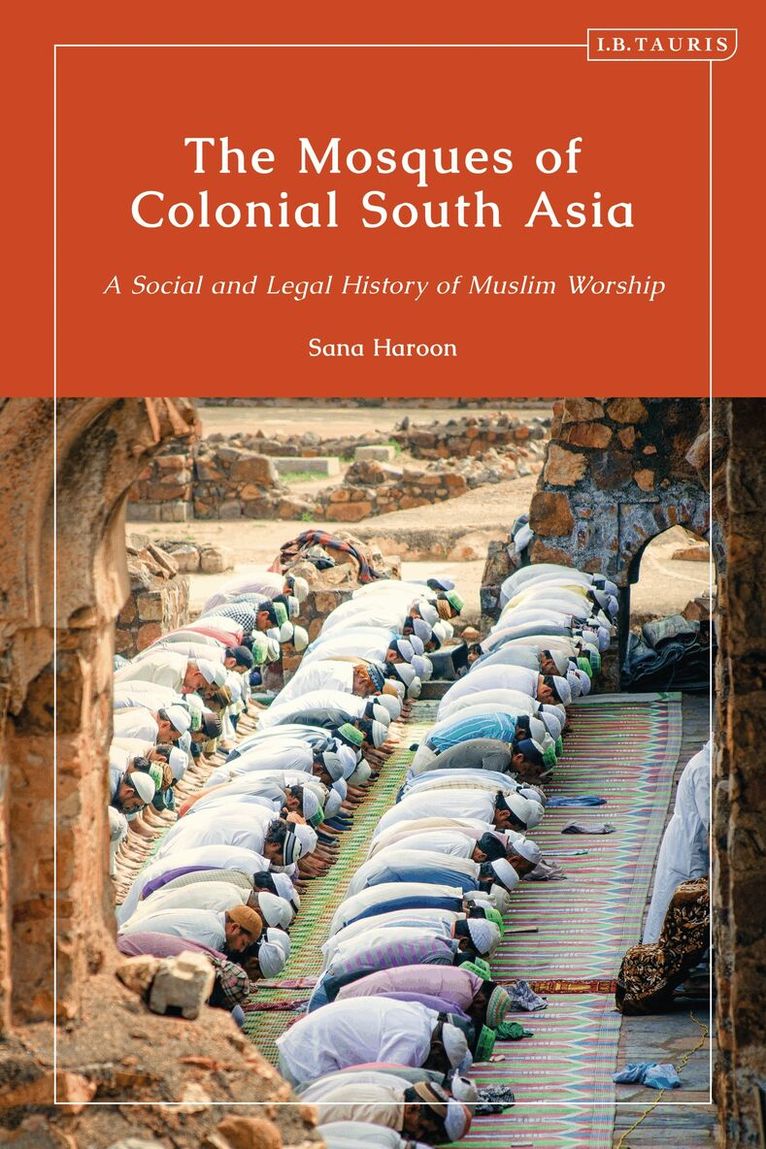
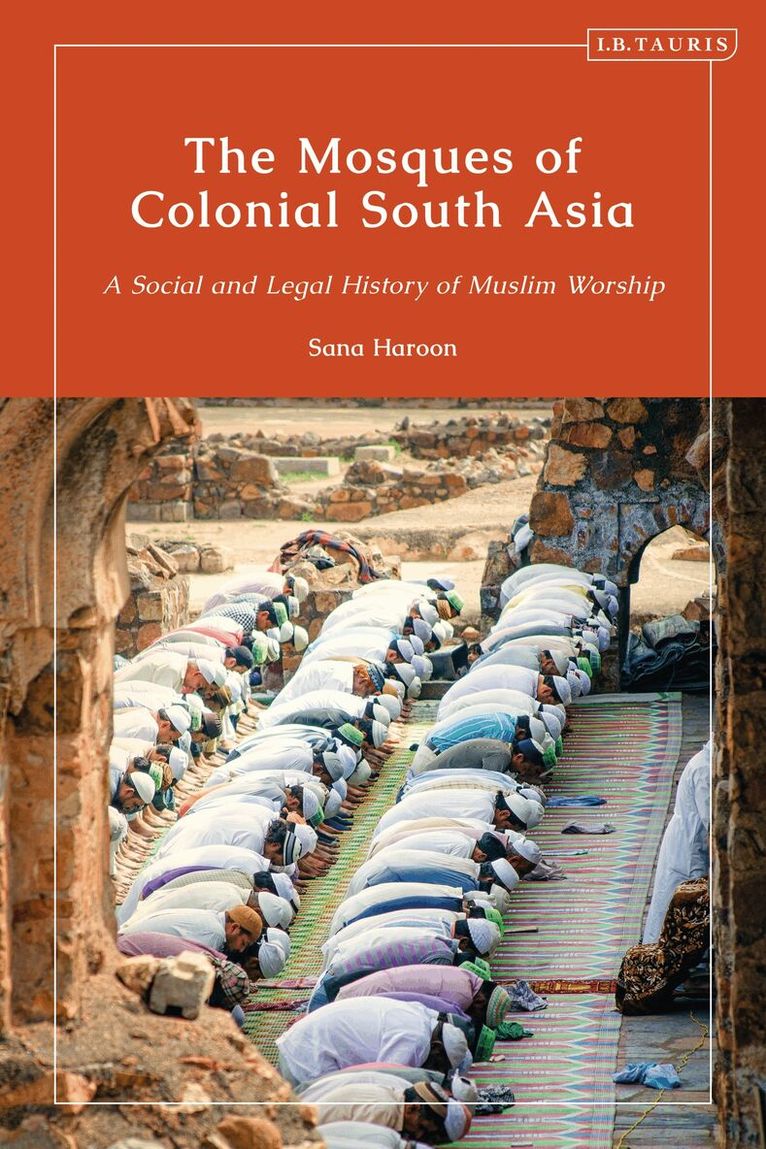
In a series of legal battles starting in 1882, South Asian Muslims made up of modernists, traditionalists, reformists, Shias and Sunnis attempted to modify the laws relating to their places of worship. Their efforts failed as the ideals they presented flew in the face of colonial secularism. This book looks at the legal history of Muslim endowments and the intellectual and social history of sectarian identities, demonstrating how these topics are interconnected in ways that affected the everyday lives of mosque congregants across North India. Through the use of legal records, archives and multiple case studies Sana Haroon ties a series of narrative threads stretching across multiple regions in Colonial South Asia.
420 kr
Skickas inom 10-15 vardagar
In a series of legal battles starting in 1882, South Asian Muslims made up of modernists, traditionalists, reformists, Shias and Sunnis attempted to modify the laws relating to their places of worship. Their efforts failed as the ideals they presented flew in the face of colonial secularism. This book looks at the legal history of Muslim endowments and the intellectual and social history of sectarian identities, demonstrating how these topics are interconnected in ways that affected the everyday lives of mosque congregants across North India. Through the use of legal records, archives and multiple case studies Sana Haroon ties a series of narrative threads stretching across multiple regions in Colonial South Asia.
385 kr
Skickas inom 7-10 vardagar
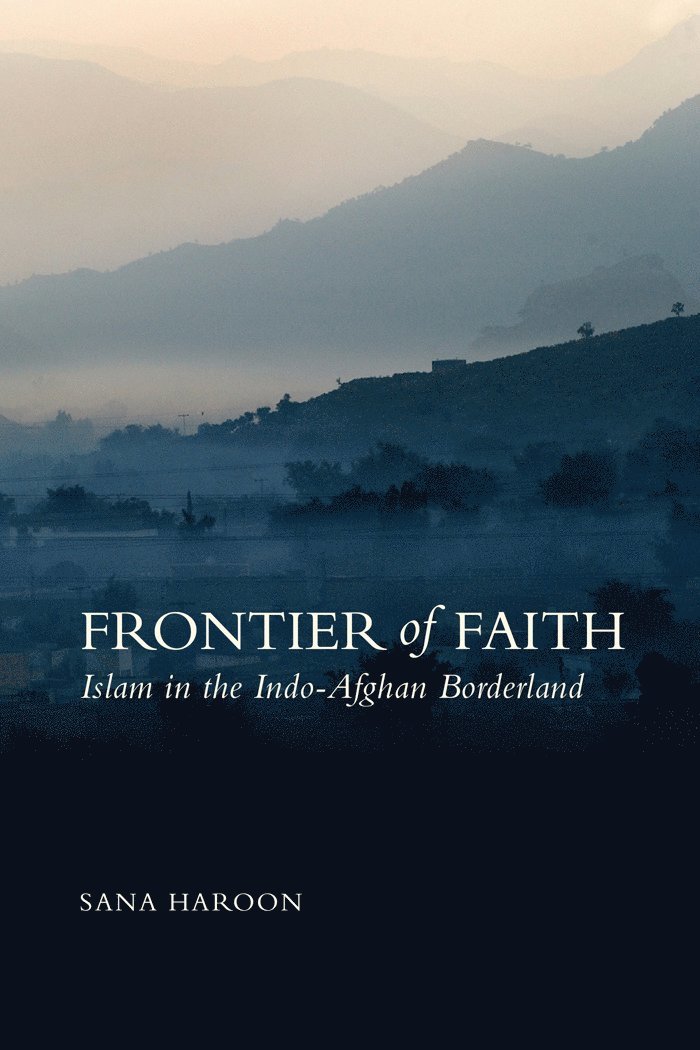
Frontier of Faith examines the history of Islam, especially that of local mullahs, or Muslim clerics, in the North-West Frontier, a largely autonomous zone straddling the boundary of Pakistan and Afghanistan. Haroon's book is also highly relevant to the present, given that it deals with the area said to be the hiding place of Al Qaeda and its local allies. The Tribal Areas was established as a strategic buffer zone for British India, but the impact of colonial rule was minimal. The autonomy that resulted emphasized the role and importance of the local mullahs, who jealously protected the powers they accrued to themselves. After Partition in 1947 the Tribal Areas maintained its status as an autonomous region, and for the next fifty years the mullahs contributed to armed mobilizations, in return for which nationalist actors protected their vested interest in regional freedom of manoeuvre. Thus the Frontier became the hinterland of successive, contradictory jihads in support of Pashtun ethnicism, anti-colonial nationalism, Pakistani territorialism, religious revivalism, Afghan anti-Soviet resistance, and latterly anti-Americanism. Frontier of Faith is thus essential reading for all those wishing to understand the Pakistan-Afghanistan borderlands today and the role played there by the mullahs and their allies.