Sanders Marble - Böcker
Visar alla böcker från författaren Sanders Marble. Handla med fri frakt och snabb leverans.
6 produkter
6 produkter
1 109 kr
Skickas inom 10-15 vardagar
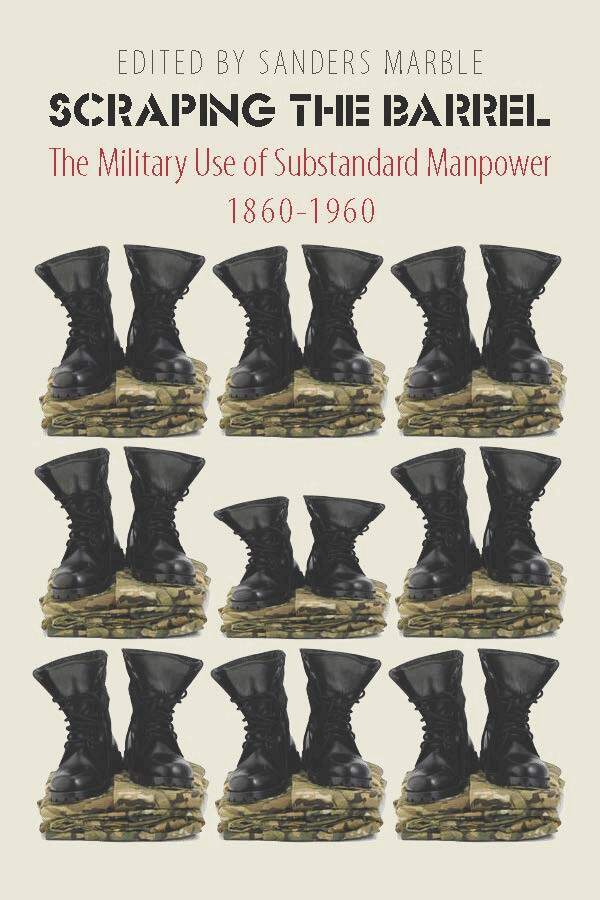
It is a truism that history is written by the victors, and perhaps this is doubly so of military history, where the tendency is to relate the biggest battles, the most victorious and heroic deeds, the very best (or worst) of men. This book stands as a corrective to this belief.Scraping the Barrel covers ten cases of armies' using substandard manpower in wars from 1860 to the 1960s. Dennis Showalter and André Lambelet look at the changing standards in Germany and France leading up to World War I, while Peter Simkins chronicles what happened with the "Bantams," special units of short menused by Britain in the Great War.Often the use of substandard men was to answer the sheer need for manpower in brutal, lasting conflicts, as Paul A. Cimbala writes of the U.S. Veteran Reserve Corps in the Civil War, or to keep war-damaged men active; sometimes this ethos was used to include men who wanted to fight but who otherwise would have been excluded, as Steven W. Short writes of the U.S. "colored troops" in World War I.In the second World War it was to answer more dire exigencies, as David Glantz relates how the USSR, having suffered enormous losses, threw away many pre-war standards, reaching for women, ethnic/national minorities, and political prisoners alike to fill units. Likewise, Nazi Germany, facing many fronts and a finite manpower pool, was compelled to relax both physical and racial standards, and Walter Dunn andValdis Lumans look at these changing policies as well as the battlefield performance of these men.In relating the stories of the substandard (for the military), Scraping the Barrel is also a humanist history of the military, of the more average men who have served their countries and how they were put to use. It throws light on how militaries' ideas of fitness reflect the underlying views of their societies. The idea of "disability" has been constructed based on a variety of physical, yes, but also social standards: as a value judgment on groups viewed as lesser—the aged, the lower classes, and those of different races and ethnic identities.From the American Civil War, through World Wars I and II, through the U.S. Project 100,000 in the Cold War, substandard men have been mobilized, have served, and have fought for their countries. These men are the inverse of the elites who get the lion's share of our attention. This is their untold history.
434 kr
Skickas inom 10-15 vardagar
It is a truism that history is written by the victors, and perhaps this is doubly so of military history, where the tendency is to relate the biggest battles, the most victorious and heroic deeds, the very best (or worst) of men. This book stands as a corrective to this belief.Scraping the Barrel covers ten cases of armies' using substandard manpower in wars from 1860 to the 1960s. Dennis Showalter and André Lambelet look at the changing standards in Germany and France leading up to World War I, while Peter Simkins chronicles what happened with the "Bantams," special units of short menused by Britain in the Great War.Often the use of substandard men was to answer the sheer need for manpower in brutal, lasting conflicts, as Paul A. Cimbala writes of the U.S. Veteran Reserve Corps in the Civil War, or to keep war-damaged men active; sometimes this ethos was used to include men who wanted to fight but who otherwise would have been excluded, as Steven W. Short writes of the U.S. "colored troops" in World War I.In the second World War it was to answer more dire exigencies, as David Glantz relates how the USSR, having suffered enormous losses, threw away many pre-war standards, reaching for women, ethnic/national minorities, and political prisoners alike to fill units. Likewise, Nazi Germany, facing many fronts and a finite manpower pool, was compelled to relax both physical and racial standards, and Walter Dunn andValdis Lumans look at these changing policies as well as the battlefield performance of these men.In relating the stories of the substandard (for the military), Scraping the Barrel is also a humanist history of the military, of the more average men who have served their countries and how they were put to use. It throws light on how militaries' ideas of fitness reflect the underlying views of their societies. The idea of "disability" has been constructed based on a variety of physical, yes, but also social standards: as a value judgment on groups viewed as lesser—the aged, the lower classes, and those of different races and ethnic identities.From the American Civil War, through World Wars I and II, through the U.S. Project 100,000 in the Cold War, substandard men have been mobilized, have served, and have fought for their countries. These men are the inverse of the elites who get the lion's share of our attention. This is their untold history.
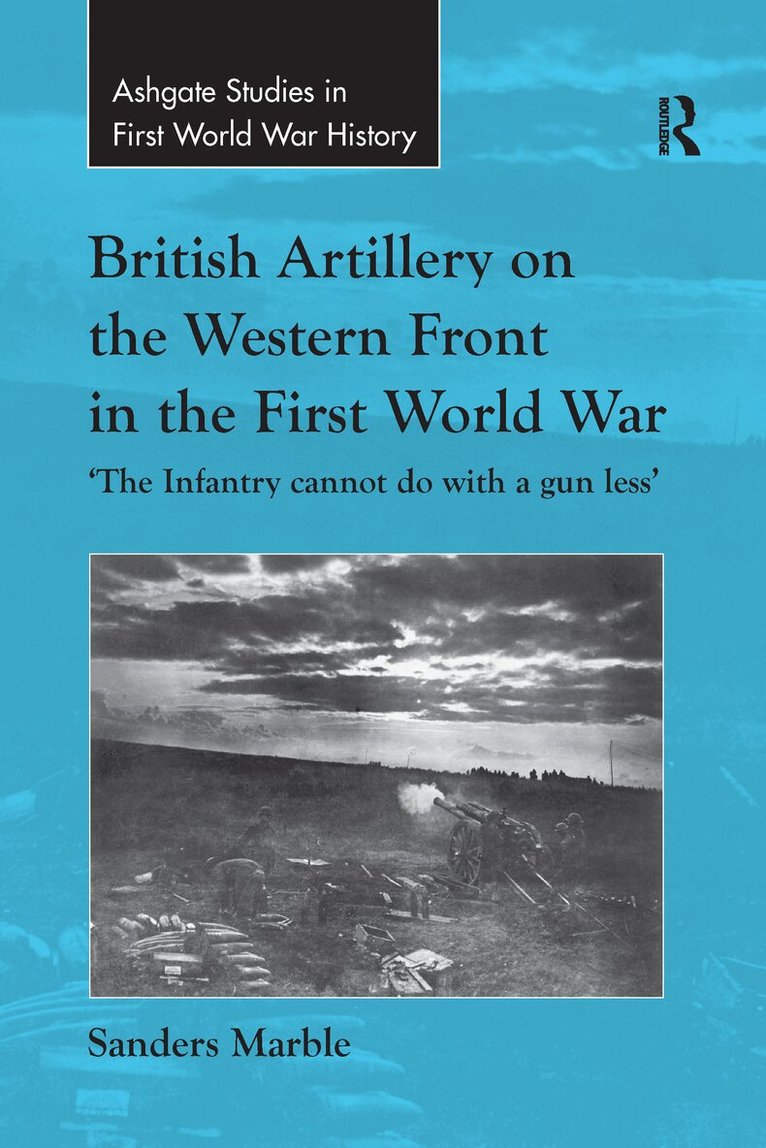
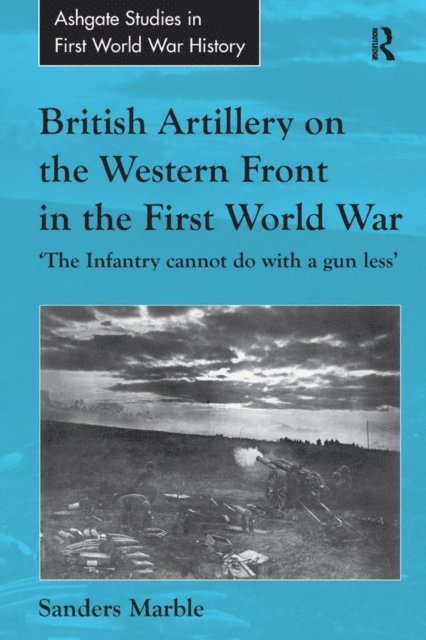
British Artillery on the Western Front in the First World War
'The Infantry cannot do with a gun less'
Häftad, Engelska, 2016
791 kr
Skickas inom 10-15 vardagar
In the popular imagination, the battle fields of the Western Front were dominated by the machine gun. Yet soldiers at the time were clear that artillery - not machine guns - dictated the nature, tactics and strategy of the conflict. Only in the last months of the war when the Allies had amassed sufficient numbers of artillery and learned how to use it in an integrated and coherent manner was the stalemate broken and war ended. In this lucid and prize-winning study, the steady development of artillery, and the growing realisation of its primacy within the British Expeditionary Force is charted and analysed. Through an examination of British and Dominion forces operating on the Western Front, the book looks at how tactical and operational changes affected the overall strategy. Chapters cover the role of artillery in supporting infantry attacks, counter-battery work, artillery in defence, training and command and staff arrangements. In line with the 'learning curve' thesis, the work concludes that despite many setbacks and missed opportunities, by 1918 the Royal Artillery had developed effective and coordinated tactics to overcome the defensive advantages of trench warfare that had mired the Western Front in bloody stalemate for the previous three years.
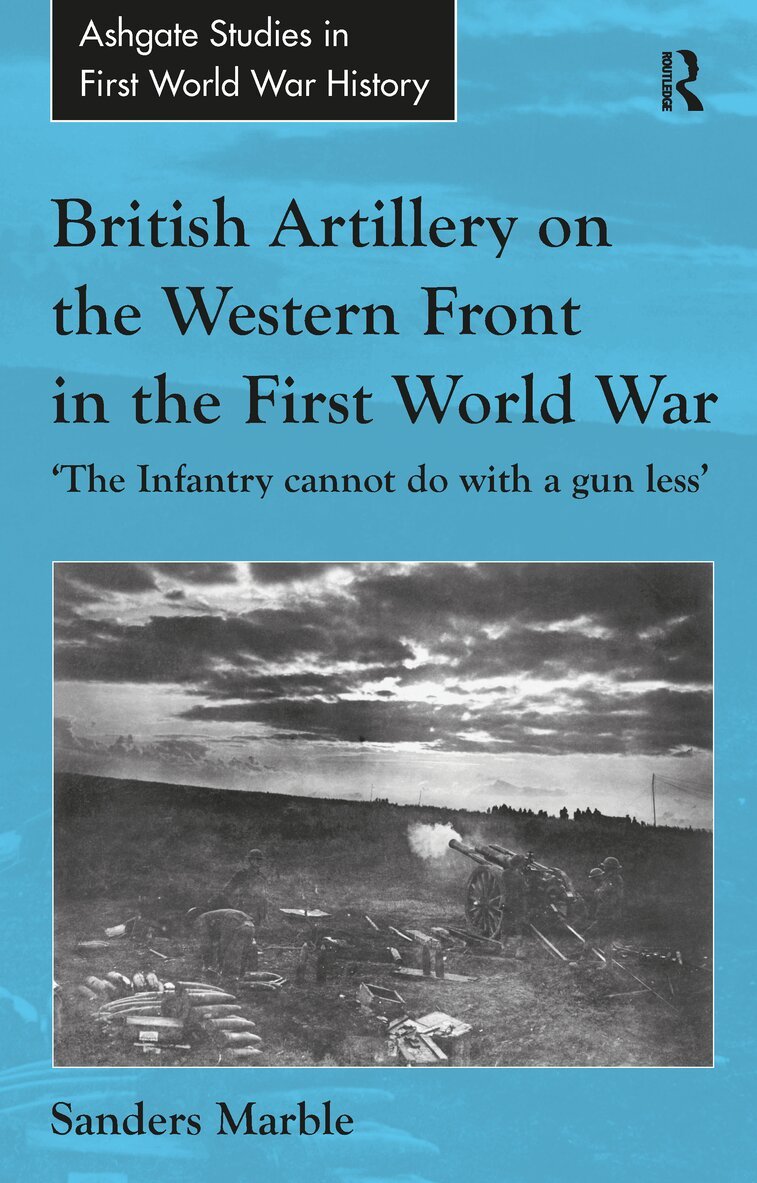
British Artillery on the Western Front in the First World War
'The Infantry cannot do with a gun less'
Inbunden, Engelska, 2013
2 246 kr
Skickas inom 10-15 vardagar
In the popular imagination, the battle fields of the Western Front were dominated by the machine gun. Yet soldiers at the time were clear that artillery - not machine guns - dictated the nature, tactics and strategy of the conflict. Only in the last months of the war when the Allies had amassed sufficient numbers of artillery and learned how to use it in an integrated and coherent manner was the stalemate broken and war ended. In this lucid and prize-winning study, the steady development of artillery, and the growing realisation of its primacy within the British Expeditionary Force is charted and analysed. Through an examination of British and Dominion forces operating on the Western Front, the book looks at how tactical and operational changes affected the overall strategy. Chapters cover the role of artillery in supporting infantry attacks, counter-battery work, artillery in defence, training and command and staff arrangements. In line with the 'learning curve' thesis, the work concludes that despite many setbacks and missed opportunities, by 1918 the Royal Artillery had developed effective and coordinated tactics to overcome the defensive advantages of trench warfare that had mired the Western Front in bloody stalemate for the previous three years.
3 218 kr
Skickas inom 5-8 vardagar
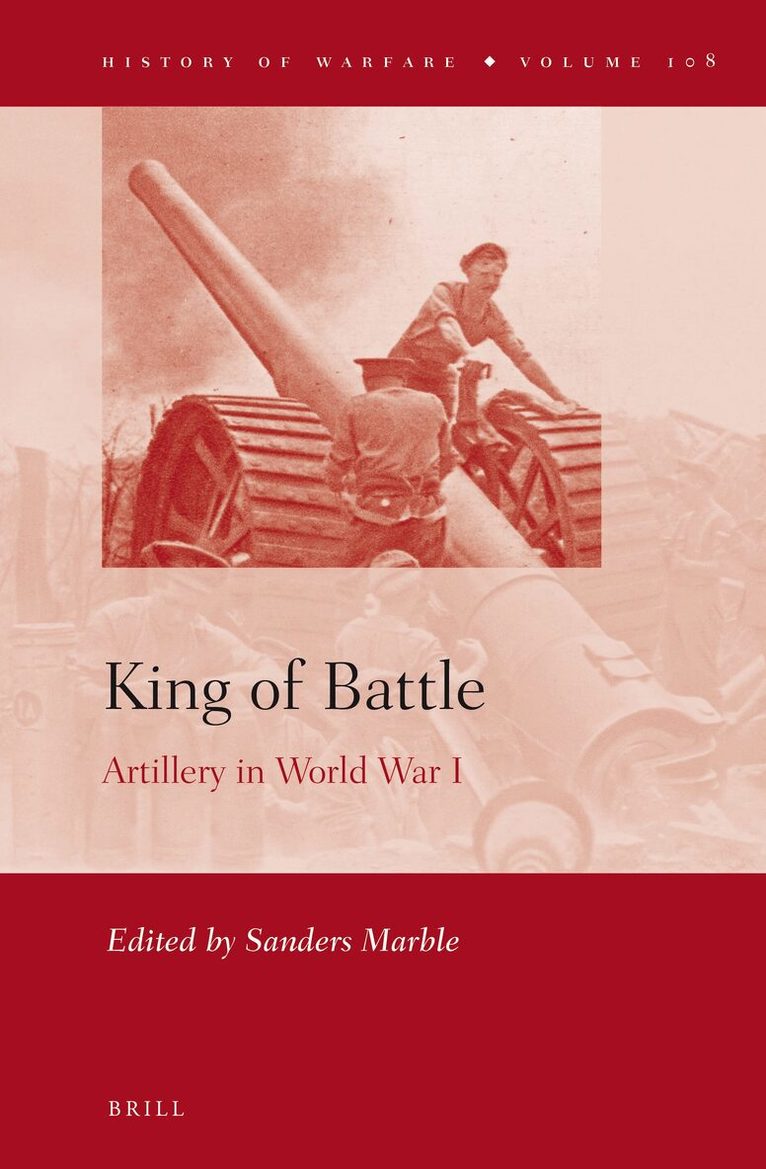
In King of Battle: Artillery in World War I, a distinguished array of authors examines the centrepiece of battle in the Great War: artillery. Going beyond the usual tables of calibres and ranges, the contributors consider the organization and technology of artillery, as well as present aspects of training, doctrine, and other national idiosyncrasies. Artillery dominated the battlefields of World War I, and forever changed the military doctrine of war. No nation that had participated in significant ground combat would blithely assume that morale could ever replace firepower. The essays included in this volume explain how twelve countries, including all the major combatants, handled artillery and how it affected the Great War.Contributors include Filippo Cappellano, Boyd Dastrup, Edward J. Erickson, Bruce Gudmundsson, James Lyon, Sanders Marble, Janice E. McKenney, Dmitre Minchev, Andrey Pavlov, Kaushik Roy, Cornel and Ioan Scafes, John Schindler, and David Zabecki.
1 156 kr
Kommande
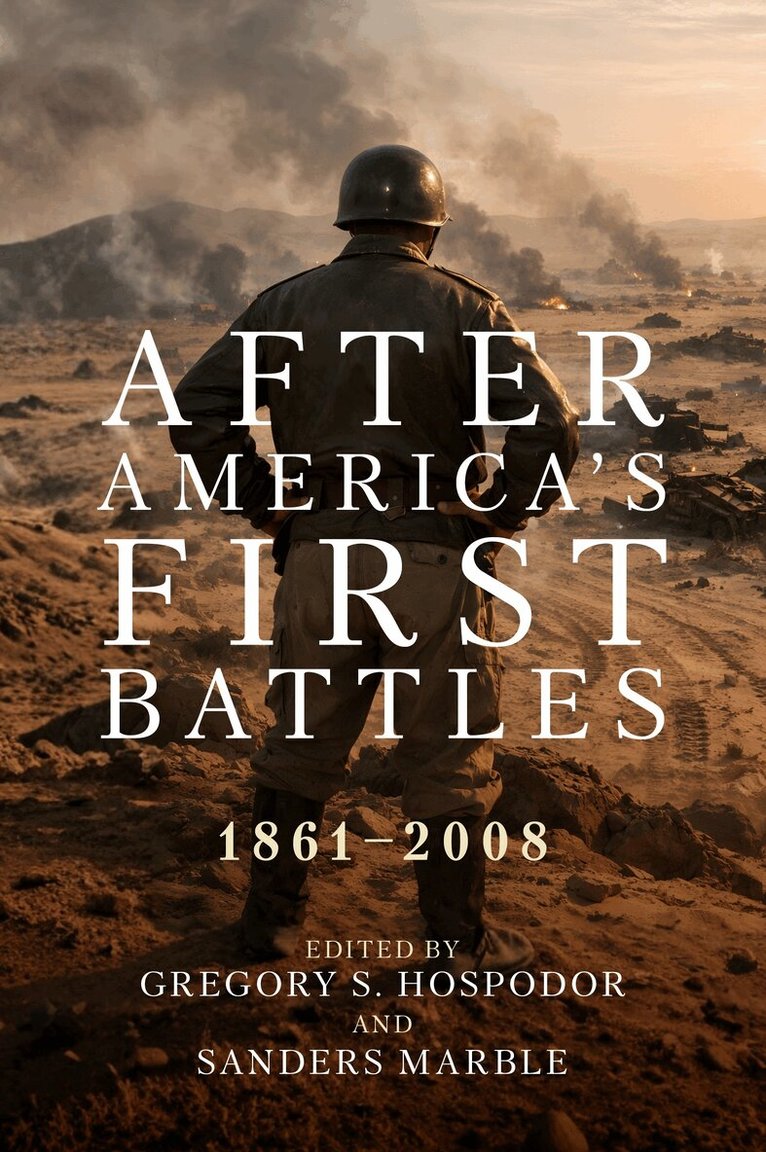
After America’s First Battles analyzes how the U.S. military adapts after first contact—on the battlefield and across the force—and why those adjustments determine who wins, who survives, and who doesn’t.America’s first battles and their outcomes—win or lose—are well known. And all of the nation’s military institutions have historically responded to the challenges wrought by the wars that followed. From tactical adjustments on the battlefield to sweeping institutional changes, Hospodor and Marble offer a comprehensive look at the dynamics of military adaptation and innovation that occurred after opening those first engagements. Through curated case studies, the book explores conflicts spanning the American Civil War to the Global War on Terror, examining how the U.S. armed forces performed in these critical engagements. Breaking away from traditional chronological narratives, After America’s First Battles provides a fresh perspective on how different branches of the military changed in response to a war’s initial battle. Whether it’s rapid tactical shifts or the slower, more complex evolution of higher-level strategies, the book reveals the interplay of leadership, service culture, and societal influences in shaping military success—or failure. Drawing on the expertise of an accomplished group of scholars, After America’s First Battles combines professional history with practical analysis, making it an essential resource for military professionals, historians, and anyone interested in the art and science of warfare. It aligns with the historical approach of important works like Williamson Murray’s Military Adaptation in War while offering a uniquely American focus. This book is more than a study of military change—it’s a testament to the ingenuity, resilience, and adaptability of the American armed forces.