Sandra R. Levitsky – författare
Visar alla böcker från författaren Sandra R. Levitsky. Handla med fri frakt och snabb leverans.
4 produkter
4 produkter
1 427 kr
Skickas inom 3-6 vardagar
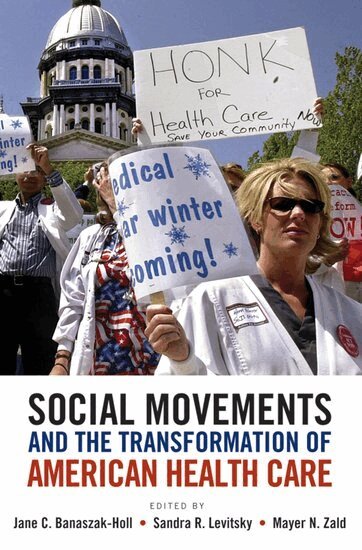
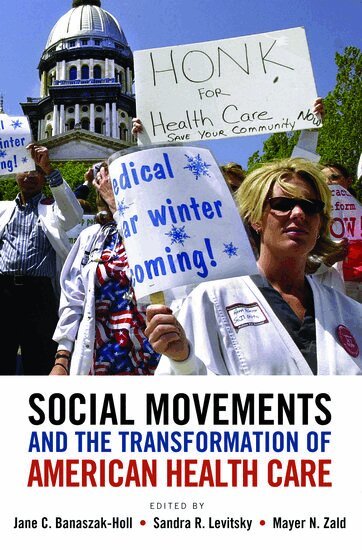
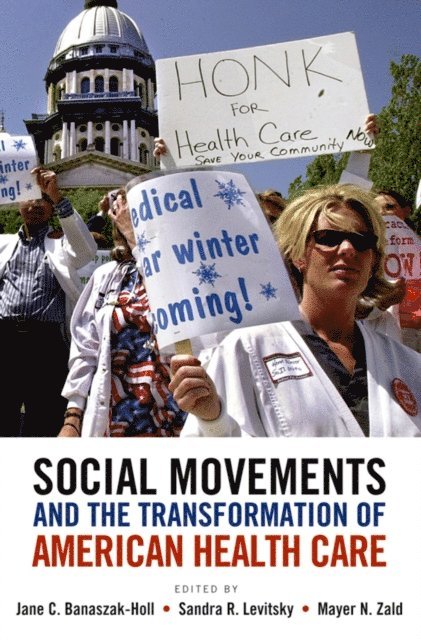
Social Movements and the Transformation of American Health Care is the first collection of essays to examine dynamics of change in health care institutions through the lens of contemporary theory and research on collective action. Bringing together scholars from medicine, health management and policy, history, sociology, and political science, the book conceptualizes the American health care system as being organized around multiple institutions-including the state, biomedical fields, professions, and health delivery organizations. By shifting attention toward the organizing structures and political logics of these institutions, the essays in this book illuminate the diversity in both sites of health-related collective action and the actors seeking transformations in health institutions.The book considers health-related social movements at four distinct levels of analysis. At the most macro level, essays analyze social movements that seek changes from the state in the regulation, financing, and distribution of health resources, including private and public insurance coverage, service delivery, and clinical research. A second set of essays considers field-level analyses of institutional changes in such wide-ranging areas as public health, bio-ethics, long-term care, abortion, and AIDS services. A third set of essays examines the relationship between social movements and professions, examining the ¨boundary crossing¨ that occurs when professionals participate in social movements or seek changes in existing professions and the health practices they endorse. A final set of essays analyzes the cultural dominance of the medical model for addressing health problems in the United States and its implications for collective attempts to establish the legitimacy of particular issues, framings, and political actors in health care reform.
494 kr
Skickas inom 5-8 vardagar
Social Movements and the Transformation of American Health Care is the first collection of essays to examine dynamics of change in health care institutions through the lens of contemporary theory and research on collective action. Bringing together scholars from medicine, health management and policy, history, sociology, and political science, the book conceptualizes the American health care system as being organized around multiple institutions-including the state, biomedical fields, professions, and health delivery organizations. By shifting attention toward the organizing structures and political logics of these institutions, the essays in this book illuminate the diversity in both sites of health-related collective action and the actors seeking transformations in health institutions.The book considers health-related social movements at four distinct levels of analysis. At the most macro level, essays analyze social movements that seek changes from the state in the regulation, financing, and distribution of health resources, including private and public insurance coverage, service delivery, and clinical research. A second set of essays considers field-level analyses of institutional changes in such wide-ranging areas as public health, bio-ethics, long-term care, abortion, and AIDS services. A third set of essays examines the relationship between social movements and professions, examining the ¨boundary crossing¨ that occurs when professionals participate in social movements or seek changes in existing professions and the health practices they endorse. A final set of essays analyzes the cultural dominance of the medical model for addressing health problems in the United States and its implications for collective attempts to establish the legitimacy of particular issues, framings, and political actors in health care reform.
Caring for Our Own
Why There is No Political Demand for New American Social Welfare Rights
Inbunden, Engelska, 2014
1 855 kr
Skickas inom 5-8 vardagar
"In Caring for Our Own, Sandra Levitsky has written a moving and perceptive account of the dilemma facing those who provide care for frail family members. Based on in-depth interviews and participant observation with family caregivers and the social workers that attempt to ameliorate their burden, this book uncovers the complex ideological and political factors that have made long term care the neglected stepchild of the welfare state in the United States."-Jill Quadagno, Mildred and Claude Pepper Eminent Scholar in Social Gerontology, Florida State UniversityAging populations and dramatic changes in health care provision, household structure, and women's labor force participation over the last half century have created what many observers have dubbed a "crisis in care": demand for care of the old and infirm is rapidly growing, while the supply of private care within the family is substantially contracting. And yet, despite the well-documented adverse effects of contemporary care dilemmas on the economic security of families, the physical and mental health of family care providers, the bottom line of businesses, and the financial health of existing social welfare programs, American families have demonstrated little inclination for translating their private care problems into political demands for social policy reform.Caring for Our Own inverts an enduring question of social welfare politics. Rather than asking why the American state hasn't responded to unmet social welfare needs by expanding social entitlements, this book asks: Why don't American families view unmet social welfare needs as the basis for demands for new state entitlements? How do traditional beliefs in family responsibility for social welfare persist even in the face of well-documented unmet need? The answer, this book argues, lies in a better understanding of how individuals imagine solutions to the social welfare problems they confront and what prevents new understandings of social welfare provision from developing into political demand for alternative social arrangements. Caring for Our Own considers the powerful ways in which existing social policies shape the political imagination, reinforcing longstanding values about family responsibility, subverting grievances grounded in notions of social responsibility, and in some rare cases, constructing new models of social provision that would transcend existing ideological divisions in American social politics.
Caring for Our Own
Why There is No Political Demand for New American Social Welfare Rights
Häftad, Engelska, 2014
366 kr
Skickas inom 5-8 vardagar
"In Caring for Our Own, Sandra Levitsky has written a moving and perceptive account of the dilemma facing those who provide care for frail family members. Based on in-depth interviews and participant observation with family caregivers and the social workers that attempt to ameliorate their burden, this book uncovers the complex ideological and political factors that have made long term care the neglected stepchild of the welfare state in the United States."-Jill Quadagno, Mildred and Claude Pepper Eminent Scholar in Social Gerontology, Florida State UniversityAging populations and dramatic changes in health care provision, household structure, and women's labor force participation over the last half century have created what many observers have dubbed a "crisis in care": demand for care of the old and infirm is rapidly growing, while the supply of private care within the family is substantially contracting. And yet, despite the well-documented adverse effects of contemporary care dilemmas on the economic security of families, the physical and mental health of family care providers, the bottom line of businesses, and the financial health of existing social welfare programs, American families have demonstrated little inclination for translating their private care problems into political demands for social policy reform.Caring for Our Own inverts an enduring question of social welfare politics. Rather than asking why the American state hasn't responded to unmet social welfare needs by expanding social entitlements, this book asks: Why don't American families view unmet social welfare needs as the basis for demands for new state entitlements? How do traditional beliefs in family responsibility for social welfare persist even in the face of well-documented unmet need? The answer, this book argues, lies in a better understanding of how individuals imagine solutions to the social welfare problems they confront and what prevents new understandings of social welfare provision from developing into political demand for alternative social arrangements. Caring for Our Own considers the powerful ways in which existing social policies shape the political imagination, reinforcing longstanding values about family responsibility, subverting grievances grounded in notions of social responsibility, and in some rare cases, constructing new models of social provision that would transcend existing ideological divisions in American social politics.