Sanele Sibanda - Böcker
Visar alla böcker från författaren Sanele Sibanda. Handla med fri frakt och snabb leverans.
3 produkter
3 produkter
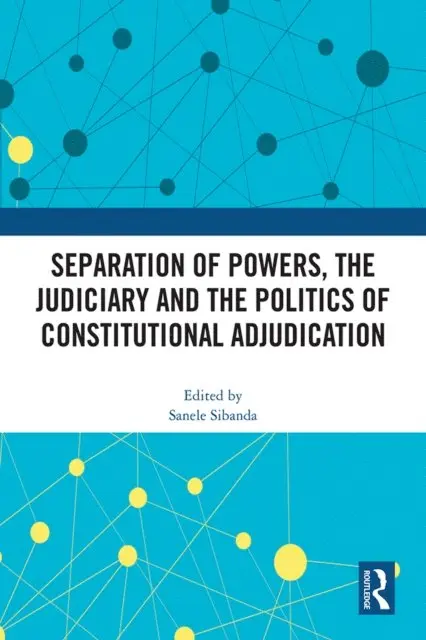
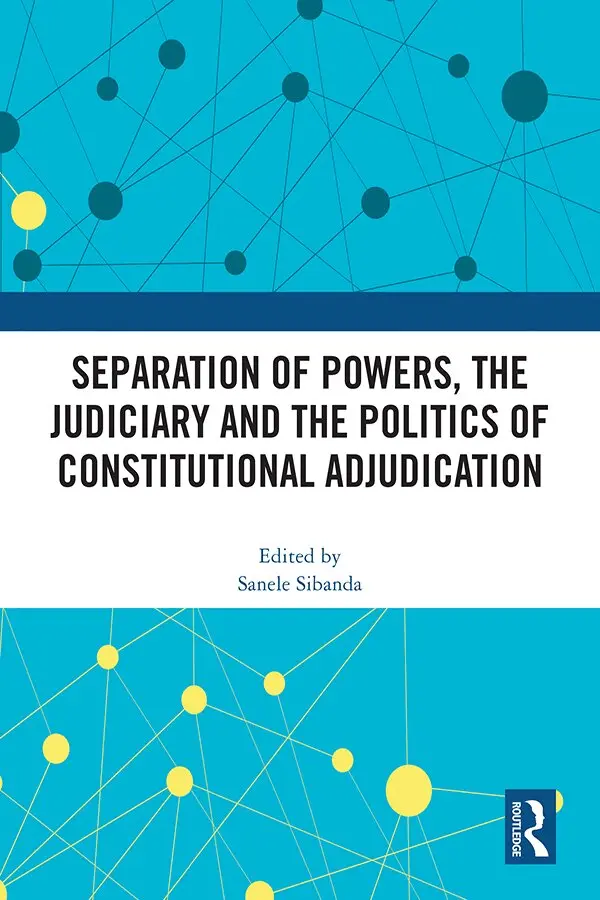
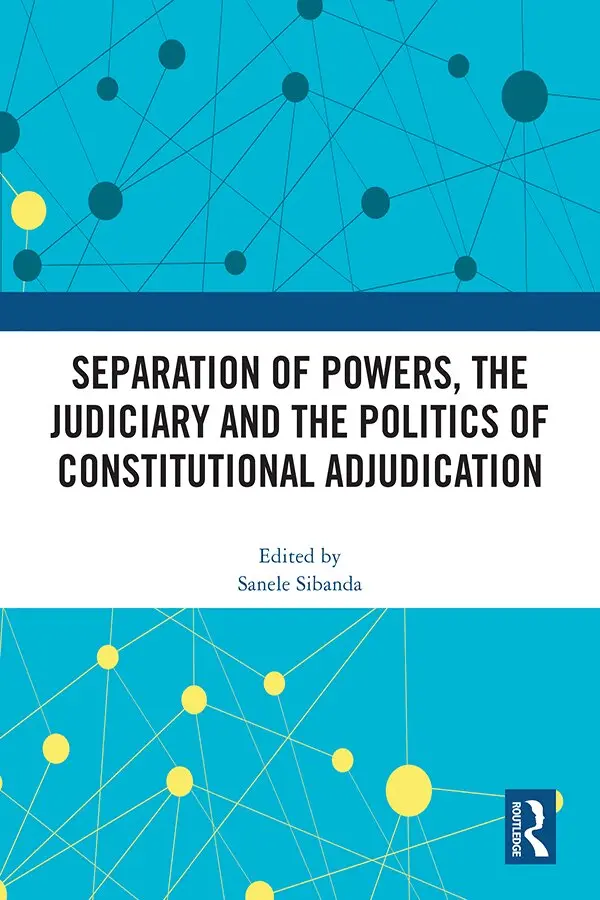
Separation of Powers, the Judiciary and the Politics of Constitutional Adjudication
Inbunden, Engelska, 2022
1 736 kr
Skickas inom 10-15 vardagar
Over the last 25 years, the doctrine of separation of powers has been established as both a foundational value and a structural principle applied by the courts in interpreting the relationship between South Africa’s constitutional structures. Jurisprudentially, the practicalities and contours of how, when and by whom the separation of powers should be determined has proven to be controversial. Therefore, the past decade has been characterised by heightened political contestation, often resulting in extensive litigation posing thorny political issues. This has had profound implications for the judiciary and raised difficult questions on the very nature of South African constitutionalism.These political contestations gathered even greater momentum and urgency during the early days of COVID-19 in 2020, when the first iteration of this book was produced as a special issue of the South African Journal on Human Rights. This timely volume brings together critical reflections on developments in South Africa’s separation of powers jurisprudence and theory, the role and function of the judiciary through its judgments in shaping the landscape of constitutional politics, as well the implications of this for the consolidation of South Africa’s democratic constitutional project. It makes an important contribution to the debate on the politics of constitutional adjudication in light of the doctrine of separation of powers. This book will be of interest to researchers and advanced students of politics, history, law and legal theory, human rights, and African studies.
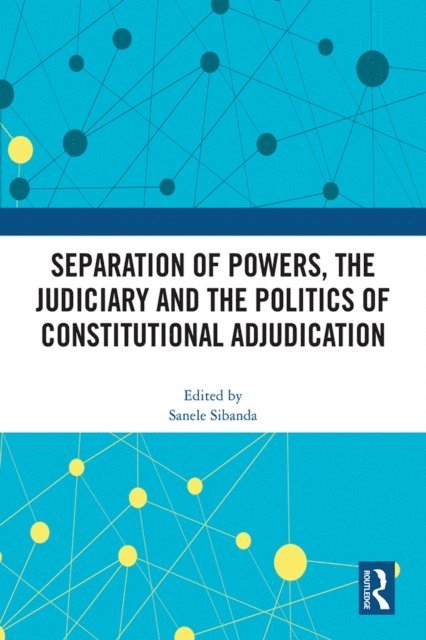
Separation of Powers, the Judiciary and the Politics of Constitutional Adjudication
Häftad, Engelska, 2024
530 kr
Skickas inom 10-15 vardagar
Over the last 25 years, the doctrine of separation of powers has been established as both a foundational value and a structural principle applied by the courts in interpreting the relationship between South Africa’s constitutional structures. Jurisprudentially, the practicalities and contours of how, when and by whom the separation of powers should be determined has proven to be controversial. Therefore, the past decade has been characterised by heightened political contestation, often resulting in extensive litigation posing thorny political issues. This has had profound implications for the judiciary and raised difficult questions on the very nature of South African constitutionalism.These political contestations gathered even greater momentum and urgency during the early days of COVID-19 in 2020, when the first iteration of this book was produced as a special issue of the South African Journal on Human Rights. This timely volume brings together critical reflections on developments in South Africa’s separation of powers jurisprudence and theory, the role and function of the judiciary through its judgments in shaping the landscape of constitutional politics, as well the implications of this for the consolidation of South Africa’s democratic constitutional project. It makes an important contribution to the debate on the politics of constitutional adjudication in light of the doctrine of separation of powers. This book will be of interest to researchers and advanced students of politics, history, law and legal theory, human rights, and African studies.
1 294 kr
Kommande
This book explores the contentious history of the rule of law in the geographic and socio-political space that becomes South Africa. This is a history of contestation over the idea and use of indigenous, colonial, and constitutional law by official institutions. It explores the multitude of social movements, political organisations, and communities that have turned to the law to defend against abuses of power or to challenge authority and assert claims. These claims have been based on both official and unofficial law and have been asserted in the name of tradition, common law, human rights, and/or international law.As reflected in the practice and academic analysis of law in South Africa in the past and present, the contested conceptions of the rule of law and its relationship to the legacies of colonial apartheid are central to the continuing political and social conflict in post-apartheid South Africa. The book addresses the rule of law under colonialism and apartheid during the democratic transition and under South Africa’s existing constitutional order. It also considers extra-legal influences on the rule of law, such as the political economy of the country, and delves into the lived experience of the rule of law in a society where legal pluralism shapes the lives of large portions of the population.