Sanja Nilsson - Böcker
Visar alla böcker från författaren Sanja Nilsson. Handla med fri frakt och snabb leverans.
6 produkter
6 produkter
229 kr
Skickas inom 5-8 vardagar
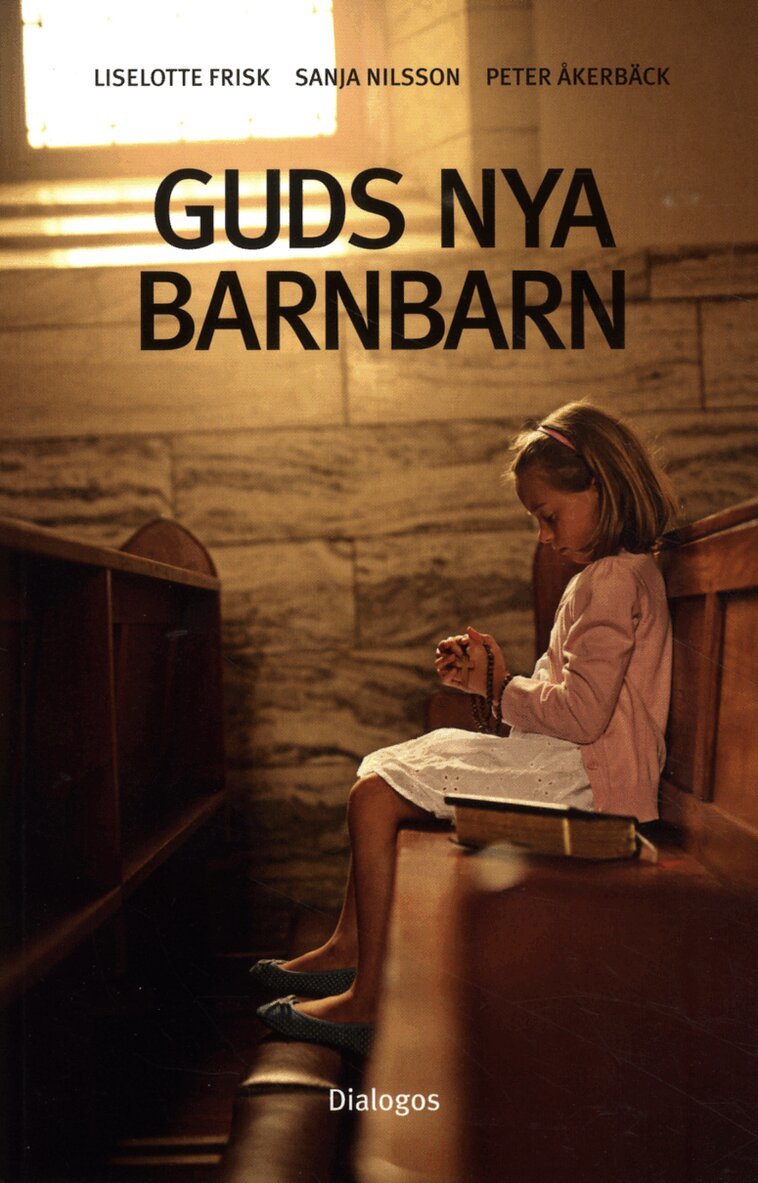
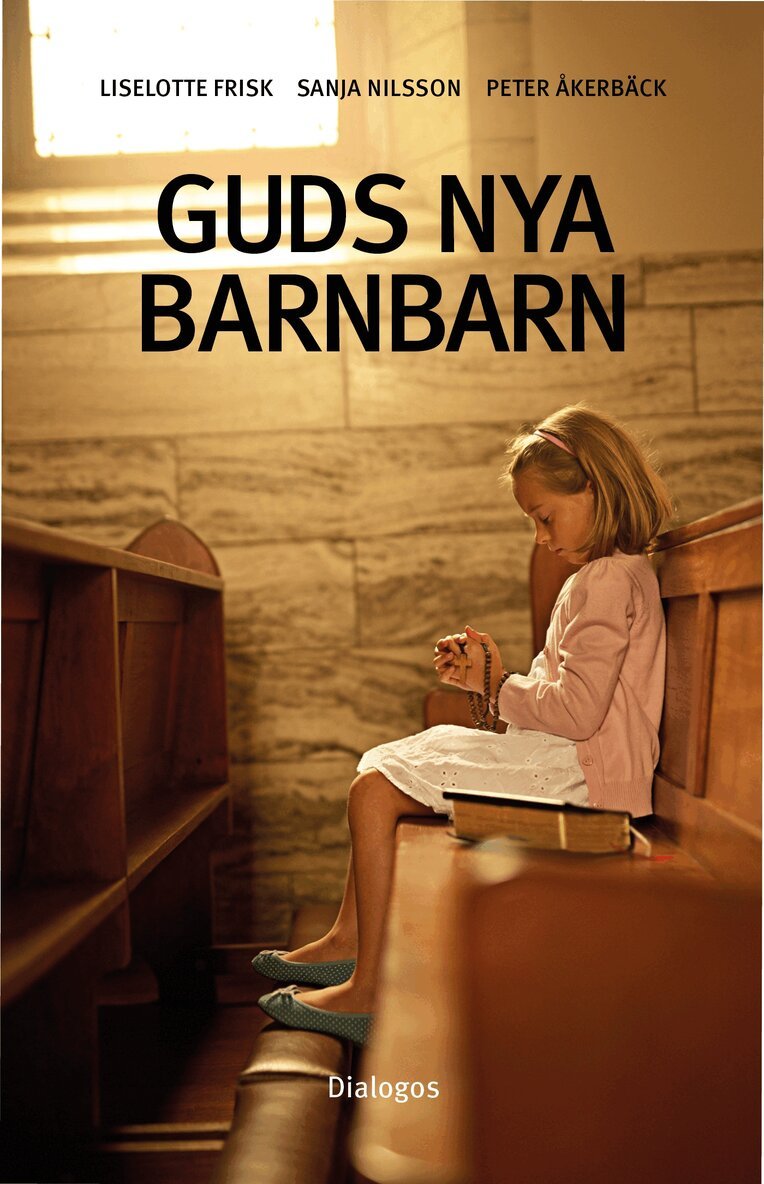
Hur är det att vara barn och växa upp i en religiös minoritetsgrupp som Hare Krishna, Scientologi-kyrkan, Jehovas Vittnen, Knutby Filadelfia, Plymouth-bröderna, Enighetskyrkan eller Guds Barn/Familjen? Boken bygger framför allt på ett 70-tal intervjuer med såväl vuxna som barn som vuxit upp i dessa grupper, samt på intervjuer med ett 20-tal föräldrar, men också på fältobservationer och textstudier av gruppernas material kring barn och barnuppfostran. Livsvillkoren för barnen kan vara mycket olika, bland annat för att de olika religiösa grupperna har olika ideologier och syn på barnuppfostran, men också på individuella omständigheter inom olika familjer, fas i gruppens utveckling samt samhällets gensvar och reaktioner på gruppen ifråga. Boken diskuterar teman som socialisation, identitet, avhopp och skolgång, men tar också upp farhågor kring dessa grupper som auktoritär uppfostran, aga, isolering från samhället, separationer mellan föräldrar och barn, och bristande omsorg vad gäller mat och hälsa. Författare är professor i religionsvetenskap Liselotte Frisk, Högskolan Dalarna, fil. dr Peter Åkerbäck, Stockholms Universitet, och doktorand Sanja Nilsson, Högskolan Dalarna och Göteborgs universitet.
234 kr
Skickas inom 7-10 vardagar
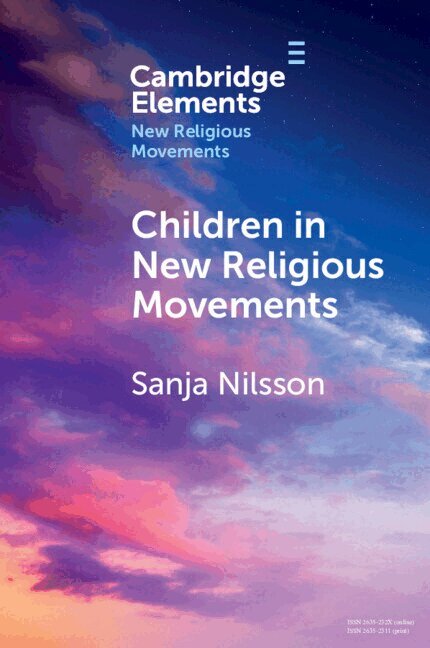
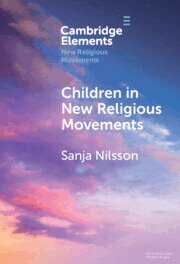
New Religious Movements have arisen not only in the present but have also developed in the past. While they differ in ideology and practice, they generally seem to live in high tension with mainstream society, especially when it comes to child-rearing. This Element examines several aspects of children growing up in new religions. It relies upon literature from different groups concerning child upbringing, the function of children in the groups considering the religious ideologies, and parental perspectives and parental styles. It also utilizes accounts from young adults growing up in these groups, both those who chose to stay and who chose to leave their groups as adults. A range of topics, such as socialization, education, health care, and relations to surrounding society are explored. In addition, this Element considers issues of physical and emotional abuse, state interventions, and the impact of second- and third generations of children in new religions.
753 kr
Skickas inom 7-10 vardagar
New Religious Movements have arisen not only in the present but have also developed in the past. While they differ in ideology and practice, they generally seem to live in high tension with mainstream society, especially when it comes to child-rearing. This Element examines several aspects of children growing up in new religions. It relies upon literature from different groups concerning child upbringing, the function of children in the groups considering the religious ideologies, and parental perspectives and parental styles. It also utilizes accounts from young adults growing up in these groups, both those who chose to stay and who chose to leave their groups as adults. A range of topics, such as socialization, education, health care, and relations to surrounding society are explored. In addition, this Element considers issues of physical and emotional abuse, state interventions, and the impact of second- and third generations of children in new religions.
1 177 kr
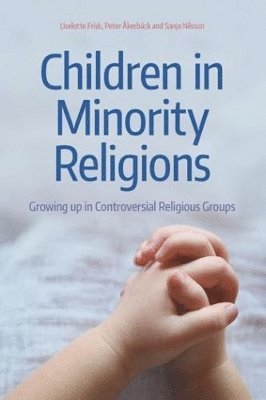
Minority religions that differ from the mainstream are often perceived as controversial and as a threat to the individual and to society. During the 1970s and 80s, there were intense discussions about whether conversion to these groups was voluntary or an effect of brainwashing or manipulation. In recent years, however, the situation of children in these groups has taken over the public debate regarding minority religions. Many believe that childhoods in cults involve physical and psychological abuse, and that severe punishment, starvation, sexual abuse, manipulation, forced obedience, lack of medical care and demonization of the outside world is part of everyday life.This book presents four years of research. Its purpose is to highlight children's upbringing in certain minority religions with a high degree of "sectarian" criteria in a sociological sense including high tension with society/world, unique legitimacy and high level of commitment. The study examines mainly, but not exclusively, seven minority religious communities: The Hare Krishna movement, The Family International (formerly Children of God), The Church of Scientology, The Family Federation (formerly The Unification Church), Knutby Filadelfia (a Pentecostal group), The Exclusive Brethren, and Jehovah's Witnesses. The fieldwork was conducted in Sweden, but the situation of the children and the findings are relevant to other countries. Most of the minority groups discussed have an international character with a presence in many countries, with only minor differences depending on local circumstances. The study is based on literature from the religions and observations of children and parents in religious rituals and daily life. However, the most important material for the book are eighteen in-depth interviews with children between the ages of 8 and 17 living in these groups and seventy-five in-depth interviews with adults who grew up in minority religions and who are still involved, who grew up in minority religions, but are not now engaged, and who raised children in the minority religions.
1 593 kr
Skickas inom 10-15 vardagar
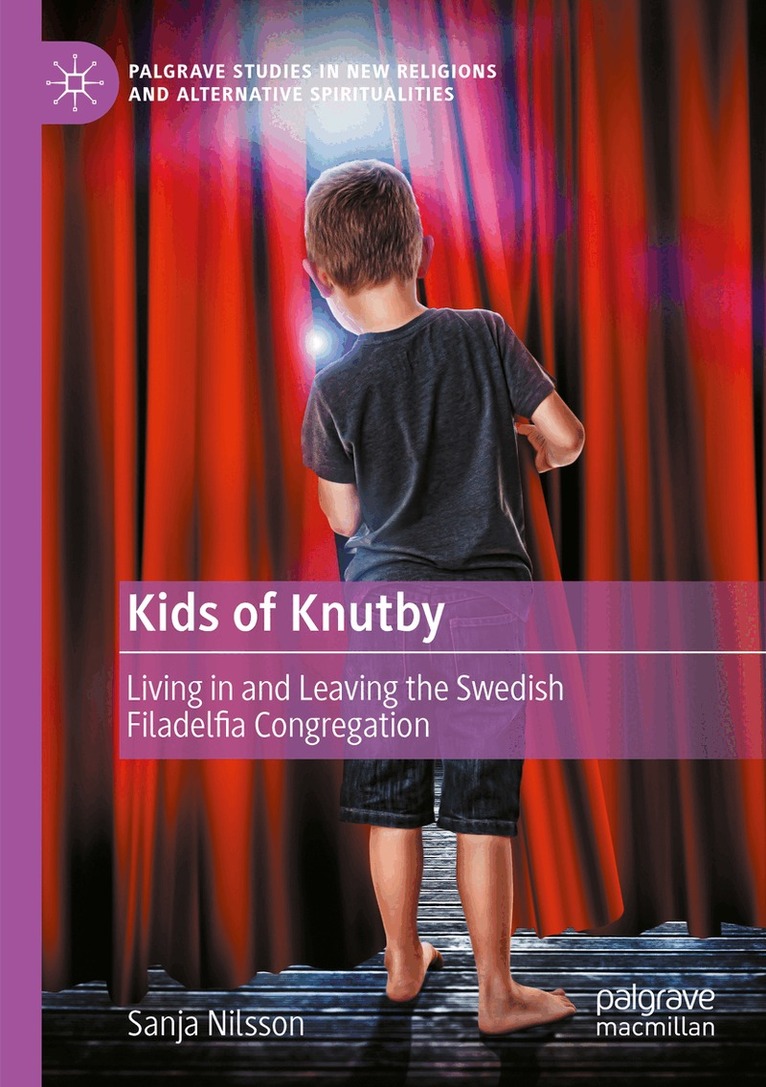
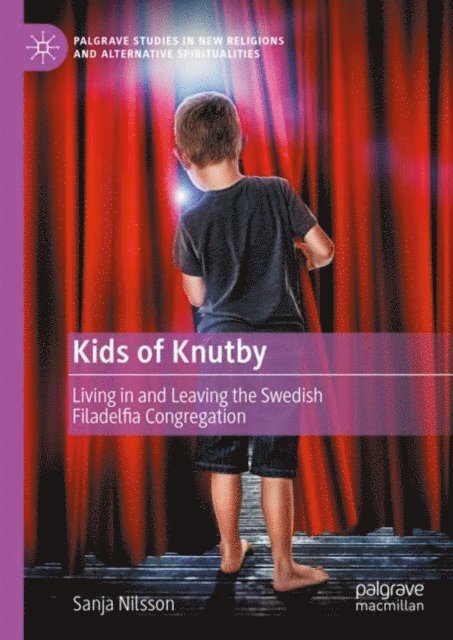
This book tells the story of the children and youth of the charismatic new religious commune Knutby Filadelfia in Sweden. It recounts the history of the congregation, which started out as a part of the Swedish Pentecostalmovement in 1921. In the 1990s, it developed into a new religion, when the congregation’s female pastor embraced the role of the Bride of Christ. The congregation became widely known in 2004 when one of its members was murdered by another member, the latter claiming to have been acting on orders from God. In 2018, the congregation dissolved after a few years of internal crisis.Sanja Nilsson provides rich empirical analysis of archival material and interviews with the congregation’s children and youth. The young informants’ personal perspectives on their own childhoods encompass narratives from their time inside the congregation, when they identified as members of a stigmatizedminority religion, aswell as from the time after the dissolution of the group, when they identified asdefectors from what they came to view as a sectarian milieu.This work offers a comprehensive insight into the Knutby Filadelfia congregation, a group, that although notoriously charted by the media, has been hitherto unexplored by academics. It adds to the growing field of studies concerned with childhoods within new religions and expounds the dynamics of the defection process from the rarely applied perspective of children and youth themselves.
1 593 kr
Skickas inom 10-15 vardagar
This book tells the story of the children and youth of the charismatic new religious commune Knutby Filadelfia in Sweden. It recounts the history of the congregation, which started out as a part of the Swedish Pentecostalmovement in 1921. In the 1990s, it developed into a new religion, when the congregation’s female pastor embraced the role of the Bride of Christ. The congregation became widely known in 2004 when one of its members was murdered by another member, the latter claiming to have been acting on orders from God. In 2018, the congregation dissolved after a few years of internal crisis.Sanja Nilsson provides rich empirical analysis of archival material and interviews with the congregation’s children and youth. The young informants’ personal perspectives on their own childhoods encompass narratives from their time inside the congregation, when they identified as members of a stigmatizedminority religion, aswell as from the time after the dissolution of the group, when they identified asdefectors from what they came to view as a sectarian milieu.This work offers a comprehensive insight into the Knutby Filadelfia congregation, a group, that although notoriously charted by the media, has been hitherto unexplored by academics. It adds to the growing field of studies concerned with childhoods within new religions and expounds the dynamics of the defection process from the rarely applied perspective of children and youth themselves.