Sara Hillin - Böcker
Visar alla böcker från författaren Sara Hillin. Handla med fri frakt och snabb leverans.
2 produkter
2 produkter
1 314 kr
Skickas inom 10-15 vardagar
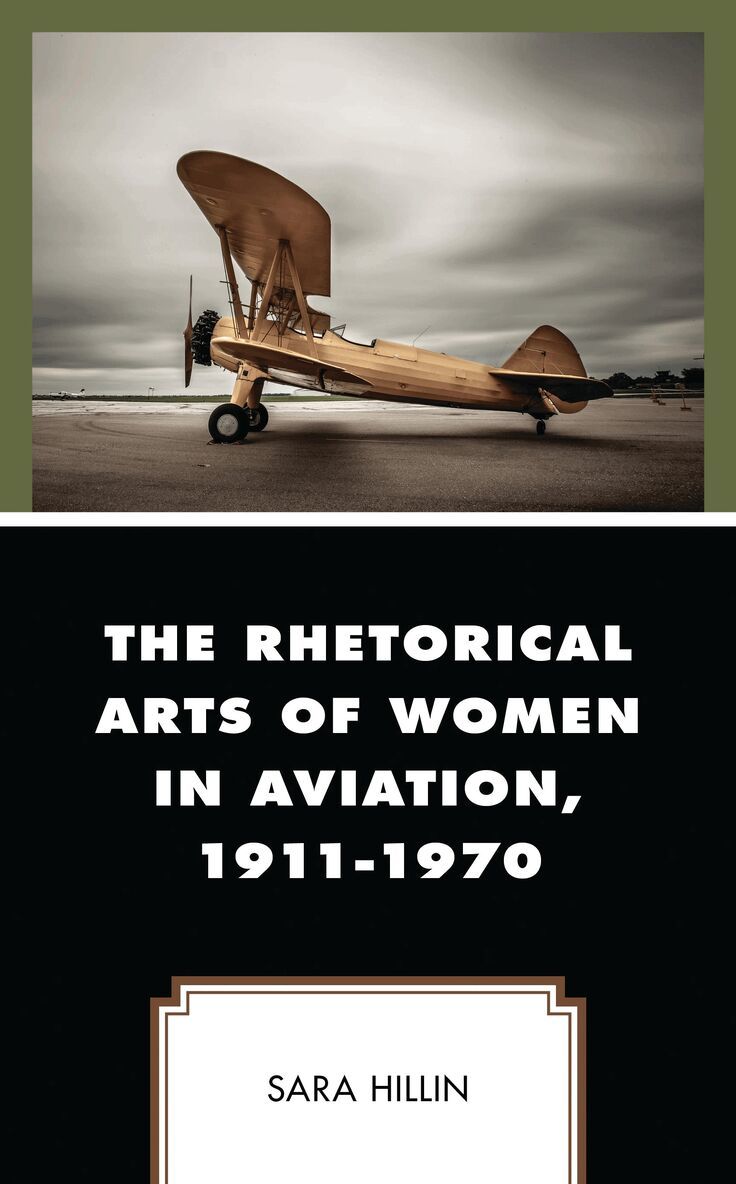
The Rhetorical Arts of Women in Aviation, 1911–1970: Name It and Take It explores the rhetorical strategies employed by women involved in aviation between 1911 and 1970. It begins with Harriet Quimby, who began writing aviation-themed articles for Frank Leslie's Weekly in 1911, and ends with Jerrie Cobb, one of the women who underwent a series of rigorous tests in the hopes of becoming an astronaut. Although one chapter is devoted to the correspondence between German pilot Thea Rasche and aviatrix ally Glenn Buffington, the author largely examines how women in the United States have navigated a developing field that at first seemed to welcome their participation, but over time created discriminatory barriers to their advancement. The rhetorics of African American pilots Willa Beatrice Brown and Bessie Coleman are analyzed in terms of both women's use of the Chicago Defender as a means of publicizing their work in aviation. Topics woven throughout the rhetorical analyses are women's labor, women aviators and motherhood, and the ways in which women confronted both sexism and racism during aviation's golden age and beyond. Scholars of rhetoric, women’s studies, race studies, and history will find this book particularly useful.
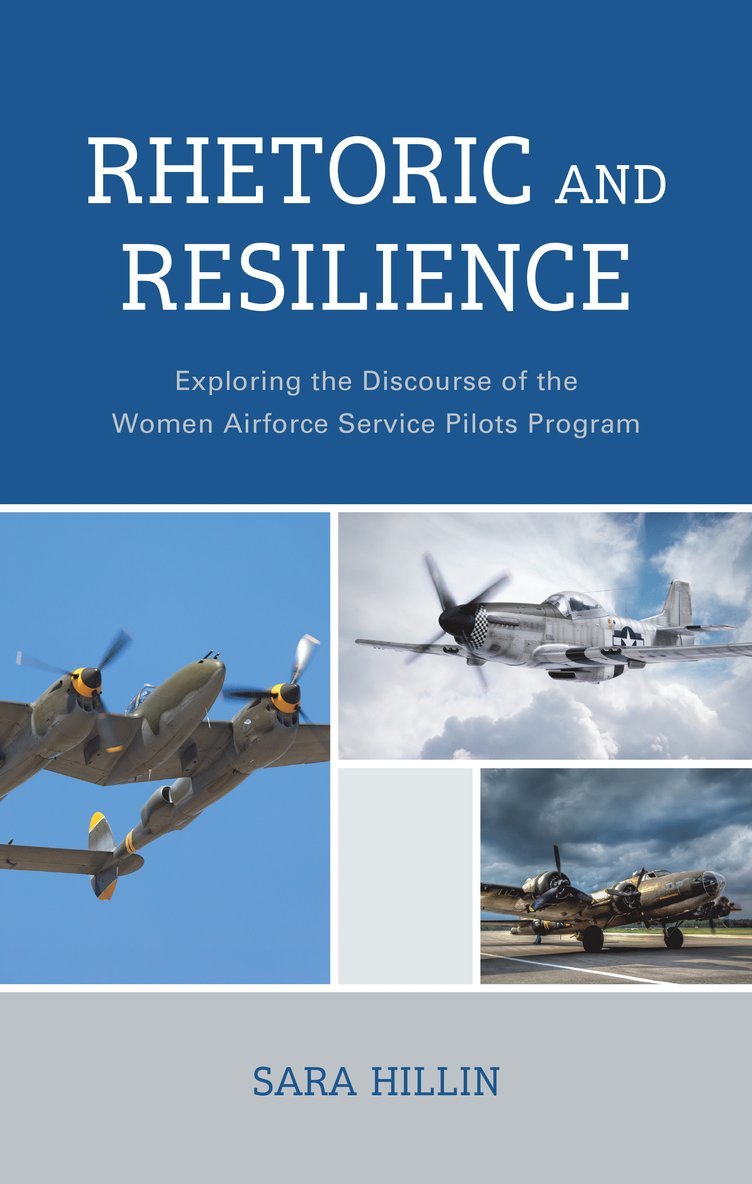
Rhetoric and Resilience
Exploring the Discourse of the Women Airforce Service Pilots Program
Inbunden, Engelska, 2024
1 142 kr
Skickas inom 10-15 vardagar
Rhetoric and Resilience explores discourse produced about and by the women involved in the World War II era Women Airforce Service Pilots program. Aviators such as Jacqueline Cochran and Nancy Harkness Love provided the initial rhetorical boost to successfully launch the program, while countless other pilots such as Cornelia Fort and Barbara Poole wrote to define the significance of the work the WASP were doing. Despite a formidable amount of concrete evidence in her favor, Cochran was unsuccessful in having WASP militarized. After the program's disbandment in 1944, the women of WASP settled back into civilian life but maintained strong rhetorical bonds which served them greatly in the 1970s campaign for veteran status. Using the lenses of both feminist rhetorical theory and classical rhetoric, this book seeks to recover these rhetorics. The chapters illustrate how the women employed a spectrum of strategies carefully designed to provide a fitting response to those both supportive of and hostile to their labor in the arena of military aviation.