Sara Nair James - Böcker
Visar alla böcker från författaren Sara Nair James. Handla med fri frakt och snabb leverans.
2 produkter
2 produkter
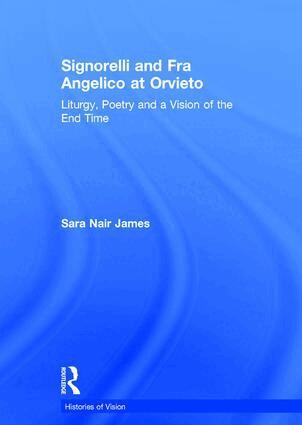
Signorelli and Fra Angelico at Orvieto
Liturgy, Poetry and a Vision of the End Time
Inbunden, Engelska, 2003
539 kr
Skickas inom 10-15 vardagar
Built in 1290, the cathedral at Orvieto, Italy, is a masterpiece of Italian gothic architecture. The decoration of the Cappella Nuova, commenced by Fra Angelico in 1447 and magnificently completed by Luca Signorelli in 1499 and 1504, displays an awe-inspiring Last Judgement and Apocalypse and, below it, scenes from Dante and classical literature. Drawing on years of detailed research into the history of the chapel, Sara Nair James identifies Signorelli's theological advisors as a group of Dominican scholars, known as the 'Masters of the Sacred Page of this city'. She presents the decoration as an integrated whole, a program complex in iconography, message, source material and theory and, through a detailed response to Dante's Divine Comedy and a moralized reading of classical legends, explains how the events of the end-time join the literary narratives to form a sermon on salvation through penance. The book is not simply a work of traditional iconography, explaining the stories behind the pictures. It is an important study in the theory and techniques of the visual representation of religious belief and its reception by the laity. The detailed illustration includes many photographs taken after the restoration of the chapel in 1996.
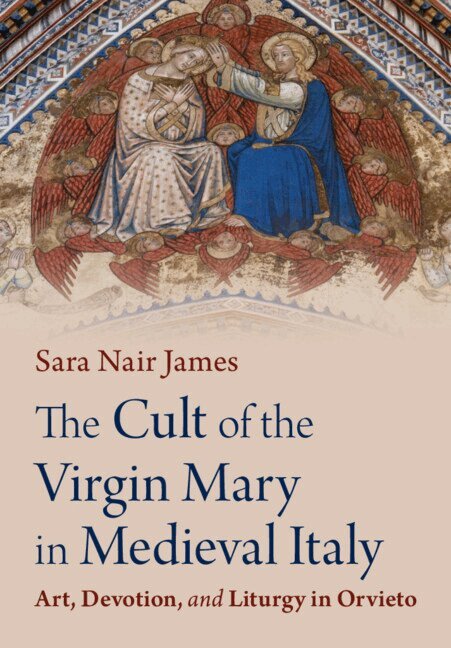
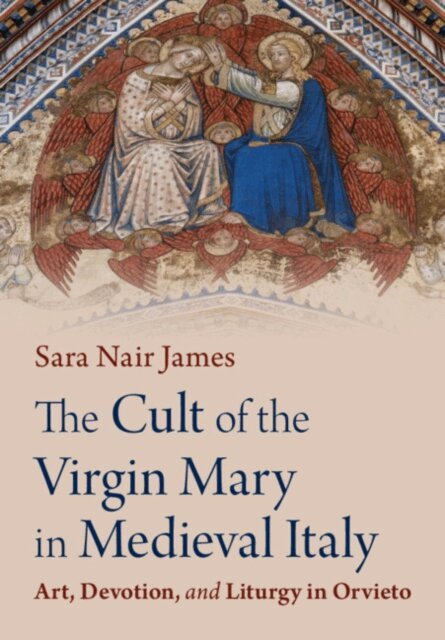
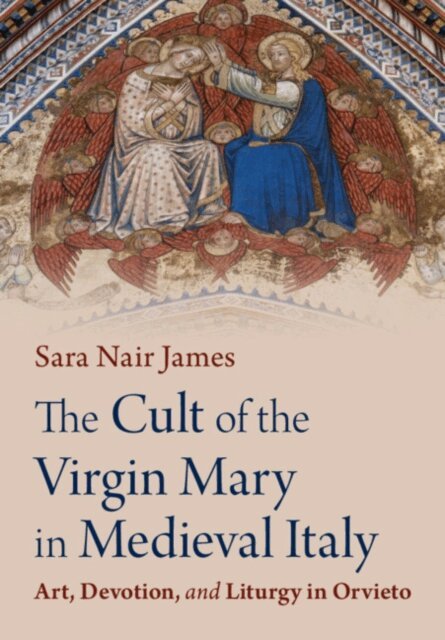
The Cult of the Virgin Mary in Medieval Italy
Art, Devotion, and Liturgy in Orvieto
Inbunden, Engelska, 2025
1 228 kr
Skickas inom 7-10 vardagar
Late medieval Italy witnessed the widespread rise of the cult of the Virgin, as reflected in the profusion of paintings, sculptures, and fresco cycles created in her honor during this period. The cathedral of papal Orvieto especially reflects the strong Marian tradition through its fresco and stained-glass window narrative cycles. In this study, Sara James explores its complex narrative programs. She demonstrates how a papal plan for the cathedral to emulate the basilica of S. Maria Maggiore in Rome, together with Dominican and Franciscan texts, determined the choices and arrangement of scenes. The result is a tour de force of Marian devotion, superior artistry, and compelling story-telling. James also shows how the narratives promoted agendas tied to the city's history and principal religious feasts. Not only are these works more interesting, sophisticated, and theologically rich than previously realized, but, as James argues, each represents the acme in their respective media of their generation in central Italy.