
Sara Rizvi Jafree – författare
Visar alla böcker från författaren Sara Rizvi Jafree. Handla med fri frakt och snabb leverans.
6 produkter
6 produkter
2 258 kr
Kommande
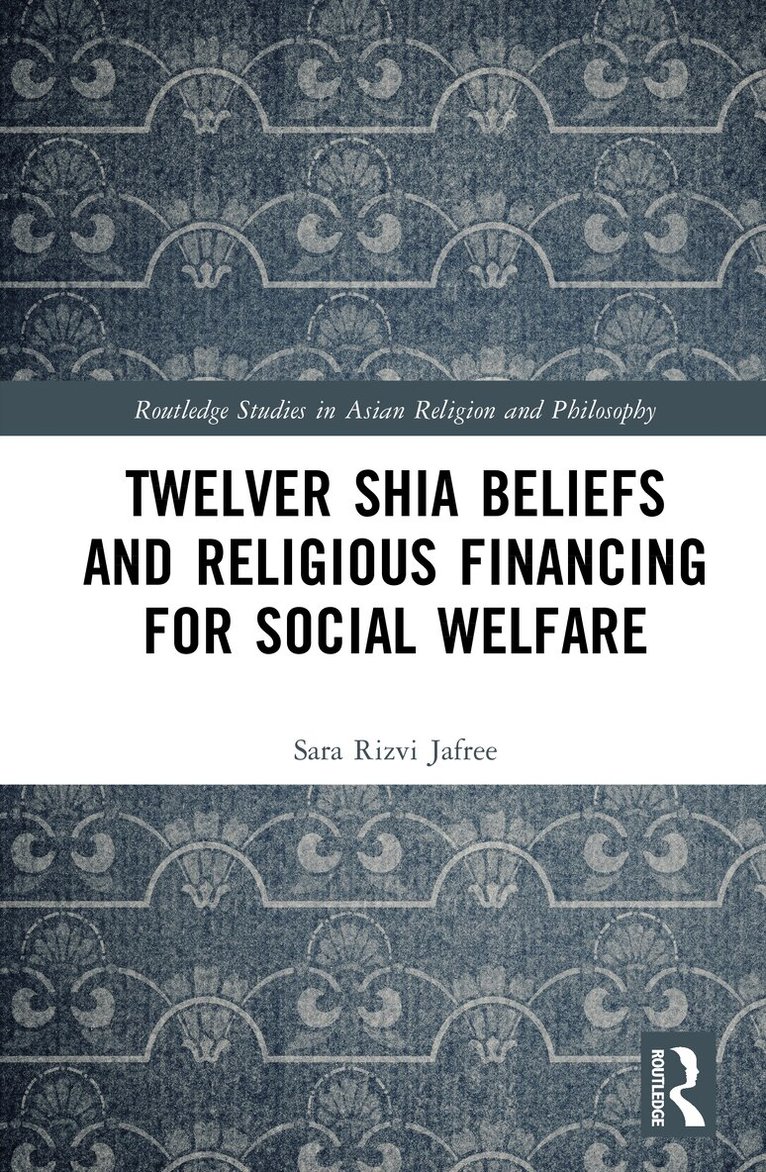
This volume argues for the pressing need to understand the role of religious beliefs, religious scholars, and religious centres in promoting welfare and social protection services for the strengthening of global social welfare systems.The book contributes to research around the integration of faith-based financing into global and local welfare strategies by looking at the Twelver Shia Muslims as a distinct group, presenting ethnographical analysis and interviews gathered from Twelver Shia community members and religious scholars. Chapters explore social welfare lessons learnt by the global Shia community, the level of awareness and commitment to mandatory and voluntary religious finances, (including Zakat, Khums, Waqf, and Sadaqat), and the fears and barriers to advancing faith-led social welfare efforts. The book ultimately presents contemporary realities from the Twelver Shia community, identifies gaps between teachings and practices for religious financing, and highlights internal community challenges around collective efforts for welfare development.The book will be of interest to scholars, researchers, and postgraduate students in the fields of sociology of religion, religion and economics, public policy, religious studies, and Islamic studies more broadly.
1 311 kr
Skickas inom 10-15 vardagar
This contributed volume is the first-known collection of essays that brings together scholarly review, critiques, and primary and secondary data to assess how sociocultural factors influence health behavior in South Asian women. The essays are authored by working scholars or healthcare practitioners from Bangladesh, India, and Pakistan. In the chapters, the contributors acknowledge social, economic, and environmental factors to recommend improved interventions and health policy for women of the region.Studies on South Asian women’s health have targeted clinical evidence, with less attention on social and environmental factors driving health recovery and health outcomes. The South Asian region, more than any other part of the world, is driven by traditional and cultural forces that are possibly the most significant factors determining a woman’s health awareness and her rights to adopt healthy behavior or pursue health recovery. Women of the region share a common culture andpolitical history, and there are benefits to understanding their problems collectively in order to design joint improvements in health policy for women.Salient, but neglected, socio-political areas that influence health behavior and health outcomes in women of the region are covered in the chapters including:Oral Narrations of Social Rejection Suffered by South Asian Women with Irreversible Health Conditions Women’s Role in Decision-Making for Health Care in South Asia Poverty, Health Coverage, and Credit Opportunities for South Asian WomenRefugee, Displaced, and Climate-Affected Women of South Asia and Their Health ChallengesThe Political Sociology of South Asian Women’s HealthThe Sociology of South Asian Women’s Health is a useful resource for students, researchers, and academicians, especially those interested in public health, gender, social policy, and occupational management, as well as healthcare practitioners, administrators, health and public policy-makers, government officers, and scholars of South Asian studies.
1 311 kr
Skickas inom 10-15 vardagar
This contributed volume is the first-known collection of essays that brings together scholarly review, critiques, and primary and secondary data to assess how sociocultural factors influence health behavior in South Asian women. The essays are authored by working scholars or healthcare practitioners from Bangladesh, India, and Pakistan. In the chapters, the contributors acknowledge social, economic, and environmental factors to recommend improved interventions and health policy for women of the region.Studies on South Asian women’s health have targeted clinical evidence, with less attention on social and environmental factors driving health recovery and health outcomes. The South Asian region, more than any other part of the world, is driven by traditional and cultural forces that are possibly the most significant factors determining a woman’s health awareness and her rights to adopt healthy behavior or pursue health recovery. Women of the region share a common culture andpolitical history, and there are benefits to understanding their problems collectively in order to design joint improvements in health policy for women.Salient, but neglected, socio-political areas that influence health behavior and health outcomes in women of the region are covered in the chapters including:Oral Narrations of Social Rejection Suffered by South Asian Women with Irreversible Health Conditions Women’s Role in Decision-Making for Health Care in South Asia Poverty, Health Coverage, and Credit Opportunities for South Asian WomenRefugee, Displaced, and Climate-Affected Women of South Asia and Their Health ChallengesThe Political Sociology of South Asian Women’s HealthThe Sociology of South Asian Women’s Health is a useful resource for students, researchers, and academicians, especially those interested in public health, gender, social policy, and occupational management, as well as healthcare practitioners, administrators, health and public policy-makers, government officers, and scholars of South Asian studies.
1 484 kr
Skickas inom 10-15 vardagar
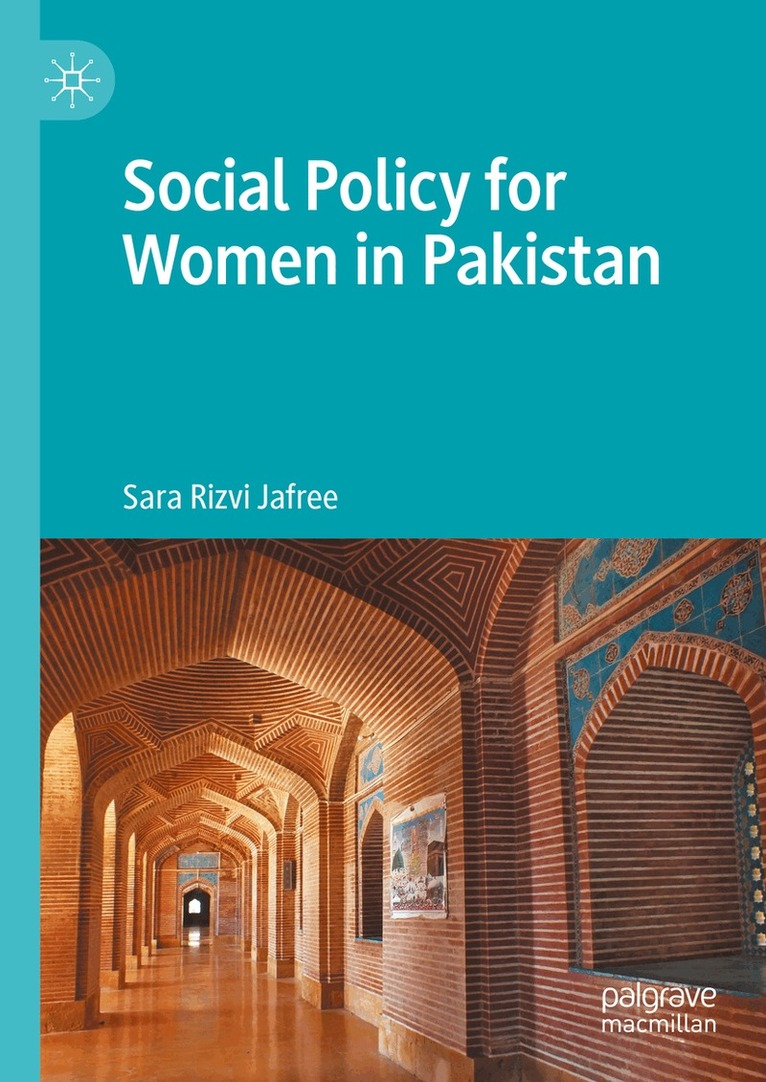
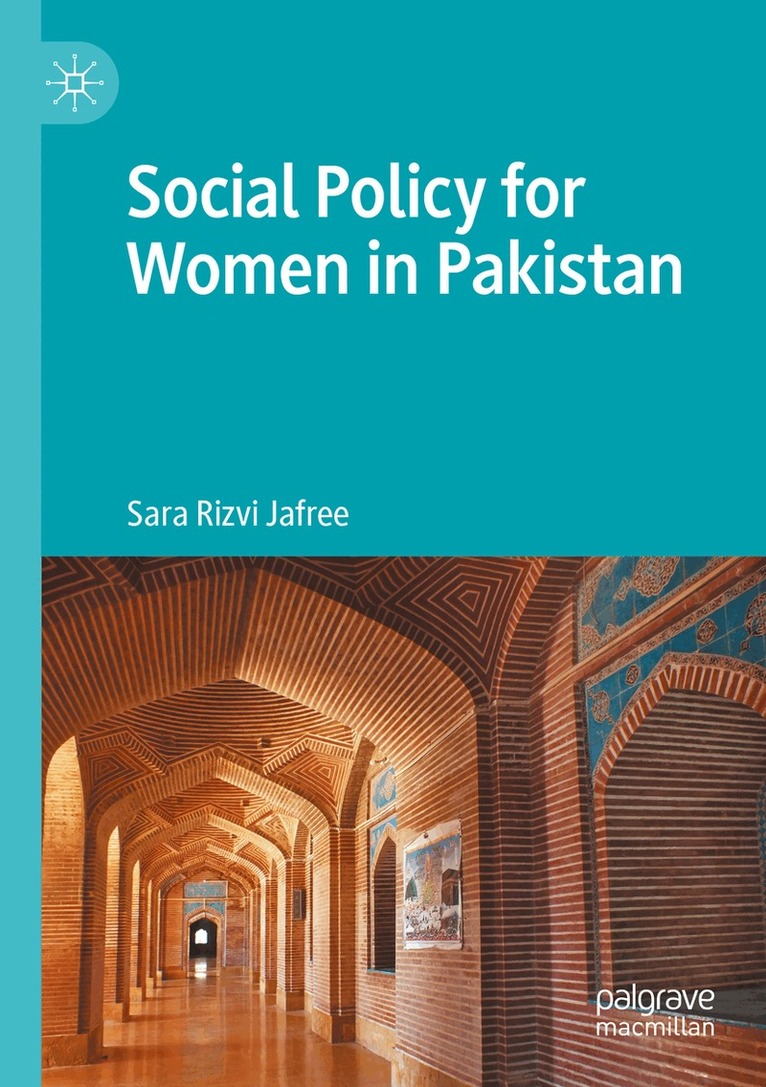
This book analyzes the different policy challenges that Pakistani women face and makes regionally relevant policy recommendations across different areas of private and public life, drawing on secondary data from nationally representative surveys and primary data from qualitative interviews. These areas include family safety, housing adequacy, food security and nutritional adequacy, environment and disaster protection, educational development, employment and formal sector inclusion, and health security. The author examines how the history, culture, and political climate of Pakistan have shaped social policy for women, interrogates gaps in social protections for women, and analyzes the limitations for past interventions. This text also looks at collaboration across South Asian countries, as well as using religion, social media, financing, and a new model of governance for comprehensive coverage and sustainable social policy for women. This book will be of interest to scholars, students, and policymakers with focus on women’s and gender studies and policy studies in South Asia.

613 kr
Skickas inom 5-8 vardagar
1 484 kr
Skickas inom 10-15 vardagar
This book analyzes the different policy challenges that Pakistani women face and makes regionally relevant policy recommendations across different areas of private and public life, drawing on secondary data from nationally representative surveys and primary data from qualitative interviews.