Sara Ross - Böcker
Visar alla böcker från författaren Sara Ross. Handla med fri frakt och snabb leverans.
3 produkter
3 produkter
1 928 kr
Skickas inom 10-15 vardagar
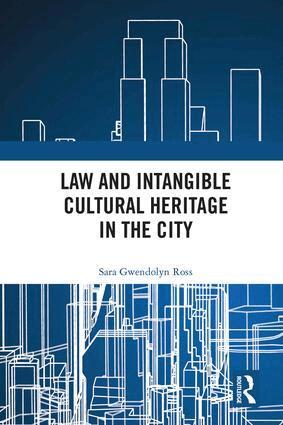
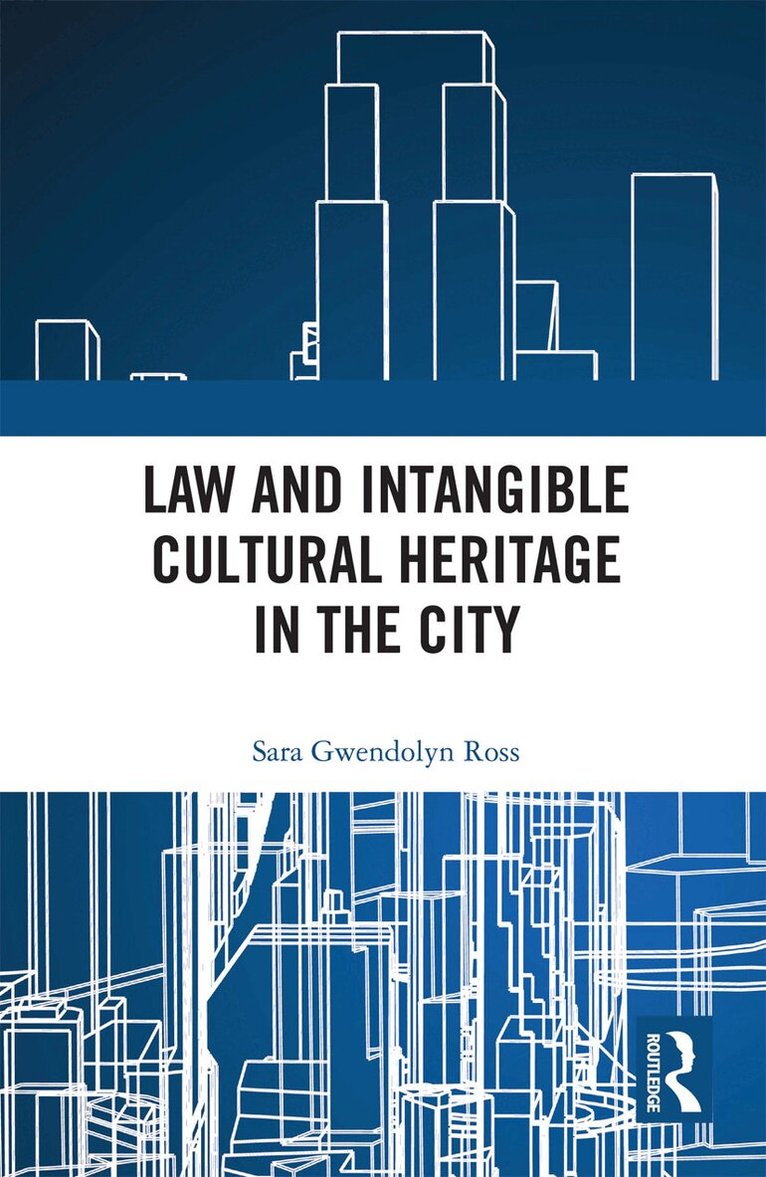
With disappearing music venues, and arts and culture communities at constant risk of displacement in our urban centers, the preservation of intangible cultural heritage is of growing concern to global cities. This book addresses the role and protection of intangible cultural heritage in the urban context. Using the methodology of Urban Legal Anthropology, the author provides an ethnographic account of the civic effort of Toronto to become a Music City from 2014-18 in the context of redevelopment and gentrification pressures. Through this, the book elucidates the problems cities like Toronto have in equitably protecting intangible cultural heritage and what can be done to address this. It also evaluates the engagement that Toronto and other cities have had with international legal frameworks intended to protect intangible cultural heritage, as well as potential counterhegemonic uses of hegemonic legal tools. Understanding urban intangible cultural heritage and the communities of people who produce it is of importance to a range of actors, from urban developers looking to formulate livable and sustainable neighbourhoods, to city leaders looking for ways in which their city can flourish, to scholars and individuals concerned with equitability and the right to the city. This book is the beginning of a conservation about what is important for us to protect in the city for future generations beyond built structures, and the role of intangible cultural heritage in the creation of full and happy lives.The book is of interest to legal and sociolegal readers, specifically those who study cities, cultural heritage law, and legal anthropology.
564 kr
Skickas inom 10-15 vardagar
With disappearing music venues, and arts and culture communities at constant risk of displacement in our urban centers, the preservation of intangible cultural heritage is of growing concern to global cities. This book addresses the role and protection of intangible cultural heritage in the urban context. Using the methodology of Urban Legal Anthropology, the author provides an ethnographic account of the civic effort of Toronto to become a Music City from 2014-18 in the context of redevelopment and gentrification pressures. Through this, the book elucidates the problems cities like Toronto have in equitably protecting intangible cultural heritage and what can be done to address this. It also evaluates the engagement that Toronto and other cities have had with international legal frameworks intended to protect intangible cultural heritage, as well as potential counterhegemonic uses of hegemonic legal tools. Understanding urban intangible cultural heritage and the communities of people who produce it is of importance to a range of actors, from urban developers looking to formulate livable and sustainable neighbourhoods, to city leaders looking for ways in which their city can flourish, to scholars and individuals concerned with equitability and the right to the city. This book is the beginning of a conservation about what is important for us to protect in the city for future generations beyond built structures, and the role of intangible cultural heritage in the creation of full and happy lives.The book is of interest to legal and sociolegal readers, specifically those who study cities, cultural heritage law, and legal anthropology.
240 kr
Skickas inom 3-6 vardagar
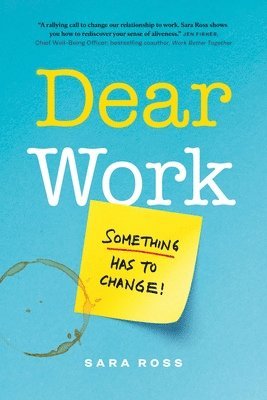
Don't burn out-stand out. Do you find yourself striving for big goals but running on fumes? Are you ever stuck in the frustrating cycle of overworking and under-living? Do you love the work you do-or at least used to-but feel overwhelmed by it? When it comes to work and our relationship with it, something has to change. This doesn't mean you need to bound out of bed every day in love with your work, nor do you need to settle for dragging yourself out of bed surviving your way through it, but you can feel a greater sense of aliveness engaging in it. Dear Work transforms traditional advice by using the power of brain science to show you how to boost your Work Vitality Quotient so you stand out, bringing your best, most energized self-without burning out. Sara Ross, chief vitality officer and leadership expert, will show you how to: - Identify the four "success traps" that limit your potential by luring you into thinking you're doing what it takes when really what you're doing is taking from you.- Adopt a "yes, and" mindset to work better with stress and feel fueled and fulfilled in the process.- Expand your approach to self-care to strategically identify when slowing down is needed and when accelerating in a different direction is even better.In a world that refuses to let up, reigniting your take-on-the-day vitality will be your competitive advantage at work and your path to pursuing a fully lived life outside of it as well.