Sarah A. Bendall – författare
Visar alla böcker från författaren Sarah A. Bendall. Handla med fri frakt och snabb leverans.
11 produkter
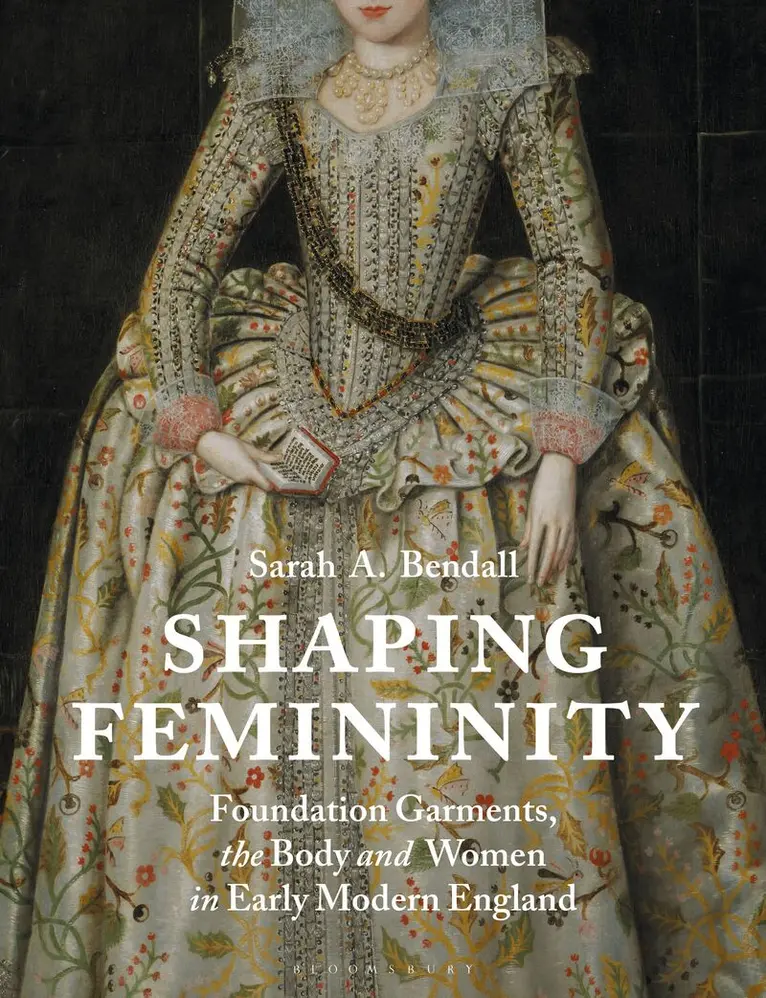
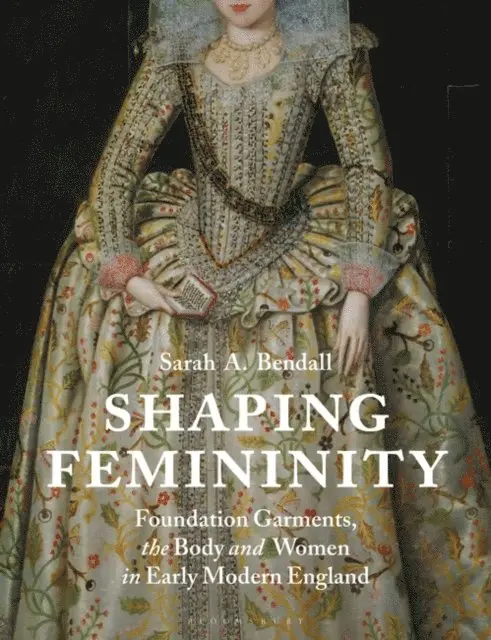
Shaping Femininity
Foundation Garments, the Body and Women in Early Modern England
Häftad, 2021
5,0 utav 5 stjärnor. Totalt antal röster: (1)
440 kr
Lägg i varukorg
Highly Commended, Society for Renaissance Studies Biennial Book Prize 2022In sixteenth and seventeenth-century England, the female silhouette underwent a dramatic change. This very structured form, created using garments called bodies and farthingales, existed in various extremes in Western Europe …
Embodied Experiences of Making in Early Modern Europe
Bodies, Gender, and Material Culture
Av Serena Dyer, Sarah A. Bendall
E-bok, 2025
838 kr
Lägg i varukorg
Processes of making in early modern Europe were both tacit and embodied. Whether making pottery, food, or textiles, the processes of manual production rested on an intersensory connection between mind, body, and object. This volume focuses on the body of the maker to ask how processes of making, …
Embodied Experiences of Making in Early Modern Europe
Bodies, Gender, and Material Culture
Av Serena Dyer, Sarah A. Bendall
E-bok, 2025
856 kr
Lägg i varukorg
Processes of making in early modern Europe were both tacit and embodied. Whether making pottery, food, or textiles, the processes of manual production rested on an intersensory connection between mind, body, and object. This volume focuses on the body of the maker to ask how processes of making, …
Embodied Experiences of Making in Early Modern Europe
Bodies, Gender, and Material Culture
Av Sarah A. Bendall, Serena Dyer
Häftad, 2026
728 kr
Lägg i varukorg
Processes of making in early modern Europe were both tacit and embodied. Whether making pottery, food, or textiles, the processes of manual production rested on an intersensory connection between mind, body, and object. This volume focuses on the body of the maker to ask how processes of making, …
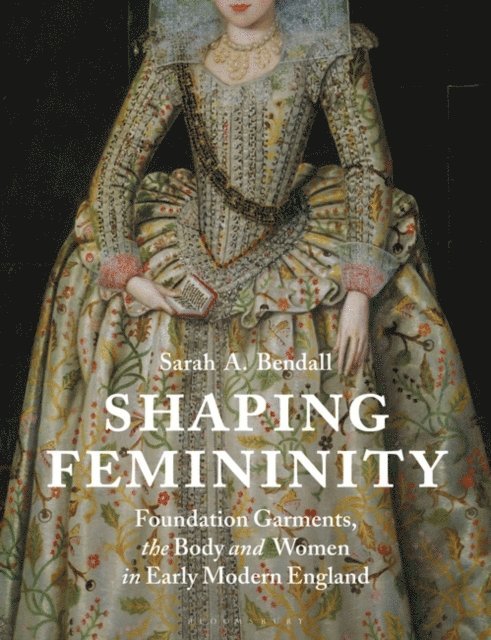
Shaping Femininity
Foundation Garments, the Body and Women in Early Modern England
E-bok, 2021
482 kr
Lägg i varukorg
Highly Commended, Society for Renaissance Studies Biennial Book Prize 2022 In sixteenth and seventeenth-century England, the female silhouette underwent a dramatic change. This very structured form, created using garments called bodies and farthingales, existed in various extremes in Western Europe …
Shaping Femininity
Foundation Garments, the Body and Women in Early Modern England
E-bok, 2021
468 kr
Lägg i varukorg
Highly Commended, Society for Renaissance Studies Biennial Book Prize 2022 In sixteenth and seventeenth-century England, the female silhouette underwent a dramatic change. This very structured form, created using garments called bodies and farthingales, existed in various extremes in Western Europe …
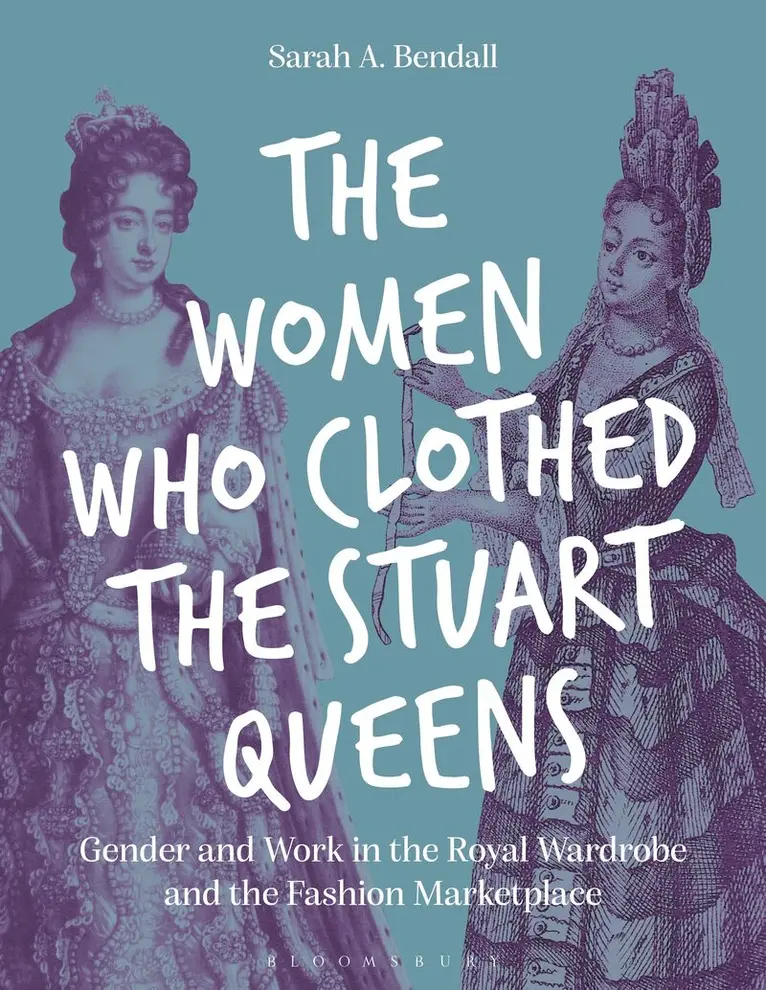
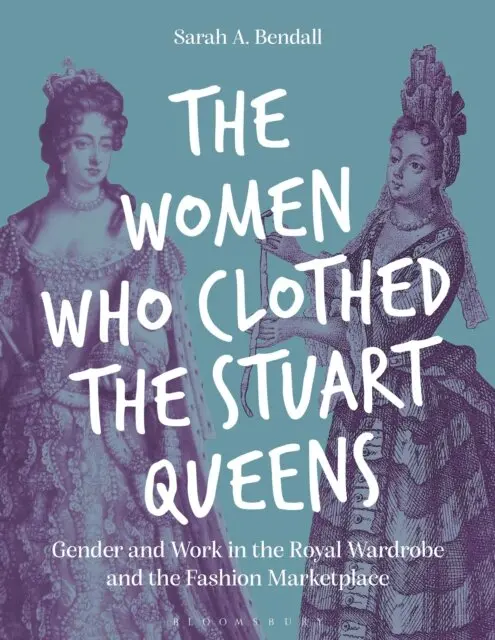
Women Who Clothed the Stuart Queens
Gender and Work in the Royal Wardrobe and the Fashion Marketplace
Häftad, 2026
426 kr
Lägg i varukorg
This study explores – for the first time – the changing professions and roles of the women who worked to clothe six Stuart queens between 1603–1714: Anna of Denmark, Henrietta Maria, Catherine of Braganza, Mary of Modena, Queen Mary II and Queen Anne.Beautifully illustrated in full colour …
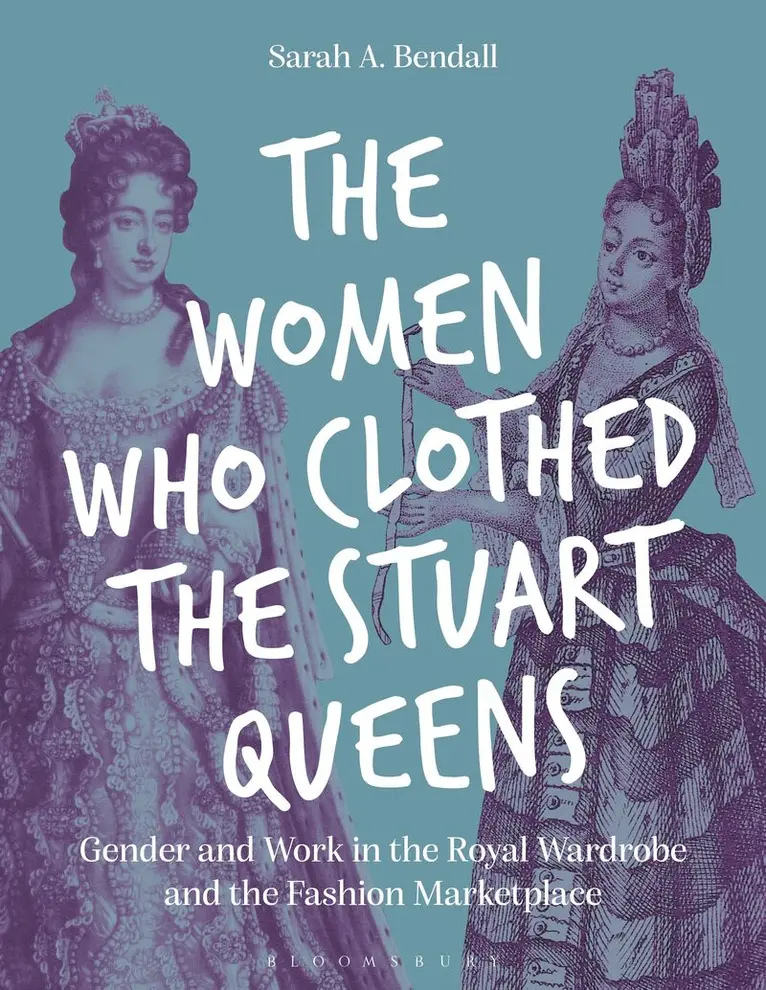
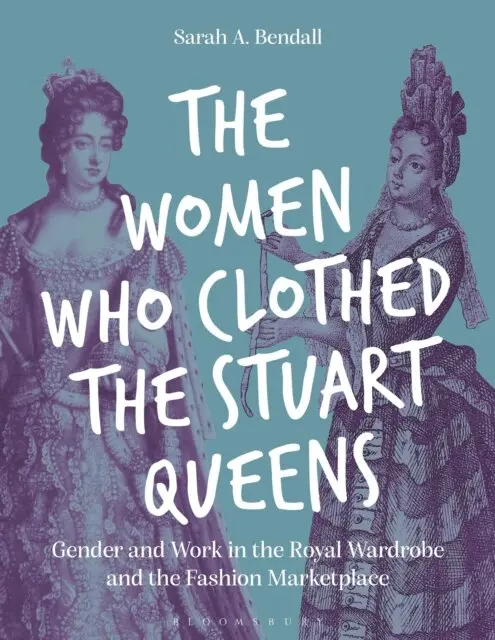
Women Who Clothed the Stuart Queens
Gender and Work in the Royal Wardrobe and the Fashion Marketplace
Inbunden, 2026
1306 kr
Lägg i varukorg
This study explores – for the first time – the changing professions and roles of the women who worked to clothe six Stuart queens between 1603–1714: Anna of Denmark, Henrietta Maria, Catherine of Braganza, Mary of Modena, Queen Mary II and Queen Anne.Beautifully illustrated in full colour …
Women Who Clothed the Stuart Queens
Gender and Work in the Royal Wardrobe and the Fashion Marketplace
E-bok, 2026
456 kr
Lägg i varukorg
This study explores for the first time the changing professions and roles of the women who worked to clothe six Stuart queens between 1603 1714: Anna of Denmark, Henrietta Maria, Catherine of Braganza, Mary of Modena, Queen Mary II and Queen Anne.Beautifully illustrated in full colour throughout, …
Women Who Clothed the Stuart Queens
Gender and Work in the Royal Wardrobe and the Fashion Marketplace
E-bok, 2026
466 kr
Lägg i varukorg
This study explores for the first time the changing professions and roles of the women who worked to clothe six Stuart queens between 1603 1714: Anna of Denmark, Henrietta Maria, Catherine of Braganza, Mary of Modena, Queen Mary II and Queen Anne.Beautifully illustrated in full colour throughout, …
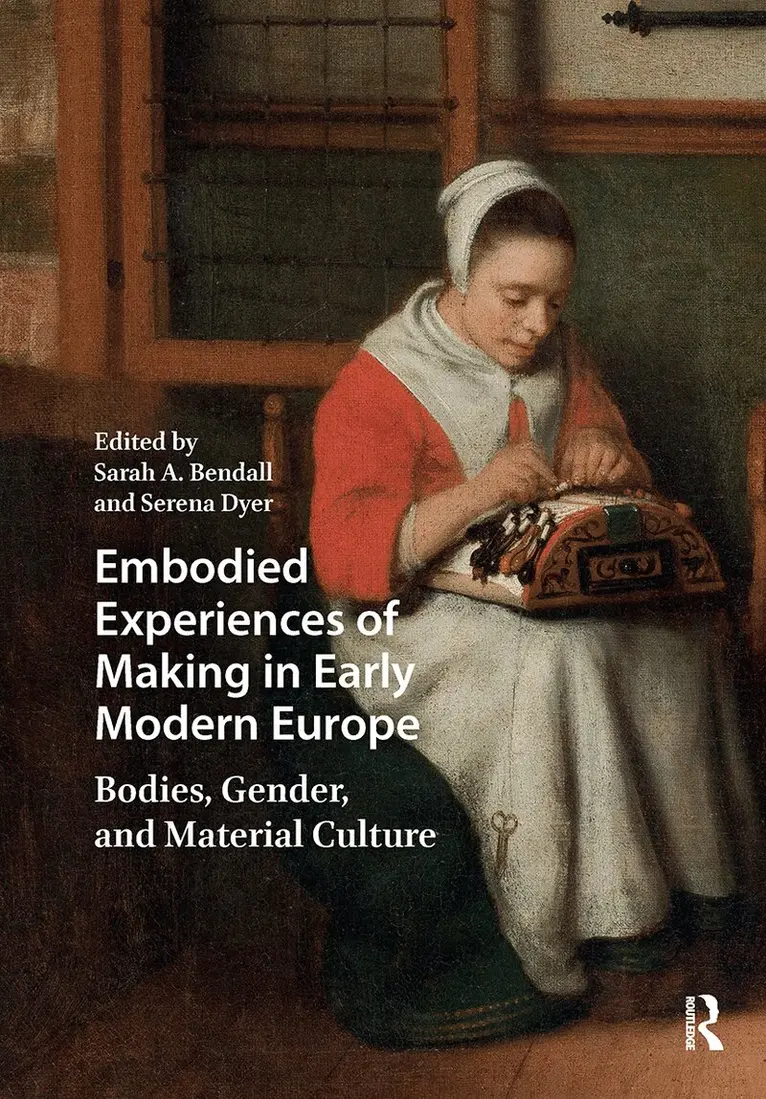
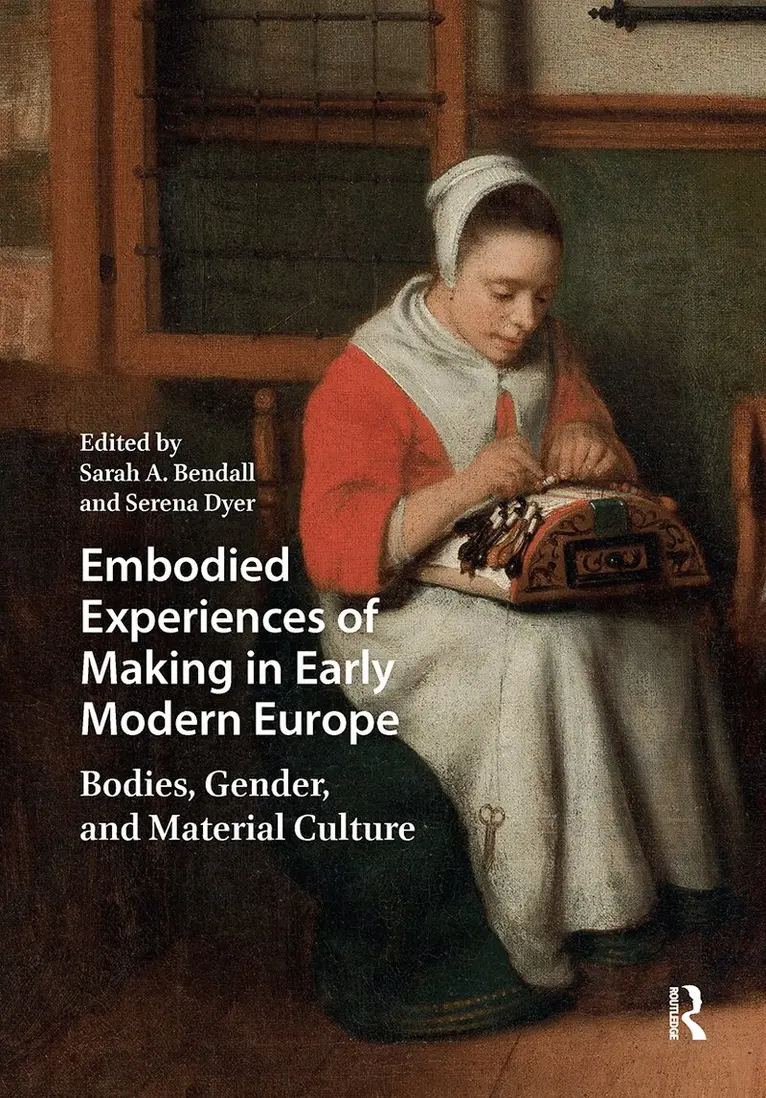
Embodied Experiences of Making in Early Modern Europe
Bodies, Gender, and Material Culture
Av Sarah A. Bendall, Serena Dyer
Inbunden, 2024
2200 kr
Lägg i varukorg
Processes of making in early modern Europe were both tacit and embodied.This volume focuses on the body of the maker to ask how processes of making, experimenting, experiencing, and reconstructing illuminate early modern assumptions and understandings around manual labour and material life.