Sarah Barringer Gordon – författare
Visar alla böcker från författaren Sarah Barringer Gordon. Handla med fri frakt och snabb leverans.
5 produkter
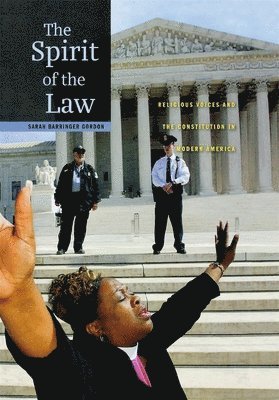
Spirit of the Law
Religious Voices and the Constitution in Modern America
Inbunden, 2010
418 kr
Lägg i varukorg
A new constitutional world burst into American life in the mid-twentieth century. For the first time, the national constitution's religion clauses were extended by the United States Supreme Court to all state and local governments. As energized religious individuals and groups probed the new …
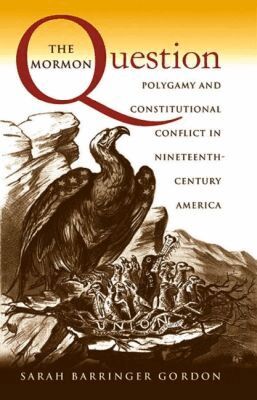
Mormon Question
Polygamy and Constitutional Conflict in Nineteenth-Century America
Häftad, 2002
503 kr
Lägg i varukorg
How the battle over polygamy redefined religious liberty in America; From the Mormon Church's public announcement of its sanction of polygamy in 1852 until its formal decision to abandon the practice in 1890, people on both sides of the ""Mormon question"" debated central questions of …
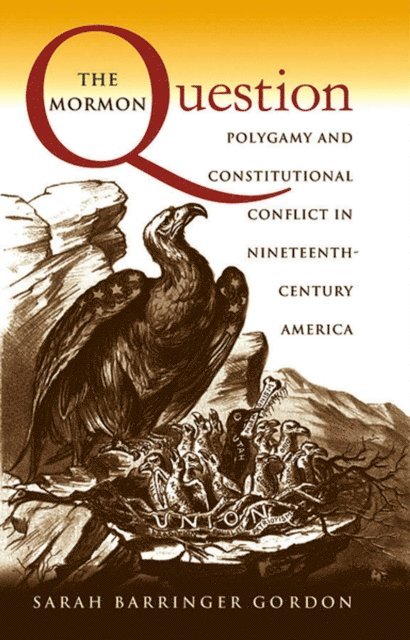
Mormon Question
Polygamy and Constitutional Conflict in Nineteenth-Century America
E-bok, 2003
399 kr
Lägg i varukorg
From the Mormon Church’s public announcement of its sanction of polygamy in 1852 until its formal decision to abandon the practice in 1890, people on both sides of the “Mormon question” debated central questions of constitutional law. Did principles of religious freedom and local self-government …
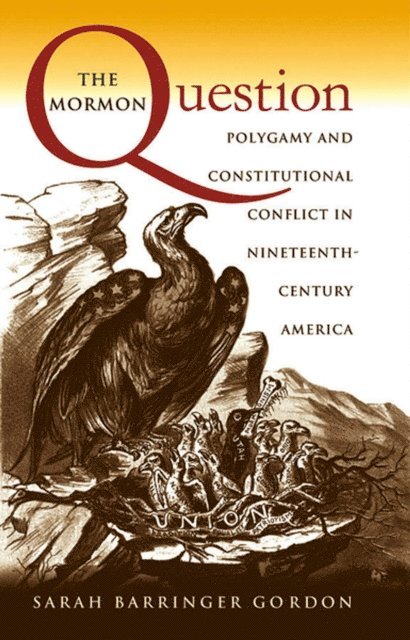
Mormon Question
Polygamy and Constitutional Conflict in Nineteenth-Century America
E-bok, 2003
399 kr
Lägg i varukorg
From the Mormon Church’s public announcement of its sanction of polygamy in 1852 until its formal decision to abandon the practice in 1890, people on both sides of the “Mormon question” debated central questions of constitutional law. Did principles of religious freedom and local self-government …
In-laws and Outlaws
Lessons in Research and Friendship and a Report from the Archives
Häftad, 2007
116 kr
Tillfälligt slut