Sarah Brouillette – författare
Visar alla böcker från författaren Sarah Brouillette. Handla med fri frakt och snabb leverans.
14 produkter
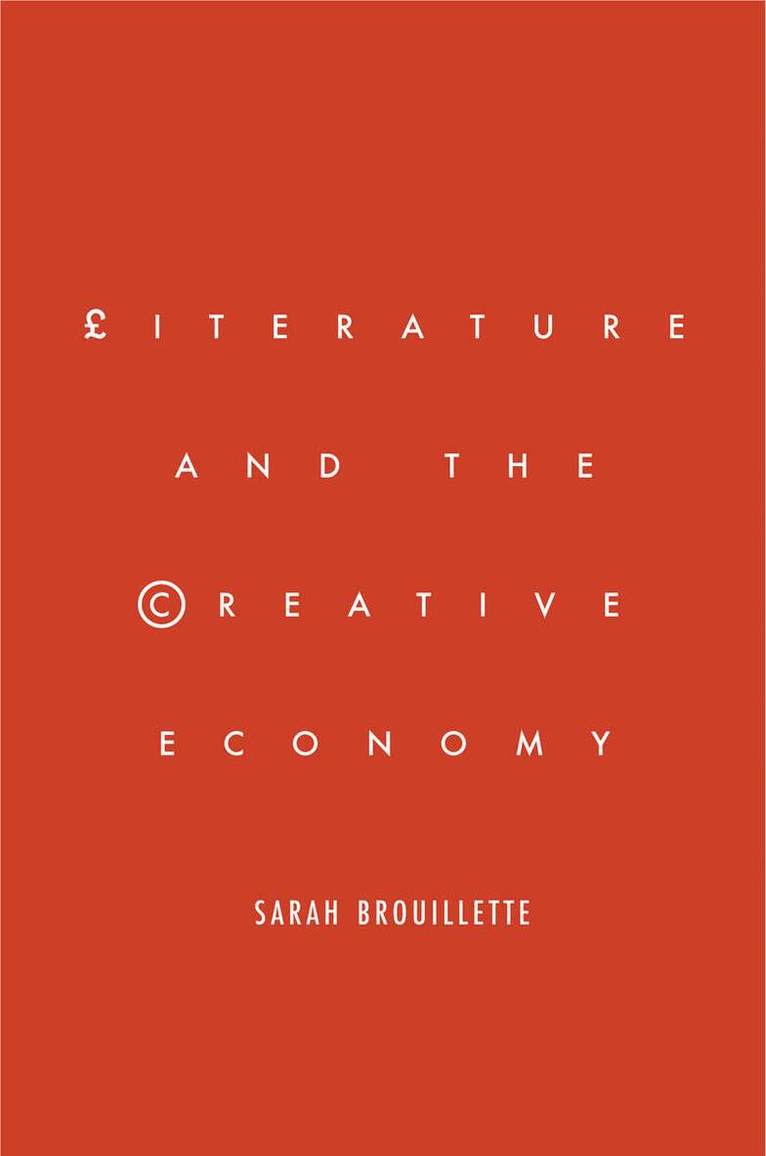
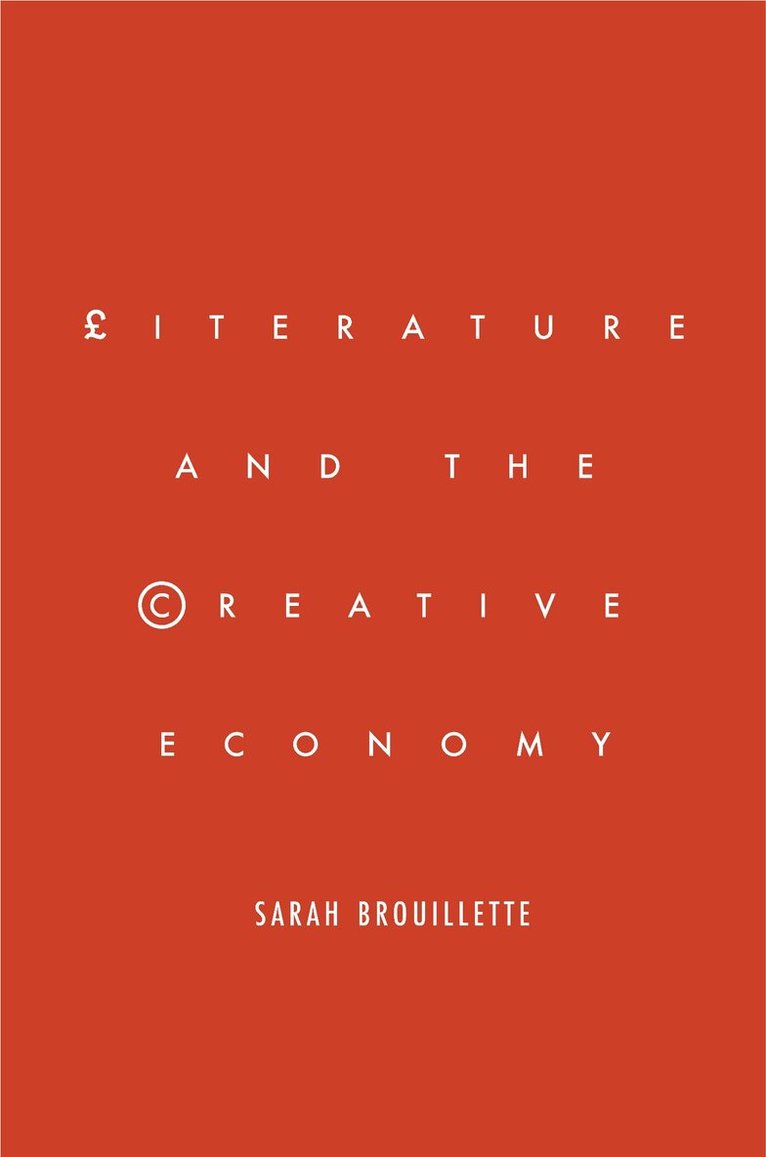
Literature and the Creative Economy
Inbunden, 2014
1423 kr
Lägg i varukorg
This book contends that mainstream considerations of the economic and social force of culture, including theories of the creative class and of cognitive and immaterial labor, are indebted to historic conceptions of the art of literary authorship. It shows how contemporary literature has been …
Literature and the Creative Economy
E-bok, 2014
418 kr
Lägg i varukorg
This book contends that mainstream considerations of the economic and social force of culture, including theories of the creative class and of cognitive and immaterial labor, are indebted to historic conceptions of the art of literary authorship. It shows how contemporary literature has been …
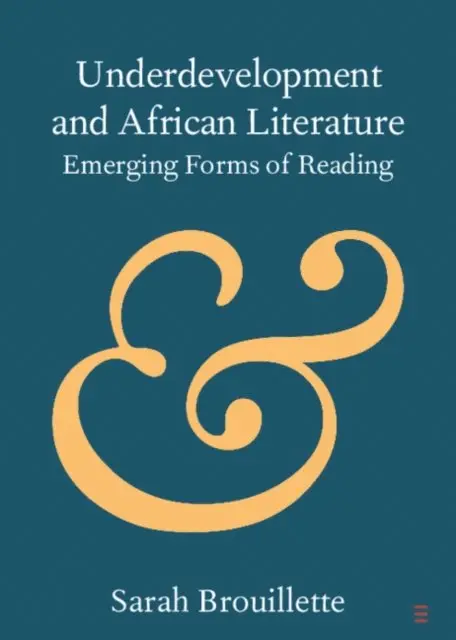
Underdevelopment and African Literature
Emerging Forms of Reading
E-bok, 2021
230 kr
Lägg i varukorg
People looking for works in cities are immersed in English as the lingua franca of the mobile phone and the urban hustle – more effective instigations to reading than decades of work by traditional publishers and development agencies. The legal publishing industry campaigns to convince people to …
Underdevelopment and African Literature
Emerging Forms of Reading
Häftad, 2021
250 kr
Lägg i varukorg
People looking for works in cities are immersed in English as the lingua franca of the mobile phone and the urban hustle - more effective instigations to reading than decades of work by traditional publishers and development agencies. The legal publishing industry campaigns to convince people to …
Underdevelopment and African Literature
Emerging Forms of Reading
E-bok, 2021
255 kr
Lägg i varukorg
People looking for works in cities are immersed in English as the lingua franca of the mobile phone and the urban hustle – more effective instigations to reading than decades of work by traditional publishers and development agencies. The legal publishing industry campaigns to convince people to …
Content Machines
Reading and Writing in the Platform Era
Inbunden, 2026
1343 kr
Lägg i varukorg
While much has been said about the democratization of publishing through the rise of platforms like Amazon’s Kindle Direct Publishing, little attention has been paid to the broader effect these technologies have had on writers, readers, and the publishing industry. In Content Machines, Sarah …
Content Machines
Reading and Writing in the Platform Era
Häftad, 2026
313 kr
Lägg i varukorg
While much has been said about the democratization of publishing through the rise of platforms like Amazon’s Kindle Direct Publishing, little attention has been paid to the broader effect these technologies have had on writers, readers, and the publishing industry. In Content Machines, Sarah …
Literature and the Creative Economy
Häftad, 2017
346 kr
Lägg i varukorg
This book contends that mainstream considerations of the economic and social force of culture, including theories of the creative class and of cognitive and immaterial labor, are indebted to historic conceptions of the art of literary authorship. It shows how contemporary literature has been …
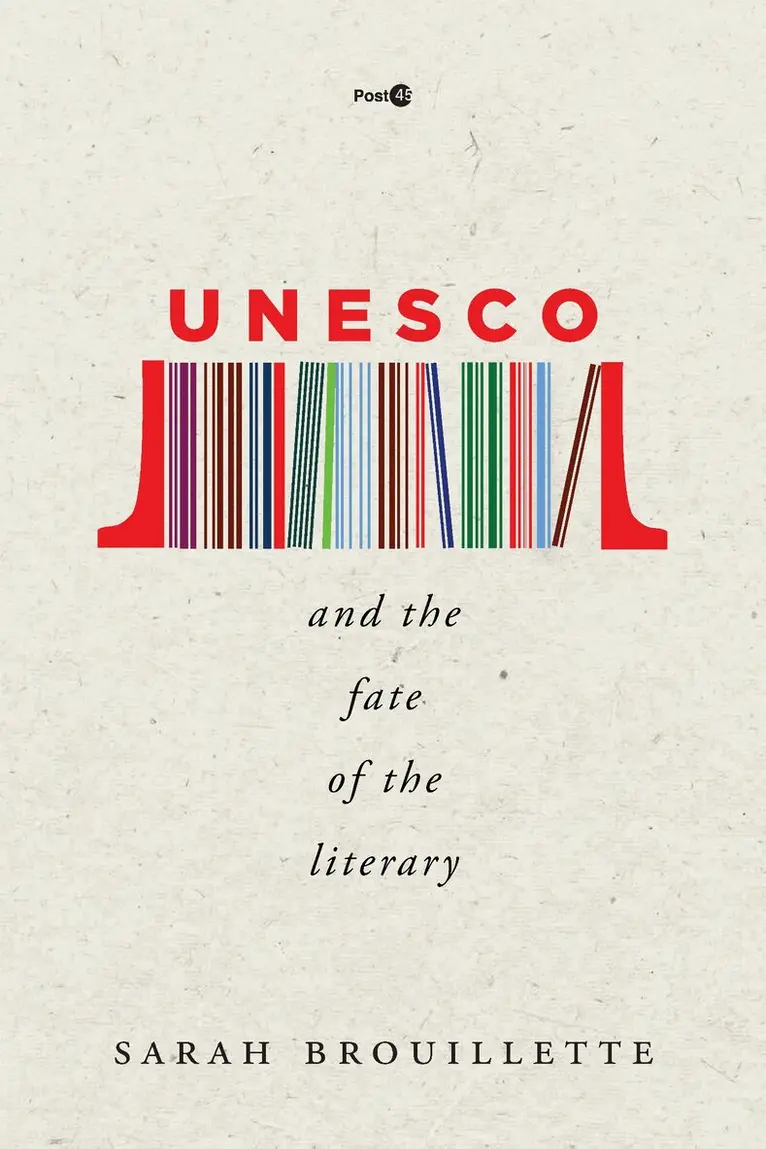
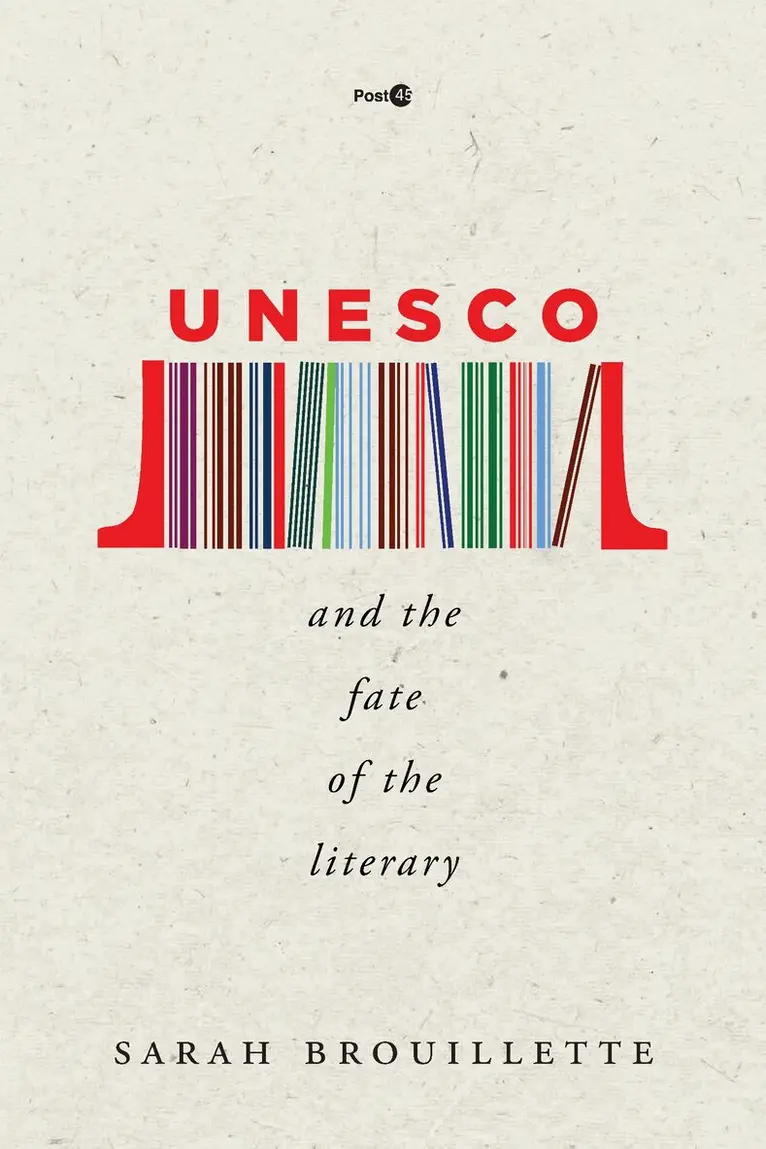
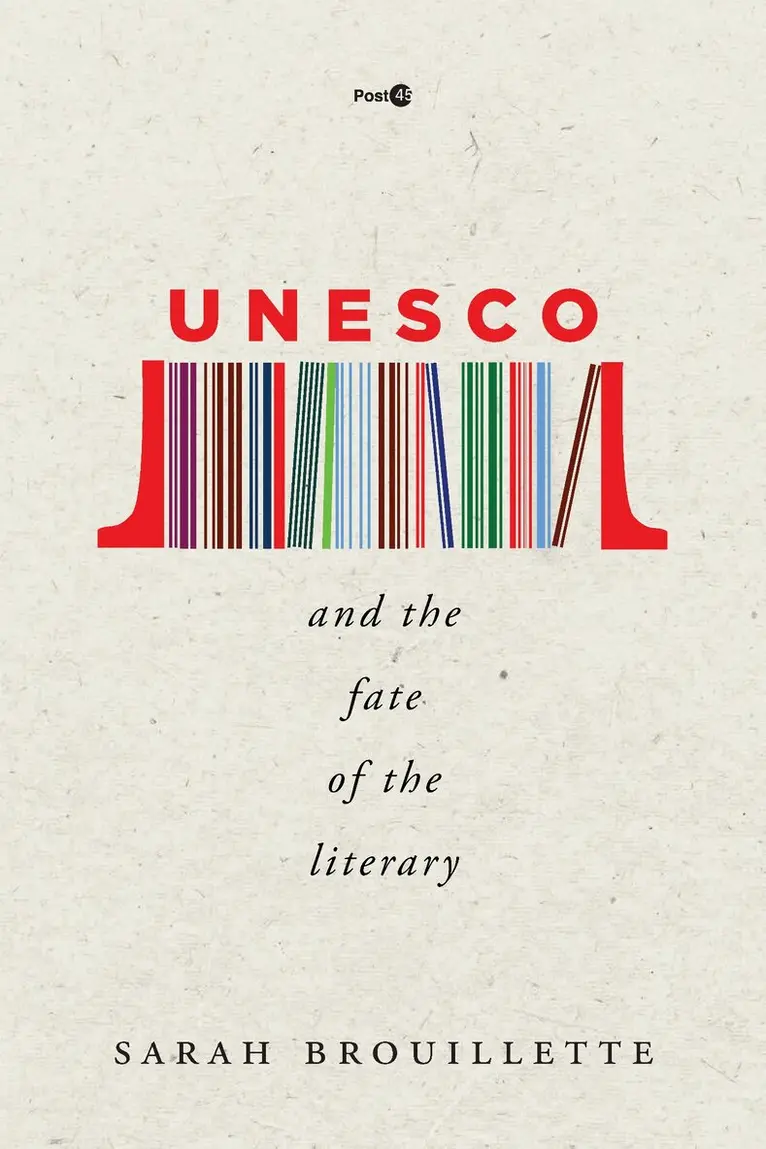
UNESCO and the Fate of the Literary
Inbunden, 2019
1552 kr
Lägg i varukorg
A case study of one of the most important global institutions of cultural policy formation, UNESCO and the Fate of the Literary demonstrates the relationship between such policymaking and transformations in the economy. Focusing on UNESCO's use of books, Sarah Brouillette identifies three phases in …
UNESCO and the Fate of the Literary
Häftad, 2019
378 kr
Lägg i varukorg
A case study of one of the most important global institutions of cultural policy formation, UNESCO and the Fate of the Literary demonstrates the relationship between such policymaking and transformations in the economy. Focusing on UNESCO's use of books, Sarah Brouillette identifies three phases in …
UNESCO and the Fate of the Literary
E-bok, 2019
458 kr
Lägg i varukorg
A case study of one of the most important global institutions of cultural policy formation, UNESCO and the Fate of the Literary demonstrates the relationship between such policymaking and transformations in the economy. Focusing on UNESCO's use of books, Sarah Brouillette identifies three phases in …
Literature and the Global Contemporary
Av Sarah Brouillette, Mathias Nilges m. fl.
Inbunden, 2017
1316 kr
Lägg i varukorg
This book attempts to understand what ‘contemporary’ has meant, and should mean, for literary studies. The essays in this volume suggest that an attentive reading of recent global literatures challenges the idea that our contemporary moment is best characterized as a timeless, instantaneous ‘now’. …
Literature and the Global Contemporary
Av Emilio Sauri, Mathias Nilges m. fl.
E-bok, 2017
1738 kr
Lägg i varukorg
This book attempts to understand what ‘contemporary’ has meant, and should mean, for literary studies. The essays in this volume suggest that an attentive reading of recent global literatures challenges the idea that our contemporary moment is best characterized as a timeless, instantaneous ‘now’. …
Literature and the Global Contemporary
Av Sarah Brouillette, Mathias Nilges m. fl.
Häftad, 2018
1316 kr
Lägg i varukorg
This book attempts to understand what ‘contemporary’ has meant, and should mean, for literary studies. The essays in this volume suggest that an attentive reading of recent global literatures challenges the idea that our contemporary moment is best characterized as a timeless, instantaneous ‘now’. …