Sarah Conly – författare
Visar alla böcker från författaren Sarah Conly. Handla med fri frakt och snabb leverans.
8 produkter
One Child
Do We Have a Right to More?
Av Sarah Conly
E-bok, 2015
359 kr
Lägg i varukorg
A compelling argument for the morality of limitations on procreation in lessening the harmful environmental effects of unchecked population We live in a world where a burgeoning global population has started to have a major and destructive environmental impact. The results, including climate change …
One Child
Do We Have a Right to More?
Av Sarah Conly
Inbunden, 2016
553 kr
Lägg i varukorg
Sarah Conly argues that we do not have the right to have more than one child. If recent increases in global population continue, we will reduce the welfare of future generations to unacceptable levels. We do not have a right to impose on others in this way. While voluntary efforts to restrain …
One Child
Do We Have a Right to More?
Av Sarah Conly
E-bok, 2015
359 kr
Lägg i varukorg
A compelling argument for the morality of limitations on procreation in lessening the harmful environmental effects of unchecked population We live in a world where a burgeoning global population has started to have a major and destructive environmental impact. The results, including climate change …
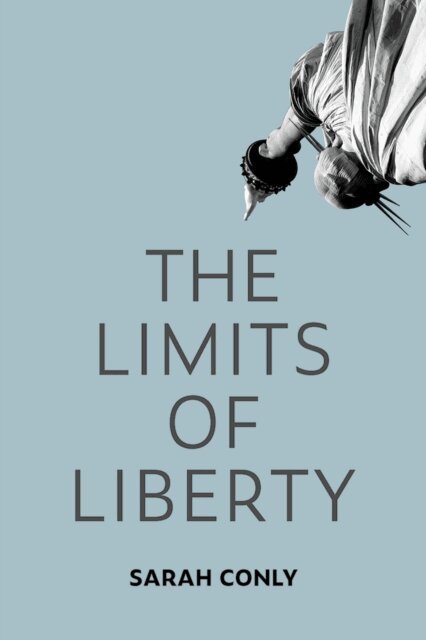
The Limits of Liberty
Av Sarah Conly
Inbunden, 2025
282 kr
Lägg i varukorg
When does liberty matter? It is often thought that personal liberty is always valuable and that it has a unique intrinsic value. In The Limits of Liberty, philosopher Sarah Conly argues that it is much less valuable than traditionally believed. Conly posits that liberty only has value for its …
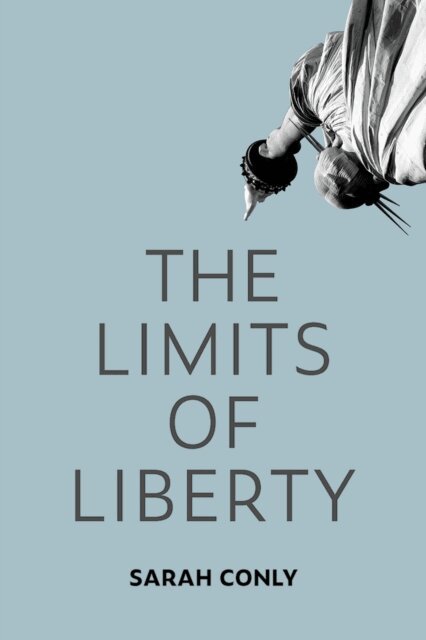
Limits of Liberty
Av Sarah Conly
E-bok, 2025
272 kr
Lägg i varukorg
When does liberty matter? It is often thought that personal liberty is always valuable and that it has a unique intrinsic value. In The Limits of Liberty, philosopher Sarah Conly argues that it is much less valuable than traditionally believed. Conly posits that liberty only has value for its …
Limits of Liberty
Av Sarah Conly
E-bok, 2025
272 kr
Lägg i varukorg
When does liberty matter? It is often thought that personal liberty is always valuable and that it has a unique intrinsic value. In The Limits of Liberty, philosopher Sarah Conly argues that it is much less valuable than traditionally believed. Conly posits that liberty only has value for its …
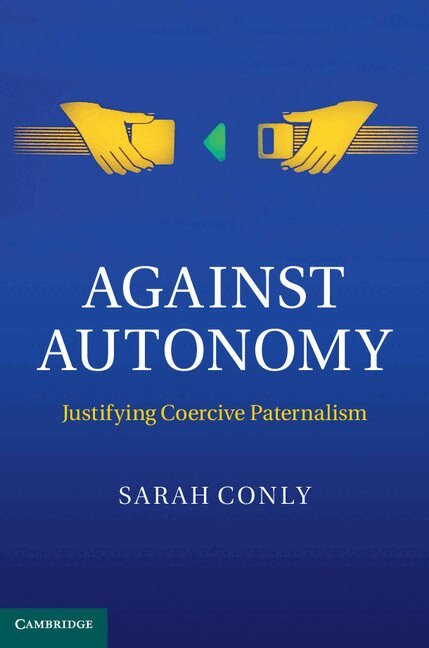
Against Autonomy
Justifying Coercive Paternalism
Av Sarah Conly
Inbunden, 2012
1593 kr
Lägg i varukorg
Since Mill's seminal work On Liberty, philosophers and political theorists have accepted that we should respect the decisions of individual agents when those decisions affect no one other than themselves. Indeed, to respect autonomy is often understood to be the chief way to bear witness to the …
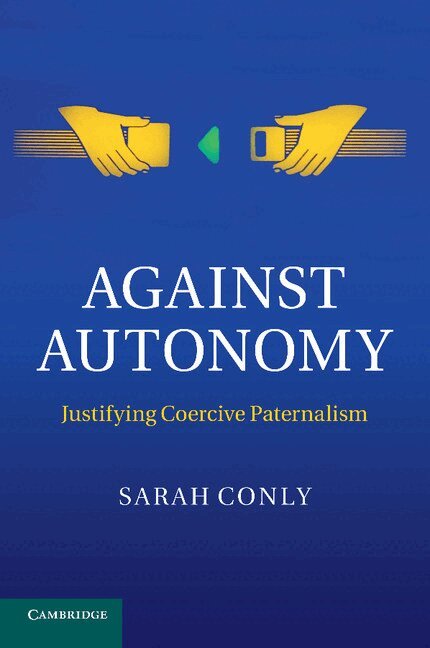
Against Autonomy
Justifying Coercive Paternalism
Av Sarah Conly
Häftad, 2013
2,0 utav 5 stjärnor. Totalt antal röster: (1)
455 kr
Lägg i varukorg
Since Mill's seminal work On Liberty, philosophers and political theorists have accepted that we should respect the decisions of individual agents when those decisions affect no one other than themselves. Indeed, to respect autonomy is often understood to be the chief way to bear witness to the …