Sarah Eppler Janda – författare
Visar alla böcker från författaren Sarah Eppler Janda. Handla med fri frakt och snabb leverans.
4 produkter
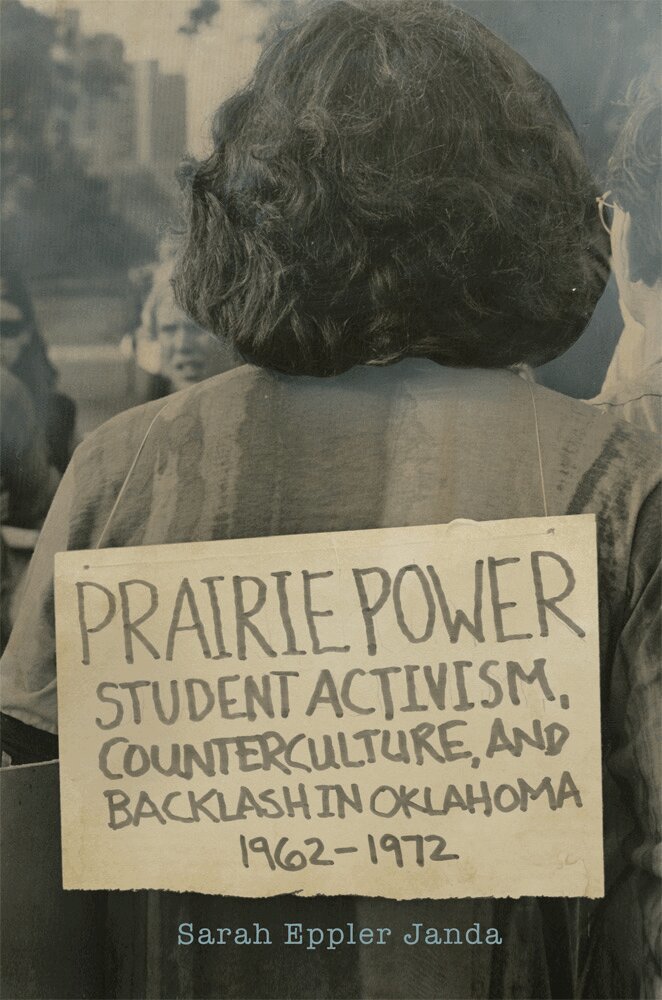
Prairie Power
Student Activism, Counterculture, and Backlash in Oklahoma, 1962–1972
Häftad, 2018
556 kr
Lägg i varukorg
Student radicals and hippies - in Oklahoma? Though most scholarship about 1960s-era student activism and the counterculture focuses on the East and West Coasts, Oklahoma's college campuses did see significant activism and ""dropping out."" In Prairie Power, Sarah Eppler Janda fills a gap in the …
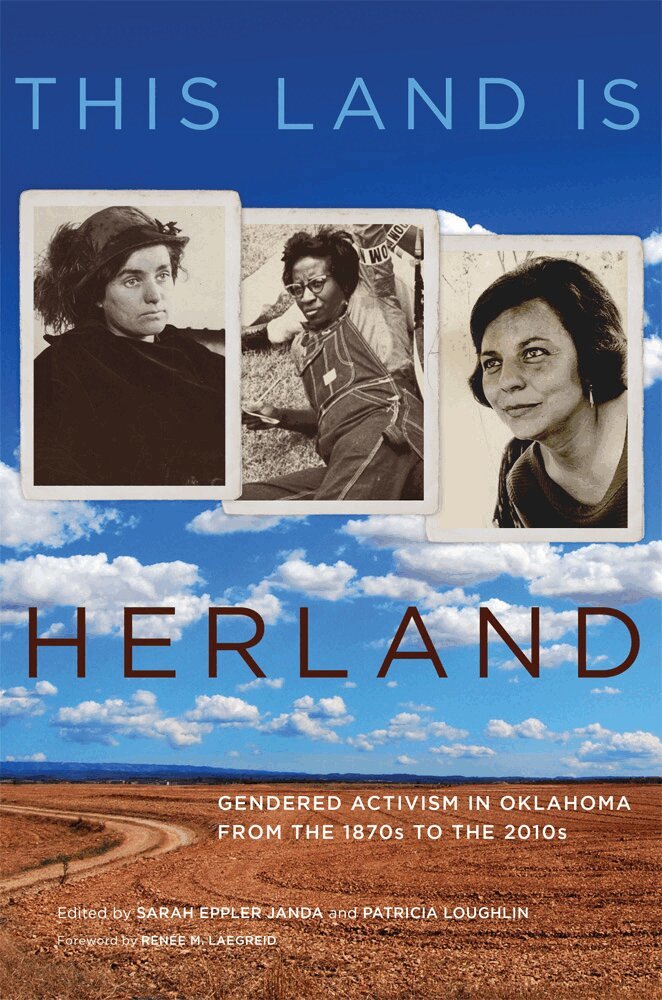
This Land Is Herland
Gendered Activism in Oklahoma from the 1870s to the 2010s
Av Sarah Eppler Janda, Patricia Loughlin
Häftad, 2021
242 kr
Lägg i varukorg
Since well before ratification of the Nineteenth Amendment in 1920 secured their right to vote, women in Oklahoma have sought to change and uplift their communities through political activism. This Land Is Herland brings together the stories of thirteen women activists and explores their varied …
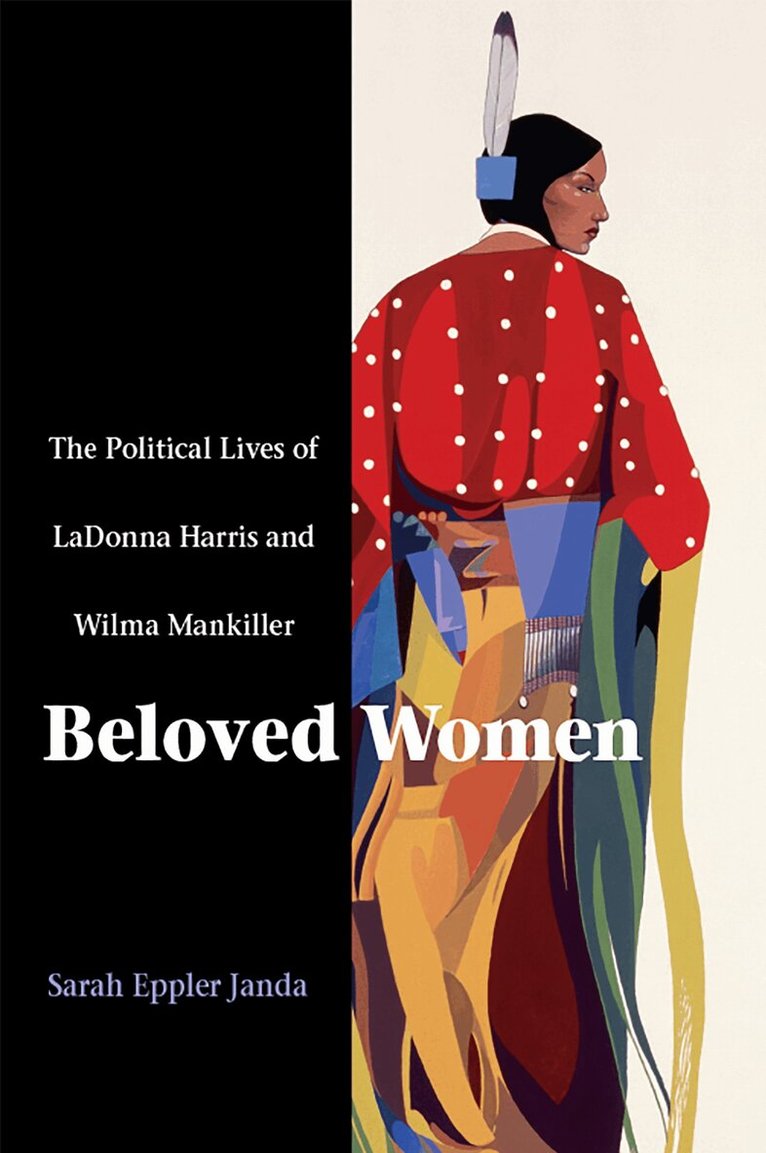
Beloved Women
The Political Lives of LaDonna Harris and Wilma Mankiller
Inbunden, 2007
345 kr
Lägg i varukorg
In an era when minorities struggled for recognition, LaDonna Harris and Wilma Mankiller furthered the interests of Native Americans and forged a new place for women in politics by astutely playing accepted notions about ethnicity and gender to their own advantage. In Beloved Women, historian Sarah …
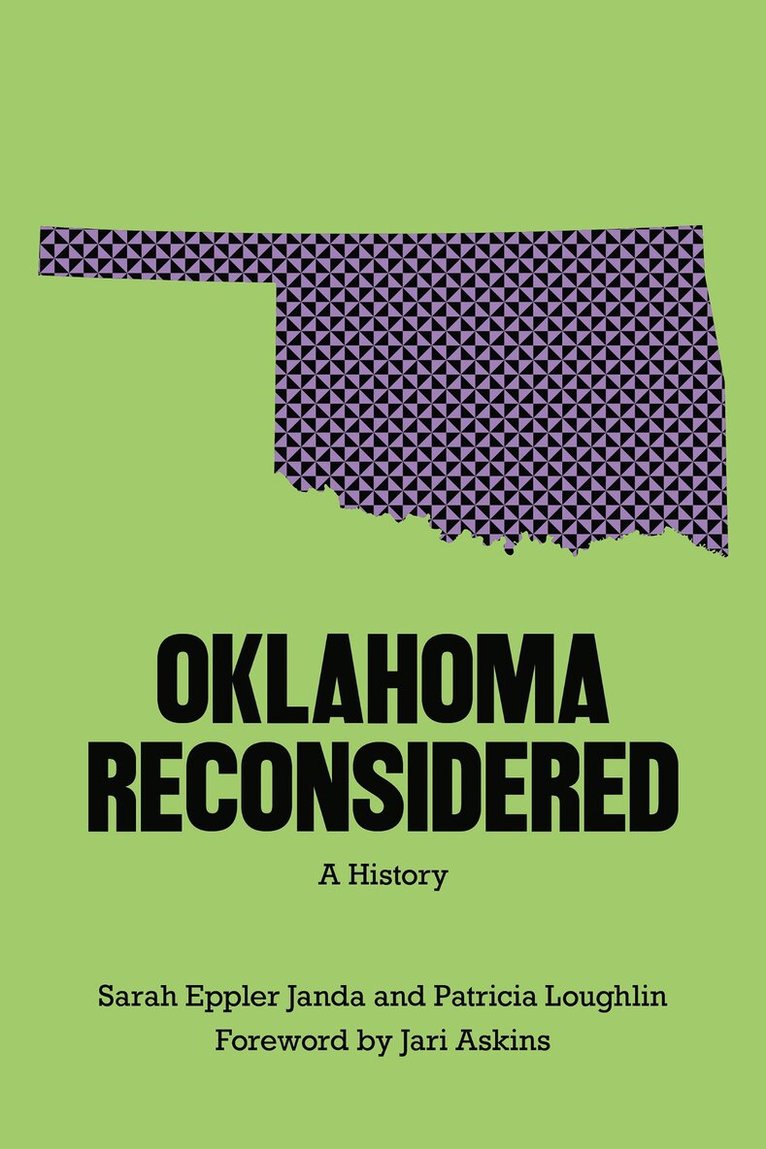
Oklahoma Reconsidered
A History
Av Sarah Eppler Janda, Patricia Loughlin
Häftad, 2026
341 kr
Lägg i varukorg
Oklahoma Reconsidered provides a concise and conversational history of Oklahoma from the 1700s and into the twenty-first century by two historians who show how Oklahoma has been shaped by wars, epidemics, civil rights movements, and unified efforts to heal after devastating terrorist attacks. While …